

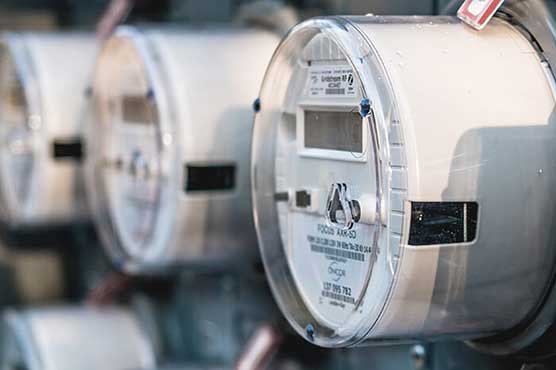
ISLAMABAD: The International Finance Corporation (IFC) is preparing to discuss a proposed smart meters project worth up to $1.298 billion with Pakistan’s Power Division, covering more than 16.2 million electricity connections across five distribution companies.
According to Business Recorder, IFC Regional Vice President Imad Najib Ayed Fakhoury is scheduled to visit Pakistan from November 24 to December 2, 2026, accompanied by senior management.
The corporation has requested a meeting with the Power Minister on November 30 to discuss the proposed investment, electricity distribution reforms, transmission infrastructure and measures to reduce energy costs.
Smart Meters to Cover Five DISCOs
The proposed Advanced Metering Infrastructure (AMI) programme will replace 16.219 million conventional single-phase electricity meters across five distribution companies.
These include Lahore Electric Supply Company (LESCO), Multan Electric Power Company (MEPCO), Peshawar Electric Supply Company (PESCO), Hazara Electric Supply Company (HAZECO) and Quetta Electric Supply Company (QESCO).
According to IFC’s preliminary assessment, each smart meter will cost between $60 and $80, bringing the estimated total investment to between $973 million and $1.298 billion.
The final project cost will be determined through international competitive bidding.
The investment will cover meter procurement, installation, communication infrastructure, software licensing and integration with Head-End Systems and Meter Data Management systems.
Consumers Will Not Pay Upfront Installation Costs
The programme is expected to operate under a public-private partnership (PPP) model, with private companies responsible for installing and replacing electricity meters in phases.
Procurement will take place through international competitive bidding and potentially government-to-government arrangements.
Consumers will not be required to make upfront payments for meter installation.
Instead, private investors will recover their investment through agreed per-meter charges collected via monthly electricity bills in Pakistani rupees.
The exact charges have not yet been finalised.
FBR Makes Electronic Production Monitoring Mandatory for Leather and Paper Manufacturers
Two-Year Rollout Aims to Reduce Electricity Losses
According to sources, the proposed rollout is expected to be completed within two years, initially focusing on priority electricity feeders.
The smart metering system is intended to improve billing accuracy, reduce electricity theft, limit distribution losses and strengthen revenue collection.
It is also expected to support more reliable electricity services by improving the monitoring of power consumption.
IFC was appointed transaction adviser for the programme under a three-year agreement signed on April 17, 2026.
Its responsibilities include preparing the project’s financial, technical and legal frameworks, structuring the PPP arrangement and supporting procurement.
The advisory process consists of four stages: feasibility assessments and data validation, transaction structuring and market consultation, procurement and bidding, and contract execution and financial close.
The proposed investment remains subject to further discussions, procurement procedures and final approvals before implementation.
You may also like
-
NBP Inaugurates AI and Robotics Lab at Abbottabad Public School
-
FBR Makes Electronic Production Monitoring Mandatory for Leather and Paper Manufacturers
-
NEPRA Allows DESCO to Buy Electricity Directly From Lucky Cement
-
Ufone Telenor Xiaomi Partnership Aims to Accelerate 5G Smartphone Adoption in Pakistan
-
Pakistan Sweden Investment Treaty: Talks Begin to Modernise 1981 Bilateral Agreement