Environment

Japan Earthquake Triggers Tsunami Warning After Powerful 7.4 Magnitude Tremor
Editor pick, Environment

Japan Earthquake Triggers Tsunami Warning After Powerful 7.4 Magnitude Tremor

A powerful Japan earthquake measuring 7.4 magnitude struck northern Japan on Monday, prompting authorities to issue an urgent tsunami warning. The tremor shook coastal regions and triggered immediate evacuation alerts across vulnerable areas. According to the Japan Meteorological Agency, the earthquake hit at 4:53 pm local time in the Pacific Ocean off the coast of Iwate Prefecture. The impact spread widely, with strong shaking reported even in Tokyo, hundreds of kilometres away. Tsunami Warning Issued as Waves Threaten Coast Authorities quickly issued a tsunami warning following the Japan earthquake. Officials warned that waves could reach heights of up to three metres. The agency stated that the earliest waves could hit northern coastal areas almost immediately. Emergency alerts urged residents to evacuate without delay. Officials directed people living near the coast and rivers to move to higher ground or designated evacuation buildings. They also warned that tsunami waves could arrive in multiple surges. “Do not leave safe areas until the warning is officially lifted,” the agency emphasized. Officials stressed that repeated waves could increase the risk of damage and casualties. Government Activates Crisis Response The Japanese government responded swiftly to the Japan earthquake. Prime Minister Sanae Takaichi confirmed that a crisis management team had been established. She urged residents in affected areas to follow evacuation orders and prioritize safety. Authorities began assessing the situation to determine the extent of damage and any potential casualties. Initial reports did not confirm significant destruction, but officials remained cautious. Footage aired by NHK showed several ports in Iwate with no immediate visible damage. However, authorities continued monitoring the situation closely. Strong Tremors Felt Across Regions The Japan earthquake caused strong tremors across northern regions and beyond. Buildings swayed in several cities, including Tokyo. Residents reported panic as the shaking lasted for several seconds. Despite the intensity, early indications suggested limited immediate damage. However, experts warned that aftershocks could follow. Authorities advised residents to remain alert and prepared for further seismic activity. Japan’s High Earthquake Risk Japan remains one of the most earthquake-prone countries in the world. The nation sits along the Pacific Ring of Fire, where multiple tectonic plates meet. This location exposes the country to frequent seismic activity. The country experiences around 1,500 earthquakes each year. These account for nearly 18 percent of global seismic activity. Most quakes are minor, but larger ones can cause significant damage depending on their depth and location. Memories of the 2011 Disaster Resurface The latest Japan earthquake has revived memories of the devastating 2011 Tohoku Earthquake and Tsunami. That 9.0 magnitude quake triggered massive tsunami waves and caused widespread destruction. The disaster killed around 18,500 people and led to a nuclear crisis at the Fukushima power plant. It remains one of the most tragic events in Japan’s modern history. Concerns Over Future Megaquakes Experts continue to warn about the risk of a major earthquake along the Nankai Trough. This zone has the potential to generate a powerful megaquake. In 2024, the Japan Meteorological Agency issued its first advisory warning about such a possibility. The alert caused widespread concern and even led to panic buying and travel cancellations. Authorities estimate that a megaquake in this region could cause catastrophic damage. Government projections suggest it could lead to nearly 298,000 deaths and economic losses reaching $2 trillion. A similar advisory followed in December 2025 after a magnitude 7.5 earthquake struck off the northern coast. That event caused injuries but limited structural damage. Ongoing Monitoring and Public Safety Efforts Following Monday’s Japan earthquake, authorities continue to monitor seismic activity and tsunami risks. Emergency teams remain on high alert. Officials are also assessing infrastructure and coastal areas for potential damage. Residents have been urged to stay informed through official channels. Authorities emphasized the importance of following evacuation orders and avoiding coastal zones until conditions stabilize. The situation remains fluid. While no major damage has been confirmed yet, the risk of aftershocks and further tsunami waves keeps authorities vigilant.

Asia Switches from Plastic to Paper as Oil Hits $100 Amid Iran Conflict
Environment

Asia Switches from Plastic to Paper as Oil Hits $100 Amid Iran Conflict

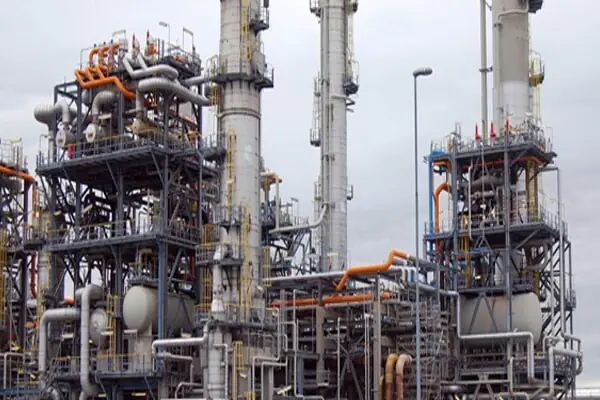
The ongoing U.S.-Israeli war against Iran has sent global oil prices soaring to nearly $100 per barrel, driving up plastic costs and accelerating a shift toward paper-based packaging across Asia. Read More: https://theboardroompk.com/pakistani-tanker-shalamar-exits-strait-of-hormuz-with-uae-crude-amid-us-blockade-carrying-440000-barrels/ Companies in the region are facing supply disruptions and sharp price hikes for plastic products. Japanese manufacturers have warned of potential shortages of plastic trays and bags, prompting retailers to explore alternatives urgently. Rising Costs Force Industry Shift In Japan, firms like Mitsubishi Chemical and Sanipak are planning to raise prices by about 30% for some plastic items due to higher raw material costs. A product manager at Marutake supermarket in Saitama expressed deep concern, stating uncertainty over how to sell products if plastic trays become unavailable. Malaysia’s dairy producer Farm Fresh has temporarily switched to paper-based milk cartons in response to plastic supply issues. In South Korea, Kolmar Korea – which supplies packaging for brands like L’Oreal – is receiving increased inquiries for paper tubes that use only 20% of the plastic found in traditional packaging. Environmental Concerns Amplify Change Asia’s plastic consumption has grown dramatically, rising from 17 million tonnes in 1990 to 152 million tonnes in 2022 across China, Japan, South Korea, and Southeast Asia. The region accounts for more than one-third of global plastic waste leaking into the environment, largely due to inadequate waste management in lower-income areas. Japan ranks second globally in per capita plastic production and consumption. The current crisis is forcing companies to reconsider long-term sustainable practices, even if some changes prove temporary. Analysts note that while the switch offers a “green edge,” questions remain about whether paper alternatives can fully replace plastics in scale and cost. The conflict has disrupted petrochemical supplies, making paper options more attractive in the short term for cosmetics, food, and consumer goods packaging.

Ethylene Rally to 12-Year High Signals Pressure on Plastic Industry
Environment

Ethylene Rally to 12-Year High Signals Pressure on Plastic Industry

KARACHI: Ethylene, used to produce plastic packaging, bottles, film, hits multi-year high ($1,505/ton) since 2014, signaling strong upstream momentum but simultaneously squeezing downstream petrochemical margins as cost pressures intensify across global markets. Margin pressure deepens While PVC prices edged up by $10/ton during the week, the increase failed to keep pace with the sharp $60/ton surge in ethylene prices. This imbalance led to a contraction in the PVC-Ethylene spread by $19/ton on a weekly basis, reflecting a 4% decline in core margins. The divergence highlights growing stress within the petrochemical value chain, where producers of downstream products are struggling to pass on rising input costs to end consumers. Global pricing mismatch The upward revision in PVC prices across key markets such as the US, China, and Brazil indicates some pricing power, but not enough to offset feedstock inflation. This suggests that demand conditions remain relatively fragile, limiting producers’ ability to fully transfer higher costs. Meanwhile, other segments of the chemical chain showed mixed trends. PTA and PX prices declined, while MEG posted gains, pointing to uneven demand recovery across industrial sectors. Analysts believe the ongoing volatility reflects structural imbalances, where upstream tightness contrasts with subdued downstream demand, particularly in packaging and construction-linked products. If sustained, the margin compression could impact production decisions and profitability across global petrochemical players, with ripple effects on import-dependent economies like Pakistan.

Global Climate Crisis 2025: Earth’s Climate Imbalance Reaches Dangerous Levels
Environment

Global Climate Crisis 2025: Earth’s Climate Imbalance Reaches Dangerous Levels

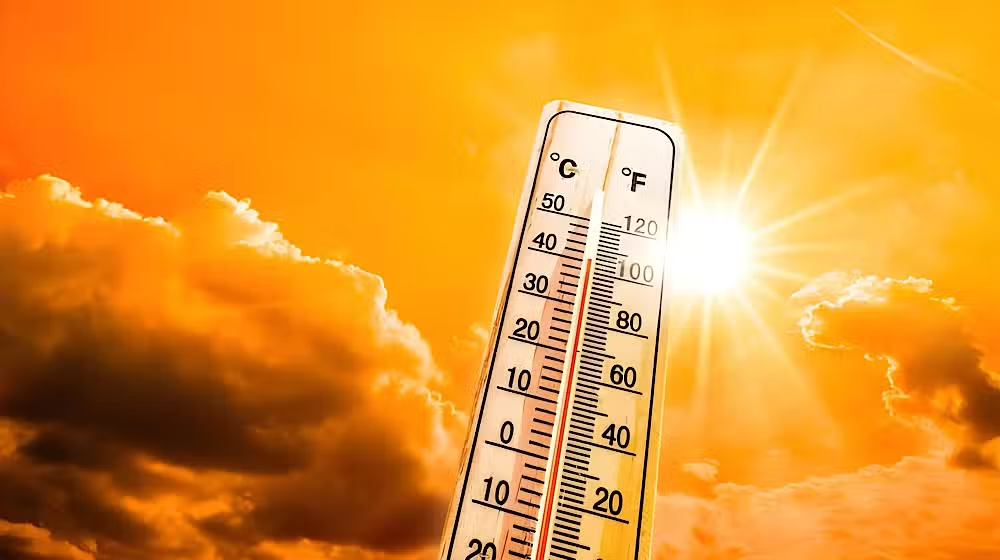
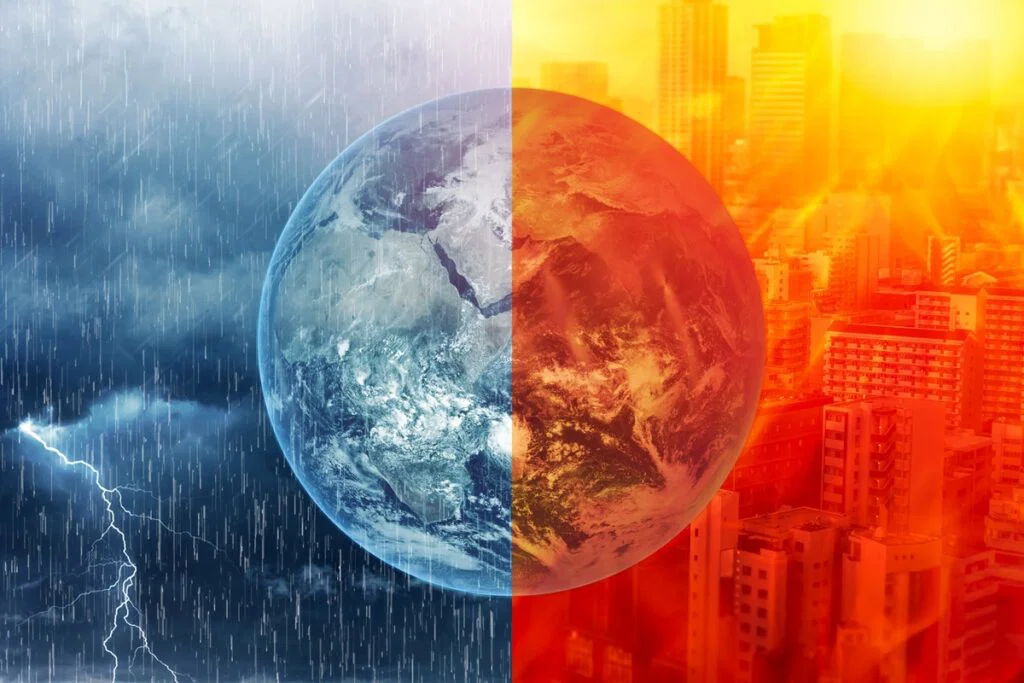
The Global Climate Crisis 2025 is no longer a distant threat it is unfolding in real time, reshaping economies, livelihoods, and daily life across the globe, including Pakistan. A new report by the World Meteorological Organization (WMO) paints a stark picture: Earth’s climate system is now more out of balance than at any point in recorded history. From rising temperatures to devastating floods and heatwaves, the signals are clear our planet is under stress, and the consequences are accelerating. Global Climate Crisis 2025: Hottest Years Ever Recorded One of the most striking findings of the Global Climate Crisis 2025 is that the period from 2015 to 2025 marks the 11 hottest years ever recorded. The year 2025 alone ranked among the top three warmest years, with global temperatures about 1.43°C above pre-industrial levels. According to António Guterres, this is no coincidence: repeated record-breaking heat is a clear signal that human activity is pushing Earth beyond safe limits. For countries like Pakistan, this translates into more frequent heatwaves, water stress, and agricultural uncertainty directly impacting economic stability. Earth’s Energy Imbalance: The Hidden Driver of Climate Change A key concept in the Global Climate Crisis 2025 is Earth’s energy imbalance the difference between energy entering the planet and energy leaving it. Due to rising greenhouse gases such as carbon dioxide and methane, this balance has been disrupted. The result? Excess heat is trapped within the Earth system, driving long-term climate change. Here’s where that excess heat is going: • Over 90% is absorbed by oceans• Around 5% heats land masses• Only 1% warms the atmosphere we feel This imbalance reached its highest level ever recorded in 2025, making it a critical indicator of worsening climate conditions. Oceans in Crisis: Silent Absorbers of Heat The oceans are playing a crucial yet dangerous role in the Global Climate Crisis 2025. They are absorbing heat equivalent to 18 times the total annual energy used by humans every year. While this slows surface warming temporarily, it creates long-term risks: • Marine ecosystems are deteriorating• Fisheries and food supplies are under threat• Stronger cyclones and storms are forming Ocean warming has also doubled in pace over the past two decades, highlighting how rapidly the crisis is escalating. Melting Ice and Rising Seas: A Long-Term Economic Threat Glaciers and polar ice are melting at alarming rates. Arctic sea ice is near record lows, while Antarctic ice continues to shrink. This contributes directly to rising sea levels, which are now 11 cm higher than in 1993. For coastal regions especially in developing countries this means: • Increased flooding• Damage to infrastructure• Salinization of groundwater• Loss of agricultural land In Pakistan, coastal areas like Karachi could face serious long-term risks if sea levels continue to rise. Extreme Weather: Billions Lost, Millions Affected The Global Climate Crisis 2025 is already impacting lives through extreme weather events: • Intense heatwaves• Heavy rainfall and floods• Droughts and wildfires• Tropical cyclones These events have caused billions of dollars in economic losses and affected millions of people worldwide. They also disrupt supply chains, increase food insecurity, and strain national economies. Climate Change and Health: A Growing Risk Climate change is no longer just an environmental issue it is a public health crisis. Rising temperatures and changing rainfall patterns are: • Increasing diseases like dengue• Causing heat stress among workers• Straining healthcare systems According to global estimates, over 1.2 billion workers face heat-related risks annually, especially in agriculture and construction sectors critical to Pakistan’s economy. A Call to Action: Observing Today to Protect Tomorrow The WMO released its findings on World Meteorological Day, emphasizing the importance of monitoring climate trends to safeguard the future. As Celeste Saulo highlighted, human activities are disrupting Earth’s natural balance in ways that will last hundreds if not thousands of years. The message is clear:Delaying action will only increase the cost economically, socially, and environmentally. Why Global Climate Crisis 2025 Matters for Pakistan For Pakistan, ranked among the most climate-vulnerable countries, the Global Climate Crisis 2025 is especially critical: • Increased floods like those seen in recent years• Rising temperatures affecting crops and water supply• Urban heat stress in cities like Karachi and Lahore Addressing climate change is no longer optional it is essential for economic resilience and national security.

Geespace and Paksat Ink Deal to Bridge Pakistan's Digital Divide via LEO Satellites
Environment

Geespace and Paksat Ink Deal to Bridge Pakistan’s Digital Divide via LEO Satellites

Pakistan’s Paksat International has entered into a strategic cooperation agreement with China’s Geespace to enhance satellite-based connectivity across the country and surrounding markets. The deal, highlighted in recent announcements, aims to integrate Geespace’s advanced low-Earth-orbit (LEO) satellite constellation for improved IoT and communication services. Read More: https://theboardroompk.com/overseas-pakistanis-economy-the-backbone-powering-pakistans-economic-future/ Boosting Digital Infrastructure in Remote Regions The partnership emphasizes policy coordination, technical collaboration, and market development. Paksat will support Geespace in navigating regulatory requirements, including spectrum coordination and compliance for commercial operations in Pakistan. All-Weather Reliability for Industrial and Cross-Regional Needs Geespace’s GEESATCOM constellation, with 64 satellites already in orbit following multiple launches between 2022 and 2025, promises “all-weather” and high-reliability services. These are tailored to address coverage gaps in mountainous and sparsely populated areas where traditional terrestrial networks are costly or impractical. This initiative supports Pakistan’s push for a stronger digital economy by enabling reliable connectivity in hard-to-reach regions. It also provides backup links during terrestrial disruptions, aiding disaster response and everyday communications. Geespace CEO Wang Yang emphasized the services’ role in industrial digitalization and cross-regional support. Paksat noted that the collaboration will improve remote connectivity and foster economic growth. With Geespace having validated its technology in over 20 countries, this agreement marks a key step in expanding LEO IoT applications in South Asia. It aligns with Pakistan’s efforts to modernize infrastructure through international partnerships. The move is expected to accelerate adoption of satellite IoT for sectors like agriculture, logistics, and emergency services, ultimately contributing to nationwide digital inclusion.

Snow and Rain Forecast: NDMA Alerts Residents in KP, GB, and Azad Kashmir
Environment

Snow and Rain Forecast: NDMA Alerts Residents in KP, GB, and Azad Kashmir

The National Disaster Management Authority (NDMA) through its National Emergencies Operation Centre (NEOC) has issued an alert for potential rain and snowfall across Khyber Pakhtunkhwa (KP), Gilgit-Baltistan (GB), and Azad Jammu and Kashmir (Kashmir) on January 26, 2026. Read More: https://theboardroompk.com/ndma-issues-cold-wave-alert-for-northern-pakistan-amid-forecast-of-heavy-snowfall/ The advisory highlights expected precipitation in the next 12 hours, with rain in lower areas and snowfall in hilly regions, potentially causing disruptions. Weather Forecast and Affected Areas Rain is anticipated in numerous KP districts including Chitral, Dir, Swat, Kohistan, Shangla, Malakand, Kurram, Waziristan, Mansehra, Mohmand, Buner, Haripur, Abbottabad, Peshawar, Charsadda, Nowshera, Swabi, Karak, Bannu, Dera Ismail Khan, and Kohat. In GB, areas like Gilgit, Astore, Ghizer, Diamer, Skardu, Hunza, and Shigar may see rain, with snowfall in mountainous zones. Azad Kashmir regions such as Bagh, Muzaffarabad, Poonch, Haveli, Kotli, Bhimber, and Neelum are expected to experience rain, alongside snow in upper elevations. The alert also extends to parts of Balochistan, though specifics focus on northern territories. Potential Impacts and Response Measures Slippery roads and traffic disruptions are major concerns due to the weather. NDMA advises avoiding unnecessary travel and adopting safety precautions. Relevant departments are instructed to stay alert for rescue operations and road restoration. NEOC is providing advance updates to public and institutions. Pakistan Army has already conducted relief in Orakzai and Kurram, clearing blocked roads and evacuating stranded vehicles using heavy machinery. In Orakzai, emergency road clearance occurred amid heavy snowfall. In Kurram, an eight-kilometer stretch of Manato Sadda road was restored, ensuring safe evacuation. This proactive stance aims to mitigate risks from inclement weather. While the immediate forecast is for the next 12 hours, ongoing monitoring is emphasized. Residents are urged to heed warnings to prevent accidents. The alert underscores NDMA’s role in disaster preparedness amid seasonal changes.

EU Scientists Term 2025 as Third-Hottest Year on Record, with 3-Year Average Breaching 1.5°C Threshold
Environment

EU Scientists Term 2025 as Third-Hottest Year on Record, with 3-Year Average Breaching 1.5°C Threshold

BRUSSELS — European Union scientists announced on January 14, 2026, that 2025 ranked as the third-warmest year globally since records began, capping a historic streak of exceptional heat. Data from the Copernicus Climate Change Service, operated by the European Centre for Medium-Range Weather Forecasts (ECMWF), showed 2025 was only marginally cooler than 2023 by 0.01°C and trailed 2024, the hottest year ever recorded. Read More: https://theboardroompk.com/prof-dr-abdul-basit-top-2-scientists-recognition-elevates-pakistans-global-medical-standing/ For the first time, the three-year period from 2023 to 2025 averaged over 1.5°C above pre-industrial levels, marking the longest such breach on record. Long-term warming stands at about 1.4°C, but short-term spikes have pushed the planet past the Paris Agreement’s critical threshold temporarily. Unprecedented Heat Streak and Global Rankings The last three years—2024 (warmest), 2023 (second), and 2025 (third)—form the hottest trio in instrumental history. Copernicus data revealed 2025’s global average temperature anomaly reached approximately 1.47°C above pre-industrial levels. The UK Met Office corroborated the third-place ranking since 1850. Experts noted that while natural variability plays a role year-to-year, the underlying trend is driven by human-caused greenhouse gas emissions from fossil fuels. Rising Risks and Urgent Calls for Action Experts warned that the Paris Agreement’s 1.5°C limit—measured as a long-term average—could be exceeded this decade, a decade earlier than anticipated in 2015. Samantha Burgess of ECMWF emphasized that “every fraction of a degree matters” for intensifying extremes like heatwaves, storms, and floods. Carlo Buontempo, Copernicus director, stated the world is “bound to pass” 1.5°C, shifting focus to managing overshoot impacts. Extreme events in 2025, including record European wildfire emissions, deadly Pakistan floods killing over 1,000, and Hurricane Melissa, underscored climate change’s role in worsening disasters. Urgent emission reductions remain essential to limit further escalation.

Overseas Investors Say $565.7 billion investment needed for Pakistan’s climate goals, green taxonomy
Environment

Overseas Investors Say $565.7 billion investment needed for Pakistan’s climate goals, green taxonomy

Karachi, January 14: Pakistan will need a staggering US$565.7 billion in investment to achieve its Nationally Determined Contributions (NDC) 3.0 climate commitments by 2035, it was revealed during a session on Pakistan Green Taxonomy (PGT) and ESG Disclosure Guidelines hosted by the Overseas Investors Chamber of Commerce and Industry (OICCI). Read More: https://theboardroompk.com/pakistan-renewable-energy-transition-gains-momentum-with-solar-and-climate-leadership/ The session, attended by top business executives and industry stakeholders, highlighted the critical role of sustainable finance and transparent ESG reporting in attracting the investments necessary to build Pakistan’s climate resilience. The session was held in the backdrop of the Securities and Exchange Commission of Pakistan’s issuance of the revised ESG Disclosure Guidelines for listed companies, formally aligning them with the Pakistan Green Taxonomy. The move is aimed at strengthening sustainability reporting, enhancing transparency, and supporting Pakistan’s climate transition and environmental commitments.The session outlined that Pakistan’s NDC 3.0 targets include a 17 percent unconditional and 33 percent conditional reduction in greenhouse gas emissions, a 30 percent increase in electric vehicle adoption, and a shift to 60 percent renewable energy. Meeting these ambitious goals will depend heavily on mobilizing green-aligned investments, making frameworks like the Pakistan Green Taxonomy and robust ESG disclosure practices essential for guiding capital toward sustainable projects. The Pakistan Green Taxonomy (PGT), launched by the State Bank of Pakistan in 2024, provides a clear classification system for identifying activities that actively contribute to environmental objectives, including climate change mitigation, sustainable water use, ecosystem protection, pollution prevention, circular economy, and land management. Complementing this, the ESG Disclosure Guidelines, which will transition to mandatory reporting between 2029 and 2031, establish standardized metrics for financial and non-financial sustainability reporting. The session on green financing was conducted by Farrukh Rehman, an expert on climate regulatory compliance and Former President, The Institute of Chartered Accountants of Pakistan (ICAP), who emphasized, “The integration of Pakistan Green Taxonomy into ESG reporting is a roadmap for businesses to align operations with national climate objectives. Transparent and structured reporting will attract sustainable investment and enable companies to contribute to Pakistan’s environmental and social goals.” OICCI Secretary General, M. Abdul Aleem, added, “The corporate sector is aware of growing importance of accountability and sustainability as key to business strategy. By adopting ESG disclosures and PGT-aligned practices, companies can secure investment, drive innovation, and enhance resilience against climate-related risks.” The session also covered technical criteria for PGT alignment, including the substantial contribution test, do-no-significant-harm principles, and minimum social safeguards to ensure ethical and responsible practices. Attendees were guided through reporting formats, international standards such as GRI, ISSB, and TCFD, and stepwise ESG reporting processes to ensure compliance and consistency.

NEPRA Sets Rs22.98/kWh Flat Rate to Boost Industrial, Agri Electricity Use
Environment

NEPRA Sets Rs22.98/kWh Flat Rate to Boost Industrial, Agri Electricity Use

Islamabad – The National Electric Power Regulatory Authority (NEPRA) on Tuesday approved the federal government’s three-year concessional incremental tariff package at a flat rate of Rs22.98 per unit for industrial consumers and private agriculture tube-well connections, setting aside alternative proposals submitted by the industrial sector.The package, effective after federal government notification, will apply only to additional electricity consumption over and above the reference period of December 2023 to November 2024. Consumers in industrial (B1, B2, B3, B4, B5) and private agricultural categories who increase their usage beyond the benchmark will enjoy the discounted rate for three years. Read More: https://theboardroompk.com/nepra-fines-lesco-gepco-and-fesco-rs57-5-million-over-20-preventable-deaths/ NEPRA clarified that consumers with zero reference consumption, those switching from non-Time of Use (ToU) to ToU meters, or changing tariff categories (e.g., commercial to industrial) will be treated as “new consumers” and qualify under separate benchmarking criteria. However, consumers moving within the same industrial category (e.g., B2 to B3) will retain their existing reference consumption.In case of defective meters, locked connections, or disconnection during the reference period, new-consumer rules will apply. Detection bills will not be counted toward benchmark or incremental consumption, though legitimate dial-adjustment corrections will be considered.Despite industry demands for more favourable load factors, NEPRA retained the Power Division’s proposed parameters to prevent additional burden on protected domestic and other consumers through higher quarterly adjustments. The regulator also simplified benchmarking for new connections by using the higher of sanctioned load or recorded Maximum Demand Indicator (MDI) in a manner that maximises eligibility.NEPRA upheld the inclusion of wheeling consumers under the package, stating that exclusion would violate Section 7(6) of the NEPRA Act and defeat the objective of boosting industrial growth through enhanced electricity consumption.The decision followed a public hearing held on November 11, 2025. Distribution companies have been directed to implement the package immediately upon federal government notification.

Al Baraka Bank (Pakistan) Limited Celebrates 'Al Baraka Day' with Environmental Stewardship and Youth Engagement
Business, Environment

Al Baraka Bank (Pakistan) Limited Celebrates ‘Al Baraka Day’ with Environmental Stewardship and Youth Engagement

KARACHI Al Baraka Bank (Pakistan) Limited celebrated ‘Al Baraka Day’ by organizing an environmental awareness session and a joint plantation drive of 200 trees in collaboration with the Institute of Environmental Studies at the University of Karachi. This initiative is part of a broader, group-wide (Al Baraka Banking Group) commitment to community-focused volunteering activities under the banner of Al Baraka Day, first launched by (Al Baraka Banking Group) in 2022. The theme for this year’s ‘Al Baraka Day’ is “Life on Land,” a direct alignment with the United Nations Sustainable Development Goal (SDG) 15, which focuses on the protection, restoration, and sustainable use of terrestrial ecosystems and biodiversity. This activity also contributes to its flagship initiative “One Tree Per Staff Every Year” by promoting environmental stewardship and sustainability to reduce banks carbon footprint. This initiative reflects the banks deep-rooted commitment to climate change and its impact. Through this partnership with the University of Karachi, the bank is not only contributing to a greener Pakistan but also engaging the next generation in our collective mission to enable our youth to become the agents of change with the banks shared vision for a sustainable future. The event brought together Al Baraka Bank employees, university staff, and students in a hands-on effort to create a meaningful, lasting impact on the communities and environment.

Scroll to Top