
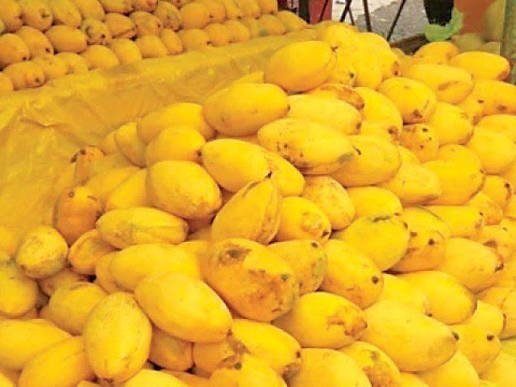
Pakistan’s mango exports fell 36% to 78,000 tonnes during the current season as tensions in the Middle East disrupted shipments and weakened demand. Exports also missed the official target of 80,000 tonnes, reducing foreign exchange earnings.
Waheed Ahmed, Patron-in-Chief of the All Pakistan Fruit and Vegetable Exporters, Importers and Merchants Association (PFVA), said Pakistan earned $58.5 million from mango exports this season.
The country exported 123,000 tonnes of mangoes in the previous season and earned $92.2 million. The latest figures show a decline of 45,000 tonnes in export volume and $33.7 million in earnings.
Middle East Tensions Hit Key Export Markets
Ahmed said exports to Gulf countries, particularly the United Arab Emirates and Saudi Arabia, recorded a significant decline.
Higher freight charges increased export costs, while regional tensions restricted demand in key markets. The suspension of cross-border trade with Afghanistan also disrupted shipments to Afghanistan and Central Asian markets.
Selling Pressure Persists! KSE-100 Extends Losing Streak Below 177,000
During the June 1 to September 30 export season, shipments to Gulf countries fell to 14,500 tonnes from 36,000 tonnes a year earlier.
Exports to Qatar declined to 880 tonnes from 1,900 tonnes. Shipments to Oman dropped to 8,900 tonnes from 10,200 tonnes, while exports to Saudi Arabia fell to 1,460 tonnes from 2,030 tonnes.
Ahmed estimated that the Afghan border closure alone contributed to a loss of 24,000 tonnes in export volume.
June 1 Export Start Helped Protect Quality
Ahmed credited the Ministry of Commerce and the Ministry of National Food Security and Research for supporting the export season.
He said the decision to begin mango exports on June 1 helped exporters approach the official target despite market disruptions.
Starting shipments in May could have exposed Pakistani mangoes to quality complaints, making the current export volume harder to achieve, he added.
Climate Change Cuts Mango Production
Pakistan’s mango industry also faces growing challenges from climate change and rising production costs.
Ahmed said climate-related pressures had reduced production by around 35% from its potential capacity of 1.8 million tonnes.
This marks the second consecutive year of declining production. Diseases are also affecting orchards, while their resistance to infections continues to weaken.
Industry Calls for Government Support
Ahmed described mangoes as an important part of Pakistan’s national identity. He urged federal and provincial governments to support growers and help them adopt modern farming techniques.
He said the industry needed stronger support to protect orchards, improve production and address rising cultivation costs.
Ahmed expressed hope that Pakistan’s mango exports would recover to previous levels if lasting peace returned to the Middle East.
You may also like
-
Selling Pressure Persists! KSE-100 Extends Losing Streak Below 177,000
-
Preferential Trade Access Database Can Help Pakistani Exporters Unlock Tariff Advantages, Reach New Markets Kamal Sheharyar
-
Industrialists’ Proposals Should Guide Development Projects in Industrial Areas Altaf Sario
-
Pakistan’s Revenue Falls to 15.6% of GDP in FY26
-
Abhi Microfinance Bank Completes IPO Public Subscription and Moves Towards PSX Listing