World

Iran has intensified its campaign in the Gulf by attacking at least six tankers in the Strait of Hormuz and surrounding waters, pushing the total number of vessels hit since the war started to 16. The strikes come as Israel prepares to expand operations in Lebanon while the United States claims to be dismantling Iranian air capabilities. Israel Expands Lebanon Campaign Israeli Defence Minister Israel Katz instructed the military to prepare for broader action against Hezbollah, which has fired over 100 rockets into northern Israel in recent hours. Fresh Israeli airstrikes pounded Beirut’s southern suburbs, setting buildings ablaze and triggering loud explosions. Lebanese authorities say more than 600 people have been killed and 800,000 displaced in the country since the conflict began. Hezbollah’s actions are framed as retaliation for the killing of Iran’s supreme leader, the event that ignited the wider war on March 2. Israeli officials warned Lebanese President Joseph Aoun that failure to restrain the group would invite stronger response. Global Ripple Effects and Market Turmoil The tanker attacks have sent shockwaves through world markets. Asian shares tumbled – MSCI ex-Japan fell 1.5 percent and Japan’s Nikkei dropped 1.4 percent – as oil prices climbed sharply. Several airlines including Air New Zealand, Qantas and Thai have cut flights or raised fares due to surging jet fuel costs. In India, the $5 billion bottled water industry is facing price hikes because higher oil costs have pushed up polymer and packaging expenses by as much as 50 percent. Banks in the UAE and Qatar have temporarily closed branches for safety reasons, while shipping routes are being reassessed globally. U.S. Central Command released video evidence of strikes on Iranian aircraft, stating that “the Iranian regime is losing air capability day by day”. Meanwhile Iran’s Revolutionary Guards have vowed to keep targeting ships until regional security is restored on their terms. The Strait of Hormuz remains the focal point. Its two-mile-wide shipping lanes carry over 20 million barrels of oil daily to Asia. Any prolonged disruption risks pushing prices toward $200 a barrel, as warned by Iranian officials. With the International Energy Agency confirming this as the worst supply crisis ever recorded and over 2,000 deaths already reported, including more than 1,100 children, international calls for de-escalation are growing. Yet both sides show no sign of backing down, leaving the world economy facing prolonged uncertainty.
World

Iran Targets Tankers in Gulf Waters: 16 Ships Hit Since Conflict Began

Iran has intensified its campaign in the Gulf by attacking at least six tankers in the Strait of Hormuz and surrounding waters, pushing the total number of vessels hit since the war started to 16. The strikes come as Israel prepares to expand operations in Lebanon while the United States claims to be dismantling Iranian air capabilities. Read More: https://theboardroompk.com/iran-grants-safe-passage-to-indian-flagged-tankers-through-strait-of-hormuz/ Israel Expands Lebanon Campaign Israeli Defence Minister Israel Katz instructed the military to prepare for broader action against Hezbollah, which has fired over 100 rockets into northern Israel in recent hours. Fresh Israeli airstrikes pounded Beirut’s southern suburbs, setting buildings ablaze and triggering loud explosions. Lebanese authorities say more than 600 people have been killed and 800,000 displaced in the country since the conflict began. Hezbollah’s actions are framed as retaliation for the killing of Iran’s supreme leader, the event that ignited the wider war on March 2. Israeli officials warned Lebanese President Joseph Aoun that failure to restrain the group would invite stronger response. Global Ripple Effects and Market Turmoil The tanker attacks have sent shockwaves through world markets. Asian shares tumbled – MSCI ex-Japan fell 1.5 percent and Japan’s Nikkei dropped 1.4 percent – as oil prices climbed sharply. Several airlines including Air New Zealand, Qantas and Thai have cut flights or raised fares due to surging jet fuel costs. In India, the $5 billion bottled water industry is facing price hikes because higher oil costs have pushed up polymer and packaging expenses by as much as 50 percent. Banks in the UAE and Qatar have temporarily closed branches for safety reasons, while shipping routes are being reassessed globally. U.S. Central Command released video evidence of strikes on Iranian aircraft, stating that “the Iranian regime is losing air capability day by day”. Meanwhile Iran’s Revolutionary Guards have vowed to keep targeting ships until regional security is restored on their terms. The Strait of Hormuz remains the focal point. Its two-mile-wide shipping lanes carry over 20 million barrels of oil daily to Asia. Any prolonged disruption risks pushing prices toward $200 a barrel, as warned by Iranian officials. With the International Energy Agency confirming this as the worst supply crisis ever recorded and over 2,000 deaths already reported, including more than 1,100 children, international calls for de-escalation are growing. Yet both sides show no sign of backing down, leaving the world economy facing prolonged uncertainty.

Iran Grants Safe Passage to Indian-Flagged Tankers Through Strait of Hormuz
World

Iran Grants Safe Passage to Indian-Flagged Tankers Through Strait of Hormuz

India has received assurances from Iran that Indian-flagged tankers will be allowed safe passage through the Strait of Hormuz, a vital route carrying 40 percent of the country’s crude oil imports, an Indian government source said on Thursday. Read More: https://theboardroompk.com/pakistans-fpcci-to-explore-us140-billion-d-8-market-at-jakarta-halal-expo/ The development comes amid the ongoing U.S.-Israeli conflict with Iran that has already seen at least 16 commercial ships attacked in the Gulf waters. Diplomatic Breakthrough After High-Level Talks India’s External Affairs Minister S. Jaishankar held three telephone conversations with his Iranian counterpart Seyed Abbas Araghchi in recent days, with the latest call on Tuesday focusing specifically on shipping safety and India’s energy security. Following these discussions, Iran conveyed assurances that Indian-flagged vessels would not be targeted. Two foreign-flagged tankers believed to be carrying oil for India have already transited the strait safely in recent days. The Indian source, who was briefed on the matter but declined to be named, noted that the situation remains fluid. Instructions may not have reached all layers of Iran’s administration yet, raising concerns about enforcement on the ground. India Monitors 778 Sailors on 28 Vessels New Delhi reported that 28 Indian-flagged vessels are currently operating on both sides of the Strait of Hormuz with 778 Indian sailors aboard. The Petroleum Ministry said authorities, ship managers and recruitment agencies are working closely with Indian embassies to ensure their safety. India has also provided safe harbour to 183 Iranian sailors from a vessel that docked after the war erupted. Foreign Ministry spokesperson Randhir Jaiswal told reporters that it would be premature to comment further, but confirmed the focus of ministerial talks remained on protecting commercial shipping. Meanwhile, Iran’s foreign ministry blamed the United States for creating the insecure environment in the Persian Gulf. A Thai vessel bound for India’s western port of Kandla was attacked on Wednesday, prompting strong criticism from New Delhi. The foreign ministry deplored the targeting of commercial ships and confirmed that Indian citizens had also lost their lives in such incidents. With global oil prices already crossing $100 per barrel due to the conflict, India – the world’s third-largest oil consumer – has begun scrambling for alternative supplies, including increased purchases from Russia. Analysts say the Iranian assurance, if fully implemented, could prevent a major disruption to India’s energy imports and help stabilise domestic fuel prices in the coming weeks.

Pakistan’s FPCCI to Explore US$140 Billion D-8 Market at Jakarta Halal Expo
World

Pakistan’s FPCCI to Explore US$140 Billion D-8 Market at Jakarta Halal Expo

Karachi: Atif Ikram Sheikh, President FPCCI, will lead a high-profile business delegation to Jakarta, Indonesia from 14-16 April 2026 to participate in the D-8 Business Conference and the D-8 Halal Expo Indonesia 2026 – scheduled to be held from 14-18 April 2026. Read More: https://theboardroompk.com/hbl-psl-xi-infinity-trophy-unveiled-a-symbol-of-pakistan-crickets-growing-legacy/ Atif Ikram Sheikh apprised that these important events are being organized on the sidelines of the forthcoming summit of the D-8 Organization for Economic Cooperation – comprising Bangladesh, Egypt, Indonesia, Iran, Malaysia, Nigeria, Pakistan, Türkiye and Azerbaijan. The conference is expected to attract senior government officials; leading chambers of commerce, investors & entrepreneurs; manufacturers & importers; distributors and major buyers from across the D-8 member countries. President FPCCI highlighted that the D-8 region represents a market of more than one billion people with vast economic potential. The total intra D-8 trade has grown significantly in recent years; and, currently stands at over US$140 billion – reflecting the growing economic cooperation among member countries. It is pertinent to note that Pakistan’s trade with D-8 countries is expanding; offering considerable potential for further growth through enhanced business engagement and trade facilitation, he added. Atif Ikram Sheikh stressed that the D-8 Halal Expo Indonesia 2026 will provide an important platform for companies engaged in sectors such as Halal food and beverages; pharmaceuticals & nutraceuticals; cosmetics & personal care; meat & agro-based products; Islamic finance & services and packaging & allied industries. FPCCI Chief informed that a large number of delegates from D-8 member countries are expected to participate in the conference and expo. The event will offer Pakistani businesses a valuable opportunity to explore new markets; establish B2B linkages; identify joint ventures and enhance Pakistan’s exports within the D-8 region. Mr. Arif Ikram Sheikh stated that the FPCCI delegation is being organized with the cooperation and support of the commercial section of the embassy of Pakistan in Jakarta. FPCCI has invited nominations from its member trade bodies; business councils with D-8 countries and leading exporters across Pakistan to join the delegation. Participation in the delegation will be on a self-finance basis; and, the last date for submission of applications is March 30, 2026. FPCCI has encouraged exporters and business leaders – particularly from the Halal industry and related sectors – to take advantage of this opportunity to strengthen Pakistan’s trade presence in D-8 markets and develop new business partnerships.

US Troop Wounded in Iran War Surge to 150, Pentagon Confirms 140
World

US Troop Wounded in Iran War Surge to 150, Pentagon Confirms 140

Washington reported a significant rise in US military casualties as the war with Iran enters its second week. Anonymous sources told Reuters that as many as 150 American troops have been wounded since the conflict began in late February 2026. Read More: https://theboardroompk.com/friday-additional-weekly-holiday-pakistan-government-announces-new-austerity-and-energy-saving-plan/ Discrepancy in Casualty Figures The initial Reuters report highlighted a stark contrast with official Pentagon disclosures, which had previously only acknowledged eight seriously wounded personnel. The higher estimate, from two people familiar with the matter, suggested many more injuries from Iranian missile and drone strikes on US positions across the Middle East. Official Confirmation and Details Following the report’s publication, the Pentagon issued a statement estimating around 140 wounded US service members over 10 days of sustained operations under Operation Epic Fury. Spokesperson Sean Parnell noted that the vast majority of injuries were minor, with 108 troops already returning to duty. Eight remain severely injured and are receiving advanced medical care. The White House described the figure as being “in that ballpark.” The updates come amid ongoing US-led strikes aimed at degrading Iranian capabilities, though Iranian retaliation continues to pose risks to American forces in the region. The revelations underscore the human cost of the escalating conflict, even as officials emphasize progress in limiting Iranian threats. No further breakdowns on injury causes or specific locations were immediately provided.

Mideast War Intensifies: U.S.-Israel Strikes Iran as Tehran Crushes Dissent
World

Mideast War Intensifies: U.S.-Israel Strikes Iran as Tehran Crushes Dissent

The international media reports say the U.S.-Israeli war against Iran is escalating, now in its 12th day, featuring intense air strikes exchanged across the Middle East. Read More: https://theboardroompk.com/friday-additional-weekly-holiday-pakistan-government-announces-new-austerity-and-energy-saving-plan/ Key developments include renewed bombardments targeting Israel, Lebanon, and Gulf areas, amid Iran’s threats to block oil through the Strait of Hormuz and severe domestic crackdowns on potential dissent. Escalating Air War Disrupts Region and Global Energy The U.S. and Israel continued heavy air strikes on Iranian targets on Wednesday. Iran responded with missile barrages toward Israel, forcing millions into shelters as sirens blared. Explosions from Israeli defences intercepting rockets echoed overnight. No immediate reports confirmed missiles hitting ground targets in Israel. Israeli forces struck Beirut hard, hitting an apartment building in central areas and southern suburbs linked to Hezbollah. Smoke rose over damaged residential zones in Lebanon’s capital. Scores died in these Lebanese strikes since the conflict widened. Iran’s attacks on Israel have killed at least 11 people so far. The war began on February 28 with strikes that killed Iran’s former Supreme Leader Ali Khamenei. His son, Mojtaba Khamenei, now leads as the new hardliner supreme leader. U.S. Central Command reported destroying 16 Iranian mine-laying vessels near the Strait of Hormuz earlier. A cargo ship caught fire after an unknown projectile hit it in the strait.Crew evacuated safely and sought help. Another container vessel off the UAE coast sustained damage from a suspected attack. Iran’s Revolutionary Guard vowed to halt Gulf oil shipments unless attacks stop.This blocks one-fifth of global fossil energy flow. Crude prices surged initially but later tumbled as markets bet on U.S. President Trump ending the war soon. Stock markets rebounded on that optimism. The International Energy Agency considered releasing massive oil reserves to stabilize prices. Over 1,300 Iranian civilians have died since strikes began, per Iran’s U.N. ambassador. Nearly 8,000 homes, 1,600 commercial centers, and many medical and energy facilities lie destroyed.Seven U.S. soldiers were killed, with about 140 wounded. Iran Tightens Grip Amid Fears of Internal Unrest Tehran’s government arrested dozens, including a foreign national, on spying charges for “enemies.” This followed U.S. President Trump’s call for Iranians to rise up and overthrow the regime. Iran’s police chief Ahmadreza Radan warned harshly. He said anyone protesting at the “enemy’s request” would face confrontation as an enemy. “All our security forces have their fingers on the trigger,” Radan declared.Little sign of protests has emerged during the war. Many Iranians desire change, and some celebrated Khamenei’s death early on. Large rallies supported the new leader Mojtaba Khamenei in recent days. A funeral procession for slain high-level military commanders was set for Wednesday in Tehran. Iran’s armed forces spokesman urged regional allies to share U.S.-Israeli “hiding places” for precise strikes. He claimed civilians serve as “human shields” in targeted areas. Iran warned of targeting U.S. and Israeli economic and banking interests regionally. This came after an alleged attack on an Iranian bank.The conflict shows no quick end, with air strikes persisting intensely.

Saudi Aramco Turns to Rare Spot Tenders: Immediate Sales Bypass Hormuz Blockade
World

Saudi Aramco Turns to Rare Spot Tenders: Immediate Sales Bypass Hormuz Blockade

Saudi Aramco, the world’s largest oil exporter, has resorted to issuing rare spot tenders for crude oil amid escalating geopolitical tensions in the Middle East. Read More: https://theboardroompk.com/bingx-launches-p2p-march-mega-spin-campaign-with-a-400000-prize-pool-copy/ Traders report that the company offered more than 4 million barrels through multiple tenders in recent days. This unusual move comes as the ongoing U.S.-Iran conflict severely disrupts traditional export routes. Geopolitical Tensions and Route Disruptions The conflict has led to the virtual closure of the Strait of Hormuz, a critical chokepoint through which about one-fifth of global oil and liquefied natural gas normally flows. Fears of attacks have halted or slowed tanker traffic, forcing exporters like Saudi Arabia to reroute shipments via the Red Sea ports, such as Yanbu. Producers including Iraq and Kuwait have begun reducing output due to these blockages. Asian refiners, who source around 60% of their oil from the Middle East, face immediate supply shortages, leading to potential production cuts. Aramco’s Tender Details and Market Response In one tender closing on Monday, Aramco offered 2 million barrels of Arab Heavy crude for loading at Egypt’s Ain Sokhna port between March 10-30, destined for Asia on an FOB basis. Another involved 650,000 barrels of Arab Light on a CFR basis from Yanbu. A third tender resulted in the sale of 2 million barrels of Arab Extra Light to Japan’s Idemitsu Kosan, with the cargo already near Taiwan. These sales occurred at premiums to Saudi Arabia’s March official selling prices. This spot market activity highlights supply constraints and efforts to maintain flows despite regional instability. Oil prices have surged, reflecting broader market concerns over prolonged disruptions.

Brent Tops $108 as Iran Conflict Disrupts Global Supply Routes
World

Brent Tops $108 as Iran Conflict Disrupts Global Supply Routes

Brent crude futures stood at $108.20 per barrel, up $15.51 or 16.7%.WTI crude was at $105.13, up $14.23 or 15.7%. Read More: https://theboardroompk.com/petroleum-products-supply-in-pakistan-dealers-demand-urgent-action-as-fuel-shortages-hit-pumps/ Earlier in the session, WTI hit $119.48 (a 31.4% spike), while Brent reached $119.50 (up 29%). These levels mark the highest since mid-2022, with prices on track for the biggest daily jump ever recorded. The conflict has blocked shipments through the Strait of Hormuz, a vital route for one-fifth of global oil. Shipping has slowed dramatically due to security fears, hitting Asian buyers hard. Iraq’s southern oilfields output dropped 70% to 1.3 million barrels per day. Kuwait began production cuts and declared force majeure on exports. Supply Disruptions and Geopolitical Tensions Refineries face ongoing issues, including Bahrain’s BAPCO force majeure after attacks. A fire in UAE’s Fujairah zone and intercepted drones near Saudi fields add to risks. Iran appointed Mojtaba Khamenei as supreme leader, signaling hardliners’ control. This complicates US regime change goals and fuels fears of prolonged Strait closure. Analysts warn upward pressure will persist unless tensions ease soon. WTI could climb to $120 or even $130 if disruptions continue. Saudi Aramco offered prompt supplies, helping pare some gains. G7 and IEA discuss emergency reserve releases to stabilize markets. Global consumers face higher fuel costs, even if the war ends quickly. Damaged facilities and logistics could sustain elevated prices for weeks or months.

Trump Energy Agenda Drives Record Oil Output as U.S. Grants Temporary Waiver to India
World

Trump Energy Agenda Drives Record Oil Output as U.S. Grants Temporary Waiver to India

The Trump Energy Agenda is once again making headlines as the United States records the highest levels of oil and gas production in its history. According to a statement shared by U.S. Treasury officials, the surge reflects Washington’s continued push toward energy dominance and global supply stability. The development signals a major shift in global energy dynamics. With domestic production hitting unprecedented levels, the United States has strengthened its position as one of the world’s most influential energy suppliers. Industry observers say the strategy has not only boosted output but also helped cushion global markets from supply shocks. At the same time, Washington has taken a short-term diplomatic step aimed at maintaining stability in international oil flows. Trump Energy Agenda and the Temporary Waiver for India As part of a broader strategy tied to the Trump Energy Agenda, the U.S. Treasury Department has issued a temporary 30-day waiver allowing Indian refiners to purchase Russian oil. Officials say the decision is designed to prevent disruptions in the global energy market while ensuring that supply continues flowing to major importers. However, the waiver is deliberately limited in scope. According to U.S. authorities, it primarily permits transactions involving Russian oil cargoes that are already stranded at sea, meaning the policy will have minimal financial impact on Moscow. The short timeframe reflects Washington’s intention to stabilize markets without undermining broader geopolitical and economic objectives. Why the Waiver Matters for Global Energy Markets Energy analysts say the move highlights how interconnected global oil markets have become. Sudden disruptions in supply can quickly trigger price spikes, inflationary pressures, and geopolitical tensions. By allowing a short window for Indian refiners to process already-shipped Russian oil, the United States aims to ensure that supply chains continue functioning smoothly. In practical terms, the waiver provides three immediate market benefits: • Maintaining supply continuity: Oil shipments already en route will reach refiners instead of remaining idle at sea.• Reducing price volatility: Preventing supply disruptions helps stabilize global oil prices.• Avoiding logistical bottlenecks: Clearing stranded cargo prevents congestion in shipping and storage networks. Officials emphasized that the decision is a temporary stabilization measure, not a long-term policy shift. Trump Energy Agenda and U.S.–India Energy Partnership Another important aspect of the Trump Energy Agenda is strengthening energy cooperation with strategic partners such as India. Washington views New Delhi as a crucial ally in global energy trade and expects that India will gradually increase imports of U.S. crude oil and energy products. Over the past decade, India has emerged as one of the world’s fastest-growing energy markets, driven by rapid industrialization and rising transportation demand. The United States, now one of the largest oil producers globally, is positioning itself as a reliable supplier for major energy-importing economies. Energy experts believe that deeper U.S.–India energy ties could reshape global trade flows by reducing reliance on politically sensitive supply sources. Countering Geopolitical Energy Pressures U.S. officials also framed the decision within the broader geopolitical landscape. According to Treasury statements, the temporary waiver may help ease pressure in energy markets influenced by regional tensions, including Iran’s actions affecting global oil supply routes. The strategy underscores a central pillar of the Trump Energy Agenda: using America’s growing energy capacity to stabilize markets while countering potential disruptions from geopolitical rivals. With domestic production at record levels and diplomatic tools such as targeted waivers in place, Washington appears determined to maintain both energy security and market stability. What Comes Next for Global Oil Markets? While the waiver lasts only 30 days, its implications may extend beyond the immediate timeframe. Market watchers will closely monitor whether India increases imports of U.S. crude and whether global oil supply remains stable amid geopolitical pressures. If current production trends continue, the Trump Energy Agenda could further strengthen the United States’ role as a central pillar of global energy supply reshaping trade relationships and influencing price dynamics worldwide. For now, one thing is clear: record-breaking U.S. production combined with strategic policy decisions is positioning Washington at the center of the global energy conversation.

Trump: "If They Rise, They Rise" – Gas Prices No Match for Iran Mission
World

Trump: “If They Rise, They Rise” – Gas Prices No Match for Iran Mission

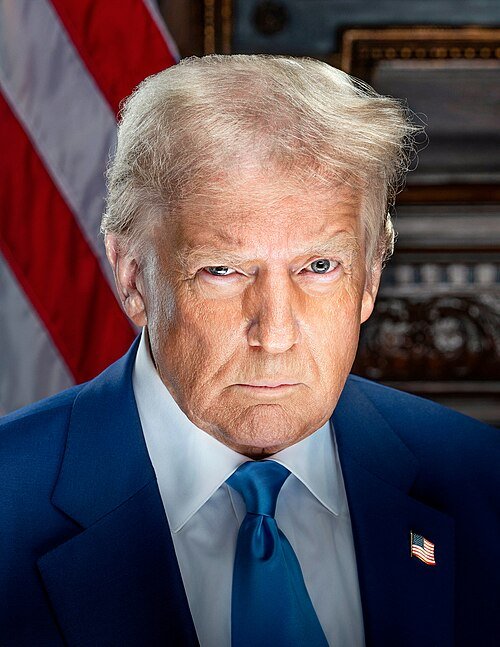
President Donald Trump has downplayed rising U.S. gasoline prices triggered by the ongoing military operation against Iran. In an exclusive Reuters interview on Thursday, he prioritized the campaign over fuel costs, stating that any price increases are temporary and less important than national security goals. Read More: https://theboardroompk.com/china-presses-iran-for-safe-passage-of-oil-and-gas-through-strait-of-hormuz/ Trump’s Blunt Response to Price Hikes Trump said he had “no concern” about higher pump prices. He remarked, “They’ll drop very rapidly when this is over, and if they rise, they rise, but this is far more important than having gasoline prices go up a little bit.” He claimed prices “haven’t risen very much” and predicted a quick rebound once the conflict ends. Military Priority and No SPR Release The president ruled out tapping the Strategic Petroleum Reserve, expressing confidence that the Strait of Hormuz would stay open. He noted Iran’s navy has been “rendered ineffective” by U.S. actions. Trump estimated the operation would last four to five weeks. National average gas prices have climbed 27 cents in a week to $3.25 per gallon, per AAA data, amid a 16% jump in global oil prices since strikes began on Saturday. The comments mark a shift from Trump’s recent boasts about low gas prices in his State of the Union address and a Texas energy rally. White House officials are exploring short-term measures like federal tax holidays and naval escorts for tankers, but Trump emphasized the geopolitical stakes outweigh economic discomfort. Rising costs pose risks for Republicans ahead of midterms, with voters sensitive to living expenses.

Scroll to Top