Business

NBP Dividend Delay Raises Investor Concerns Despite Record Profit
Business

NBP Dividend Delay Raises Investor Concerns Despite Record Profit

Shareholders of National Bank of Pakistan continue to wait for their long-awaited NBP dividend, even after the bank announced a historic payout nearly two months ago. The delay has triggered concern across the market. However, officials suggest that the issue is administrative rather than financial. Read More: https://theboardroompk.com/strait-of-hormuz-scam-alert-fake-messages-target-ships-as-blockade-disrupts-global-trade/ Record Profit and Historic Dividend Announcement NBP delivered an exceptional financial performance for the year ending December 31, 2025. The bank reported a profit after tax of Rs85.91 billion. This marked a more than threefold increase compared to the previous year. Following this strong result, the bank announced a final cash dividend of Rs35 per share, representing a 350 percent payout. The board approved this dividend on February 24, 2026. Later, shareholders endorsed it during the 77th Annual General Meeting held on March 31, 2026. Investors who held shares as of March 17 became eligible for the payout. Under normal corporate procedures, payments would follow shortly after such approvals. However, that has not happened in this case. State Ownership Slows the Process The delay in the NBP dividend does not stem from weak finances or liquidity constraints. Instead, it reflects the unique structure of state-owned institutions. As a government-controlled bank, NBP must secure federal approval before releasing dividends. This requirement originates from the Banks (Nationalization) Act 1974. Under this law, profit distribution by nationalized banks requires clearance from the federal government. This adds an additional step beyond standard corporate governance processes. Typically, the approval comes through the federal cabinet or the Ministry of Finance. In this case, no cabinet meeting has taken place since April 8. Meanwhile, Shehbaz Sharif has remained engaged in diplomatic commitments. As a result, the approval process has stalled. Legal Position Remains Intact From a legal perspective, the delay does not yet violate corporate laws. The Companies Act 2017 requires companies to pay dividends within 15 working days of declaration. However, in NBP’s case, the declaration is considered incomplete until the government grants approval. This means the statutory timeline has not officially started. Therefore, the bank remains compliant with legal requirements. Still, the situation highlights how regulatory frameworks can affect investor experience in state-owned entities. Market Sentiment Faces Pressure Despite legal clarity, the delay has raised concerns among investors. Shareholders locked in their positions by mid-March. The bank has already realized its earnings. Moreover, shareholders have formally approved the payout. Yet the funds remain undistributed. This gap between financial performance and payout execution has created uncertainty. Investors rely on predictable returns, especially in dividend-heavy stocks. When delays occur, confidence can weaken. The situation also reflects broader governance challenges. State-owned enterprises often face procedural delays due to multiple layers of approval. In contrast, private sector companies usually process dividends more quickly. Impact on Pakistan Stock Exchange The delay in the NBP dividend could influence sentiment at the Pakistan Stock Exchange. Timely payouts play a key role in maintaining investor trust. When large institutions face delays, it can ripple across the market. NBP holds a significant position in the banking sector. Therefore, any uncertainty surrounding its payouts attracts attention. Analysts believe such episodes may discourage short-term investors who prioritize consistent cash flows. However, some experts argue that the issue is temporary. They point out that once the government grants approval, the payout should proceed without further complications. Still, the delay has already highlighted inefficiencies in administrative processes. Administrative Delay Not Financial Weakness Market observers emphasize that the bank remains financially strong. The record profit clearly demonstrates its capacity to pay dividends. Therefore, the delay should not be interpreted as a sign of financial instability. Instead, it reflects how government oversight can slow decision-making. While such oversight aims to ensure transparency and accountability, it can also create bottlenecks. In fast-moving financial markets, these delays can carry reputational costs. What Investors Should Expect Investors now await the next federal cabinet meeting. Once approval is granted, the bank is expected to release the NBP dividend promptly. Until then, the market will likely remain cautious. The episode serves as a reminder of the structural differences between state-owned and private institutions. While both operate under the same market conditions, their internal processes can vary significantly. For now, the focus remains on when the government will finalize its approval. Until that happens, shareholders of NBP must continue to wait for one of the largest payouts in the bank’s history.

Zong & PAA Redefine Travel Connectivity with Pakistan’s First 5G Facilitation & Sales Kiosk at Islamabad International Airport
Business

Zong & PAA Redefine Travel Connectivity with Pakistan’s First 5G Facilitation & Sales Kiosk at Islamabad International Airport

ISLAMABAD, April 21, 2026 – Zong, Pakistan’s leading technology service enterprise, has set a new industry benchmark by launching the country’s first dedicated 5G Customer Facilitation & Sales Kiosk at Islamabad International Airport. This milestone has been achieved through the collaborative efforts of Zong and the Pakistan Airports Authority (PAA) and forms part of a key initiative to modernize indoor airport facilities and introduce 5G-ready solutions for passengers. Read More: https://theboardroompk.com/same-platform-different-price-what-explains-the-rs1-million-gap-for-suv-buyers-in-pakistan/ As mobility and digital reliance converge, airports have become high-intensity connectivity zones where instant access to digital services is no longer optional; it is essential. This initiative underscores Zong’s leadership in next-generation connectivity and marks a strategic step in embedding 5G into Pakistan’s most critical transit ecosystems. Zong is addressing a critical moment in the travel journey: the transition from arrival to real-world connectivity. By enabling immediate access to high-speed services upon arrival, it ensures passengers can seamlessly connect to essential digital tools, including real-time communication for instant connectivity upon landing, navigation and logistics through high-speed data for ride-hailing and digital maps, digital payments with seamless integration into Pakistan’s digital ecosystem and operational flow support for timely decision-making and smooth passenger movement through the terminal; expectations Zong fulfills through its on-ground facilitation model, delivering speed, reliability, and convenience exactly when it matters most. Commenting on the initiative, Faheem Durrani, Head of Sales and Distribution, Zong, said, “Airports are critical digital touchpoints where immediate and reliable connectivity is essential. This initiative enables travelers to seamlessly integrate into Pakistan’s digital ecosystem from the moment they arrive. By strengthening our presence at key transit hubs, we are delivering connectivity where demand is most immediate and impactful.” The Director General of Pakistan Airports Authority (DGPAA) stated, “This development reflects our broader strategy to modernize airport infrastructure across Pakistan and integrate advanced digital capabilities into the aviation ecosystem. Initiatives like this 5G deployment at Islamabad International Airport are an important step toward building smarter, more connected airports that align with global aviation standards and future demand.” The realization of this 5G-ready ecosystem is a testament to the seamless collaboration between the Zong and the Pakistan Airports Authority, especially Director General PAA, Deputy Director General PAA (Airports) HQPAA, and Director Commercial & Estate HQPAA for their institutional support, along with the Airport Manager – COO and Senior Joint Director Commercial of Islamabad International Airport for their critical on-ground facilitation Zong’s 5G strategy is anchored in delivering ultimate customer experience, a diversified products & services portfolio, and AI Enablement. Building on the successful deployment in Islamabad, Zong, in collaboration with the Pakistan Airports Authority (PAA), plans to scale this initiative to other major aviation hubs, including Lahore and Karachi, further accelerating Pakistan’s digital transformation and reinforcing its position as a connected, future-ready nation.

Pakistani freelancers Earn Over $850 million in Jul-Mar
Business

Pakistani freelancers Earn Over $850 million in Jul-Mar

KARACHI: Pakistani freelancers is enhancing their contribution in global freelancing market, bringing in over $850 million foreign exchange reserves in the country by the end of third quarter of the current financial year despite multiple challenges and issues of internet disruption and electricity loadshedding. Read More: https://theboardroompk.com/same-platform-different-price-what-explains-the-rs1-million-gap-for-suv-buyers-in-pakistan/ According to State Bank of Pakistan (SBP), freelancers of computer and IT services fetched $856 million by the end of third quarter of the current financial year 2025-26 as compared to $567 million reported in a similar period of the last financial year, showing a handsome 50% growth or $289 million record upsurge. Pakistan Freelancers Association (PAFLA) Ibrahim Amin said that hundreds of thousands of individuals trained by public sector initiatives and non-governmental organizations are entering the freelancing market each month, boosting the country’s foreign exchange earnings. In this regard, the role of institutions is crucial in development of freelancing ecosystem in the country, including Ministry of IT and Telecommunication, Pakistan Software Export Board, and the Special Investment Facilitation Council in developing a supportive ecosystem for freelancers. He urged the government and internet service providers to ensure uninterrupted and high-speed internet services across Pakistan to support the digitally-connected economy, including freelancers and gig economy workers nationwide. According to the Asian Development Bank, Pakistan is home to over 2.37 million freelancers, ranking among the top countries globally in terms of freelance workforce size. To address these issues, he suggested that the government introduce satellite-based internet solutions as an alternative, ensuring reliable connectivity and minimizing disruptions caused by submarine cable faults. The PAFLA chairman expressed optimism that the rollout of 5G technology will significantly improve internet speeds in near future, enhancing the productivity of freelancers, content creators, and other online professionals across the country. Dr Noman Said, a freelancers coach, said the freelancers’ contribution to the economy is visible despite multiple challenges and issues of infrastructure. The freelancing community could play a pivotal role to aid in economic stability and reducing unemployment in the country. Our freelancers should upskill themselves with emerging technologies and in-demand fields, including AI and cybersecurity to remain competitive and valuable at global level, he further stated. He mentioned that Pakistan’s over 60 percent population is consisting of youth, whom will be the country’s assets if the government and the private sector will invest in their capacity building based on a concrete plan or a roadmap. The government should further facilitate freelancers to reduce their payment and regulatory issues and encourage them to form small or medium sized firms through business-friendly policies, which will help them progress in a growing direction, he further said.

The Magnum Ice Cream Company Appoints Mert Turgut as General Manager Pakistan
Business

The Magnum Ice Cream Company Appoints Mert Turgut as General Manager Pakistan

The Magnum Ice Cream Company has announced the appointment of Mert Turgut as General Manager Pakistan, effective earlier this year. The appointment supports the company’s ongoing evolution as a standalone global ice cream business, focused on accelerating competitive growth, improving productivity, and re-investing in its brands and capabilities. Mert brings more than 15 years of experience across consumer goods and ice cream, including a progression of leadership roles within Unilever’s global ice cream operations. His career spans diverse markets, including Turkey and Morocco, and includes prior experience in Pakistan, where he led a successful transformation of the Wall’s business. Since assuming the role, Mert has focused on strengthening in market execution, refining routes to market and ensuring decisions are grounded in consumer insights and market dynamics in Pakistan, where consumption patterns are established but continue to evolve in emerging occasions. “With its scale, resilience and talent, Pakistan holds incredible potential,” said Mert Turgut. “I’m thrilled to lead The Magnum Ice Cream Company in this market and excited to bring future-focused, joyful ice cream experiences to more consumers.” Looking ahead, Mert will focus on expanding accessible ice cream experiences, growing the category across every day and on the go occasions, and strengthening the company’s long term presence in Pakistan.

inDrive Joins World Economic Forum’s Unicorn Community
Business

inDrive Joins World Economic Forum’s Unicorn Community

Karachi: The mobility platform inDrive has officially joined the World Economic Forum’s Unicorn Community. By becoming part of this community, inDrive aims to bring the perspective of emerging markets like Pakistan into global discussions on digital equity. Read More: https://theboardroompk.com/pakistan-ethiopia-agree-to-expand-trade-joint-ventures-and-tourism-cooperation/ The platform’s participation will focus on promoting fair access to services and expanding economic opportunities, while challenging algorithmic injustice through its “fairness-first” model. According to inDrive’s founder and CEO, Arsen Tomsky, “Joining the World Economic Forum’s Unicorn Community is a significant milestone for us as we continue to expand our global presence and impact. Our mission has always been to challenge injustice by giving people more control over their choices. We look forward to working with the Forum to contribute to discussions on building more inclusive, transparent, and fair digital economies—especially in fast-growing and underserved markets.” Membership in the World Economic Forum’s community will also support broader economic inclusion and enable the platform to promote non-profit initiatives such as empowering women entrepreneurs, as well as advancing education and digital literacy.

Pakistan, Ethiopia Agree to Expand Trade, Joint Ventures and Tourism Cooperation
Business

Pakistan, Ethiopia Agree to Expand Trade, Joint Ventures and Tourism Cooperation

Islamabad: April 20, 2026: Federal Minister for Commerce Jam Kamal Khan and H.E. Dr. Oumer Hussein Oba held a detailed meeting to explore new avenues for strengthening bilateral trade, industrial collaboration, and regional connectivity between Pakistan and Ethiopia, with a particular focus on expanding engagement across African markets. Read More: https://theboardroompk.com/pakistans-first-pkr-3-billion-aaa-rated-green-sukuk-for-telecom-sector-launched/ During the meeting, both sides expressed satisfaction over the growing momentum in Pakistan–Ethiopia relations and emphasized the need to transform this engagement into practical, results-oriented partnerships. The Commerce Minister highlighted that recent bilateral interactions have created a “fresh foundation” to jointly explore not only each other’s markets but also broader opportunities across Africa. The Minister proposed organizing a multi-country business forum in Islamabad, inviting East African nations to witness Pakistan’s industrial capabilities firsthand. He stressed that direct exposure would help reshape global perceptions about Pakistan and unlock new trade and investment partnerships. Highlighting Pakistan’s strengths, the Minister underscored the country’s robust small and medium enterprise (SME) sector, which produces a wide range of goods including home appliances, engineering products, agricultural machinery, and consumer goods. He specifically emphasized the strong potential for cooperation in agriculture, engineering industries, and tractors, noting that Pakistan has developed significant expertise in these sectors which can support mechanization and productivity in African economies. A key area of discussion was the cosmetics and personal care industry, where the Minister noted significant growth in Pakistan over the past four to five years. He proposed joint ventures between Pakistani and Ethiopian firms in cosmetics, perfumes, and related products to tap into rising consumer demand in both regions. Referring to Pakistan’s industrial success stories, the Minister invited the Ethiopian delegation to visit Sialkot, describing it as a unique example of private-sector-led development. He noted that the city’s business community, led by the Sialkot Chamber of Commerce and Industry, has independently built infrastructure including an international airport. Sialkot remains a global hub for sports goods, surgical instruments, leather, and footwear, with exports reaching billions of dollars annually, including to the European Union. On trade logistics, the Minister stressed the importance of improving connectivity and reducing reliance on third-country transshipment hubs such as Jebel Ali Port. He proposed enhancing direct maritime links through feeder vessels to African ports, which could significantly reduce transit time from over 10–12 days to just 2–3 days. He further highlighted Pakistan’s geographic advantage, particularly Karachi, as a gateway for African exports to Central Asia through regional maritime corridors including Djibouti Port. The Federal Minister also highlighted the immense tourism potential in both countries, stating that Ethiopia’s natural beauty and climate are “truly amazing,” while Pakistan remains a “sleeping giant” in tourism. During the discussion, H.E. Dr. Oumer Hussein Oba informed the Minister that a Single Country Exhibition of Ethiopia is planned to be held in Islamabad by the end of this year, following the successful exhibition earlier organized in Ethiopia. The Commerce Minister welcomed the initiative and appreciated the success of the previous exhibition, terming it an important step toward strengthening bilateral trade ties. The Ambassador further shared that Ethiopian Airlines is planning to start direct flights to Lahore, which will significantly enhance business-to-business (B2B) linkages, improve connectivity, and promote cultural exchange between the two countries. The Ethiopian side appreciated Pakistan’s economic progress and acknowledged the country’s skilled human resource base and strong hospitality sector. Dr. Oba emphasized that human capital remains the most critical resource and called for deeper cooperation in education, skills, and institutional development. Both sides agreed that Pakistan and African countries stand at a pivotal moment, where diversification, industrial cooperation—including agriculture, engineering, and tractor manufacturing—tourism promotion, and practical business engagement can unlock significant economic opportunities. They reaffirmed their commitment to enhancing bilateral trade, promoting joint ventures, and developing a long-term, quality-driven economic partnership.

Pakistan SADC Chamber of Trade Federation and ABAD Join Hands for Pak-Africa Trade & Investment Conference 2026 in Karachi
Business

Pakistan SADC Chamber of Trade Federation and ABAD Join Hands for Pak-Africa Trade & Investment Conference 2026 in Karachi

Karachi, Pakistan The Pakistan SADC Chamber of Trade Federation (PSCTF) and the Association of Builders and Developers of Pakistan (ABAD) convened a high-level meeting to discuss strategic collaboration for the upcoming Pak-Africa Trade and Investment Conference 2026, scheduled to be held in Karachi. PSCTF delegation under leadership of Syed Moizuddin Senior Vice President (Pakistan Chapter) and Noor Afsha Baloch President Baluchistan and Women Wing (Pakistan Chapter), Muhammad Shafiq, Sheikh Aqeel, Sadiq Kareem and other members met with Chairman ABAD Hassan Bakshi, Vice Chairman ABAD Tariq Aziz , Chairman SR Ovais Thanvi, Former Vice Chairman A.K. Adia and others met for focusing on strengthening economic ties between Pakistan and African nations, with particular emphasis on trade, infrastructure development, real estate, and investment opportunities. During the session, both parties expressed a shared commitment to fostering sustainable partnerships between Pakistani and African businesses. Discussions highlighted the importance of creating platforms that facilitate B2B engagements, joint ventures, and knowledge exchange in key sectors such as construction, housing, energy, and urban development. Representatives from PSCTF emphasized the growing potential of African markets and underscored the role of the conference in connecting Pakistani exporters, investors, and developers with emerging opportunities across the African continent. ABAD leadership reaffirmed its support in mobilizing Pakistan’s construction and development sector to actively participate in the conference and explore cross-border collaborations. Both organizations agreed to work closely on: Coordinating sector-specific sessions during the conferenceEncouraging participation from industry stakeholdersPromoting investment-friendly policies and partnershipsShowcasing Pakistan’s expertise in construction and infrastructure development The Pak-Africa Trade and Investment Conference 2026 aims to serve as a landmark platform for enhancing bilateral trade, strengthening diplomatic and economic relations, and unlocking new avenues for mutual growth. The meeting concluded with a mutual understanding to establish a joint working group that will oversee planning, coordination, and execution of conference-related activities. About PSCTF:The Pakistan SADC Chamber of Trade Federation is dedicated to promoting trade, economic cooperation, and investment between Pakistan and the Southern African Development Community (SADC) member states. About ABAD:The Association of Builders and Developers of Pakistan is the leading representative body of the country’s real estate and construction sector, playing a pivotal role in shaping housing and infrastructure development.

KSE-100 Index Rally Powers Pakistan Stock Exchange to Strong Weekly Close
Business

KSE-100 Index Rally Powers Pakistan Stock Exchange to Strong Weekly Close

The KSE-100 Index rally dominated market headlines as stocks at the Pakistan Stock Exchange surged sharply on Friday, extending the bullish momentum witnessed throughout the week. Investor confidence strengthened amid improving global sentiment, easing oil prices, and continued financial backing from Saudi Arabia, pushing the benchmark index to a powerful close. The KSE-100 Index ended the session at 173,939.01 points, gaining 4,027.06 points, reflecting a 2.37 percent increase. The market remained firmly positive throughout the day, indicating sustained buying interest from both institutional and retail investors. During intraday trading, the index touched a high of 174,404.03 points and a low of 170,758.25 points, highlighting strong upward momentum despite minor fluctuations. KSE-100 Index Rally Driven by Strong Banking and Energy Stocks The KSE-100 Index rally was largely supported by heavy buying in banking, oil and gas, and cement sectors. Commercial banks emerged as the biggest contributors, adding nearly two thousand points to the index. Oil and gas exploration companies also provided strong support, followed by cement, power generation, and pharmaceutical stocks. Among individual performers, National Bank of Pakistan posted a maximum gain of 10 percent, while Ghani Glass recorded over 9 percent growth. Bank of Punjab also surged above 9 percent. Other notable gainers included Haleon and United Bank Limited, both contributing significantly to overall market strength. On the downside, only limited pressure was observed. Murree Brewery declined slightly by nearly two percent, while minor losses were seen in Mehmood Textile, TRG Pakistan, Engro Fertilizers, and Unilever Pakistan Foods. However, these declines were not enough to impact the overall bullish tone. KSE-100 Index Rally Supported by Record Trading Activity Trading volumes strengthened considerably during the session, reflecting heightened investor participation. More than 704 million shares were traded within the KSE-100 Index alone. Market breadth remained overwhelmingly positive, with 86 companies closing higher and only 14 declining, signaling broad-based buying across sectors. In the broader market, the All-Share Index also performed strongly, closing above 103,800 points after gaining over 2,400 points. Total market volume crossed 1.44 billion shares, while traded value reached approximately 67.99 billion rupees. Out of 486 companies traded, 354 advanced, 101 declined, and 31 remained unchanged, confirming strong bullish momentum. The most actively traded stocks included Bank of Punjab, K-Electric, Treet Corporation, Unity Foods, WorldCall Telecom, Pak Elektron, and Hascol Petroleum. Bank of Punjab led volumes with more than 153 million shares traded, followed by K-Electric with over 134 million shares. Global Factors Fuel KSE-100 Index Rally The KSE-100 Index rally gained further strength from easing global oil prices. Declining crude prices improved sentiment in energy-importing economies such as Pakistan, boosting investor risk appetite. Market participants viewed the decline in oil prices as positive for inflation outlook and external account stability. Additionally, optimism increased after statements suggesting de-escalation of geopolitical tensions in the Middle East. Expectations that the Iran-related conflict could wind down supported global equity markets, which also influenced sentiment at the Pakistan Stock Exchange. Saudi Financial Support Boosts Investor Confidence Domestic sentiment received a major boost after Pakistan secured continued financial support from Saudi Arabia. Both countries agreed to extend a three billion dollar deposit facility placed with the State Bank of Pakistan. This move reinforced Pakistan’s external financing position and eased concerns about foreign exchange reserves. The announcement strengthened confidence among investors who viewed the extension as a sign of continued international backing. Banking stocks responded positively, further accelerating the KSE-100 Index rally. Fiscal Year Performance Highlights Strong Momentum Despite minor volatility earlier in the calendar year, the KSE-100 Index has gained more than 48,000 points during the current fiscal year, representing an increase of over 38 percent. However, on a calendar year basis, the index remains nearly flat with a marginal decline, indicating that recent gains are helping offset earlier losses. Analysts believe continued foreign support, stable macroeconomic indicators, and easing global commodity prices could sustain the bullish trend in coming sessions. Outlook: Will the KSE-100 Index Rally Continue Market experts expect the KSE-100 Index rally to remain intact if macroeconomic stability continues and foreign inflows improve. Banking, cement, and energy sectors are likely to remain in focus, while investor attention may also shift toward upcoming economic data and policy announcements. With strong volumes, positive breadth, and improving global sentiment, the Pakistan Stock Exchange closed the week on a highly optimistic note, setting the stage for potential further gains.

Pakistan–EU Business Forum Set for April 28–29 Featuring GSP+ Scheme and B2B Engagements
Business

Pakistan–EU Business Forum Set for April 28–29 Featuring GSP+ Scheme and B2B Engagements

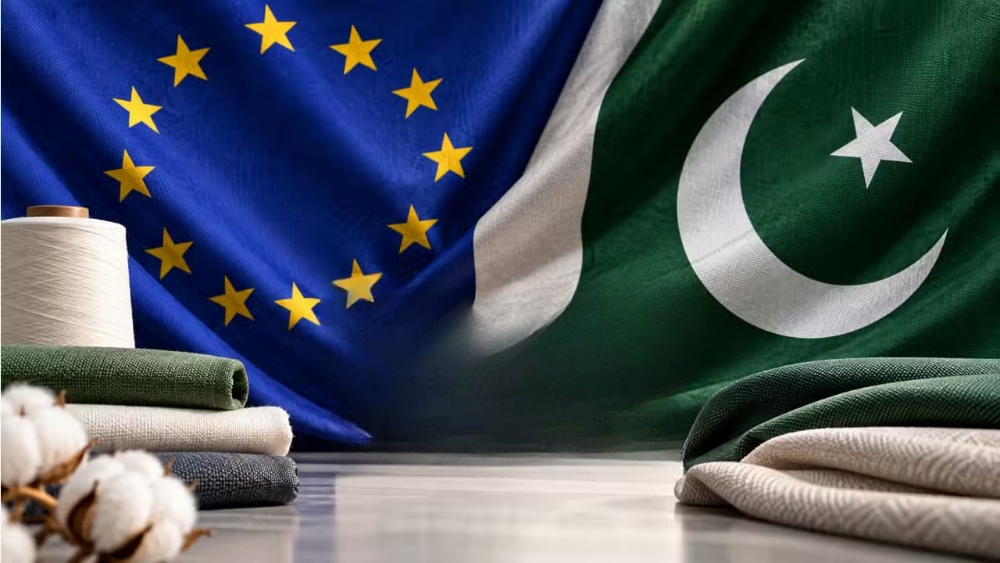
Islamabad, April 17, 2026: Federal Minister for Commerce Jam Kamal Khan held a detailed meeting with Raimundas Karoblis to discuss strengthening Pakistan–European Union economic relations, with a particular focus on the upcoming Pakistan–EU Business Forum—scheduled to be held on April 28–29, 2026, in Islamabad—and the continued importance of the GSP Plus scheme. Read More: https://theboardroompk.com/why-phevs-not-evs-are-winning-the-first-round-of-electrification-in-emerging-markets/ The meeting underscored that the Pakistan–EU Business Forum will serve as a major platform to deepen trade and investment cooperation. Both sides highlighted that the forum is expected to bring together a large number of participants, including government representatives, business leaders, and institutional stakeholders from Pakistan and across the European Union. It was noted that the event will feature extensive business-to-business (B2B) engagements, with hundreds of meetings planned between Pakistani and European companies. These interactions are aimed at fostering direct partnerships, facilitating investment flows, and identifying new avenues for collaboration across key sectors. The Minister emphasized that the forum comes at a critical time and presents an opportunity for Pakistan to project a strong, business-friendly image globally. He reiterated the government’s commitment to providing full support to ensure the success of the event, including facilitation for international participants and expanding B2B engagement opportunities where required. Both sides also discussed the possibility of making such engagements more regular, transforming the forum into a sustained platform for continuous dialogue between Pakistani and European businesses. The importance of maintaining momentum between forums through structured engagement mechanisms was also highlighted. A key area of discussion remained the European Union’s GSP+ scheme, which continues to play a vital role in supporting Pakistan’s exports to EU markets. European representatives acknowledged Pakistan’s progress and noted that the scheme has significantly contributed to enhancing export opportunities, particularly in sectors such as textiles. The Minister stressed that Pakistan remains committed to fulfilling all requirements under the GSP+ framework and views it as a cornerstone for strengthening bilateral trade. He highlighted that maintaining and optimizing the benefits of GSP+ is essential for sustaining export growth and improving competitiveness in international markets. Discussions also touched upon Pakistan’s ongoing tariff rationalization efforts, with the government working towards reducing duty structures to facilitate imports of raw materials and intermediate goods. European partners welcomed these measures, noting that efficient import policies are crucial for boosting export performance and strengthening industrial supply chains. The meeting further explored opportunities to enhance investor confidence by improving predictability, transparency, and policy consistency. European stakeholders emphasized the importance of a stable and conducive business environment to attract long-term investments. Additionally, the potential for broader regional collaboration was discussed, including the possibility of engaging Gulf-based partners in future initiatives to create trilateral investment opportunities involving Pakistan, the European Union, and the Gulf region. Both sides agreed that Pakistan offers significant potential for European businesses, with a growing market, strategic location, and expanding industrial base. They reaffirmed their commitment to strengthening institutional cooperation, enhancing private-sector linkages, and leveraging upcoming platforms to unlock new economic opportunities. The meeting concluded with a shared resolve to further deepen Pakistan–EU trade and investment relations, maximize the benefits of GSP+, and ensure that the upcoming Business Forum delivers tangible outcomes for businesses on both sides.

SM Tanveer Urges Unity, Investment Repatriation to Boost Pakistan’s Economy at Karachi Business Gathering
Business

SM Tanveer Urges Unity, Investment Repatriation to Boost Pakistan’s Economy at Karachi Business Gathering

Traders and Industrialists Should Repatriate Capital to Improve the National Economy, SM Tanveer Crime Being Controlled Through Modern Policing and Reforms, IG Sindh Javed Alam Odho Business Community Must Be Given a Central Role in Economic Improvement, KATI President Muhammad Ikram Rajput Reduction in Gas and Electricity Tariffs Can Boost Business Activity and Revive the Industrial Sector, Khalid Tawab and Arif Habib KARACHI: Patron-in-Chief of United Buisness Group (UBG) and Korangi Association of Trade and Industry (KATI) S. M. Tanveer stressed the need for coordinated efforts to strengthen Pakistan’s economy, improve the investment climate and restore confidence in the business sector. Read More: https://theboardroompk.com/nbp-appoints-cricket-legend-shahid-afridi-as-sports-consultant/ Speaking at a dinner hosted by prominent industrialist and Chairman of United Business Group Sindh, Khalid Tawab, in honour of Inspector General of Police Sindh Javed Alam Odho and KATI leadership led by President Muhammad Ikram Rajput. SM Tanveer, said the government is fully aware of the tax-related and other problems confronting traders and industrialists and is working to facilitate them. He added that several positive measures are expected in the upcoming budget, which would likely benefit the business community. The event was attended by FPCCI President Atif Ikram Sheikh, UBG President Zubair Tufail, Mian Zahid Hussain, Senator Abdul Haseeb Khan, businessman Arif Habib, Abdul Sammi Khan, Deputy Commissioner Korangi Masood Bhutto, KATI Vice President Syed Talha Ali, Former chairmen KATI Farhan-ur-Rehman, Ehtishamuddin, Zahid saeed, Syed Farukh Mazhar, Rashid Ahmed Siddiqui, Junaid Naqi, Add. DG-FIA Mujahid Akber, DIG Traffic Pir Muhammad Shah, DIG Asim Kaimkhani, Ameen Farooqi, Olympian Islahuddin, Farhan Hanif, Hyderabad Chamber representative Iqbal Hussain Baig, Hamza Tabani, Najmuddin and a large number of traders and industrialists. SM Tanveer said he has been touring the country under the federation’s platform to help formulate a practical strategy for improving the economy. He stated that Pakistan is in safe hands and that everyone must play their part in the country’s progress. “The country today needs unity and solidarity,” he said, adding that just as national cohesion was visible in Iran, Pakistan too needs a similar spirit of collective commitment to achieve economic recovery and prosperity. He urged traders and industrialists to bring their capital back to Pakistan, saying that while their businesses operate in the country and their children study here, they often transfer their wealth abroad, which harms the national economy. “If we truly love our country, we should bring our money back to Pakistan,” he remarked. He said the government is soon introducing economic policies that will encourage business activity and create a more conducive environment for investment. Addressing the gathering, IG Sindh Javed Alam Odho paid rich tribute to the late SM Muneer, calling him his benefactor and saying he would always remember him. He noted that policing systems around the world are changing, and Sindh Police is also undergoing reforms to modernize its operations. He said the use of drone surveillance in the katcha areas has led to significant improvements in law and order. According to him, several dacoits from the katcha areas have surrendered to the authorities, which he credited to an effective police strategy.Odho said the police force faces challenges due to the low educational level of many personnel, making it difficult to match the performance standards of developed countries. He added that better results could be achieved by improving the balance between officers and constables. Referring to his previous posting in Dadu, he said kidnapping incidents were once common there, but through different strategies the police managed to control crime and restore peace. He added that the force is now focusing on Safe City projects, digitization, technology integration and traffic reforms. He said the absence of criminal incidents on the Motorway and Indus Highway during Eid was evidence of the effective use of modern technology. KATI President Muhammad Ikram Rajput said Pakistan is gaining importance at the global level, with major international decisions now increasingly appearing to be made in Islamabad. He said this has also enhanced the value of the Pakistani passport.Rajput praised the efforts of Sindh Police under Javed Alam Odho for eliminating dacoits from the katcha areas, saying the improvement in law and order is commendable. He added that the business community should be given greater opportunities to play an active role in the national economy, as the private sector is vital for economic growth. He described SM Tanveer as a capable and experienced leader who, if given a higher platform, could help make Pakistan an economic “Asian Tiger.” Rajput said it had long been his wish to see himself as KATI president and Javed Alam Odho as IG Sindh, adding that both wishes have now been fulfilled.Prominent businessman Arif Habib said Pakistan’s economy is currently facing challenges, but improvement in the government’s financial account is a positive sign. He added that if gas and electricity tariffs are reduced, business activity could improve significantly and the industrial sector could become active again. He said the business community stands shoulder to shoulder with the government in efforts to stabilize the economy and is ready to extend every possible form of support.Earlier, Khalid Tawab said Pakistan is moving toward development and that several proposals for improving the economy were presented during a meeting with Interior Minister Mohsin Naqvi at the Federation House, with positive outcomes expected if they are implemented. Tawab said Pakistan’s external debt burden is not beyond management and that with sincere collective effort, dependence on institutions such as the IMF can be reduced. He also highlighted the traffic problems faced by citizens in Karachi during PSL matches due to restricted routes for team movement, urging the relevant authorities to devise a better strategy that keeps public convenience in mind.The event concluded with business leaders reaffirming their support for reforms aimed at economic stability, improved law and order and a stronger partnership between the state and the private sector.

Scroll to Top