
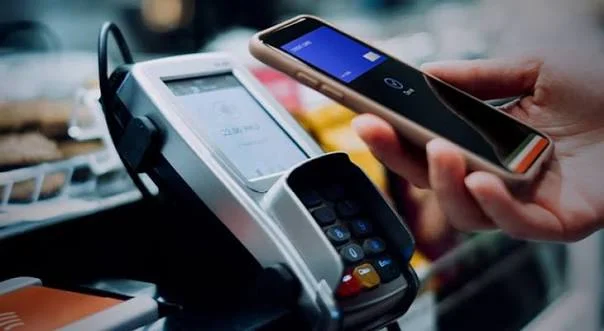
KARACHI: Pakistan’s digital transactions nearly doubled in fiscal year 2025-26, reaching around 12 billion from approximately 6.9 billion a year earlier. Meanwhile, mobile banking application users rose to around 137 million, according to the State Bank of Pakistan (SBP).
The SBP Governor’s Annual Report for FY26 identified mobile banking as the leading digital payment channel. It accounted for more than 90% of digital payments, highlighting the growing role of mobile applications in Pakistan’s financial system.
Fauji Fertilizer Struggles as Its DAP Market Share Falls to 46%
The central bank continued to support the government’s Cashless Pakistan Initiative and its own digital payments agenda under Vision 2028. Its efforts focused on expanding payment acceptance, strengthening merchant infrastructure and promoting digital public infrastructure. The SBP also worked to digitise government payments and receipts.
Raast Expansion Drives Digital Payment Adoption
The expansion of the Raast instant payment system further supported digital transactions during the year.
Registered Raast merchants reached 3.63 million by June 2026. More than 2.68 million merchants joined the network during FY26.
Person-to-merchant (P2M) transactions through Raast climbed sharply. They increased from around four million in FY25 to approximately 180 million in FY26.
Raast QR-enabled merchants also recorded significant growth. Their number rose from around 60,000 at the end of June 2025 to more than one million by the end of June 2026.
SBP Directs Financial Institutions to Expand Merchant Services
To accelerate digital payment adoption, the SBP instructed banks, microfinance banks and electronic money institutions to equip merchants with digital payment solutions.
These solutions include QR codes, point-of-sale terminals and online payment facilities.
The instructions also require financial institutions to offer at least one digital payment method when opening a new business account. They must progressively equip existing merchant portfolios with digital payment channels.
Digital Remittances Support Formal Banking Channels
Meanwhile, around 92% of home remittances went directly into beneficiaries’ bank accounts or digital wallets.
This approach supports lower-cost transfers through formal banking channels and strengthens the use of regulated financial services.
The SBP said these measures aim to create a more inclusive, innovative and secure financial system. They also seek to reduce the economy’s dependence on cash.
You may also like
-
Fauji Fertilizer Struggles as Its DAP Market Share Falls to 46%
-
Mughal’s Copper Business Suspended as High Prices Hit Sales
-
APTMA and German Importers Push Joint Sustainability Reporting
-
Mauritius Offers Promising Gateway for Pakistan’s Trade and Investment Opportunities: Dewan Muhammad Yousuf Farooqui
-
Pakistan Trade Delegation to Visit Maldives, Both Sides Agree on Priority Sectors