
Mughal Iron & Steel Industries Limited suspended its copper value-added business after prices climbed to around $14,000 per tonne, making operations commercially unviable.
The decision removed a key revenue stream and contributed to a 13% year-on-year decline in net sales during FY26.
Management opted to suspend the segment rather than continue operations at a loss.
High Copper Prices Make Operations Unviable
Elevated copper prices left limited room for viable margins in the company’s non-ferrous value-added business.
Continuing operations under these conditions risked further pressure on profitability, with no clear recovery path. The company therefore paused the segment to protect its overall financial position.
Copper Suspension Weighs on Net Sales
Mughal’s net sales fell 13% to PKR77.96 billion in FY26, compared with PKR89.41 billion in the previous year.
The absence of copper-related revenue was the main reason for the decline in overall sales.
Quarterly sales also remained lower in the final quarter compared with the corresponding period last year.
Ferrous Sales Volumes Record Growth
Despite the suspension of its copper business, Mughal recorded higher sales volumes in its ferrous segment.
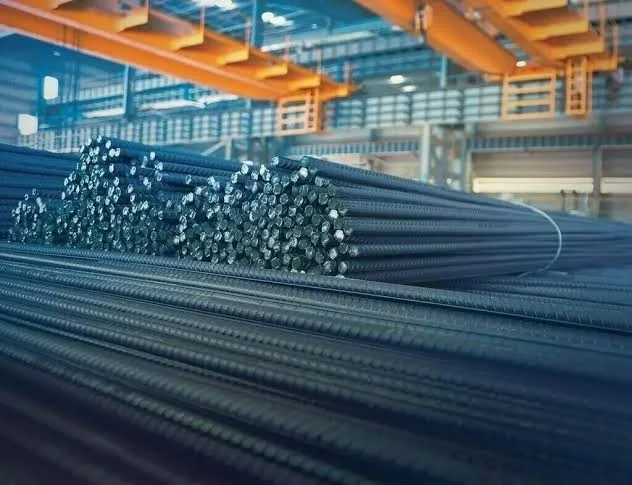
Girder sales reached 132,000 tonnes, marking a 12% increase. Rebar sales rose 3% to 200,000 tonnes.
Total ferrous volumes increased 7% to 375,000 tonnes. This growth helped lift the gross margin to 11.1% from 9.1% a year earlier.
Mill Upgrade and Coal Power Support Cost Efficiency
The completion of the Long Bar Mill’s business modernisation and replacement (BMR) improved production efficiency.
The upgrade also reduced raw material consumption as a share of the cost of goods sold to 78% from 82%.
Meanwhile, GEMMEL’s coal-fired power plant began commercial operations in August 2026. It supplies electricity at an estimated PKR1–2 per kilowatt-hour below grid costs.
These developments are expected to support cost management while the copper segment remains suspended.
Outlook: Corporate Contracts and Housing Demand
Mughal plans to expand corporate sales through contracts with the Frontier Works Organisation and other government entities.
Housing initiatives are also expected to support retail demand for rebar and billets.
The company will look to these opportunities to support its ferrous business while its copper operations remain on hold.
You may also like
-
Digital Transactions Surge to 12 Billion in FY26
-
Fauji Fertilizer Struggles as Its DAP Market Share Falls to 46%
-
APTMA and German Importers Push Joint Sustainability Reporting
-
Mauritius Offers Promising Gateway for Pakistan’s Trade and Investment Opportunities: Dewan Muhammad Yousuf Farooqui
-
Pakistan Trade Delegation to Visit Maldives, Both Sides Agree on Priority Sectors