
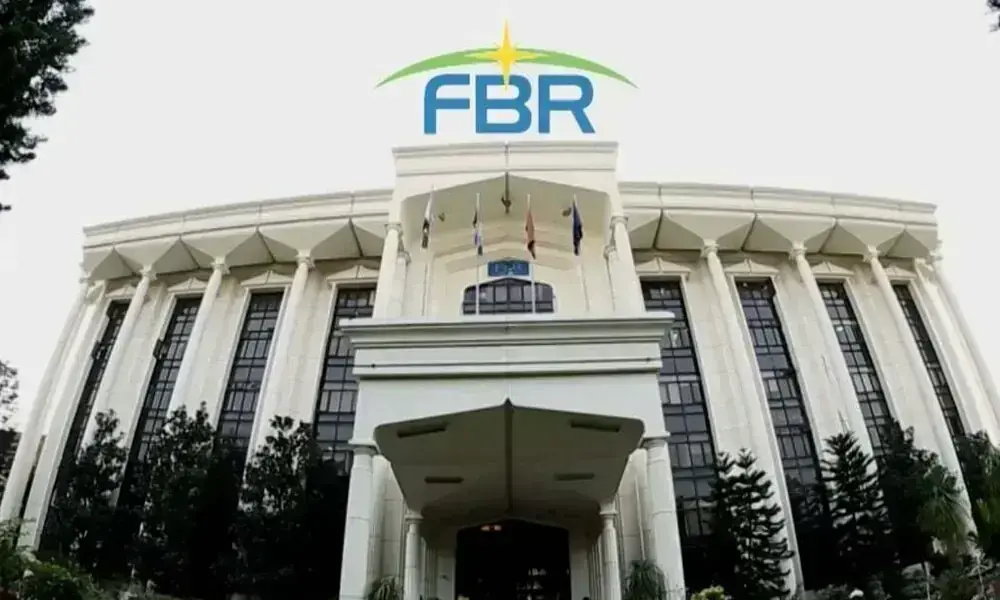
Businesses in Pakistan are increasingly being forced to navigate a tax administration where uncertainty appears to have become a recurring feature of policymaking. The Federal Board of Revenue (FBR) announces reforms, changes compliance procedures and expects the private sector to absorb the disruption. When businesses raise objections, they are too often treated as resistant to change. The result is a growing disconnect between the FBR’s claims of facilitation and the experiences of the businesses it is supposed to serve.
The dispute over Faceless Customs Assessment (FCA) illustrates the problem. The FBR has rejected concerns raised by the All Pakistan Textile Mills Association (APTMA) regarding clearance delays, valuation disputes and laboratory referrals, arguing that the figures cited by the industry largely reflect the initial months of implementation. According to the FBR, average clearance time has fallen from 40.2 hours to 20.57 hours, while 83% of consignments are cleared within 48 hours. Although these figures may indicate progress, they do not automatically address the industry’s complaints. Asking trade bodies to submit individual Goods Declaration numbers is no substitute for examining whether the system itself is creating avoidable difficulties.
The relocation of the Central Appraising Unit to Islamabad represents a significant restructuring of customs assessment. Such a move should have involved meaningful consultation with importers, exporters and manufacturers who must deal with its practical consequences. Although physical examinations and port operations remain in Karachi, separating assessment from port activities could create delays and coordination challenges.
The FBR’s insistence that the relocation is irreversible, alongside assurances that operational problems will be addressed, suggests that the decision has been settled before all concerns have been properly considered. This approach does little to build confidence in a reform intended to improve efficiency.
Similar concerns arise from the new procedure for collecting additional sales tax on electricity consumed by steel manufacturers using captive power or self-generation. The requirements include special payment challans, computerised receipts, records of electricity generation and consumption, and corresponding entries in sales tax returns.
Despite being issued on October 30, the General Order takes effect retrospectively from July 1, 2026. Businesses are therefore expected to comply with a procedure introduced months after its effective date. Such retrospective requirements make financial planning and regulatory compliance more difficult rather than creating a more predictable business environment.
Changes to duty drawback rates for textile, leather, engineering and miscellaneous exports add another layer of complexity. Exporters must follow detailed schedules, document imported inputs and meet specific deadlines to recover customs duties. While duty drawback can strengthen export competitiveness, its benefits are reduced when procedures become cumbersome or policy changes are introduced without adequate preparation. At a time when Pakistan urgently needs investment and export earnings, the government should be reducing barriers to production and trade rather than adding to them.
These developments point to a broader problem with institutional decision-making. Despite repeatedly falling short of revenue targets, the FBR’s response continues to involve additional directives, controls and compliance requirements. Meanwhile, allegations and reports of corruption within the tax machinery continue to emerge, weakening the credibility of an institution that demands greater transparency from taxpayers.
Before imposing further scrutiny on businesses, the FBR must demonstrate that its own systems are accountable, predictable and protected against abuse. An institution cannot reasonably expect complete confidence from taxpayers when questions about its own practices remain unresolved.
PSX Selling: KSE-100 Drops Over 2,200 Points as Profit-Taking Returns
The consequences for private investment are significant. Investors need clarity on tax rates, customs procedures and the regulatory requirements governing their projects. They cannot confidently commit long-term capital when official processes appear arbitrary, implementation dates are retrospective and stakeholder objections receive limited consideration. Regulatory uncertainty increases the cost of doing business and can encourage investors to delay projects, reduce their commitments or move capital elsewhere.
Digitalisation and customs modernisation are legitimate policy objectives. However, technology alone cannot compensate for inadequate consultation, weak implementation or an institutional culture that treats criticism as an obstacle.
The FBR’s reform agenda will remain counterproductive unless it consults stakeholders before issuing instructions, tests procedures before enforcing them and accepts responsibility when implementation fails. Pakistan needs a tax authority that supports economic activity and raises revenue through trust and voluntary compliance, rather than one that turns investment into a test of endurance.
You may also like
-
Textile Processing Industry Faces Gas and Water Shortages and Rising Electricity Costs, Says Rizwan Lakhani
-
Pakistan Debt: External Liabilities Rise 4% to $135.11 Billion, World Bank Reports
-
NBP Exchange Rates: National Bank of Pakistan Issues Friday Currency Bulletin
-
Gold Prices: Bullion Falls 1.1% as Oil Rebound Fuels Inflation Concerns
-
OIC Trade: Jam Kamal Calls for Stronger Economic Cooperation and Financing Access
1 thought on “FBR Reforms: Businesses Face Growing Uncertainty Over Tax and Customs Procedures”
Comments are closed.