

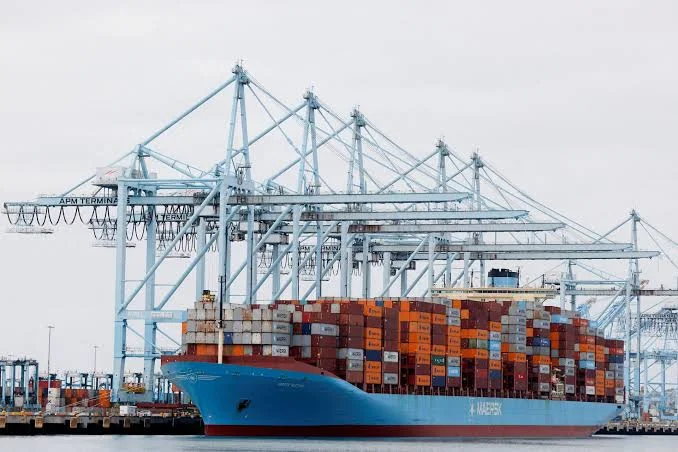
Higher freight rates, increased cargo volumes and longer-haul voyages helped a Pakistani shipping company raise its consolidated profit by 5% year-on-year to Rs21.5 billion in FY26.
Earnings per share reached Rs108.8 during the year. Improved margins and a lower effective tax rate offset higher financing costs and the absence of one-off gains recorded in the previous year.
Revenue Reaches Record Rs59.5 Billion
The company’s revenue surged 58% to an all-time high of Rs59.5 billion in FY26, compared with Rs37.6 billion a year earlier.
Cargo volumes increased 20% to 13.2 million tons from 11 million tons. Longer-haul voyages to Yanbu also supported growth. In addition, stronger freight and charter-out rates across tankers and bulk carriers boosted revenue.
Gross margin improved to 36.1% from 29.8% in FY25. Higher freight rates outpaced a 44% increase in fleet expenditure, supporting the improvement.
Fleet Costs and Taxation Shape Earnings
Fleet expenditure increased mainly due to higher foreign-flag charter hire, Rs2.8 billion in war-risk premiums and more expensive bunker fuel.
Depreciation on newly inducted vessels also added to costs.
Pakistan Oil Production Remains Flat as Gas Output Rises 6% Year-on-Year
However, the company’s effective tax rate fell to 7.3% from 12.2% in the previous fiscal year. This helped earnings increase despite the absence of Rs4.4 billion in vessel disposal gains recorded in FY25.
Three Tankers Expand Shipping Capacity
The company operates 13 vessels with a combined capacity of 996,683 deadweight tonnes (DWT). Its fleet includes eight tankers and five bulk carriers.
During FY26, it inducted three tankers: MT Karachi, MT Lahore and MT Quetta. Their combined acquisition cost stood at $193.2 million.
These additions reduced the average fleet age to 15.8 years from 18.2 years.
Management Plans Further Fleet Expansion
Management plans to acquire up to eight second-hand vessels to expand and modernise its fleet.
The proposed additions include container feeders, cellular container vessels, an Aframax/LR-2 tanker, an LNG carrier and a bunker tanker. The company aims to reduce its average fleet age to seven years by 2031.
It also plans to order a new container feeder from Karachi Shipyard. Additionally, management intends to explore opportunities in edible oil transportation across South and Southeast Asia.
Geopolitical and Regulatory Risks Remain
Management identified several risks that could affect future performance.
These include geopolitical disruptions around the Strait of Hormuz and Red Sea, freight-rate volatility and fluctuations in bunker fuel prices. Interest-rate movements could also affect financing costs.
Furthermore, evolving International Maritime Organization emission regulations and challenges in retaining seafarers remain important concerns for the shipping business.
You may also like
-
Mid-Career Job Opportunities Shrink in Karachi as Hiring Slows
-
Agha Steel Seeks Three-Year Principal Repayment Relief Amid Weak Demand
-
DG Khan Cement Plans Rs35 Billion Expansion, Targets Lower Energy Costs
-
Pakistan Oil Production Remains Flat as Gas Output Rises 6% Year-on-Year
-
Pakistan Working on 17 Privatisation Projects, Including Nine DISCOs and Three Airports
1 thought on “Higher Freight Rates Lift Shipping Company’s FY26 Profit to Rs21.5 Billion”
Comments are closed.