

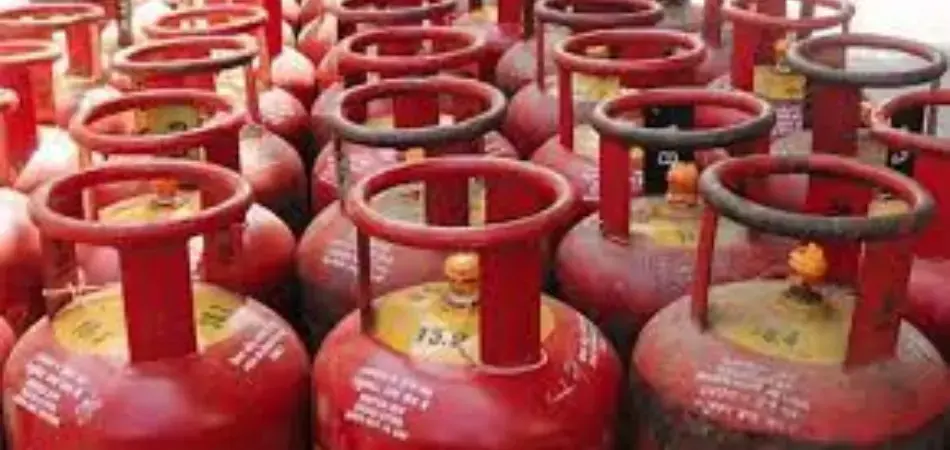
KARACHI: The Karachi LPG Distributors Alliance has raised concerns over Pakistan State Oil’s (PSO) announcement of an LPG price of Rs509 per kilogram, warning that the higher rate could encourage price increases across the local market.
In a statement issued on November 21, 2026, alliance chairman Imran Farooqi questioned the Oil and Gas Regulatory Authority’s (OGRA) decision to authorise PSO to determine LPG prices.
He expressed reservations over the Rs509 per kg rate displayed on PSO’s website, arguing that the announcement could influence retail prices despite LPG currently being sold at lower rates in Karachi.
LPG Currently Selling at Rs440–450 Per Kg
According to Farooqi, LPG distributors and shopkeepers in Karachi are currently supplying the fuel to consumers at prices ranging from Rs440 to Rs450 per kilogram.
He said these rates provide some relief to households already facing financial pressure from inflation.
However, the announcement of a higher LPG price by a major state-owned company could create confusion about prevailing market rates.
Farooqi warned that retailers might use PSO’s announced price as justification to increase LPG rates to Rs500 or Rs510 per kilogram.
Such increases, he argued, could encourage excessive profiteering and place an additional burden on consumers.
KSE-100 Index Could Reach 220,000 Points by December 2027, Says Topline Securities
Distributors Demand Transparency in LPG Pricing
The Karachi LPG Distributors Alliance urged the government and relevant regulatory authorities to ensure transparency and fairness in determining LPG prices.
Farooqi stressed that pricing decisions should reflect actual market conditions and involve consultation with distributors and other stakeholders.
He also called for stronger consumer protection measures to prevent unjustified increases in retail LPG prices.
The alliance maintained that affordable and uninterrupted LPG supplies should remain a priority, particularly for households dependent on the fuel for daily cooking and other essential needs.
The concerns highlight the potential impact of PSO’s announced rate on Karachi’s LPG market, although the extent to which retailers will adjust their prices remains uncertain.
You may also like
-
Pakistan Inflation Standard Chartered Warns of 10% Average Rate in FY27
-
Gold and Silver Rates Fall in Pakistan and International Markets
-
Global English Proficiency Declines for Fifth Consecutive Year in 2026
-
FBR Makes Social Media and Asset Declarations Mandatory for Senior Government Officials
-
With $3.79 Billion Debut, GTA VI Becomes Biggest Entertainment Launch In History