
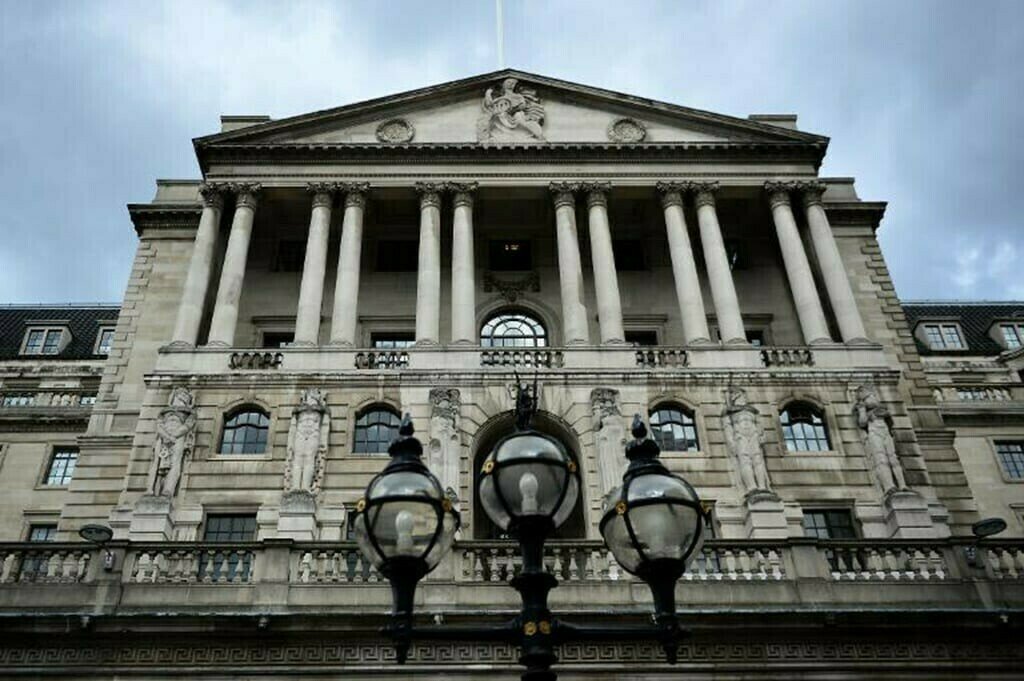
The Bank of England may need to raise interest rates further in 2027, beyond an expected increase in December, to bring inflation under control, Chief Economist Huw Pill has said.
In an interview with the Financial Times published on Saturday, Pill said the central bank still had work to do despite its latest rate increase.
The Bank of England raised its benchmark interest rate to 4% from 3.75% at its November meeting. It was the first increase since August 2023.
Pill described the move as a “significant step” towards improving monetary policy but said further action would likely be necessary.
“My view would be we will see evidence that motivates further rises,” he told the newspaper, referring to the risk that higher energy costs could feed into wages and prices.
He added that the central bank would do what was necessary to bring inflation back to its 2% target.
Inflation Risks Could Persist Into 2027
The Bank of England expects British inflation to rise to around 5% by the middle of next year. The projected increase reflects potential second-round effects on wages following higher energy costs linked to the Iran war.
The forecast would put inflation at more than twice the central bank’s 2% target.
Peugeot 2008: Lucky Motor Suspends New Bookings Amid Shift to Hybrid Vehicles
Pill described an end to the US-Israeli conflict with Iran, followed by a decline in energy prices, as a “very low probability”. His comments suggest he could support another quarter-point rate increase at the bank’s December meeting, according to the Financial Times.
He said he remained concerned that second-round effects could magnify the inflationary impact of higher energy costs.
Pill also acknowledged that the central bank should have acted earlier to tackle inflation.
“In my view, we waited too long,” he told the newspaper.
Markets Expect Interest Rates to Approach 5%
Financial markets currently expect around 90 basis points of monetary tightening by the end of 2027. This would bring interest rates close to 5%.
Pill described those expectations as “not outrageous”.
He also warned that delays in raising borrowing costs had reduced the central bank’s room to make smaller adjustments.
“The ability to be modest [in the scale of rate rises] has diminished,” he said.
Pill Signals He Will Not Seek Another Term
The report also said Pill did not intend to seek a third term as the Bank of England’s chief economist.
His current term is due to end in September 2027.
You may also like
-
Bitcoin Price: Cryptocurrency Market Extends Sell-Off as BTC Hits Three-Month Low
-
Nvidia Petition: More Than 115,000 Signatures Urge Reinstatement of Jensen Huang
-
PSX Rally: KSE-100 Gains 3,987 Points as Oil Prices Ease
-
FBR Tax Separation: Government to Split Sales and Income Tax Functions After 17 Years
-
Gold Prices: Gold Falls Rs700 Per Tola in Pakistan