
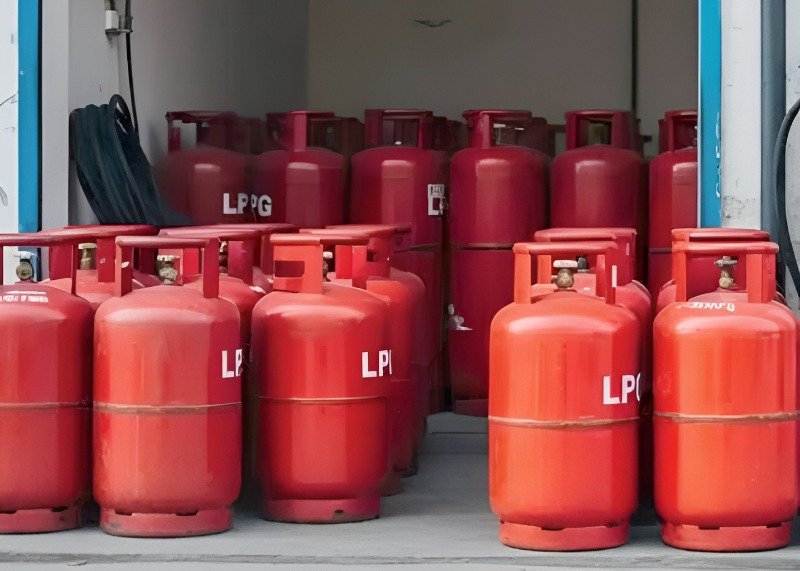
Pakistan is planning a major change to its liquefied petroleum gas (LPG) pricing formula from November 2026, replacing the Saudi Aramco free-on-board benchmark with the landed cost of cargoes imported by Pakistan State Oil (PSO). The proposed revision could increase official LPG prices and narrow the gap between notified rates and the higher prices commonly paid by households.
The change comes as Pakistan continues to face a shortage of locally produced LPG relative to demand, leaving consumers dependent on more expensive imported supplies. However, the proposal has yet to receive formal approval.
Why Official LPG Prices Differ From Retail Rates
For October 2026, the regulator set the maximum LPG price at Rs279.34 per kilogram, equivalent to approximately Rs3,296 for a standard 11.8-kilogram cylinder.
In practice, retail prices are significantly higher. LPG commonly sells for Rs480 to Rs550 per kilogram in major cities, while consumers in remote northern areas may pay between Rs700 and Rs800 per kilogram.
The difference reflects Pakistan’s supply structure and the way LPG prices are determined. Domestic production meets only around 30% to 40% of national requirements, with the remainder supplied through imports.
Most imported LPG has traditionally arrived overland from Iran, but recent border closures have tightened supply, adding pressure to prices in areas dependent on these deliveries.
Saudi Aramco Benchmark Creates a Pricing Gap
Under the existing formula, domestic LPG producers must sell within a price ceiling linked to the Saudi Aramco contract price. Importers, however, are not subject to the same ceiling and can charge prices reflecting prevailing market conditions.
Once LPG reaches consumers in cylinders, the product from domestic and imported sources is essentially the same. However, the pricing arrangements create a substantial difference between the official rate and the amount consumers pay.
The current formula also excludes shipping and related expenses from the domestic producer price calculation. As a result, local producers are paid according to a benchmark that does not fully reflect the cost of transporting imported LPG to Pakistan.
Proposed PSO Landed-Cost Formula From November
Under the proposed change, the government intends to replace the Saudi Aramco free-on-board benchmark with the landed cost of cargoes imported by PSO, starting November 1, 2026.
The landed cost includes several expenses beyond the original cargo price, such as:
- Freight and transportation costs
- Insurance expenses
- Import premiums
- Port charges
Incorporating these costs into the pricing formula would bring the official benchmark closer to the actual expenses associated with bringing LPG into Pakistan.
Industry estimates suggest the revised formula could increase domestic producer prices by as much as 40%, potentially pushing retail prices up by 20% to 25%.
An illustrative calculation indicates that the official price of an 11.8kg cylinder could rise from roughly Rs3,300 to around Rs4,400. This is an estimate rather than a confirmed revised rate, and actual retail increases could be smaller because many consumers already pay prices close to import parity.
What the Pricing Change Could Mean for Producers and Consumers
The proposed revision could have several implications for Pakistan’s LPG market.
For domestic producers, a benchmark that incorporates freight, insurance and other import-related costs could improve the price received for locally produced LPG. It could also help align the official ceiling with the broader economics of supplying the market.
The change could affect the distribution of margins across the supply chain by shifting some of the difference between official and retail prices away from intermediaries and towards producers.
The government could also collect more sales tax as the applicable tax base rises. In addition, improved returns for domestic producers could encourage higher local output, although any production response would depend on operational and investment conditions.
For consumers, the immediate concern is whether the revised formula will translate into higher retail prices. Although the official rate may move closer to the prices already prevailing in the market, households that currently obtain LPG at lower rates could face additional costs.
Industry Raises Concerns Over the Proposed Benchmark
Despite the potential benefits, industry stakeholders have questioned whether PSO’s import costs provide a sufficiently reliable benchmark for the entire LPG market.
One concern is that unusually high procurement costs could become the legal price ceiling for all producers. Stakeholders have also raised concerns about possible over-invoicing and the risk of using a single state buyer’s costs to determine market-wide prices.
Some industry participants favour full deregulation, arguing that competition should determine LPG prices rather than a regulated benchmark.
The petroleum minister has discussed the proposed change with industry representatives, but formal approval remains pending. The final design of the formula will therefore be important in determining how the new system affects producers, importers, distributors and consumers.
Outlook: Balancing Cost Recovery and Consumer Affordability
Pakistan’s proposed LPG pricing reform seeks to address a longstanding gap between official prices and the actual costs of supplying imported gas. Moving to a landed-cost benchmark could improve price transparency and change how margins are distributed across the supply chain.
However, the expected increase in producer prices and the potential impact on retail rates raise questions about affordability, particularly for households that rely on LPG for cooking and heating.
The outcome will depend on the final pricing formula, safeguards against inflated procurement costs and the extent to which domestic production and market competition can improve supply.
You may also like
-
PSO Other Expenses Jump 310% on Doubtful Debts
-
Pakistan Poverty Rate Climbs to 28.9 Percent Amid Measurement Review
-
Qist Bazaar Celebrates Five Years of Advancing Retail and Financial Inclusion in Pakistan
-
JS Bank Reports 67% YoY Growth in Profit After Tax for 9M 2026
-
National Foods Margins Squeeze Sharply Amid Geopolitical Tensions