
WASHINGTON, November 5, 2026 — Rising living costs helped Democrats secure a sweeping victory in the US midterm elections, but their ability to deliver meaningful financial relief to American households remains uncertain as President Donald Trump retains significant power to block their proposals.
Across the country, business owners say higher prices for essential goods and fuel are putting pressure on their operations and employees.
Kim Hanks, who owns Tillies, a hotel, restaurant and spa business near Austin, Texas, said rising grocery and fuel costs had forced her to increase wages for her 300 employees.
Meanwhile, Danny Reynolds, owner of Stephenson’s of Elkhart, a clothing and bridalwear store in Indiana, said businesses needed greater political stability and cooperation in Washington.
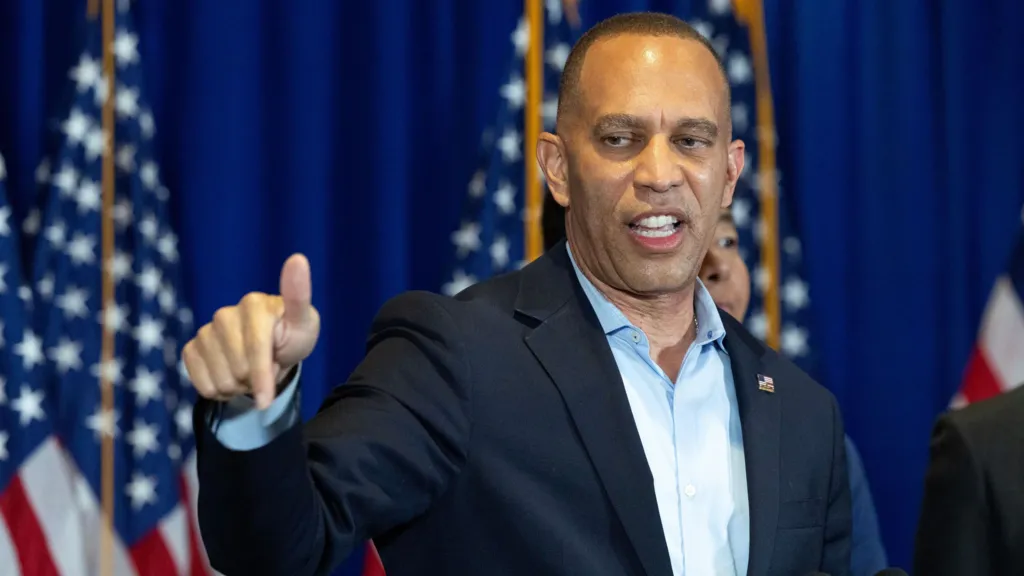
Democratic leaders say voters sent a clear message about affordability. House Democratic leader Hakeem Jeffries said his party had campaigned on reducing living costs and would now focus on delivering on that promise.
However, Democrats face a major obstacle: although they will control Congress, Trump retains presidential veto powers that could prevent them from implementing key parts of their agenda.
Affordability drives election results
The scale of the Democratic victory exceeded many forecasts, with at least seven Republican-held Senate seats changing hands.
The results reflected widespread dissatisfaction with the country’s direction. Only 21 per cent of Americans were satisfied with the way things were going, despite relatively strong economic indicators.
For many voters, everyday expenses mattered more than broader economic statistics. Grocery bills, electricity costs and fuel prices became central concerns during the election campaign.
Rising costs also affected rural communities that traditionally support Republicans.
Sid Miller, the outgoing Republican agriculture commissioner in Texas, said ranchers were receiving $300 to $500 less for each head of cattle while facing record fertiliser costs.
He said many ranchers felt betrayed by the economic pressures affecting their businesses.
The election results therefore reflected more than a shift in political support. They highlighted growing frustration over the cost of living and the economic challenges facing households and businesses.
Democrats outline affordability agenda
Under their “Fighting for an Affordable America” campaign, Democrats have identified healthcare as a leading priority.
They want to restore additional financial assistance that reduced health insurance costs under the Affordable Care Act and reverse Medicaid cuts signed by Trump in 2025.
JD Vance: Vice-President Blames Iran War for Republican Midterm Defeat
The party also plans to challenge the president’s tariffs, arguing that import taxes increase the cost of groceries, fertiliser and construction materials.
Democrats have linked the Iran war to higher fuel prices and called for an end to the conflict. Petrol prices have averaged $4.18 per gallon, an increase of nearly 40 per cent.
Housing is another major focus, with some Democrats proposing the construction of four million additional homes over the next decade.
On taxation, the party wants higher contributions from billionaires and expanded tax credits for families with children.
However, passing these proposals could prove difficult because Trump can veto legislation that reaches his desk.
Investor Ken Fisher, founder of Fisher Investments, said neither the president nor Congress would have an easy time advancing their respective agendas under the new political balance.
Overriding a presidential veto requires a two-thirds majority in both chambers of Congress, a threshold Democrats are unlikely to reach on their own.
Tariffs remain a major obstacle
Trade policy could become one of the biggest areas of disagreement between Democrats and the White House.
Trump is unlikely to abandon tariffs, which remain central to his economic agenda. Democrats will therefore need Republican support to make significant changes to the administration’s trade policies.
Bernard Yaros, deputy chief US economist at Oxford Economics, expects the average tariff rate on imports to remain around 10 per cent for the rest of Trump’s term.
Tariffs have also become an increasingly important source of federal revenue. Import duties accounted for slightly more than 1 per cent of federal revenue in 2024, compared with more than 5 per cent this year.
Yaros said this growing contribution to government income would make it difficult for a future administration to remove tariffs entirely.
Where political compromises could emerge
Despite the likely legislative deadlock, some areas could offer opportunities for cooperation between Republicans and Democrats.
Trump told CNBC that he could work with Democrats on more issues than many people expected.
Healthcare could provide an opening for negotiations. Yaros suggested Democrats might support extending Republican tax cuts in exchange for restoring health insurance subsidies.
However, he does not expect such an agreement before late 2027, with potential economic benefits reaching households in 2028.
Democrats are also preparing to increase scrutiny of businesses that passed tariff-related costs on to consumers.
Henrietta Treyz of consulting firm Veda Partners said congressional Democrats could question companies about whether they reduced prices after receiving tariff rebates following a Supreme Court ruling in February.
Businesses could also face questions about the benefits they received from the administration’s trade policies.
In the Senate, Oregon Democrat Ron Wyden, who is expected to chair the Finance Committee, has pledged to focus on affordability and corporate accountability.
He plans to use the committee’s authority to strengthen congressional oversight of trade policy. Insurance companies, pharmaceutical manufacturers and banks could also face increased scrutiny.
Some changes may be easier to pursue at state and local levels, where officials have greater influence over electricity prices, housing development and other costs.
Democrats have won governorships in Texas, Ohio and Georgia, where electricity costs associated with expanding data centres have become an increasingly important issue.
Iran war creates further uncertainty
One of the biggest challenges for Democrats will involve factors beyond their direct control.
Fuel, diesel and fertiliser prices will depend heavily on developments in the Iran war, making it difficult for the party to guarantee immediate relief to households and businesses.
Oxford Economics has warned that further escalation could become more likely now that the midterm elections are over and fuel prices may carry less immediate political pressure for the president.
This creates a political dilemma for Democrats. If prices decline, Trump could claim credit for the improvement. If costs rise, Democrats may face criticism despite having limited influence over federal foreign policy.
Another immediate challenge involves government funding, which is due to expire after December 11.
The possibility of another government shutdown could create an early test of whether the new congressional leadership and the White House can reach an agreement.
For Democrats, the election victory has created an opportunity to challenge Trump’s policies and push for lower living costs. But turning campaign promises into tangible economic relief will require political compromises, cooperation from Republicans and developments in the global economy that Congress cannot fully control.
You may also like
-
Ukraine Attack: Russian Drone Strike Injures Three in Dnipro
-
South Korea: Government to Monitor US AI Policies and Tariff Changes After Midterms
-
JD Vance: Vice-President Blames Iran War for Republican Midterm Defeat
-
Trump Tariffs: Democrats’ Congress Victory Unlikely to Reverse Trade Policies
-
US Midterm Elections: Trump-Backed Candidates Lose Key Senate Races
1 thought on “US Democrats: Can They Deliver Lower Costs After Sweeping Midterm Victory?”
Comments are closed.