
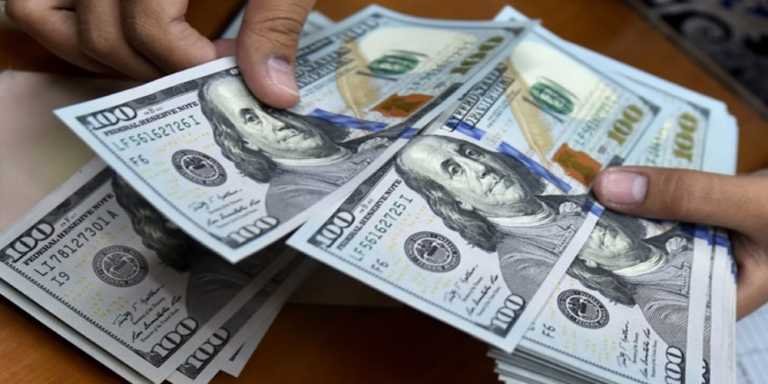
Saudi Arabia has extended the repayment deadline for Pakistan’s $3 billion loan that matured in October, Finance Minister Muhammad Aurangzeb confirmed on Wednesday, providing additional financial support as Islamabad manages its external debt obligations.
Speaking to reporters at Parliament House after attending a meeting of the Senate Standing Committee on Finance, Aurangzeb said Riyadh had rolled over the loan for a reasonable period but did not disclose the revised maturity date.
Sources indicated that Saudi Arabia had granted Pakistan another short-term extension.
The finance minister said Pakistan’s strategic relationship with Saudi Arabia meant there was no reason for concern over the rollover. He added that Islamabad did not require additional financial assistance from Riyadh.
Saudi Arabia has provided Pakistan with $8 billion in short-term financing. This includes $5 billion whose repayment has already been extended until December 2028.
Addressing the proposed $10 billion liquidity facility from the United States, Aurangzeb said Pakistan had submitted its request in July when the government was seeking access to international capital markets.
Pakistan subsequently raised $3 billion through international markets in the first week of September, attracting orders worth $6 billion.
Aurangzeb said the government could meet its financial obligations even if Washington did not approve the proposed facility.
He explained that financing from US institutions, including the Export-Import Bank and the Development Finance Corporation, could support American exporters and investors operating in Pakistan. However, the proposed liquidity facility would primarily provide direct financial support to the government.
The minister said Pakistan’s foreign exchange reserves stood at $21.5 billion, equivalent to around three months of import cover. The government and the State Bank of Pakistan aim to increase this buffer to four months by the end of the current fiscal year.
He added that Pakistan would continue exploring international financing options, including Eurobonds, Panda bonds and dollar-settled rupee-linked bonds.
Aurangzeb also said the government was restructuring its borrowing maturities to prevent large repayments from falling due in a single year. He specifically referred to another $5 billion in Saudi financing scheduled to mature in December 2028.
PIA Cleanliness Drive: Airline Conducts Deep Cleaning of Aircraft Fleet
The issuance of a new Eurobond with a maturity of five and a half years formed part of the government’s efforts to spread repayment obligations over a longer period.
The finance minister further said the International Monetary Fund’s executive board was tentatively expected to approve two loan tranches worth a combined $1.2 billion in December.
Meanwhile, Finance Secretary Imdadullah Bosal told the Senate Standing Committee on Finance, chaired by Senator Saleem Mandviwalla, that arrangements were in place to meet Pakistan’s external debt obligations for the current fiscal year.
He said the country’s external financing requirements totalled $21.5 billion, including $17.5 billion in principal repayments.
Of that principal amount, bilateral and commercial creditors were expected to roll over $10.5 billion, while net principal and interest payments amounted to $11 billion.
Bosal said Pakistan had already repaid $5 billion during the first four months of the fiscal year.
He also informed the committee that the country’s debt-to-GDP ratio had declined from 75% in 2023 to 68%, while annual debt growth had slowed from 28% to 7.7%.
The finance secretary attributed the slower accumulation of debt partly to primary budget surpluses maintained over three consecutive years. Committee members, however, noted that exchange rate stability had also helped contain the increase in the country’s debt burden.
Bosal said the government’s debt management strategy focused on extending repayment periods, lowering borrowing costs and reducing the debt-to-GDP ratio.
You may also like
-
Tesla Cybertruck: Musk Plans to Scale Back Production by Mid-2027
-
Krakow Shooting: Gunman Dies in Hospital After Killing Six in Poland
-
Aramco Tower: Debris From Missile Attack Damages Saudi Arabia’s Riyadh Office
-
Egypt Train Collision: At Least 7 Killed and 112 Injured Near Cairo
-
Quaid-e-Azam Bust Unveiled in Cuba to Mark 150th Birth Anniversary
1 thought on “Saudi Loan Rollover: Riyadh Extends Pakistan’s $3 Billion Repayment Deadline”
Comments are closed.