

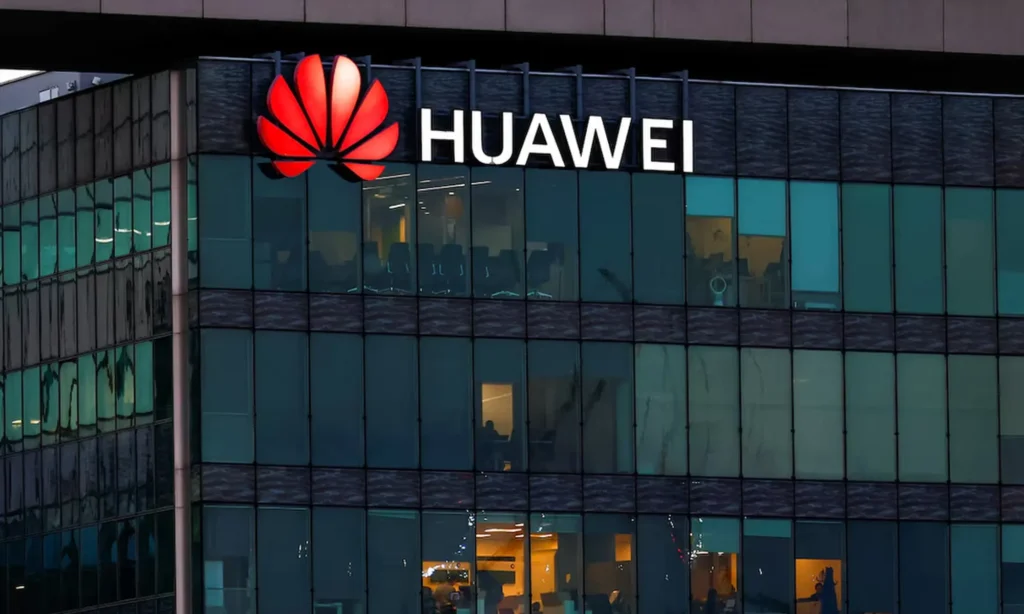
NEW YORK: Chinese telecommunications giant Huawei was found guilty on Tuesday of deceiving banks about its business operations in Iran and stealing trade secrets from US companies, following a lengthy criminal trial in the United States.
A federal jury in Brooklyn convicted Huawei on 10 of the 12 criminal counts it faced, while acquitting the company of racketeering conspiracy, which alleged that it operated as a criminal enterprise.
Huawei rejected the verdict, saying the charges on which it was convicted lacked legal merit and that it would take necessary legal action to defend its rights and interests.
US Case Focused on Iran Business and Trade Secrets
The criminal investigation began in 2018, with prosecutors alleging that Huawei misled HSBC, Standard Chartered and BNP Paribas about its business dealings in Iran, allowing it to conduct dollar transactions in violation of US sanctions.
The case expanded in 2020 when prosecutors added allegations that Huawei had conspired to steal trade secrets from US technology companies over two decades.
During the trial, prosecutors presented allegations involving Cisco Systems’ router source code, wireless technology company Quintel’s antenna designs and semiconductor firm CNEX.
They also presented evidence involving a Huawei employee accused of taking a component from a T-Mobile testing robot and an engineer accused of photographing equipment at a Fujitsu trade show.
Pakistan Invites European and Chinese Firms to Invest in Agriculture and Food Processing
The trial lasted more than two months, with prosecutors calling over 60 witnesses and the defence presenting 15.
Meng Wanzhou Case Triggered Diplomatic Dispute
The case gained international attention in December 2018 when Huawei Chief Financial Officer Meng Wanzhou, daughter of the company’s founder, was detained in Canada under a US warrant.
US prosecutors had accused Meng of misleading an HSBC banker about Huawei’s Iran operations. She fought extradition for nearly three years before reaching a deferred prosecution agreement and returning to China. The charges against her were subsequently dropped.
During Huawei’s trial, prosecutors cited a statement attached to Meng’s agreement in which she acknowledged that the company had conducted business in Iran in violation of the law.
Huawei’s defence argued that banks were aware of its Iran operations and had competed for its business. Its lawyer, Brian Heberlig, said prosecutors had selected isolated incidents to support allegations of a long-running conspiracy.
Despite years of US restrictions, Huawei has continued expanding its international operations and strengthening its role in China’s technology and artificial intelligence sectors. The company employs more than 200,000 people and operates in approximately 170 countries.
You may also like
-
Pakistani Astronaut Zeeshan Ali Launches Aboard China’s Shenzhou-24 Mission
-
UAE Road Accident Bus and Truck Collision Kills 11 in Ras Al Khaimah
-
Portugal Reaffirms Support for Pakistan’s GSP+ Trade Access
-
Trump Meme Coin Interest Fades Ahead of President’s Third Crypto Gala
-
Trump Executive Order Restricts Federal Contractors From Sharing Information With Congress