
General Motors (GM) allegedly built a commercial business around drivers’ personal information, collecting revenue when insurance companies accessed vehicle data and entering agreements that allowed other businesses to participate in data-sharing networks, according to court documents filed by the Texas Attorney General.
The automaker has agreed to pay $220 million to settle a multistate investigation into the collection and sharing of driving information. However, the settlement does not provide direct payments to drivers whose data was allegedly collected and sold.
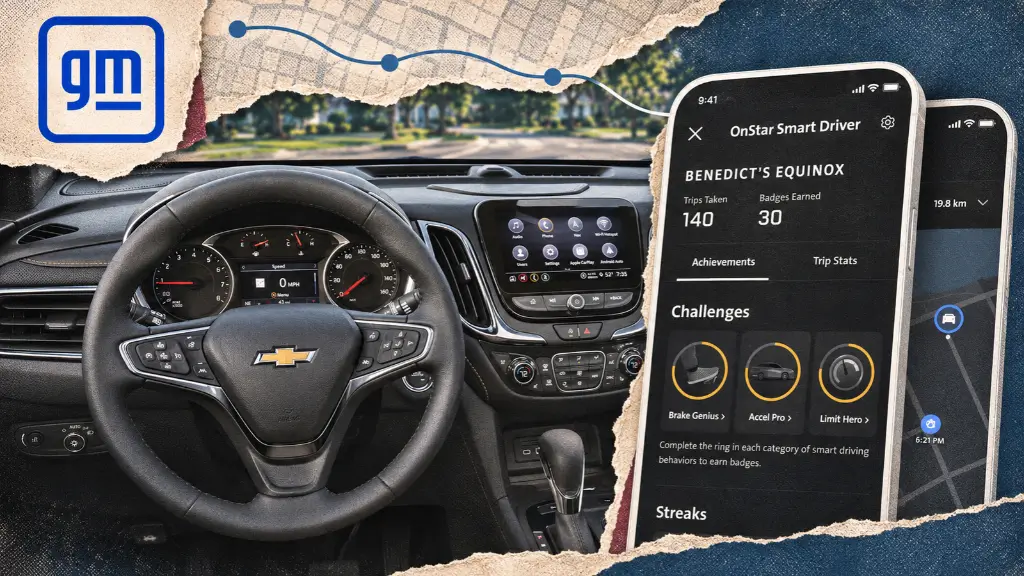
The agreement, announced on October 29, concerns allegations that GM gathered identifiable driving and location information through its OnStar Smart Driver programme between 2016 and 2024. The data reportedly included journey times, speed, hard braking, acceleration and other driving behaviour. Data brokers then supplied information to insurance companies, with some drivers reportedly facing higher premiums after their records were shared.
GM did not admit wrongdoing as part of the settlement.
According to a lawsuit filed by Texas Attorney General Ken Paxton, GM’s 2015 agreement with data analytics company Verisk included an initial multimillion-dollar payment, followed by ongoing royalty payments linked to insurance companies purchasing licences to access a database containing GM driving information.
The agreement also required Verisk to approach other automakers, telecommunications companies and third parties about contributing their information to the exchange. The filing says Verisk subsequently entered similar agreements with Honda and Hyundai.
The arrangements potentially allowed GM to earn additional revenue as more insurance companies licensed access to the data and the network expanded beyond its own vehicles. However, these contractual descriptions and allegations do not establish that every company involved violated the law.
Another arrangement involved British connected-car data company Wejo. In 2018, GM agreed to acquire a 35% stake in Wejo for $25 million. The Texas filing also valued driving information associated with 2.6 million vehicles, supplied by GM, at $70 million.
Wejo was authorised to license access to the information to other businesses, including companies outside the insurance industry, subject to GM’s approval.
The contract set a minimum monthly licensing revenue target of $3 million, with Wejo agreeing to pay GM 70% of that amount. It also required Wejo to reimburse GM if the monthly target was not achieved. The arrangement continued until Wejo declared bankruptcy in May 2023.
The Texas filing also raised questions about the type of information shared through the partnership. It said GM eventually supplied Wejo with radio-listening data, including ignition timestamps, AM/FM frequencies, station call signs, time zones and radio genres.
The case highlights how connected-car information can become a commercial product, with driving records and other vehicle data packaged, analysed, licensed and shared across multiple industries. While automakers may collect information to support vehicle services and performance, the data can also generate revenue through arrangements with third-party businesses.
NASA Satellite: Swift Observatory Faces Fiery Return to Earth After Failed Rescue Mission
GM is not the only automaker facing regulatory scrutiny. In April 2026, Montana’s attorney general opened an investigation into Ford and Stellantis over allegations involving the collection and sale or licensing of vehicle information to third parties. The investigation suggests regulators are examining data-sharing practices across the automotive industry, beyond GM’s discontinued Smart Driver programme.
The $220 million settlement was secured by 36 attorneys general, but the money will go to participating states rather than directly to affected drivers. Michigan Attorney General Dana Nessel confirmed that the agreement does not include consumer restitution.
A separate private class-action lawsuit seeking monetary relief remains pending, but no consumer payout has been approved through that case.
Under the settlement, GM has also agreed to new privacy requirements. However, the outcome leaves questions about whether drivers whose information was shared, and who may have faced higher insurance premiums as a result, will receive any compensation.
The case has renewed calls for automakers to explain what information their vehicles collect, which companies receive it and how the data is used commercially. It has also raised questions about whether insurers should disclose when driving records influence premium decisions and whether consumers should be able to challenge inaccurate information before it affects their coverage costs.
Although the settlement resolves one part of the investigation, the financial arrangements behind connected-car data sharing are likely to remain a subject of scrutiny as regulators examine how personal vehicle information is collected and commercialised.
You may also like
-
Pakistan Auto Policy Ghandhara Delays T9 Hunter PHEV Launch, Plans D-Max ADAS Upgrade
-
Tesla FSD: South Korea Consumer Group Seeks Ban Over Unusable Software Sales
-
Hydrogen Technology: Hyundai Unveils Autonomous Refuelling Robot for Commercial Vehicles
-
Islamabad’s Kashmir Chowk Underpass Completed in Record 27 Days
-
Indus Motor Margin Slips On Higher Passenger Car Mix
1 thought on “GM Settlement: $220 Million Deal Raises Questions Over Drivers’ Personal Data”
Comments are closed.