

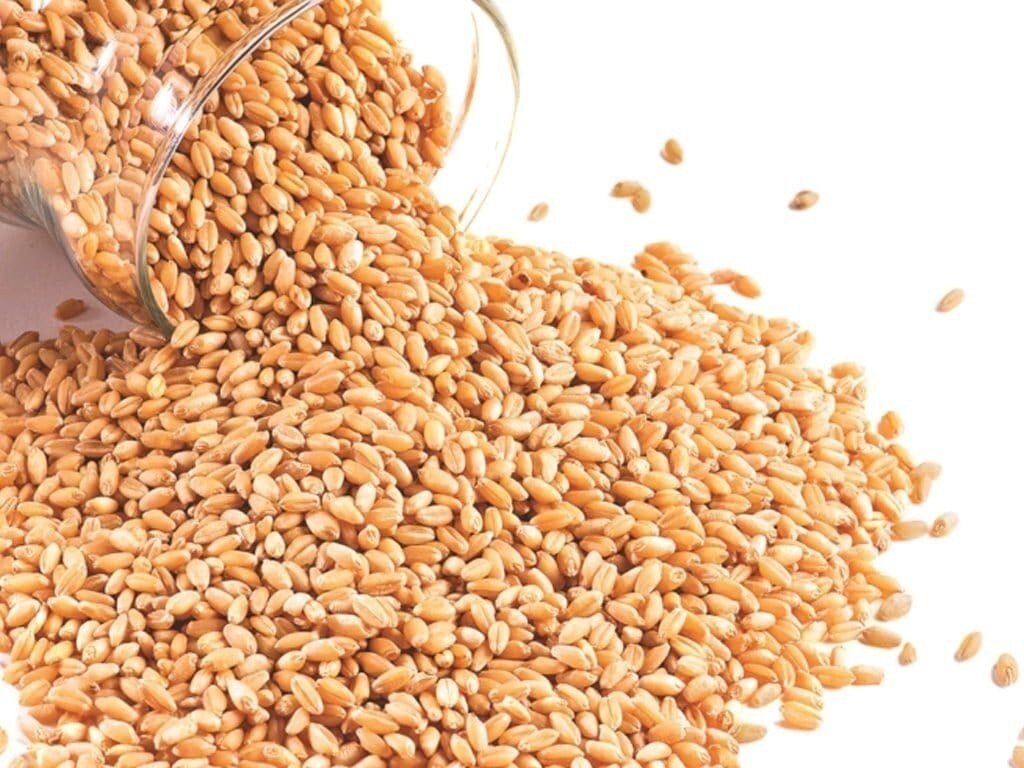
ISLAMABAD: The Economic Coordination Committee (ECC) of the federal cabinet has approved in principle an increase in Pakistan’s wheat import ceiling to 2.5 million metric tonnes (MMT) for food year 2026-27, aiming to ensure adequate supplies and stabilise market prices.
The decision was taken during a virtual meeting chaired by Finance Minister Muhammad Aurangzeb on Friday. The proposal, submitted by the Ministry of National Food Security and Research, seeks to raise the previously approved import ceiling from 1 million to 2.5 million tonnes. The decision will be submitted to the federal cabinet for ratification.
The ECC was informed that provincial governments had initially estimated import requirements at 750,000 tonnes before revising them down to 550,000 tonnes. However, following increases in wheat and flour prices and the need for additional releases from public stocks, their combined requirements rose to approximately 1.7 million tonnes.
These requirements include 950,000 tonnes for Punjab, 450,000 tonnes for Sindh, subject to confirmation, and 300,000 tonnes for Khyber Pakhtunkhwa. Balochistan’s needs are expected to be met through available PASSCO stocks.
Provinces to bear import costs
The committee agreed that the higher import ceiling would provide flexibility to meet additional provincial requirements and potential stock shortages without seeking repeated approvals. Actual imports will depend on confirmed provincial demand and prevailing market conditions.
The respective provincial governments will bear all costs, including procurement, freight, insurance, transportation, port charges, taxes and duties. Provinces will also be required to confirm their requirements in writing and arrange advance payments or appropriate banking facilities.
To ensure timely deliveries, the ECC approved priority berthing for wheat-carrying vessels in coordination with the Ministry of Maritime Affairs and relevant port authorities.
Pakistan Working on 17 Privatisation Projects, Bidding for Three Discos Expected in 2027
Federal government to monitor implementation
The Deputy Prime Minister-led Steering Committee will continue to oversee the import programme, while the Ministry of National Food Security and Research will handle its day-to-day monitoring and implementation. Operational issues requiring intervention will be brought to the Prime Minister’s Office for prompt resolution.
Aurangzeb stressed the need for coordination between federal and provincial governments, timely assessment of requirements and effective management of available stocks.
He also called for close market monitoring to discourage speculation and manipulation, emphasising that adequate supplies must translate into price stability and relief for consumers.
You may also like
-
IMF Seeks Over 100 Changes to Pakistan’s Sovereign Wealth Fund Law
-
Sugar Industry Welcomes Deregulation, Seeks More Exports as Farmers Raise Pricing Concerns
-
FBR Revises Intelligence and Investigation Jurisdictions in Three Major Cities
-
NAB Opens Inquiry into Alleged Irregularities in Two Power Transmission Projects
-
Pakistan’s Annual Cigarette Consumption Estimated at 60–61.5 Billion Sticks: SPDC