
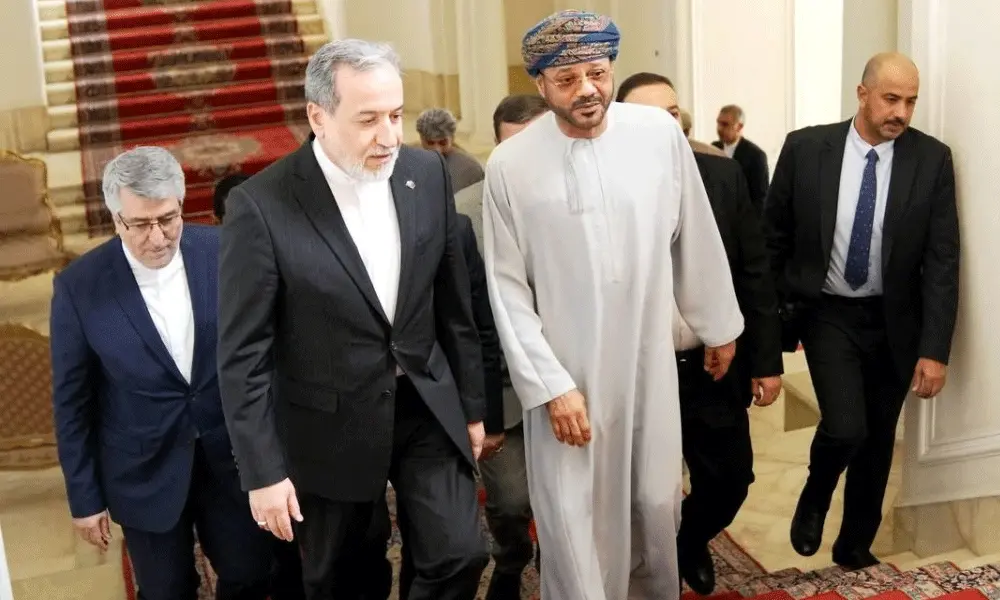
MUSCAT: Iran and Oman have held high-level diplomatic talks aimed at safeguarding maritime security in the Strait of Hormuz and exploring negotiations to ease tensions in the Middle East, according to Omani state media.
Iranian Foreign Minister Abbas Araghchi met his Omani counterpart, Badr Albusaidi, in Muscat on Tuesday to discuss the regional security situation and potential diplomatic measures to prevent further escalation.
According to the Oman News Agency, the discussions focused on available diplomatic options to contain tensions and revive dialogue between the parties involved in the regional crisis.
The ministers emphasised the importance of strengthening mutual understanding and pursuing negotiations to prevent the conflict from expanding and creating additional economic and security challenges.
The meeting took place against the backdrop of a reported Iranian blockade of the Strait of Hormuz, a strategically important maritime passage connecting the Persian Gulf with international shipping routes.
The supplied report states that Iran has maintained restrictions on shipping through the waterway for several months following the outbreak of a wider Middle East conflict.
According to the account, the conflict began with US-Israeli strikes on February 28, after which Iran reportedly launched repeated attacks on vessels travelling through the strait.
These reported military developments and the extent of the alleged blockade require independent verification.
During their meeting, Araghchi and Albusaidi discussed the need to protect maritime passages and ensure the uninterrupted movement of international shipping and commercial trade.
The Strait of Hormuz is one of the world’s most important energy transportation routes, serving as a major passage for crude oil and liquefied natural gas exports from Gulf producers.
US Technology Outages: NSA Network Disruption Raises Concerns Over Critical Infrastructure
Disruptions to shipping through the strait can have significant consequences for international energy markets, transportation costs and global supply chains.
The report states that Iran has required vessels to follow designated routes authorised by Tehran when passing through the waterway.
Such restrictions, if confirmed, could complicate commercial shipping operations and increase uncertainty for energy importers and international trading companies.
The account also links the reported shipping disruptions to rising global oil prices, which have placed additional financial pressure on businesses and consumers.
Higher energy prices can increase transportation and manufacturing costs, potentially contributing to inflation and affecting economic activity in countries dependent on imported fuel.
Oman’s diplomatic engagement reflects its longstanding role as a regional intermediary, particularly in discussions involving Iran and other international powers.
The country maintains diplomatic relations with Tehran and has previously facilitated negotiations intended to reduce tensions and encourage dialogue.
The latest discussions highlight the importance of diplomatic channels as regional governments seek to protect maritime commerce and prevent further deterioration in security conditions.
Both ministers reportedly stressed that maintaining secure shipping routes and supporting international trade should remain central priorities.
The talks also underscored concerns that continued instability could have consequences extending beyond the Middle East, particularly for global energy markets and international supply chains.
Although the meeting demonstrated an effort to explore diplomatic solutions, the supplied report did not identify a specific agreement, timetable for negotiations or immediate changes to shipping restrictions.
Further developments will depend on whether regional and international stakeholders can establish a framework for reducing tensions and restoring confidence in maritime security.
For now, the discussions in Muscat represent a diplomatic effort to address the reported crisis and protect commercial navigation through one of the world’s most strategically significant waterways.
You may also like
-
US Technology Outages: NSA Network Disruption Raises Concerns Over Critical Infrastructure
-
FDA Nomination: Trump Withdraws Heidi Overton’s Candidacy Amid Senate Opposition
-
APEC Summit: Xi Jinping Calls for Free Trade Amid US-China Technology Tensions
-
NYPD Strategic Response Group: New York Mayor Announces Plan to Disband Police Unit
-
Trump Asia Visit: US President Arrives in Philippines for Quad Summit Amid Trade Tensions