
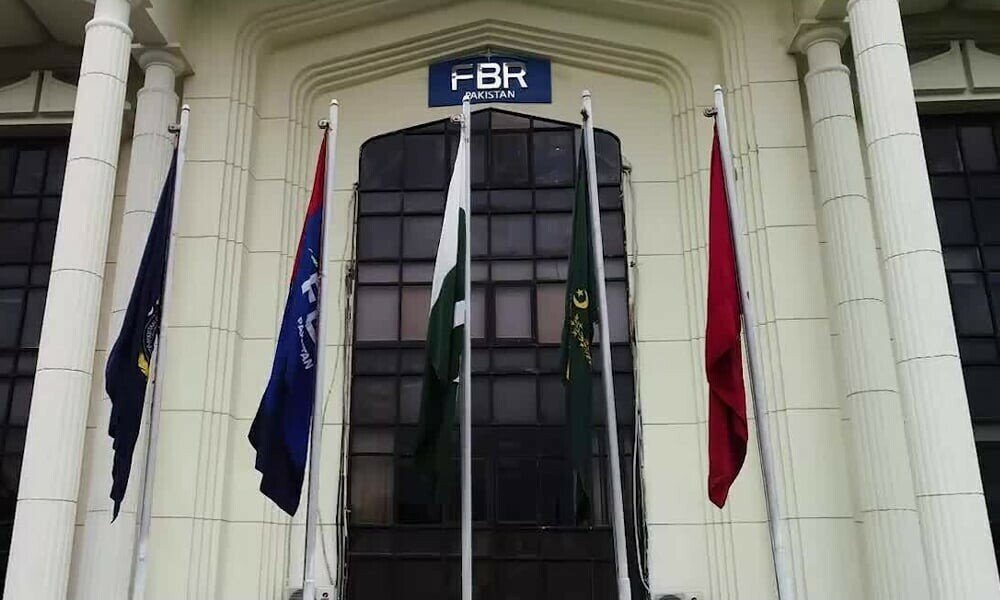
ISLAMABAD: The Federal Board of Revenue (FBR) has separated its sales tax and federal excise duty (FED) functions from income tax administration under a revised organisational structure, a move that has raised concerns among tax experts about the direction of ongoing tax reforms.
On Friday, the FBR transferred and posted 54 Inland Revenue officials, ranging from BS-17 to BS-21, to the newly created position of Member, Sales Tax & FED (Technical).
Dr Muhammad Sarmad Qureshi, an Inland Revenue Service officer in BS-21, has been appointed to the new position.
Under the revised arrangement, taxpayers are expected to deal with separate Commissioners for sales tax and income tax from January 2027. This could require businesses to approach three separate departments — Sales Tax, Income Tax and Customs — for their tax-related matters.
The FBR’s Board-in-Council had approved the creation of the post of Member, Sales Tax & FED (Technical) at the FBR headquarters in Islamabad. However, by the time this report was filed, the board had not notified a corresponding position of Member, Income Tax (Technical).
As a result, income tax matters are apparently expected to remain under the supervision of the Member Inland Revenue (Operations), while separate sales tax zones may be established in field formations.
Tax experts questioned the reporting arrangements under the new structure, particularly whether the Member, Sales Tax & FED (Technical) would report directly to the FBR chairman and whether chief commissioners would report to the chairman or the Member Inland Revenue (Operations).
They also questioned the rationale for separating sales tax administration from income tax functions if income tax matters continue to fall under the existing Member Inland Revenue (Operations).
Experts warned that the restructuring could complicate tax compliance by requiring taxpayers to coordinate with separate commissioners and senior officials for different tax matters. It may also lead to substantial reshuffling of income tax and sales tax cases across field formations, potentially separating taxpayers’ records.
The move has also raised questions about its consistency with broader efforts by the federal and provincial governments to integrate tax administration and harmonise tax operations under a unified system.
Tax experts have urged the FBR chairman to issue a detailed clarification outlining the powers and responsibilities of the new Member, Sales Tax & FED (Technical), as well as the remaining jurisdiction of the Member Inland Revenue (Operations), to provide clear guidance to taxpayers and address uncertainty surrounding the new arrangement.
You may also like
-
Banking Media Relations: PBA and Karachi Press Club Agree to Strengthen Ties
-
Pakistan Minerals Investment: Jam Kamal Engages Global Investors at PMIF 2026
-
Export Pullback Drags Gul Ahmed Revenue Down 17%
-
Pakistan’s foreign reserves rise to $26.86bn
-
Looming Agricultural Crisis: Delays in Unloading DAP Fertiliser Vessels Threaten Wheat Production and Food Security