
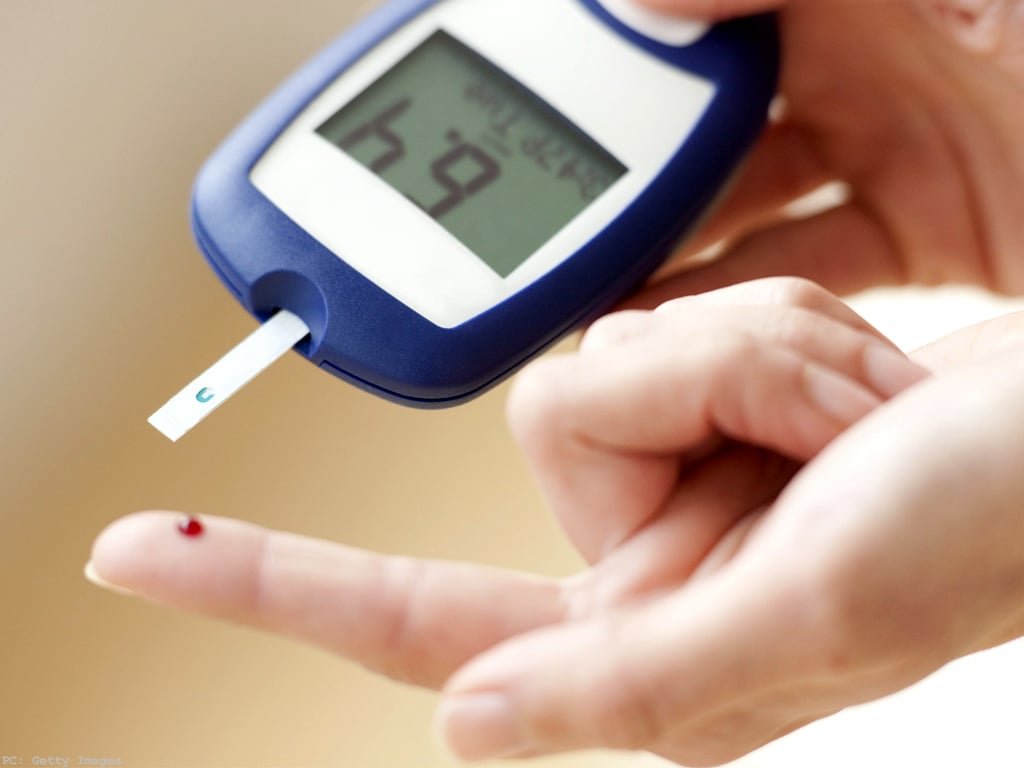
ISLAMABAD: Pakistan is facing one of the world’s heaviest diabetes burdens, with an estimated 34.5 million people, or nearly one in three adults, living with the disease, according to the World Health Organization (WHO).
Ahead of World Diabetes Day on November 14, the WHO urged families to adopt healthier diets, increase physical activity and undergo regular medical check-ups to prevent diabetes and reduce the risk of serious complications.
According to the organisation, Pakistan has the highest diabetes prevalence globally in percentage terms and accounts for more than 40% of estimated diabetes cases in the Eastern Mediterranean Region.
The WHO warned that four in 10 people with diabetes in the region were unaware of their condition, leaving them at greater risk of complications such as blindness, kidney failure, heart attacks, strokes and lower-limb amputations.
WHO Representative in Pakistan Dr Luo Dapeng described diabetes as a major public health threat and called on families to adopt healthier lifestyles to protect themselves and future generations.
Dr Luo said more than 95% of people with diabetes had Type 2 diabetes, which could often be prevented through healthier dietary choices, regular physical activity and avoiding tobacco.
He also warned that diabetes, traditionally considered an adult health concern, was increasingly affecting children due to unhealthy diets and physical inactivity.
The WHO recommended at least 150 minutes of physical activity each week, a balanced diet, reduced consumption of sugar and saturated fats, avoidance of tobacco and regular health check-ups.
The organisation stressed that early diagnosis and timely treatment could help prevent or delay serious diabetes-related complications.
Globally, the number of people living with diabetes increased from 200 million in 1990 to 830 million in 2022, with the disease rising more rapidly in low- and middle-income countries.
Under this year’s World Diabetes Day theme, “Early Action on Diabetes”, the WHO called for coordinated efforts by families, communities and healthcare institutions to improve prevention, screening and access to treatment.
You may also like
-
Automotive Levy: Pakistan Proposes 2% to 10% Charge on Petrol and Diesel Vehicles
-
Steel Duty: Pakistan Extends 40.47% Anti-Dumping Tariff to Chinese Galvalume Imports
-
Healthy Ageing: Asia Pacific Faces Growing Chronic Disease Burden
-
Pakistan-Ethiopia Trade: Ministers Discuss WTO Accession and Market Access
-
Symmetry Group Growth: Company Targets 10-15% After 34% FY26 Revenue Rise