
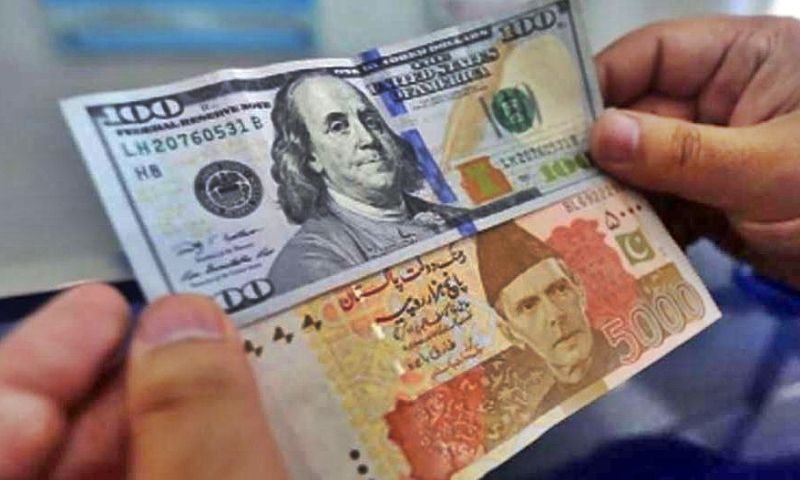
KARACHI: Pakistan’s real effective exchange rate (REER) climbed to its highest level in nearly nine years in October 2026, reflecting an appreciation of the rupee against the currencies of the country’s major trading partners after adjusting for inflation differences.
According to data released by the State Bank of Pakistan (SBP) on Tuesday, the REER index increased to 110.6 in October from 108.9 in September, reaching its highest level since January 2018.
The latest reading represents an increase of 1.7 index points, or approximately 1.56%, compared with the previous month.
Since the beginning of 2026, the index has appreciated by 6.83%, indicating a strengthening of the rupee in real, trade-weighted terms.
The REER is an important economic indicator used to assess the international competitiveness of a country’s currency and its potential implications for foreign trade.
Unlike the nominal exchange rate, which measures the value of one currency against another, the REER compares a country’s currency with a weighted basket of currencies belonging to its major trading partners.
It also accounts for differences in inflation, providing a broader assessment of changes in relative prices between domestic and international markets.
An increase in the REER generally indicates that domestic goods and services have become relatively more expensive compared with those of trading partners, assuming other factors remain unchanged.
This can create challenges for exporters by reducing the price competitiveness of their products in international markets.
A higher REER can also make imported goods relatively more attractive, potentially influencing trade flows and demand for locally manufactured products.
The October reading of 110.6 places the index above its base value of 100, indicating that the rupee’s inflation-adjusted, trade-weighted value is higher than during the reference period.
However, a reading above 100 does not automatically establish that a currency is fundamentally overvalued, as such an assessment also depends on economic conditions, productivity, trade patterns and the equilibrium exchange rate.
For Pakistan, the increase in REER is particularly relevant to export-oriented industries competing with manufacturers in regional and international markets.
Sectors dependent on competitive export pricing may face additional pressure if domestic production costs rise faster than those in competing economies.
At the same time, the stronger real exchange rate could provide some relief to businesses relying on imported raw materials, machinery and other production inputs, depending on movements in nominal exchange rates and international prices.
Despite the increase in the REER index, the Pakistani rupee remained broadly stable against the US dollar in the interbank foreign exchange market.
The local currency closed at Rs276.56 against the dollar on Tuesday, compared with Rs276.57 in the previous trading session.
The movement represented a marginal appreciation of one paisa, indicating limited day-to-day volatility in the interbank market.
In the open market, the rupee strengthened by 20 paisa to close at Rs278.33 per dollar, compared with Rs278.53 on Monday.
The difference between movements in the nominal exchange rate and the REER highlights the importance of inflation and currency developments across Pakistan’s trading partners.
Electricity Prices: CPPA-G Seeks Rs2.88 Per Unit Increase for October 2026
Even when the rupee remains relatively stable against the US dollar, changes in domestic inflation, foreign inflation and other exchange rates can influence its overall trade-weighted competitiveness.
The latest REER figures therefore provide an additional indicator for policymakers, exporters and financial market participants monitoring Pakistan’s external economic position.
Future movements in the index will depend on inflation trends, exchange rate developments and the relative performance of currencies in Pakistan’s major trading markets.
You may also like
-
SBP Policy Rate: Central Bank Highlights Inflation Risks and Economic Resilience in FY26
-
SIFC Investment: Pakistan Reports $20 Billion China Portfolio and $2.3 Billion Saudi Inflows
-
Pakistan IT Exports: Monthly Earnings Hit Record $453 Million in October 2026
-
Electricity Prices: CPPA-G Seeks Rs2.88 Per Unit Increase for October 2026
-
HBL Trade Financing: Commerce Ministry Pledges Support to Strengthen Pakistan’s Global Banking Links