
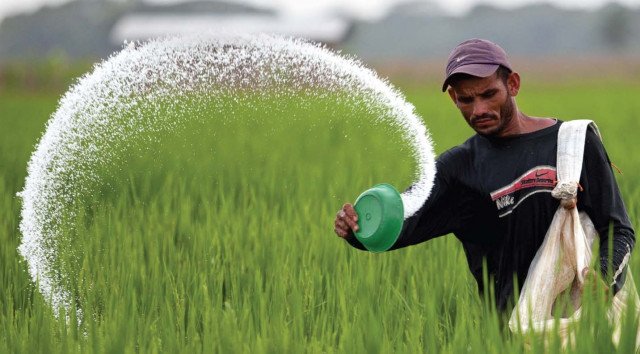
KARACHI:(05-11-2026) Pakistan’s agricultural sector is heading towards a serious crisis as a severe shortage of Di-Ammonium Phosphate (DAP) fertiliser threatens to disrupt sowing during the upcoming Rabi season. Cargo vessels carrying imported DAP fertiliser remain stranded in berth queues and at outer anchorage due to the non-availability of berths at Karachi Port, raising concerns over a significant decline in wheat production during the 2026-27 crop season.
According to sources, fertiliser supplies are already facing serious difficulties in major agricultural regions of Punjab and Sindh. DAP is a critical nutrient required during the initial stages of wheat sowing and plays a fundamental role in strengthening plant roots. Agricultural experts have warned that even a delay of two to three weeks in applying phosphate fertiliser during the optimal sowing period of October and November could permanently affect crop development, potentially reducing overall wheat yields by 20 to 25 percent.
Sources said the primary reasons behind the situation at the port include logistical challenges, delays in customs clearance and congestion at bulk cargo terminals. Although port authorities and terminal operators maintain that efforts are underway to handle vessels carrying fertiliser, the ground-level supply and distribution system is facing severe pressure. Dealers in major inland fertiliser markets have started restricting supplies due to limited available stocks, triggering concerns among farmers and creating the risk of hoarding. Complaints have also emerged regarding the sale of fertiliser at prices higher than officially prescribed rates.
A senior official of the Farmers Advisory Council said wheat crops require timely application of essential nutrients during their early growth stages. If farmers are forced to sow their crops without applying adequate quantities of DAP due to port-related delays or rising prices in the black market, a significant decline in per-acre yields could be witnessed at the time of harvesting in early 2027.
Gold Prices: Pakistan Rates Jump Rs9,600 to Rs435,636 per Tola
The potential decline in wheat production comes at an extremely concerning time for Pakistan’s food economy. Flour prices in major urban centres are already under pressure, with wheat flour currently selling at Rs150 to Rs180 per kilogram. Economic analysts have warned that a decline in the 2027 wheat harvest could force the government to rely on expensive imported wheat, potentially pushing retail flour prices beyond the unprecedented level of Rs200 per kilogram.
Representatives of the agricultural sector have urged the Ministry of Maritime Affairs, the Ministry of National Food Security and Research, and port authorities to take emergency measures to ensure the immediate clearance of all vessels carrying fertiliser at Karachi Port and Port Qasim. They stressed that fertiliser-laden vessels must be given berthing priority, customs clearance procedures expedited, and special arrangements made for the uninterrupted transportation of fertiliser to inland markets. These measures are essential to prevent temporary delays at ports from escalating into a nationwide food security crisis.
You may also like
-
Pakistan’s foreign reserves rise to $26.86bn
-
Gold Prices: Pakistan Rates Jump Rs9,600 to Rs435,636 per Tola
-
Minister Of State Bilal Bin Saqib meets Mastercard’s Division President for East Arabia to discuss Cross-Border payments, Digital-Asset Infrastructure, Tokenisation and Financial-Sector Resilience
-
Pakistan Trade Jam Kamal Holds Bilateral Talks with Saudi Arabia, Egypt and Tunisia
-
Allama Iqbal Day SBP and Banks to Remain Closed on November 9