Author name: Web Desk

OxfordAQA Enhances International Assessments with Earlier Results and More Choice for Schools and Students
Education

Oxford AQA Enhances International Assessments with Earlier Results and More Choice for Schools and Students

Pakistan: OxfordAQA – a partnership between Oxford University Press; a department of Oxford University; and AQA, the largest provider of GCSEs and A-levels in the United Kingdom (UK); have announced a groundbreaking series of ‘significant improvements;’ including earlier results, three series of yearly examinations, and two windows to submit International EPQ submission points. All advantages available to its international assessment offer now. Shaped by insights for greater advantage to the students globally, the enhancements will be introduced between 2026 and 2029, delivering greater choice and increased flexibility to plan university admissions and academic progression. They comprise: Earlier May/June Exam Results from July 2027; In 2027, International AS/A-level results day will be on 28 July, with International GCSE results on 4 August. Additional Exam Series: an October/November series for all International AS/A-level subjects from 2028, and a January International AS/A-level series for key subjects from 2029 (Biology, Chemistry, Physics, Maths, Further Maths, Economics). Twice‑yearly International EPQ submission points, beginning in May 2026, giving students more control to develop, refine, and complete their projects.Andrew Coombe, Managing Director of OxfordAQA said: “At OxfordAQA, our commitment is to make international exams work better for everyone. These enhancements are a direct response to what schools have told us they need. By releasing results earlier, expanding exam series, and providing greater flexibility for the International EPQ, we are helping schools tailor assessment to their teaching programmes and giving students more opportunities to succeed.” The earlier release of May/June results will give International AS and A-Level students more time/options when navigating global university admissions. It will also support International GCSE learners in planning their next steps, whether progressing to further study or new programmes. Expanding the number of exam series will provide schools operating on varied academic calendars with three opportunities each year to enter students at the right time, ensuring assessment aligns more closely with teaching cycles. From 2027, OxfordAQA will also extend the entries deadline for the May/June series to early March, providing schools with the January International AS/A-level unit results before finalising entries and allowing teachers and students to make more informed decisions. All exam timings for the May/June series will remain the same, with no changes.About OxfordAQA OxfordAQA is a provider of international GCSEs, AS and A-levels, and the International EPQ. Built on a partnership between AQA—the UK’s largest provider of academic qualifications—and Oxford University Press, a department of the University of Oxford, OxfordAQA brings together unparalleled assessment expertise and educational excellence. Its qualifications are designed specifically for international learners, supporting schools around the world.www.oxfordaqa.com/examdelivery For more information, please contact: Grace Carruthers | Senior News & PR Manager | Oxford University Press | grace.carruthers@oup.com

Power loadshedding in Pakistan rises amid hydropower drop and fuel cost surge
Editor pick, Pakistan

Power loadshedding in Pakistan rises amid hydropower drop and fuel cost surge

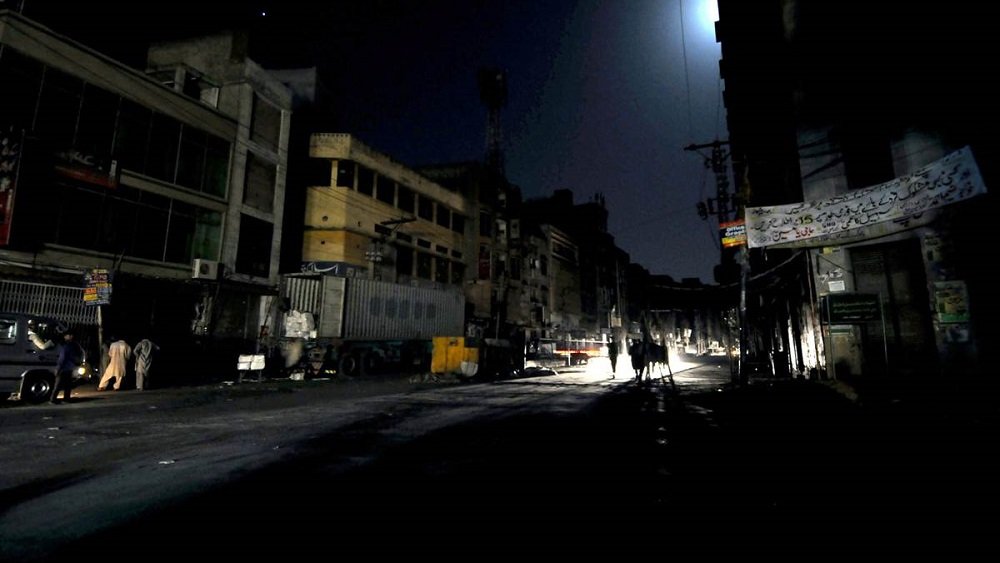
Power loadshedding in Pakistan has increased as the government moves to manage electricity shortfalls without placing additional financial pressure on consumers. Officials confirmed that outages of up to three hours are being implemented, mainly during nighttime peak demand. Read More: https://theboardroompk.com/dollars-seven-day-losing-streak-deepens-amid-iran-tensions-and-diplomatic-hopes/ Authorities say the decision reflects a generation gap of around 2,000 to 2,500 megawatts. This shortfall has emerged due to reduced hydropower output and limited generation from RLNG-based power plants. The situation highlights the ongoing challenges within Pakistan’s energy sector as supply struggles to meet demand. Government opts for controlled outages Officials stated that there is no shortage in installed generation capacity. However, the issue lies in fuel availability and cost management. Therefore, the government has opted for controlled power loadshedding in Pakistan to balance supply and demand. A high-level committee led by Muhammad Aurangzeb is closely monitoring the situation. The committee has reviewed the energy outlook and endorsed limited load management to prevent further financial strain. Sources within the committee revealed that average outages currently stand at around 2.25 hours. These outages mainly occur at night. The strategy aims to reduce reliance on expensive furnace oil and control the Fuel Charges Adjustment (FCA) passed on to consumers. Decline in hydropower generation intensifies crisis Hydropower generation has dropped significantly due to reduced water releases from reservoirs. This decline has become a key factor behind power loadshedding in Pakistan. Data from Water and Power Development Authority shows that water inflows remain lower than expected. At Tarbela Dam, inflows stood at 20,200 cusecs, while outflows were recorded at 8,000 cusecs. Similarly, Mangla Dam reported inflows of 29,100 cusecs and outflows of 8,000 cusecs. Water levels remain above minimum operating thresholds. However, provinces have not submitted sufficient water demands, also known as indents. This situation has restricted water releases for power generation. Experts say ongoing rains and the harvesting season have influenced water usage decisions. Farmers have prioritized crop protection, which has indirectly reduced water availability for hydropower. Reservoir levels remain stable but underutilised At Tarbela, the current water level stands at 1,465.62 feet. This is above the minimum operating level of 1,402 feet but below the maximum conservation level of 1,550 feet. Live storage is recorded at 1.526 million acre-feet. Mangla Dam shows a similar trend. Its water level stands at 1,156.90 feet, above the minimum level of 1,050 feet. However, it remains below the maximum capacity of 1,242 feet. Live storage at Mangla is currently 1.989 million acre-feet. Despite adequate storage, limited water releases have constrained hydropower generation. This imbalance has contributed directly to power loadshedding in Pakistan. RLNG shortage worsens power generation gap The shortage of RLNG supply has further deepened the crisis. RLNG-based power plants play a crucial role in meeting demand, especially during peak hours. However, limited gas availability has reduced their output. Officials revealed that the power sector requires around 300 to 350 MMCFD of RLNG. However, supply from Sui Northern Gas Pipelines Limited remains significantly lower. On March 14, allocation stood at about 130 MMCFD. This supply was limited to just one power plant. Later in March, gas availability dropped further to around 85 MMCFD. Currently, it hovers near 80 MMCFD, far below demand. This gap has forced authorities to rely on alternative fuels. However, these alternatives come at a much higher cost. Furnace oil prices surge sharply The cost of furnace oil has doubled in recent months. Prices have surged from around Rs200,000 per ton in February 2026 to nearly Rs400,000 per ton. This sharp increase has made power generation significantly more expensive. Officials aim to avoid excessive use of furnace oil. Therefore, controlled outages have become a preferred option. This approach helps limit the financial impact on consumers while maintaining system stability. However, analysts warn that prolonged reliance on load management could affect economic activity. Businesses and households already face challenges due to inconsistent power supply. Impact on consumers and fuel charges Consumers are expected to face higher electricity costs in the coming months. Sources indicate a positive Fuel Charges Adjustment of more than Rs2 per unit for March 2026. This increase reflects higher generation costs due to expensive fuel and reduced hydropower output. As a result, power loadshedding in Pakistan not only affects supply but also adds financial pressure on consumers. Experts believe that managing both supply and cost will remain a delicate balance for policymakers. Any further disruption in fuel supply or water availability could worsen the situation. Key power plants affected by RLNG shortage Pakistan relies on several major RLNG-based power plants to bridge electricity demand. These plants were established between 2015 and 2018 to address chronic shortages. The Bhikki Power Plant has a capacity of 1,180 megawatts. The Haveli Bahadur Shah Power Plant produces 1,230 megawatts. Meanwhile, the Balloki Power Plant contributes 1,223 megawatts. Currently, these plants are operating below capacity due to limited gas supply. This underutilisation has significantly contributed to the overall generation shortfall. Outlook for the energy sector The current situation highlights structural challenges in Pakistan’s energy sector. While installed capacity remains sufficient, fuel constraints and resource management issues continue to disrupt supply. Officials hope that improved water inflows and better gas allocation will ease the crisis in the coming weeks. However, uncertainties remain, particularly regarding fuel prices and seasonal demand fluctuations. In the meantime, controlled power loadshedding in Pakistan is likely to continue as a short-term solution. Policymakers must balance affordability, reliability, and sustainability to stabilize the system. Conclusion Power loadshedding in Pakistan reflects deeper issues within the energy supply chain. Reduced hydropower generation, limited RLNG availability, and rising fuel costs have combined to create a challenging situation. While the government aims to protect consumers from excessive costs, the strategy comes with trade-offs. As the country navigates these challenges, long-term reforms in energy planning and resource management will be essential.

Dollar's seven-day losing streak deepens amid Iran tensions and diplomatic hopes
Business

Dollar’s seven-day losing streak deepens amid Iran tensions and diplomatic hopes

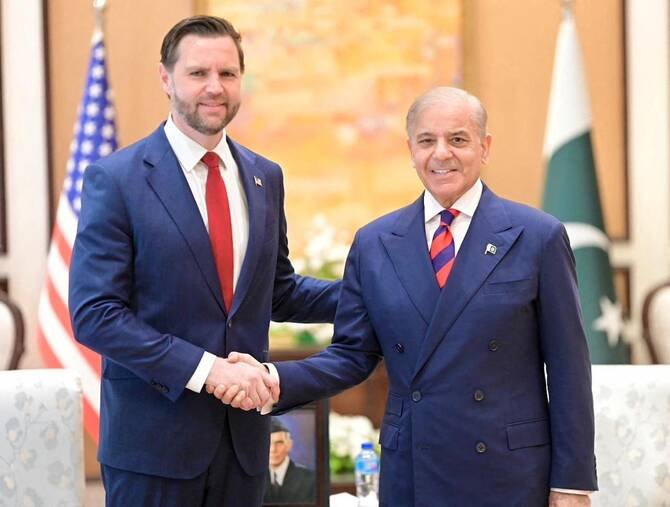
The dollar’s seven-day losing streak continued on Tuesday as global markets balanced geopolitical risks with cautious optimism over diplomacy. Investors closely watched developments involving the United States and Iran, particularly tensions around the Strait of Hormuz. At the same time, signals of possible negotiations offered limited relief to financial markets. Read More: https://theboardroompk.com/strategic-meeting-held-to-strengthen-collaboration-for-upcoming-conference-in-karachi/ The dollar index, which tracks the greenback against major currencies, remained steady but hovered near recent lows. It rose slightly by 0.05 percent to 98.39. However, it stayed close to its weakest level since early March. This marked a significant shift in momentum, as the dollar faced its first extended decline since December last year. Geopolitical tensions drive uncertainty The ongoing situation between the US and Iran remained the central driver of market sentiment. Donald Trump confirmed that US forces had begun a blockade targeting ships leaving Iranian ports. This move raised concerns about global oil supply disruptions, especially through the critical Strait of Hormuz. However, Trump also indicated that Iran had reached out and expressed willingness to negotiate. This statement introduced a mixed outlook. On one hand, the blockade heightened tensions. On the other, diplomatic engagement suggested a possible resolution. Meanwhile, JD Vance stated that the US expected progress from Iran regarding the reopening of the Strait of Hormuz. These comments reassured some investors, who viewed them as a signal that back-channel diplomacy remained active. Markets react to conflicting signals Currency markets reflected this uncertainty. While the dollar held steady on the day, it remained under pressure overall. Analysts said the dollar’s seven-day losing streak showed that traders were gradually shifting away from the greenback despite its safe-haven status. The euro edged up slightly to $1.1759. The British pound also gained marginally, reaching $1.3505. Meanwhile, the Japanese yen strengthened by 0.16 percent to 159.19 per dollar. Experts noted that geopolitical risks usually support the dollar. However, the possibility of a diplomatic breakthrough reduced demand for safe-haven assets. This shift weakened the dollar’s upward momentum.Keiichi Iguchi, a strategist at Resona Holdings, said recent statements from US officials had brought some relief to markets. He explained that renewed hopes for negotiations helped stabilize investor sentiment. Oil prices and supply concerns impact currencies Oil market movements also played a key role. US crude futures dropped by more than $2 in early Asian trading, settling near $96.99 per barrel. This decline came despite fears of supply disruptions due to the blockade. The US, as a major energy producer, remains better positioned to manage oil shocks compared to many other economies. This advantage initially supported the dollar. However, as oil prices showed signs of easing, the currency lost some of that support. Countries heavily dependent on oil imports, such as Japan, faced additional pressure. Rising oil prices can worsen trade balances and weaken local currencies. Japanese yen faces mixed pressures The Japanese yen presented a complex picture. While it gained slightly against the dollar, underlying risks remained. Analysts warned that sustained high oil prices could weaken Japan’s trade balance. At the same time, expectations regarding monetary policy also shifted. Investors reduced their bets on a near-term interest rate hike by the Bank of Japan. This change reflected growing uncertainty about the economic outlook. Interest rate swaps showed a 40 percent probability of a rate hike this month. This marked a sharp drop from 57 percent just days earlier. The decline highlighted how geopolitical tensions influenced central bank expectations. Kazuo Ueda emphasized caution in recent remarks. He warned about the economic fallout from the Iran conflict. His comments suggested that the central bank might delay tightening policies until conditions stabilize. Key currency thresholds under watch Market participants closely monitored the dollar-yen exchange rate. Analysts identified the 160 yen per dollar level as a critical threshold. A breach of this level could trigger intervention by Japanese authorities. Ray Attrill, a strategist at National Australia Bank, said the risk of the dollar rising beyond 160 yen remained significant. He noted that if the Bank of Japan paused its policy tightening, the yen could weaken further.This scenario would add another layer of volatility to currency markets. It would also complicate efforts by policymakers to maintain stability. Commodity currencies show weakness Elsewhere, commodity-linked currencies weakened against the dollar. The Australian dollar fell by 0.23 percent to $0.7078. The New Zealand dollar also declined by 0.15 percent to $0.5857. These currencies often react to shifts in global risk sentiment and commodity prices. The mixed signals from the US-Iran situation created uncertainty, leading to cautious trading behavior. Cryptocurrencies gain momentum In contrast, cryptocurrencies moved higher. Bitcoin rose by 1.66 percent to $74,409.95. Ethereum recorded a stronger gain of 5.17 percent, reaching $2,369.96. Investors increasingly viewed digital assets as alternative stores of value. This trend gained traction amid volatility in traditional markets. Analysts said geopolitical uncertainty often drives interest in decentralized assets. The dollar’s seven-day losing streak highlights the fragile balance in global markets. Investors continue to weigh geopolitical risks against diplomatic developments.While tensions in the Middle East create uncertainty, signs of negotiation offer hope. This dual narrative keeps markets volatile and directionless. Currency movements will likely depend on further developments in US-Iran relations. Any escalation could strengthen the dollar as a safe haven. Conversely, progress in diplomacy could extend its downward trend. At the same time, central bank policies will remain a key factor. Decisions by institutions like the Bank of Japan will influence currency dynamics in the coming weeks. The dollar’s seven-day losing streak reflects a complex global environment. Markets face competing forces of risk and optimism. Geopolitical tensions, oil price fluctuations, and policy expectations all shape the outlook. As investors monitor developments closely, volatility is expected to persist. The coming days will prove crucial in determining whether the dollar stabilizes or extends its decline.

US Iran Talks Stall as Diplomatic Efforts Continue Ahead of Ceasefire Deadline
World

US Iran Talks Stall as Diplomatic Efforts Continue Ahead of Ceasefire Deadline

US Iran Talks have entered a critical phase after marathon negotiations failed to produce a breakthrough, yet both sides remain open to further engagement. Despite deep disagreements, diplomatic channels remain active, offering cautious optimism that tensions may still be reduced before the current ceasefire expires on April 21. Read More: https://theboardroompk.com/service-long-march-tyres-ipo-to-raise-up-to-pkr-7-8-billion-for-local-tyre-production-expansion/ The lengthy discussions highlighted both the urgency of the situation and the complexity of reaching a mutually acceptable agreement. While no deal was finalized, officials from multiple countries involved in mediation believe the window for diplomacy has not closed. US Iran Talks Continue Despite No Breakthrough The recent round of US Iran Talks concluded without a decisive outcome, but negotiators left the door open for renewed dialogue. Reports indicate that the United States leadership is willing to resume face-to-face discussions if it believes Iran is prepared to meet key conditions. Officials are currently considering another in-person meeting before the ceasefire deadline. Although planning remains preliminary, advisers are discussing potential dates and venues, keeping preparations flexible in case diplomatic momentum builds quickly. This cautious approach reflects the fragile nature of the negotiations. Both sides are carefully balancing diplomatic engagement with strategic pressure, hoping to gain leverage without triggering further escalation. Key Disagreement: Uranium Enrichment Timeline A major obstacle in the US Iran Talks remains the duration of any suspension of Iran’s uranium enrichment program. Negotiators have explored proposals for a temporary halt, but disagreements over the timeframe continue to block progress. Washington is seeking stronger assurances and a longer suspension period, while Tehran appears reluctant to accept conditions it views as limiting its strategic autonomy. This core disagreement has emerged as the most significant barrier to reaching a compromise. Despite these differences, backchannel communication is still ongoing. Diplomats believe that continued engagement could eventually narrow the gap between both sides. Regional Tensions Complicate US Iran Talks Diplomatic efforts have also been complicated by developments on the ground. The Strait of Hormuz remains effectively closed, creating disruptions in global energy markets and heightening geopolitical risk. At the same time, the United States has imposed a blockade on Iranian ports, increasing economic pressure on Tehran. Washington views this as a strategy to encourage Iran to return to negotiations with greater flexibility, while Iranian officials believe regional disruptions strengthen their bargaining position. This dynamic has added urgency to the negotiations, as prolonged tensions could impact global trade and energy supply chains. Islamabad Meeting and Possible Future Venues The latest round of US Iran Talks lasted 21 hours and was held in Islamabad, involving high-level intermediaries from Pakistan, Turkey, Egypt, and Oman. The extensive duration of discussions underscores the seriousness of the diplomatic effort. Future venues under consideration include Geneva, Vienna, Istanbul, and Islamabad again. The choice of location will depend on diplomatic developments and logistical considerations. Some discussions have also explored extending the current ceasefire timeline to allow additional time for negotiations. Such a move could provide breathing space for both sides to refine proposals and work toward compromise. Vice Presidential Remarks Signal Pressure on Iran Recent comments from U.S. leadership suggest that Washington believes further progress now depends largely on Tehran. Officials stated that significant proposals have already been presented, and any potential agreement would require Iran to meet conditions related to its nuclear program. These remarks reflect a broader strategy combining diplomacy with pressure, aiming to push negotiations forward without abandoning talks entirely. Outlook for US Iran Talks Although the latest negotiations ended without a breakthrough, the continuation of backchannel communication indicates that diplomacy remains the preferred path. The coming days will be crucial as both sides decide whether to schedule another meeting before the ceasefire deadline. Analysts believe that even a limited agreement or ceasefire extension could help stabilize regional tensions and reopen critical trade routes. However, failure to reach progress may increase uncertainty in global markets and intensify geopolitical risks. For now, the US Iran Talks remain unresolved but active, with cautious optimism that continued engagement could still lead to a diplomatic solution.

Bank of Punjab CEO Extension: Zafar Masud Gets One-Year Contract Renewal
Pakistan

Bank of Punjab CEO Extension: Zafar Masud Gets One-Year Contract Renewal

The Bank of Punjab CEO Extension has been officially approved, bringing continuity to the leadership of one of Pakistan’s prominent public sector banks. The Board of Directors of The Bank of Punjab has granted a one-year extension in the employment contract of President and Chief Executive Officer Zafar Masud. The extension will take effect from April 16, 2026, on the existing terms and conditions. This decision was taken during the bank’s 330th Emergency Board meeting held on April 13, 2026. The approval followed a notification issued by the Finance Department of the Government of Punjab on the same day. The development was later communicated to the Pakistan Stock Exchange through an official notification. Why the Bank of Punjab CEO Extension Matters The Bank of Punjab CEO Extension is being seen as a move to ensure stability in the bank’s strategic direction. Leadership continuity is particularly important for financial institutions that are undergoing digital transformation, expanding outreach, and strengthening their role in Pakistan’s economic growth. Under Zafar Masud’s leadership, The Bank of Punjab has focused on modernization, financial inclusion, and improving operational efficiency. The extension signals confidence from stakeholders in his strategic vision and performance. Zafar Masud’s Extensive Banking Experience Zafar Masud is widely recognized as a seasoned banker and entrepreneur with over 27 years of experience. His professional background spans development finance, commercial banking, and financial sector reforms. He has held senior leadership roles at multinational banks both in Pakistan and internationally. One of his notable assignments was serving as Regional Managing Director and CEO for Southern Africa at Barclays Bank plc. In this role, he oversaw operations across three countries, managed a balance sheet of approximately three billion dollars, and supervised nearly ten thousand employees. His global exposure and leadership in complex financial environments have contributed significantly to his reputation in Pakistan’s banking industry. Leadership Roles Across Major Financial Institutions Before taking charge at The Bank of Punjab, Zafar Masud served in senior roles at several renowned institutions. His career includes positions at Citibank, Dubai Islamic Bank, and American Express Bank. These experiences provided him with a broad understanding of both conventional and Islamic banking systems. He also served as Director General of National Savings at the Ministry of Finance until August 2018. During his tenure, he played a key role in digitizing the organization. Initiatives included the introduction of online banking services and ATM cards. These reforms were implemented with the support of international partners such as development agencies and global financial institutions. Focus on Financial Inclusion and Innovation At National Savings, Zafar Masud introduced initiatives aimed at expanding financial inclusion. Welfare products were extended to persons with disabilities and families of martyrs. Additionally, Overseas Pakistanis Savings Certificates were launched to encourage diaspora investment in Pakistan. These initiatives reflected his commitment to inclusive finance and modernization of public sector financial institutions. His experience in implementing reforms is considered valuable for strengthening The Bank of Punjab’s long-term growth strategy. Board-Level Experience in Public and Private Sector Zafar Masud has also served on the boards of several major public and private sector organizations. His governance experience includes roles connected to financial regulation, energy, infrastructure, and industry. He was a member of the Independent Monetary Policy Committee of the State Bank of Pakistan. He has also served on the boards of key national institutions, including companies in the energy and infrastructure sectors. This wide-ranging experience has enhanced his understanding of Pakistan’s economic landscape. Outlook After the Bank of Punjab CEO Extension The Bank of Punjab CEO Extension is expected to provide continuity in leadership as the bank continues its growth trajectory. The move may also help maintain investor confidence and support ongoing strategic initiatives, including digital transformation and expansion in key sectors. With his extensive experience, reform-oriented approach, and focus on financial inclusion, Zafar Masud’s continued leadership is likely to play a crucial role in shaping The Bank of Punjab’s future direction and strengthening its position within Pakistan’s competitive banking sector.

Gold gains Rs4,600 as prices surge in Pakistan following global market rally
Business

Gold gains Rs4,600 as prices surge in Pakistan following global market rally

Gold gains Rs4,600 in Pakistan on Tuesday as local markets tracked a strong upward trend in international bullion prices. The sharp increase pushed gold rates close to the historic Rs500,000 per tola mark, signaling renewed investor interest amid global economic uncertainty. According to data released by the All-Pakistan Gems and Jewellers Sarafa Association, the price of gold per tola climbed to Rs499,962. This marks a significant daily increase of Rs4,600, reversing the previous session’s decline and restoring bullish momentum in the domestic bullion market. Local gold market rebounds strongly The surge comes after a brief dip on Monday when gold prices fell by Rs1,600 per tola to settle at Rs495,362. However, the latest upward movement highlights the volatility in the precious metals market. Traders reported increased buying activity as prices climbed sharply. Many investors returned to gold as a safe-haven asset, especially in light of ongoing global uncertainties. The near Rs500,000 threshold has also drawn attention from both retail buyers and institutional investors. In addition to per tola rates, the price of 10-gram gold also registered a notable increase. It rose by Rs3,943 to reach Rs428,636. This consistent rise across different weight categories reflects strong alignment with international price trends. International market drives price surge The global gold market played a key role in the latest increase. International gold prices rose by $46 per ounce, reaching $4,776. Analysts attributed this rise to a combination of geopolitical tensions, currency fluctuations, and investor demand for safe-haven assets. A premium of $20 per ounce was also included in the international rate, further contributing to higher domestic prices. Market experts noted that fluctuations in the US dollar and ongoing geopolitical developments continue to influence gold prices worldwide. As global investors shift their focus toward stability, gold remains a preferred choice. This trend directly impacts markets like Pakistan, where local prices closely follow international benchmarks. Silver prices also see sharp increase Alongside gold, silver prices also recorded a strong upward movement in the local market. The price of silver per tola increased by Rs326, reaching Rs8,260. Traders said the rise in silver prices reflects a broader trend in precious metals. Industrial demand and global economic signals continue to influence silver alongside gold. The parallel increase in both metals indicates a wider shift in investor sentiment. Market participants are diversifying their holdings amid ongoing economic uncertainty. Factors influencing gold prices in Pakistan Several factors contributed to the latest surge where gold gains Rs4,600. Firstly, international market trends remain the primary driver. Any increase in global prices quickly translates into higher local rates. Secondly, currency exchange rates play a critical role. A weaker Pakistani rupee against the US dollar can further push gold prices upward. Although the current increase mainly reflects global movements, currency dynamics continue to influence long-term trends. Thirdly, geopolitical tensions and economic uncertainty boost demand for gold. Investors often turn to gold during periods of instability, viewing it as a reliable store of value. Lastly, domestic demand patterns also affect pricing. Wedding seasons, investment trends, and market speculation contribute to short-term price fluctuations. Investor sentiment remains cautious Despite the surge, market participants remain cautious. Analysts warn that gold prices may continue to fluctuate due to rapidly changing global conditions. Short-term corrections remain possible, especially if international markets stabilize or the US dollar strengthens. However, the overall outlook for gold remains strong, supported by continued demand for safe-haven assets. Investors are advised to monitor global developments closely. Any changes in geopolitical tensions or economic policies could impact gold prices in the coming days. Nearing historic milestone The latest increase has brought gold prices in Pakistan very close to a historic milestone of Rs500,000 per tola. Crossing this level would mark a new record and could further influence market behavior. Traders expect increased activity if prices break this psychological barrier. Buyers may rush to secure gold before further increases, while sellers could take advantage of record-high rates. This milestone also reflects the broader trend of rising precious metal prices globally. It highlights the growing importance of gold as a hedge against inflation and uncertainty. Outlook for coming days The short-term outlook suggests continued volatility. Much will depend on international market trends, currency stability, and geopolitical developments. If global gold prices continue to rise, local markets will likely follow. Conversely, any decline in international rates could lead to corrections in Pakistan. However, the current trend indicates strong support for gold prices. Analysts believe that sustained demand and economic uncertainty will keep prices elevated in the near term. Gold gains Rs4,600 in Pakistan, reflecting a strong rebound driven by international market trends. The surge highlights the metal’s role as a safe-haven asset during uncertain times. With prices nearing the Rs500,000 per tola mark, the market remains highly active. Investors and traders continue to monitor global developments closely, as these will shape the future direction of gold prices.

Alibaba BNPL Pakistan: A Major Step for Digital Credit and E-Commerce Growth
Business

Alibaba BNPL Pakistan: A Major Step for Digital Credit and E-Commerce Growth

Alibaba BNPL Pakistan has emerged as a major development in the country’s financial technology landscape. The Securities and Exchange Commission of Pakistan has granted a Non-Banking Finance Company license to Cocotech Pakistan, a company linked to Alibaba Group. This approval will allow the company to introduce Buy Now Pay Later services in Pakistan, opening new doors for consumers, online retailers, and the broader digital economy. Read More: https://theboardroompk.com/service-long-march-tyres-ipo-to-raise-up-to-pkr-7-8-billion-for-local-tyre-production-expansion/ The move reflects growing investor confidence in Pakistan’s expanding e-commerce market and highlights the increasing role of fintech solutions in improving access to credit. What Alibaba BNPL Pakistan Means for Consumers The introduction of Buy Now Pay Later services will allow Pakistani consumers to purchase products online and pay through flexible installment plans. This model reduces the need for traditional credit cards and makes digital shopping more accessible to a wider population. With Alibaba BNPL Pakistan entering the market, customers will benefit from simplified financing options. Consumers can spread payments over manageable periods, which may increase purchasing power while supporting responsible spending. For many Pakistanis who lack access to formal credit facilities, this initiative could serve as a gateway to financial inclusion. Boost for Pakistan’s Digital Economy Pakistan’s digital economy has been expanding rapidly, driven by increasing smartphone penetration, internet access, and online marketplaces. The entry of Alibaba-linked financing services is expected to accelerate this momentum. The licensing of Cocotech Pakistan demonstrates regulatory support for fintech innovation. By allowing new players to operate under a regulated framework, authorities aim to balance innovation with consumer protection. This environment encourages competition among financial service providers and enhances service quality. Furthermore, Alibaba BNPL Pakistan is likely to increase transaction volumes on e-commerce platforms. When customers gain easier access to installment-based payments, online retailers often experience higher conversion rates and larger average order values. Investment Signals from Alibaba Group The involvement of Alibaba Group also indicates potential foreign investment opportunities. The company’s interest in Pakistan suggests confidence in the country’s growing consumer market. Analysts believe that international technology firms view Pakistan as a promising destination due to its young population and rising digital adoption. Direct investment by global technology companies often leads to knowledge transfer, improved digital infrastructure, and new employment opportunities. As a result, Alibaba BNPL Pakistan could serve as a catalyst for broader fintech development. SECP Chairman Highlights Market Opportunities Dr. Kabir Sidhu, Chairman of the Securities and Exchange Commission of Pakistan, emphasized that the country’s expanding digital economy continues to attract global investors. He noted that Pakistan offers significant opportunities within the financial services sector. According to him, improved access to financial services will benefit young entrepreneurs, freelancers, and small businesses. These groups often face challenges in obtaining traditional financing. With installment-based digital credit, they can purchase tools, inventory, and services needed to grow their operations. Dr. Sidhu also highlighted that the entry of Alibaba-linked services will enhance competition in Pakistan’s fintech ecosystem. Increased competition typically leads to better pricing, improved customer experience, and more innovative financial solutions. Impact on Freelancers and Small Businesses Alibaba BNPL Pakistan is particularly relevant for freelancers and small enterprises. Many small business owners rely on personal savings to purchase equipment or inventory. Installment-based financing can help them scale operations without heavy upfront costs. Freelancers may also benefit from financing options to buy laptops, software, or workspace equipment. As Pakistan’s freelance economy continues to grow, access to digital credit could strengthen productivity and earnings potential. The Road Ahead for Pakistan’s Fintech Sector The licensing of Cocotech Pakistan signals a new phase for fintech innovation in the country. Regulatory support combined with foreign investment is expected to expand digital financial services. More fintech companies may enter the market, introducing solutions such as micro-financing, digital wallets, and embedded finance. Alibaba BNPL Pakistan could therefore become a turning point for financial inclusion. By bridging the gap between consumers and credit, the initiative may accelerate digital commerce and support economic growth.

Service Long March Tyres IPO to Raise Up to PKR 7.8 Billion for Local Tyre Production Expansion
Pakistan

Service Long March Tyres IPO to Raise Up to PKR 7.8 Billion for Local Tyre Production Expansion

Service Long March Tyres IPO is set to draw significant attention in Pakistan’s capital markets as the company moves forward with plans to raise fresh capital for expanding domestic tyre manufacturing capacity. The company has filed its prospectus with the Pakistan Stock Exchange, aiming to secure between PKR 5.6 billion and PKR 7.8 billion through an initial public offering. This development reflects growing investor interest in Pakistan’s industrial sector and highlights the rising demand for locally manufactured automotive components. Read More: https://theboardroompk.com/pta-warns-citizens-share-otp-and-lose-your-whatsapp-forever/ Service Long March Tyres IPO: Key Details of the Offering The Service Long March Tyres IPO consists of 389.7 million ordinary shares, offered at a floor price of PKR 14.25 per share. These shares represent a 5 percent stake in the company after listing. The offering is expected to provide investors with an opportunity to participate in the growth of Pakistan’s expanding automotive aftermarket and original equipment manufacturing segment. The capital raised through the Service Long March Tyres IPO will primarily be utilized to finance the development of a passenger car radial tyre manufacturing facility. The project is estimated to cost approximately PKR 22.5 billion, indicating a major industrial investment in Pakistan’s manufacturing landscape. The remaining funding requirement will be met through long-term borrowing arrangements and internal cash generation. Why the Service Long March Tyres IPO Matters for Pakistan’s Economy The Service Long March Tyres IPO comes at a time when Pakistan’s tyre market is witnessing strong demand for locally produced radial tyres. Historically, this segment has been dominated by imported products, placing pressure on foreign exchange reserves and increasing costs for consumers. By investing in domestic production capacity, the company aims to reduce reliance on imports and strengthen local manufacturing. The expansion is expected to create multiple economic benefits. Increased local production can help stabilize prices, support employment, and contribute to industrial growth. Moreover, it aligns with broader government objectives of import substitution and strengthening domestic value chains. Growing Demand Driving Service Long March Tyres IPO Strategy The strategic focus behind the Service Long March Tyres IPO is closely linked to evolving consumer trends. Pakistan’s automotive sector, particularly passenger cars, has gradually shifted toward radial tyres due to their improved fuel efficiency, durability, and safety benefits. As vehicle ownership continues to grow, demand for these tyres is expected to increase further. By establishing local manufacturing capabilities, the company aims to capture a larger share of this expanding market. This move could also improve supply chain efficiency and reduce delivery times for distributors and automobile manufacturers. Funding Structure After the Service Long March Tyres IPO While the Service Long March Tyres IPO will contribute a substantial portion of the project funding, the remaining investment will be financed through long-term borrowing and internal cash flows. This balanced financing approach allows the company to maintain operational flexibility while supporting large-scale expansion. The combination of equity financing and debt funding is commonly used in capital-intensive industrial projects, enabling companies to scale production without overburdening their balance sheets. Outlook for Investors and Industry The Service Long March Tyres IPO highlights growing confidence in Pakistan’s manufacturing sector. Investors may view the offering as an opportunity to gain exposure to a company positioned to benefit from rising domestic demand and reduced import dependence. Meanwhile, the tyre industry is expected to become more competitive, potentially leading to improved product availability and pricing for consumers. If successfully executed, the expansion project could strengthen Pakistan’s industrial base and support long-term growth in the automotive ecosystem.

PTA Warns Citizens: Share OTP and Lose Your WhatsApp Forever
Pakistan

PTA Warns Citizens: Share OTP and Lose Your WhatsApp Forever

Pakistan Telecommunication Authority (PTA) has issued a fresh public advisory warning citizens about the alarming rise in WhatsApp hacking incidents across the country. Fraudsters are increasingly using social engineering tactics to trick users into sharing their six-digit verification codes, gaining full control of accounts within seconds. Rising Threat of WhatsApp Hijacking The advisory highlights that hackers often pose as delivery riders, bank officials, or even contacts from already-compromised numbers. Unsuspecting users, including elders, women, and business owners, receive urgent messages demanding the OTP code sent by WhatsApp via SMS or call. Once shared, the hacker logs in instantly, as WhatsApp allows only one active device at a time. PTA stresses that this is not a technical exploit but a human-error-based scam that has affected thousands recently. Immediate Recovery and Safety Measures If your account is hacked, PTA advises immediate action: uninstall WhatsApp, reinstall it, and re-verify your original phone number. This logs out the intruder. In cases where the hacker has enabled two-step verification, users must wait up to seven days to regain access without the PIN. During this period, keep the SIM active and inform friends and family through another number not to trust suspicious messages. Experts recommend enabling two-step verification with a six-digit PIN and email address right away. Never share OTPs or QR codes, avoid clicking suspicious links offering free data or rewards, and regularly check linked devices in WhatsApp settings. PTA urges everyone to stay vigilant, update apps, and use biometric locks on phones to prevent future breaches. This timely advisory aims to empower citizens with simple, effective tools to reclaim and protect their digital lives. Keywords: WhatsApp hacking Pakistan, PTA advisory, OTP scam recoveryMeta Description: PTA issues urgent guidelines on recovering hacked WhatsApp accounts in Pakistan. Learn simple recovery steps, prevention tips, and how to stay safe from social engineering scams.

Australia appoints woman as first Army chief in historic military reshuffle
Politics

Australia appoints woman as first Army chief in historic military reshuffle

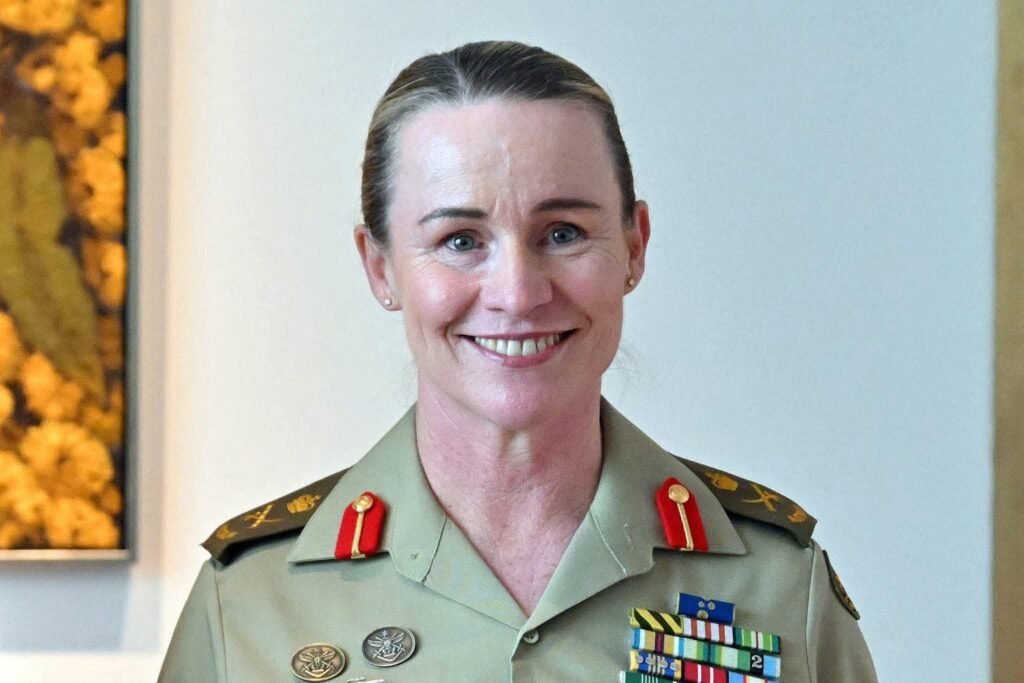
In a landmark decision, Anthony Albanese announced that Australia appoints woman as the head of its army for the first time in history. The move marks a defining moment in the country’s defence leadership and signals a broader shift toward gender inclusion in the military. Read More: https://theboardroompk.com/pakistan-unveils-1-billion-ai-push-to-power-next-gen-digital-infrastructure/ Lieutenant General Susan Coyle will assume the role of Chief of Army in July. She will replace Simon Stuart, bringing decades of military experience to the position. The announcement forms part of a wider leadership reshuffle across the Australian Defence Force. Historic appointment reshapes military leadership The government described the decision as a historic milestone. Prime Minister Albanese confirmed that this would be the first time a woman leads the army in its 125-year history. He emphasized that the appointment reflects evolving values within Australia’s defence system. Defence Minister Richard Marles also highlighted the significance of the moment. He called it a “deeply historic” step and stressed its impact on future generations of women. He noted that representation matters in leadership roles. According to Marles, Coyle’s rise proves that barriers can be broken. He added that her leadership will inspire women currently serving in the military as well as those considering joining. Susan Coyle’s military journey and experience Susan Coyle brings nearly four decades of experience to her new role. She enlisted in the army in 1987 and steadily rose through the ranks. Over the years, she has held several senior command and strategic positions. Currently, she serves as Chief of Joint Capabilities. In that role, she has overseen critical defence planning and capability development. Her leadership has earned respect within military circles. Coyle, 55, has built a career defined by discipline and operational expertise. Officials say her experience makes her well-suited to lead the army during a time of strategic challenges and reforms. Importantly, she will also become the first woman to lead any service branch within the Australian military. This adds further weight to her appointment and underscores its historic nature. Gender representation remains a key challenge The development comes as the Australian Defence Force works to improve gender diversity. Currently, women make up about 21 percent of the total force. However, only 18.5 percent hold senior leadership roles. The ADF has set a target to increase female participation to 25 percent by 2030. Officials believe leadership appointments like Coyle’s will help accelerate progress toward that goal. Moreover, her appointment addresses long-standing concerns about gender imbalance in defence institutions. Experts argue that visible representation at the top encourages broader participation across all levels. Allegations of misconduct add urgency for reform At the same time, the military faces serious challenges related to workplace culture. Last October, a class action lawsuit targeted the ADF. The case alleges that the institution failed to protect thousands of female personnel from sexual harassment, assault, and discrimination. These allegations have intensified calls for reform within the military. Analysts say leadership changes could play a crucial role in addressing these systemic issues. Coyle’s appointment comes at a time when the ADF seeks to rebuild trust and strengthen internal accountability. Observers expect her leadership to focus not only on defence readiness but also on improving workplace culture. Wider defence reshuffle signals strategic shift Alongside Coyle’s appointment, the government announced other key leadership changes. Vice Admiral Mark Hammond will take over as Chief of the Defence Force. He will succeed Admiral David Johnston. Hammond currently leads the navy and brings extensive operational experience. His promotion reflects a broader strategy to align leadership with evolving defence priorities. Meanwhile, Rear Admiral Matthew Buckley will step in as the new head of the navy. These changes aim to ensure continuity while introducing fresh leadership perspectives. Symbol of change and future direction The announcement that Australia appoints woman as army chief carries symbolic and practical importance. It signals a shift toward inclusivity while reinforcing the government’s commitment to reform. Coyle’s leadership will likely influence both policy direction and institutional culture. Her appointment sets a precedent for future leadership roles across the military. Furthermore, the move highlights Australia’s effort to modernize its defence force. As global security challenges evolve, leadership diversity becomes increasingly important. Observers say this decision reflects a broader global trend. Many countries are now focusing on diversity within their armed forces. Australia’s step adds momentum to that movement. Susan Coyle’s appointment represents both achievement and responsibility. As she takes command in July, expectations will be high. Her leadership will shape not only defence strategies but also the future culture of the Australian military. The coming months will test how effectively the new leadership team can address ongoing challenges. However, one thing remains clear. This moment will stand as a defining chapter in Australia’s defence evolution.

Scroll to Top