
US Iran Talks have entered a critical phase after marathon negotiations failed to produce a breakthrough, yet both sides remain open to further engagement. Despite deep disagreements, diplomatic channels remain active, offering cautious optimism that tensions may still be reduced before the current ceasefire expires on April 21.
The lengthy discussions highlighted both the urgency of the situation and the complexity of reaching a mutually acceptable agreement. While no deal was finalized, officials from multiple countries involved in mediation believe the window for diplomacy has not closed.
US Iran Talks Continue Despite No Breakthrough
The recent round of US Iran Talks concluded without a decisive outcome, but negotiators left the door open for renewed dialogue. Reports indicate that the United States leadership is willing to resume face-to-face discussions if it believes Iran is prepared to meet key conditions.
Officials are currently considering another in-person meeting before the ceasefire deadline. Although planning remains preliminary, advisers are discussing potential dates and venues, keeping preparations flexible in case diplomatic momentum builds quickly.
This cautious approach reflects the fragile nature of the negotiations. Both sides are carefully balancing diplomatic engagement with strategic pressure, hoping to gain leverage without triggering further escalation.
Key Disagreement: Uranium Enrichment Timeline
A major obstacle in the US Iran Talks remains the duration of any suspension of Iran’s uranium enrichment program. Negotiators have explored proposals for a temporary halt, but disagreements over the timeframe continue to block progress.
Washington is seeking stronger assurances and a longer suspension period, while Tehran appears reluctant to accept conditions it views as limiting its strategic autonomy. This core disagreement has emerged as the most significant barrier to reaching a compromise.
Despite these differences, backchannel communication is still ongoing. Diplomats believe that continued engagement could eventually narrow the gap between both sides.
Regional Tensions Complicate US Iran Talks
Diplomatic efforts have also been complicated by developments on the ground. The Strait of Hormuz remains effectively closed, creating disruptions in global energy markets and heightening geopolitical risk.
At the same time, the United States has imposed a blockade on Iranian ports, increasing economic pressure on Tehran. Washington views this as a strategy to encourage Iran to return to negotiations with greater flexibility, while Iranian officials believe regional disruptions strengthen their bargaining position.
This dynamic has added urgency to the negotiations, as prolonged tensions could impact global trade and energy supply chains.
Islamabad Meeting and Possible Future Venues
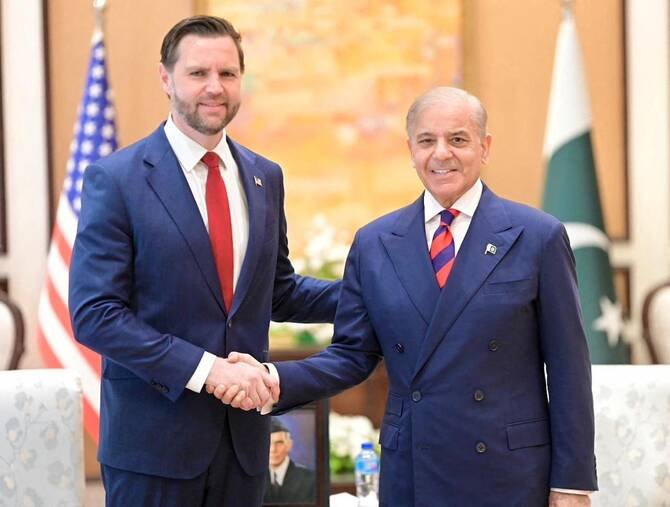
The latest round of US Iran Talks lasted 21 hours and was held in Islamabad, involving high-level intermediaries from Pakistan, Turkey, Egypt, and Oman. The extensive duration of discussions underscores the seriousness of the diplomatic effort.
Future venues under consideration include Geneva, Vienna, Istanbul, and Islamabad again. The choice of location will depend on diplomatic developments and logistical considerations.
Some discussions have also explored extending the current ceasefire timeline to allow additional time for negotiations. Such a move could provide breathing space for both sides to refine proposals and work toward compromise.
Vice Presidential Remarks Signal Pressure on Iran
Recent comments from U.S. leadership suggest that Washington believes further progress now depends largely on Tehran. Officials stated that significant proposals have already been presented, and any potential agreement would require Iran to meet conditions related to its nuclear program.
These remarks reflect a broader strategy combining diplomacy with pressure, aiming to push negotiations forward without abandoning talks entirely.
Outlook for US Iran Talks
Although the latest negotiations ended without a breakthrough, the continuation of backchannel communication indicates that diplomacy remains the preferred path. The coming days will be crucial as both sides decide whether to schedule another meeting before the ceasefire deadline.
Analysts believe that even a limited agreement or ceasefire extension could help stabilize regional tensions and reopen critical trade routes. However, failure to reach progress may increase uncertainty in global markets and intensify geopolitical risks.
For now, the US Iran Talks remain unresolved but active, with cautious optimism that continued engagement could still lead to a diplomatic solution.