
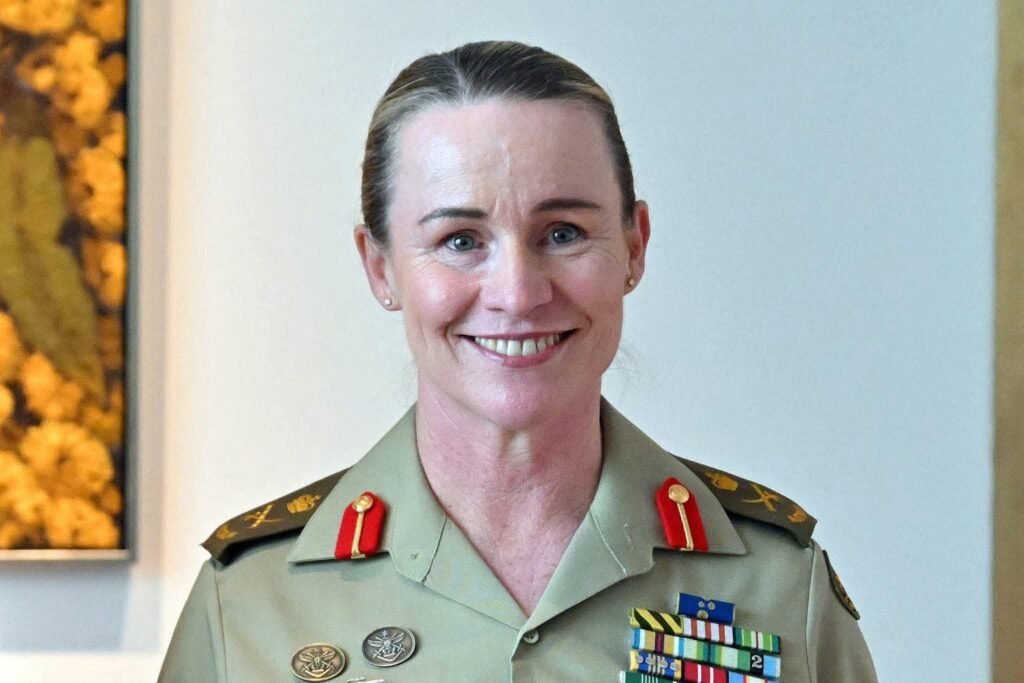
In a landmark decision, Anthony Albanese announced that Australia appoints woman as the head of its army for the first time in history. The move marks a defining moment in the country’s defence leadership and signals a broader shift toward gender inclusion in the military.
Lieutenant General Susan Coyle will assume the role of Chief of Army in July. She will replace Simon Stuart, bringing decades of military experience to the position. The announcement forms part of a wider leadership reshuffle across the Australian Defence Force.
Historic appointment reshapes military leadership
The government described the decision as a historic milestone. Prime Minister Albanese confirmed that this would be the first time a woman leads the army in its 125-year history. He emphasized that the appointment reflects evolving values within Australia’s defence system.
Defence Minister Richard Marles also highlighted the significance of the moment. He called it a “deeply historic” step and stressed its impact on future generations of women.
He noted that representation matters in leadership roles. According to Marles, Coyle’s rise proves that barriers can be broken. He added that her leadership will inspire women currently serving in the military as well as those considering joining.
Susan Coyle’s military journey and experience
Susan Coyle brings nearly four decades of experience to her new role. She enlisted in the army in 1987 and steadily rose through the ranks. Over the years, she has held several senior command and strategic positions.
Currently, she serves as Chief of Joint Capabilities. In that role, she has overseen critical defence planning and capability development. Her leadership has earned respect within military circles.
Coyle, 55, has built a career defined by discipline and operational expertise. Officials say her experience makes her well-suited to lead the army during a time of strategic challenges and reforms.
Importantly, she will also become the first woman to lead any service branch within the Australian military. This adds further weight to her appointment and underscores its historic nature.
Gender representation remains a key challenge
The development comes as the Australian Defence Force works to improve gender diversity. Currently, women make up about 21 percent of the total force. However, only 18.5 percent hold senior leadership roles.
The ADF has set a target to increase female participation to 25 percent by 2030. Officials believe leadership appointments like Coyle’s will help accelerate progress toward that goal.
Moreover, her appointment addresses long-standing concerns about gender imbalance in defence institutions. Experts argue that visible representation at the top encourages broader participation across all levels.
Allegations of misconduct add urgency for reform
At the same time, the military faces serious challenges related to workplace culture. Last October, a class action lawsuit targeted the ADF. The case alleges that the institution failed to protect thousands of female personnel from sexual harassment, assault, and discrimination.
These allegations have intensified calls for reform within the military. Analysts say leadership changes could play a crucial role in addressing these systemic issues.
Coyle’s appointment comes at a time when the ADF seeks to rebuild trust and strengthen internal accountability. Observers expect her leadership to focus not only on defence readiness but also on improving workplace culture.
Wider defence reshuffle signals strategic shift
Alongside Coyle’s appointment, the government announced other key leadership changes. Vice Admiral Mark Hammond will take over as Chief of the Defence Force. He will succeed Admiral David Johnston.
Hammond currently leads the navy and brings extensive operational experience. His promotion reflects a broader strategy to align leadership with evolving defence priorities.
Meanwhile, Rear Admiral Matthew Buckley will step in as the new head of the navy. These changes aim to ensure continuity while introducing fresh leadership perspectives.
Symbol of change and future direction
The announcement that Australia appoints woman as army chief carries symbolic and practical importance. It signals a shift toward inclusivity while reinforcing the government’s commitment to reform.
Coyle’s leadership will likely influence both policy direction and institutional culture. Her appointment sets a precedent for future leadership roles across the military.
Furthermore, the move highlights Australia’s effort to modernize its defence force. As global security challenges evolve, leadership diversity becomes increasingly important.
Observers say this decision reflects a broader global trend. Many countries are now focusing on diversity within their armed forces. Australia’s step adds momentum to that movement.
Susan Coyle’s appointment represents both achievement and responsibility. As she takes command in July, expectations will be high. Her leadership will shape not only defence strategies but also the future culture of the Australian military.
The coming months will test how effectively the new leadership team can address ongoing challenges. However, one thing remains clear. This moment will stand as a defining chapter in Australia’s defence evolution.