Author name: Web Desk

FBR 72-Hour Invoice Amendment Rule: New Restrictions on Sales Tax Invoice Changes in Pakistan
Politics

FBR 72-Hour Invoice Amendment Rule: New Restrictions on Sales Tax Invoice Changes in Pakistan

The FBR 72-Hour Invoice Amendment Rule marks a significant shift in Pakistan’s tax administration, as the Federal Board of Revenue (FBR) has imposed a strict three-day limit on cancellation, deletion, or amendment of electronic sales tax invoices. Issued through Sales Tax General Order No. 01 of 2026, the move is aimed at strengthening documentation, reducing manipulation, and enhancing transparency in sales reporting. Read More: https://theboardroompk.com/oil-swings-sharply-as-iran-de-escalation-hopes-clash-with-hormuz-closure-fears/ Under the new directive, registered sales tax persons integrated with FBR’s computerized invoicing system can only modify invoices within 72 hours of issuance. Even within this limited timeframe, changes will only be permitted in cases of genuine or bona fide errors. How the FBR 72-Hour Invoice Amendment Rule Works The new system requires that any modification to invoices must be processed through FBR’s centralized digital platform. This ensures real-time reporting and maintains a complete audit trail for tax authorities. After the 72-hour window expires, businesses will no longer have the autonomy to amend invoices. Instead, they must obtain prior approval from the concerned Commissioner Inland Revenue. This additional step introduces a formal review mechanism, making retrospective changes more difficult and closely monitored. This policy is designed to curb post-reporting adjustments, which have historically created compliance risks and allowed manipulation of declared sales figures. Digital Integration Remains Mandatory for Businesses The implementation of the FBR 72-Hour Invoice Amendment Rule is part of a broader initiative to enforce provisions under the Sales Tax Act, 1990. The law requires businesses to integrate their electronic invoicing systems with FBR for real-time reporting. Earlier, SRO 1413(I)/2025 mandated the adoption of digital invoicing through licensed integrators. However, businesses had raised concerns about operational bottlenecks caused by reliance on a single integrator. In response, FBR has now allowed registered persons to engage one or more licensed integrators for system integration. This adjustment provides flexibility while maintaining standardization through approved service providers. Policy Objective Behind the 72-Hour Limit The introduction of a defined time cap for invoice adjustments reflects FBR’s strategy to improve documentation and prevent after-the-fact manipulation. By locking invoices after three days, the tax authority aims to: • Improve accuracy of reported sales data• Strengthen audit trails and transaction traceability• Reduce misuse of invoice editing• Enhance transparency in tax reporting• Support real-time enforcement and compliance monitoring These measures are aligned with Pakistan’s ongoing transition toward a digitized tax ecosystem. Compliance Challenges for Businesses While the FBR 72-Hour Invoice Amendment Rule enhances transparency, it may also increase compliance pressure for businesses. Companies with complex supply chains, high transaction volumes, or decentralized operations may find it challenging to identify errors within the limited timeframe. Additionally, requiring Commissioner-level approval for changes beyond 72 hours could lead to procedural delays. Businesses will need stronger internal controls, improved reconciliation processes, and better coordination between finance and operations teams. Greater Flexibility Through Multiple Integrators To address operational challenges, FBR has allowed businesses to work with multiple licensed integrators instead of a single provider. This change is expected to reduce technical dependencies and provide industry-specific solutions for system integration. However, integration must still be carried out through FBR-approved integrators to ensure compatibility and standardized reporting. What Businesses Should Do Now Companies registered under the sales tax regime should review their invoicing workflows immediately. Key actions include: • Strengthening internal verification processes within 72 hours• Training finance and tax teams on new compliance requirements• Implementing automated reconciliation systems• Ensing seamless integration with FBR-approved platforms• Maintaining documentation for genuine correction requests The FBR 72-Hour Invoice Amendment Rule represents a decisive move toward real-time tax enforcement and transparent documentation. While it increases compliance responsibilities, the measure is expected to enhance data integrity, reduce manipulation, and support revenue mobilization efforts. With immediate implementation in effect, businesses must adapt quickly to avoid operational disruptions and regulatory risks.
Bilal bin Saqib is Playing Key Role in Pakistan’s Crypto Connection to Trump World
Business

Bilal bin Saqib is Playing Key Role in Pakistan’s Crypto Connection to Trump World

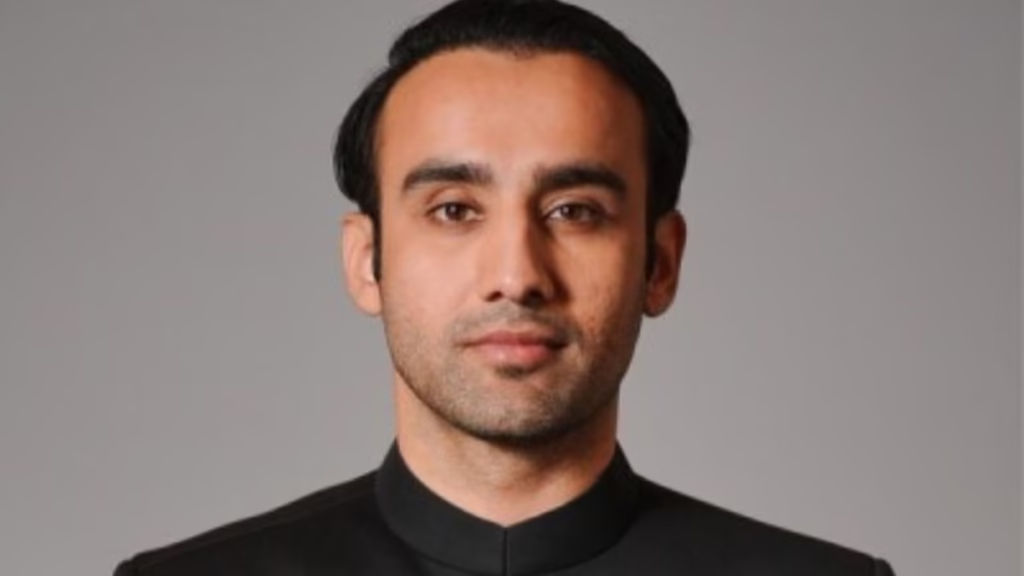
Bilal bin Saqib, a 35-year-old Lahore-born tech entrepreneur, has quickly become a central figure in Pakistan’s unconventional outreach to the Trump administration through cryptocurrency channels. Read More: https://theboardroompk.com/oil-swings-sharply-as-iran-de-escalation-hopes-clash-with-hormuz-closure-fears/ From PM Aide to Crypto Bridge Saqib previously served as the Prime Minister’s aide on blockchain and crypto.He now heads the Pakistan Crypto Council after stepping down from the official role. The self-described “crypto bro” and “builder” entered the space through hands-on experience. He once said failure is the best teacher in crypto, with no formal school available.‘Biplomacy’ Strategy Takes Shape Pakistan had little interest in crypto just two years ago.The military establishment later saw it as a valuable bargaining chip in global diplomacy. Saqib coined the term “biplomacy” – a play on Bitcoin – to describe Pakistan’s crypto-driven diplomatic push. This approach has opened new doors and helped rebrand the country on the world stage. Key Link to Trump World Saqib facilitated high-level engagements with World Liberty Financial, a decentralized finance project linked to Donald Trump’s family and associates. Pakistan rolled out the red carpet in Islamabad for executives including Zachary Witkoff earlier this year. The visit strengthened personal ties between US President Trump and Pakistan Army Chief General Asim Munir, says the report. Saqib also helped draft elements of a Pakistan-US trade framework that delivered concessions and expanded talks on energy, minerals, and technology. Deeper Ties and Opportunities An affiliate of World Liberty Financial signed a deal with Pakistan for digital payments and cross-border innovations. Saqib has connected Pakistani officials with global crypto players like Binance founder Changpeng Zhao. Analysts note that personal connections matter greatly in the current US administration. Crypto has given Pakistan a seat at the table and positioned it as a potential mediator between the US and Iran. Challenges and Optimism Pakistan still faces pressure from the IMF, which remains cautious about sovereign crypto experiments. Despite this, Saqib remains hopeful, citing serendipity and perfect timing. He believes crypto has built trust and created fresh conversations. For a nation seeking global investor interest, aligning with Washington’s crypto pivot signals relevance in a changing world order.

Oil Swings Sharply as Iran De-escalation Hopes Clash with Hormuz Closure Fears
World

Oil Swings Sharply as Iran De-escalation Hopes Clash with Hormuz Closure Fears

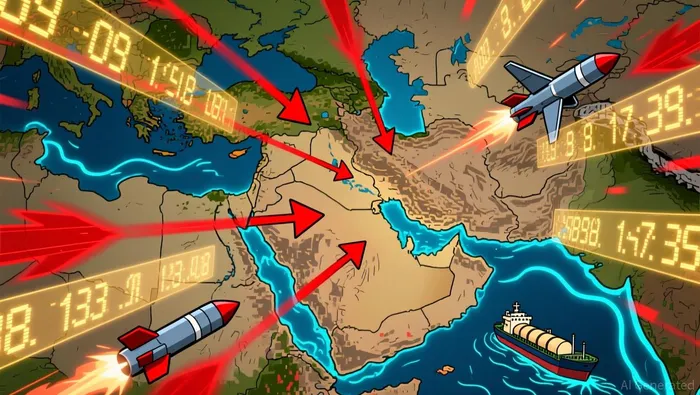
Oil prices swung sharply on Tuesday as traders balanced hopes of de-escalation in the Iran conflict against fears of a long-term shutdown of the Strait of Hormuz. Read More: https://theboardroompk.com/secp-mufap-membership-made-mandatory-to-strengthen-investor-protection-in-pakistan/ Market Volatility Persists Brent crude futures rose slightly by 18 cents, or 0.16 percent, to $112.96 per barrel in early trading. The more active June contract stood at $107.10. WTI futures fell 25 cents, or 0.24 percent, to $102.63 per barrel after touching recent highs. De-escalation Signals vs Supply Risks US President Donald Trump signaled willingness to end military action against Iran, even if the Strait of Hormuz stays closed for now. However, he warned of obliterating Iran’s energy plants and oil wells if the waterway is not reopened soon. The US extended its deadline for strikes into April. Traders remain cautious as any real relief depends on actual reopening of the critical chokepoint. The strait handles about one-fifth of global oil supply and significant LNG volumes. Analyst Sugandha Sachdeva noted that diplomatic signals are mixed, but ground realities suggest prolonged uncertainty. Restoring damaged infrastructure would take time even after de-escalation. Broader Disruptions Heighten Concerns A Kuwaiti crude tanker, fully loaded with up to two million barrels, was reportedly struck in an alleged Iranian attack near a Dubai port. Officials warned of possible oil spills from the incident. Yemen’s Iran-aligned Houthi forces launched missiles at Israel, raising risks to the Bab el-Mandeb strait and global shipping routes. Saudi Arabia has sharply increased crude exports through the Red Sea to Yanbu port, reaching 4.658 million barrels per day last week. A Reuters poll pointed to expected declines in US crude stockpiles, distillates, and gasoline inventories. Outlook Remains Tense Experts like Lin Ye from Rystad Energy warned that oil market buffers are shrinking fast. Prolonged closure could push the world closer to physical shortages in many regions, supporting further upward pressure on prices. This month, Brent has surged 59 percent while WTI gained 58 percent, marking some of the strongest monthly rises in recent history. Markets show little change overall but stay highly sensitive to any new headlines from the region.

SECP MUFAP Membership Made Mandatory to Strengthen Investor Protection in Pakistan
Pakistan

SECP MUFAP Membership Made Mandatory to Strengthen Investor Protection in Pakistan

Pakistan’s financial sector is set for a major regulatory shift as the Securities and Exchange Commission of Pakistan has made SECP MUFAP Membership mandatory for all investment advisors and distributors of mutual and pension funds. The directive requires these intermediaries to obtain membership from the Mutual Funds Association of Pakistan to standardize market practices and strengthen investor protection. Read More: https://theboardroompk.com/pakistan-diesel-imports-from-kuwait-under-pressure-after-strait-of-hormuz-disruption/ This step is designed to improve transparency and create uniform compliance standards across Pakistan’s asset management industry. By bringing advisors and distributors under one regulatory umbrella, the SECP aims to eliminate inconsistencies and enhance public confidence in financial investments. Why SECP MUFAP Membership Matters for Investors The introduction of SECP MUFAP Membership is expected to address several longstanding concerns in Pakistan’s financial ecosystem. Investors often face uncertainty regarding advisory practices, fee structures, and dispute resolution mechanisms. By enforcing membership, regulators intend to ensure that all professionals adhere to a unified Code of Conduct. This unified framework will create consistency in service delivery, improve governance, and strengthen oversight. Investors will also benefit from greater accountability, as advisors and distributors will now operate under defined professional standards. The initiative is particularly important in Pakistan, where financial literacy challenges and trust gaps continue to affect participation in mutual fund and pension products. Who Must Comply with SECP MUFAP Membership The SECP MUFAP Membership requirement applies to multiple categories of financial intermediaries. These include Licensed Investment Advisors, Licensed Securities Advisors, and distributors working with Asset Management Companies and Pension Fund Managers. By covering these key stakeholders, the directive ensures that nearly all customer-facing professionals in the mutual fund ecosystem operate under standardized guidelines. This broad application aims to remove fragmentation within the industry and align advisory services with international best practices. It also ensures that investors receive consistent information and guidance regardless of the platform or advisor they choose. MUFAP’s Role in Implementing SECP MUFAP Membership Under the new framework, MUFAP will facilitate membership registration and monitor compliance among advisors and distributors. The association will act as a central platform to promote professionalism and streamline operational standards. Through training, monitoring, and adherence to industry guidelines, MUFAP is expected to help elevate service quality across the sector. Additionally, the SECP MUFAP Membership framework introduces a formal mechanism for complaint handling and dispute resolution. Investors will have access to a structured system for addressing grievances, which is expected to improve service standards and enhance trust in financial intermediaries. SECP MUFAP Membership to Boost Transparency and Governance The SECP MUFAP Membership initiative is part of a broader regulatory strategy to improve governance in Pakistan’s financial markets. By enforcing standardized procedures, the SECP aims to enhance regulatory discipline and reduce operational risks. This will likely encourage greater participation in mutual funds and pension schemes, which remain underutilized despite their long-term benefits. Improved transparency is another key outcome of this directive. With all advisors operating under one code, investors can expect clearer communication regarding risks, fees, and investment strategies. This transparency will help individuals make more informed financial decisions. Impact on Pakistan’s Mutual Fund Industry Mandatory SECP MUFAP Membership could significantly strengthen the credibility of Pakistan’s asset management sector. Increased professionalism and stronger compliance standards are expected to attract both local and international investors. As investor confidence improves, the mutual fund industry may experience greater inflows and long-term growth. The directive also signals Pakistan’s commitment to aligning its financial markets with global regulatory standards. Such reforms are essential for building a reliable investment ecosystem that supports economic development and encourages savings through regulated channels. The SECP MUFAP Membership requirement marks an important step toward improving investor protection, transparency, and governance in Pakistan’s financial markets. By bringing all advisors and distributors under a unified regulatory framework, the initiative is expected to enhance trust and professionalism across the mutual fund and pension fund sectors. Over time, this move could play a critical role in expanding investor participation and strengthening Pakistan’s overall investment landscape.

Pakistan Diesel Imports from Kuwait Under Pressure After Strait of Hormuz Disruption
Pakistan

Pakistan Diesel Imports from Kuwait Under Pressure After Strait of Hormuz Disruption

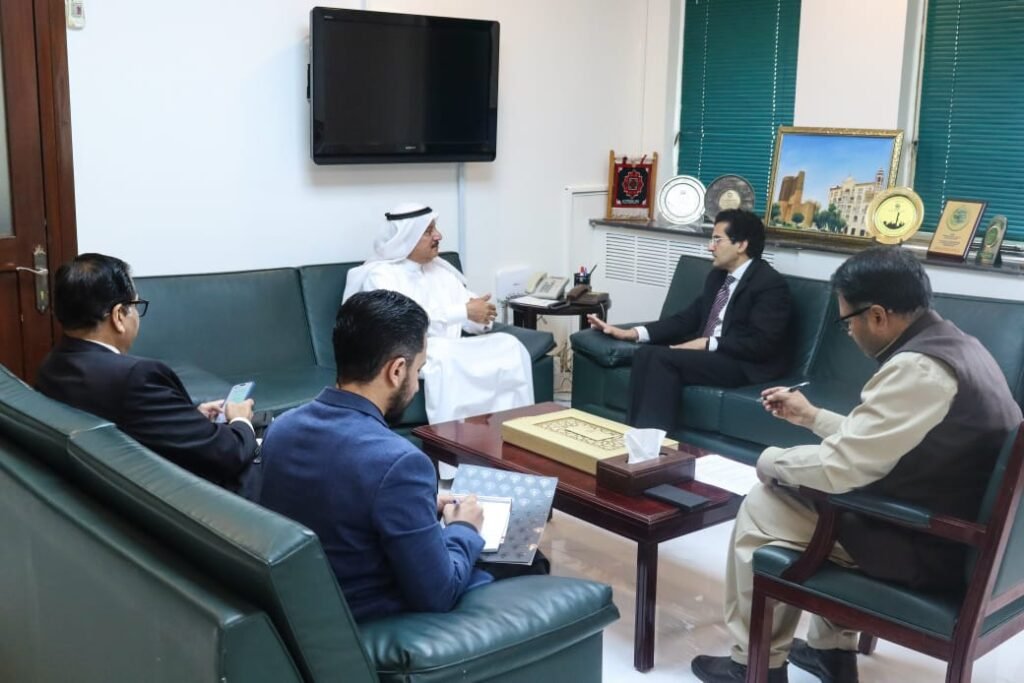
Pakistan diesel imports from Kuwait have come under renewed attention after disruptions caused by the closure of the Strait of Hormuz increased freight costs and raised concerns about energy supply security. The development highlights Pakistan’s dependence on imported fuel and the importance of long-standing bilateral energy ties with Kuwait. Read More: https://theboardroompk.com/tokenized-stocks-innovation-exemption-sec-may-open-door-for-crypto-based-stock-trading/ Pakistan currently imports more than 60 percent of its diesel requirements from Kuwait under a long-term agreement between Pakistan State Oil and Kuwait Petroleum Corporation. This arrangement has been a cornerstone of Pakistan’s fuel supply for decades, ensuring consistent diesel availability for transport, agriculture, and industrial sectors. Rising Freight Costs Challenge Pakistan Diesel Imports from Kuwait The closure of the Strait of Hormuz has forced shipping companies to use alternative routes, significantly increasing transportation costs. These additional freight expenses are expected to place pressure on Pakistan’s import bill and potentially impact domestic fuel pricing. Diesel plays a critical role in Pakistan’s economy. It powers heavy transport vehicles, public transport, agricultural machinery, and backup power generation. Any increase in diesel import costs can therefore ripple across multiple sectors, contributing to inflationary pressures. Industry experts believe that while Pakistan maintains long-term contracts, logistical disruptions can still affect pricing structures. The reliance on maritime routes passing through strategic chokepoints makes energy imports vulnerable to geopolitical developments. Pakistan and Kuwait Strengthen Energy Cooperation Amid these developments, Petroleum Minister Ali Pervaiz Malik met Kuwait’s Ambassador to Pakistan, Nassar Abdulrahman Jasser Almutairi, to discuss bilateral relations, energy cooperation, and regional developments. The meeting focused on ensuring continuity of Pakistan diesel imports from Kuwait and exploring ways to enhance collaboration in the energy sector. During the discussion, the minister emphasized the historic and brotherly relations between Pakistan and Kuwait. He noted that Pakistan has been purchasing petroleum products from Kuwait for nearly five decades, reflecting a relationship built on trust and mutual cooperation. The minister also conveyed regards to Kuwait’s Oil Minister Tariq Suleiman Ahmed Al-Roumi and Kuwait Petroleum Corporation leadership, reaffirming Pakistan’s commitment to strengthening energy ties. Strategic Importance of Pakistan Diesel Imports from Kuwait Pakistan’s diesel imports from Kuwait remain strategically important for maintaining fuel supply stability. Diesel accounts for a significant share of Pakistan’s total petroleum consumption, making supply continuity essential. In simple terms, Pakistan relies heavily on Kuwait for diesel because it offers consistent supply under long-term agreements. These agreements help Pakistan manage price volatility and avoid sudden supply shortages. However, external disruptions such as shipping route closures still affect overall import costs. Government officials highlighted that Pakistan wishes to see regional stability and peaceful resolution of conflicts to ensure uninterrupted trade flows. The leadership also emphasized cooperation with Gulf countries in maintaining supply chains for essential commodities. Kuwait Appreciates Pakistan’s Regional Role The Kuwaiti ambassador expressed appreciation for Pakistan’s efforts in promoting peace and stability. He acknowledged the role of Pakistan’s government, people, and armed forces in advocating diplomatic solutions during challenging times. Kuwait reiterated its commitment to supporting Pakistan and strengthening cooperation, particularly in the energy sector. Both sides agreed to remain closely engaged to expand collaboration in areas of mutual interest. Future Outlook for Pakistan Diesel Imports from Kuwait Energy analysts suggest that Pakistan may consider diversifying supply routes and strengthening strategic reserves to reduce vulnerability to shipping disruptions. However, Kuwait is expected to remain a key partner due to long-standing agreements and reliable supply mechanisms. In the near term, freight cost increases could impact Pakistan’s import bill, but strong diplomatic engagement between Pakistan and Kuwait may help ensure continued diesel supply without major disruptions. The ongoing cooperation reflects the importance of Pakistan diesel imports from Kuwait not only for energy security but also for broader economic stability.

Global Energy Investment Shift: Investors Are Moving Toward Oil, Coal, and Commodities
World

Global Energy Investment Shift: Investors Are Moving Toward Oil, Coal, and Commodities

The Global Energy Investment Shift is rapidly transforming how investors allocate capital worldwide. A structurally inflationary environment, rising geopolitical tensions, and energy security concerns are forcing a rethink of the traditional 60/40 balanced portfolio. Analysts now argue that conventional diversification strategies are no longer sufficient to protect capital, especially during supply shocks and disruptions in global trade. Read More: https://theboardroompk.com/pso-names-abdus-sami-interim-ceo-as-syed-taha-joins-k-electric/ Instead, experts recommend adopting a “heads I win, tails I don’t lose” approach centered on energy assets. This strategy emphasizes sectors that benefit from both economic expansion and supply constraints, particularly oil refining, coal, and commodities. Why the Global Energy Investment Shift Is Happening Three major assumptions that once supported global markets are weakening. First, U.S. Treasuries are no longer viewed as completely liquid during crises. Second, control of global sea lanes is becoming less predictable due to modern warfare technologies. Third, the geopolitical stability provided by traditional superpower leadership is increasingly uncertain. With the Strait of Hormuz disruption fears and declining natural gas inventories in key Asian markets, energy security has become more critical than financial reserves. This reality is pushing governments to prioritize power generation reliability over environmental commitments. Oil Refiners Lead the Global Energy Investment Shift Oil refiners are emerging as one of the most resilient investment options. Refining margins, often referred to as crack spreads, are expected to remain elevated due to damage to refining infrastructure in major producing regions. Even if geopolitical tensions ease, rebuilding capacity could take time, keeping supply tight and profitability high. This dynamic makes refiners attractive because their earnings can remain strong regardless of short-term oil price fluctuations. Coal Returns Despite Environmental Concerns The Global Energy Investment Shift also includes a surprising return to coal. Governments facing shrinking natural gas reserves are prioritizing stable electricity supply over emissions targets. For policymakers, avoiding widespread power shortages is politically and economically critical. This trend is particularly relevant for developing economies, including Pakistan, where consistent power generation is essential for industrial growth and economic stability. Coal and related transportation infrastructure such as rail networks could therefore see increased investment. Safe-Haven Oil Producers Gain Attention Investors are increasingly focusing on oil producers in politically stable regions. Countries such as Canada, Brazil, and Colombia offer lower regulatory risk compared to markets where windfall taxes or export controls may be introduced. This approach reduces the risk of government intervention while maintaining exposure to strong energy demand. Chinese Green Technology and Commodities Benefit Interestingly, the Global Energy Investment Shift does not exclude renewable energy. Rising electricity demand, especially from data centers, is forcing policymakers to reconsider trade barriers on solar panels and battery technology. As energy shortages intensify, tariffs on imported green technology could be reduced to accelerate power generation capacity. This would benefit solar manufacturers, battery producers, and rare earth supply chains. Key Investment Themes Explained Instead of a traditional table, the recommended investment actions can be summarized clearly. Refiners are considered strong buys due to sustained refining margins. Coal and rail infrastructure are gaining support as governments prioritize reliable electricity. Safe-haven oil producers in stable regions are attractive to reduce political risk. Chinese solar and battery companies could benefit from easing trade restrictions. Rare earth supply chains are expected to gain importance as countries secure critical materials. Meanwhile, developed market government bonds are losing their diversification appeal, while some emerging market bonds are viewed as potential hedges. What the Global Energy Investment Shift Means for Pakistan For Pakistan, this shift carries important implications. Higher global energy investment could influence fuel import costs and energy policy decisions. It may also accelerate interest in local coal projects, renewable energy partnerships, and regional trade cooperation. Businesses dependent on electricity, such as manufacturing and IT services, should closely monitor these developments. Energy availability and pricing will directly impact competitiveness in export markets. Capital Reallocation Underway Energy currently represents a small portion of major global equity indices compared to historical levels. As investors adjust portfolios, a significant capital reallocation toward energy and commodities is expected. This could drive higher valuations in these sectors and reshape global investment trends for years to come. The Global Energy Investment Shift signals a move from symbolic climate commitments toward pragmatic energy security policies. For investors and policymakers alike, understanding this transformation is essential to navigating the evolving economic landscape.

Pakistan Government Borrowing FY2026 Surges as Weekly Debt Increases by Rs339 Billion
Business

Pakistan Government Borrowing FY2026 Surges as Weekly Debt Increases by Rs339 Billion

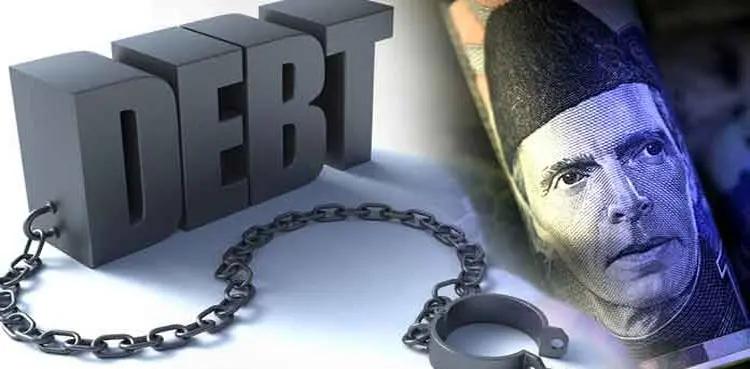
Pakistan Government Borrowing FY2026 has climbed significantly after the federal government added Rs339.39 billion in fresh debt during the week ended March 20, 2026. According to the central bank’s weekly estimates, this borrowing has pushed the cumulative net borrowing for the ongoing fiscal year to approximately Rs1.23 trillion, highlighting mounting fiscal pressures and the government’s reliance on domestic financing sources. The latest data shows that borrowing activity remains largely driven by budgetary requirements, while repayments were recorded in commodity operations and other categories. Pakistan Government Borrowing FY2026: Weekly Breakdown Government borrowing is divided into three categories based on purpose: budgetary support, commodity operations, and others. During the reported week, the largest share of borrowing was directed toward budgetary support. For budgetary support, the government borrowed Rs344.03 billion. At the same time, Rs3.97 billion was retired under commodity operations, while Rs662 million was repaid under the category classified as others. These repayments slightly offset the overall increase but were not enough to counter the heavy borrowing for fiscal expenditures. This weekly activity pushed cumulative borrowing figures for FY2026 to Rs1.27 trillion for budgetary support. Meanwhile, repayments for commodity operations reached Rs42.73 billion, and Rs1.24 billion was retired under the others category. Heavy Dependence on Banks for Budgetary Financing Pakistan Government Borrowing FY2026 continues to rely heavily on two major domestic sources: the State Bank of Pakistan and scheduled commercial banks. These institutions remain the backbone of government financing, particularly for managing fiscal deficits. Interestingly, the government has repaid a substantial net amount of Rs1.36 trillion to the State Bank of Pakistan during the current fiscal year. This includes repayments of Rs1.77 trillion by the federal government. However, this reduction was partially offset by provincial borrowing of Rs464.1 billion. Additionally, the governments of Azad Jammu and Kashmir and Gilgit-Baltistan also contributed to net repayments, retiring Rs22.81 billion and Rs28.3 billion respectively. This suggests an effort to reduce direct central bank exposure, in line with broader monetary discipline objectives. Scheduled Banks Continue to Fund Fiscal Gap While repayments to the central bank increased, the government significantly expanded borrowing from scheduled banks. Overall, the government borrowed a net total of Rs2.63 trillion from commercial banks during Pakistan Government Borrowing FY2026. Out of this amount, the federal government accounted for Rs2.87 trillion in borrowing. In contrast, provincial governments collectively retired Rs240.25 billion, partially balancing the overall figure. This shift indicates a deliberate strategy to move financing from the central bank to market-based sources. What Pakistan Government Borrowing FY2026 Means for the Economy The sharp rise in Pakistan Government Borrowing FY2026 reflects continued fiscal pressure amid growing expenditure needs. Increased borrowing for budgetary support signals that revenue generation remains insufficient to meet spending commitments. Heavy reliance on scheduled banks may also impact private sector credit availability. When banks allocate significant funds to government securities, lending to businesses may slow down, potentially affecting economic growth and investment activity. At the same time, repayments to the State Bank of Pakistan indicate adherence to commitments aimed at reducing inflationary financing. This shift toward commercial bank borrowing is generally considered more disciplined but may still increase domestic debt servicing costs. Outlook for Pakistan Government Borrowing FY2026 With cumulative borrowing already crossing Rs1.23 trillion, Pakistan Government Borrowing FY2026 is expected to remain elevated in the coming months. Fiscal consolidation efforts, revenue enhancement measures, and expenditure management will play crucial roles in determining whether borrowing levels stabilize. Economic observers will closely monitor upcoming weekly data to assess whether borrowing continues at the current pace or slows down. Sustained high borrowing could influence interest rates, inflation expectations, and overall macroeconomic stability.

Trade Bodies Membership Renewal Deadline Extended to April 20
Pakistan

Trade Bodies Membership Renewal Deadline Extended to April 20

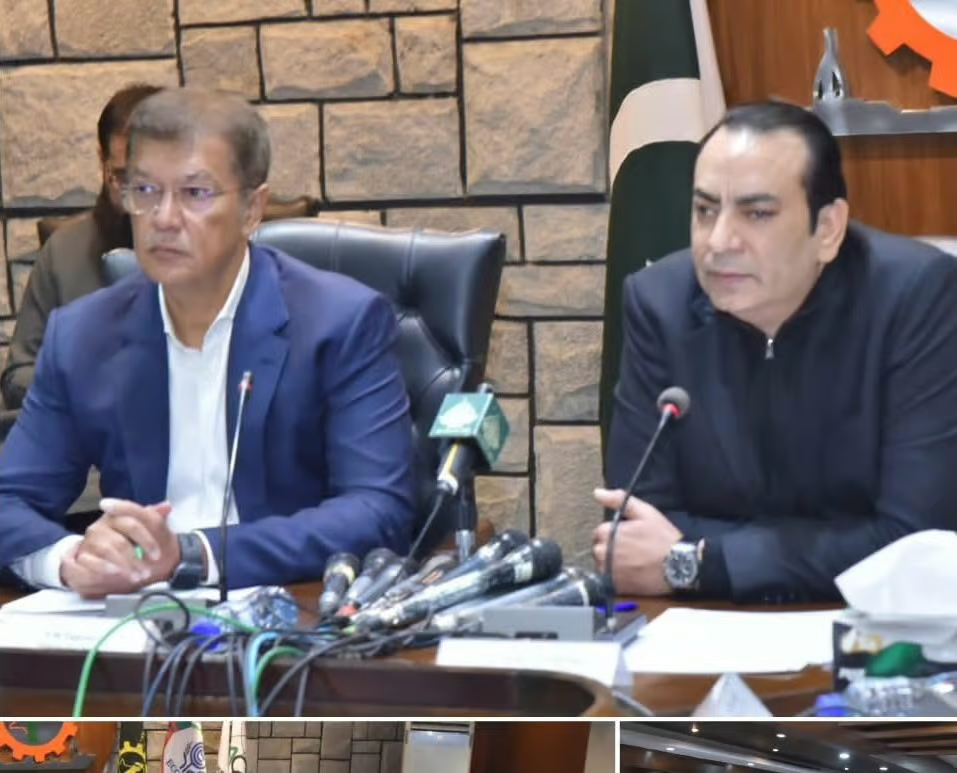
ISLAMABAD: Federation of Pakistan Chambers of Commerce and Industry (FPCCI) President Atif Ikram Sheikh & SM Tanvir Patron In Chief UBG has welcomed the decision to extend the membership renewal deadline for trade bodies across Pakistan by three weeks and thanked the Director General Trade Organizations (DGTO) for this important step. Read More: https://theboardroompk.com/pso-names-abdus-sami-interim-ceo-as-syed-taha-joins-k-electric/ Earlier, the original membership renewal deadline for all trade bodies was March 31, 2026. In light of the challenges faced by chambers and associations, especially due to reduced working hours during the holy month of Ramadan and the subsequent Eid holidays, FPCCI has formally requested for an extension. On behalf of the President of FPCCI, Mr. Tariq Jadoon Khan (Vice President FPCCI), Mr. Karim Aziz Malik (Chairman Capital House) and Mr. Malik Sohail Hussain (Chairman Coordination FPCCI and President Hafizabad Chamber) actively followed up on this request and made the issuance of the notification possible. After carefully reviewing the situation, the DG Trade Organizations (DGTO) approved the extension, giving trade bodies another three weeks to complete the renewal of their membership. The new deadline has now been set to 20th April 2026. Mr. Atif Ikram Sheikh and SM Tanvir thanked the DGTO for this timely decision and said that this extension will provide significant relief to chambers and associations across the country, which will enable them to complete the renewal process effectively. He appreciated the DGTO for giving personal attention to this most important issue. The President of the Federation further said in his statement that he and his team are dedicated to protecting the interests of the business community of Pakistan.

PSO Names Abdus Sami Interim CEO as Syed Taha Joins K-Electric
Pakistan

PSO Names Abdus Sami Interim CEO as Syed Taha Joins K-Electric

Pakistan State Oil (PSO), the country’s largest oil marketing company, has appointed Abdus Sami as interim Chief Executive Officer following the departure of Syed Taha. The change comes as Syed Taha transitions to a key role at K-Electric, Pakistan’s primary power utility. Read More: https://theboardroompk.com/oil-shock-triggers-return-of-double-digit-inflation-in-pakistan/ Leadership Shift at PSO PSO’s board approved Sami’s interim appointment during a recent meeting. Sami, a seasoned executive within the company, steps in to ensure continuity amid challenging market conditions. The move reflects PSO’s strategy to maintain stability. As interim CEO, Sami will oversee operations, including fuel supply chains critical to Pakistan’s energy sector. Syed Taha’s Move to K-Electric Syed Taha’s exit marks the end of his impactful tenure at PSO. He joined in 2022 and drove initiatives like digital transformation and supply chain efficiencies. Now heading to K-Electric, Taha brings expertise in energy logistics. K-Electric faces power shortages and distribution challenges, where his skills could prove vital. PSO operates in a volatile oil market influenced by global prices and domestic demand. Fuel imports and retail networks remain its core strengths. The appointment underscores PSO’s resilience. With a market cap over PKR 100 billion, it supplies 50% of Pakistan’s petroleum needs. Industry analysts view Sami’s role positively. His internal knowledge positions him to navigate regulatory hurdles and currency fluctuations. K-Electric’s gain is PSO’s temporary shift. Taha’s departure highlights executive mobility in Pakistan’s energy landscape.PSO shareholders welcome the smooth transition. No disruptions are expected in dividend payouts or expansion plans.As Pakistan pushes for energy security, PSO’s leadership stability matters. Sami’s interim stint buys time for a permanent CEO search. The energy sector eyes future integrations between oil and power firms.

Master Changan’s Deepal S05 Delivers 1000km Range at Minimal Cost
Auto

Master Changan’s Deepal S05 Delivers 1000km Range at Minimal Cost

Deepal S05 Range Extended Electric Vehicle (REEV) is delivering exceptional value to Pakistani buyers facing high fuel costs. Read More: https://theboardroompk.com/gold-price-in-pakistan-surges-to-rs475962-per-tola-amid-global-rally/ Deliveries of this innovative SUV have begun across the country. Electric-First Driving Experience Built by Changan, the Deepal S05 operates primarily on electricity. Its 27.28 kWh Golden Shield Battery provides up to 170 km of pure electric range for daily commutes. Unmatched Efficiency and Range The onboard range extender works only as a generator. This setup ensures the vehicle always drives electrically, achieving over 1000 km total range on a full charge and tank. Master Changan has introduced Pakistan’s only locally assembled REEV. The system uses a 1.5L engine efficiently within a narrow RPM range, supporting RON 92 fuel and delivering smooth, quiet performance. Customers are experiencing up to 70% lower driving costs compared to conventional ICE SUVs. Estimated cost per kilometre ranges between Rs9.6 to Rs16.1, depending on usage patterns. The introductory ex-factory price stands at Rs9.999 million. This positions the Deepal S05 as a premium yet highly economical option in the competitive SUV segment. Lower maintenance requirements further reduce the total cost of ownership. The combination of electric performance and range confidence makes it ideal for both city and highway driving.

Scroll to Top