Author name: Web Desk

Gold Price in Pakistan Surges to Rs475,962 per Tola Amid Global Rally
Business

Gold Price in Pakistan Surges to Rs475,962 per Tola Amid Global Rally

The Gold Price in Pakistan witnessed a notable rise on Monday, reflecting both domestic demand and international market momentum. The price of 24-karat gold climbed by Rs3,900, reaching Rs475,962 per tola in the local bullion market. This upward movement signals renewed investor interest in precious metals as a safe-haven asset amid global economic uncertainty. According to data shared by the All-Pakistan Gems and Jewelers Sarafa Association, the price of 24-karat gold per 10 grams also increased by Rs3,343, settling at Rs408,060. Meanwhile, 22-karat gold was quoted at Rs374,068 per 10 grams, reflecting a consistent upward trend across purity levels. This surge is significant for investors, jewelers, and consumers alike, especially in Pakistan where gold is widely considered both an investment and a cultural asset. Silver Prices Also Move Higher The precious metals rally was not limited to gold. Silver prices in the domestic market also recorded gains. The price of 24-karat silver increased by Rs70 to Rs7,524 per tola. Similarly, silver per 10 grams rose by Rs60, reaching Rs6,450. This increase indicates broader strength across the precious metals market, often driven by inflation concerns, currency fluctuations, and global demand. Gold Price in Pakistan: Latest Comparison On March 30, 2026, the bullion market reflected the following trend compared to previous sessions: Gold prices rose by Rs3,900 day-on-day, while silver gained Rs70. Over the longer term, gold remains significantly higher compared to the beginning of the fiscal year, highlighting strong performance. However, on a one-month basis, gold prices have experienced some correction, indicating short-term volatility within a broader upward trajectory. Silver, on the other hand, showed modest daily gains but remains lower on a one-month basis, suggesting mixed investor sentiment in the metal. Global Gold Rally Supports Local Market The Gold Price in Pakistan is heavily influenced by international bullion markets. Globally, spot gold traded near $4,521 per ounce, marking an increase of $74.3 or 1.67 percent from the previous session. The rally was largely attributed to a weaker US dollar, which typically boosts demand for gold as an alternative store of value. When international prices rise, domestic bullion markets in Pakistan often follow suit due to import-linked pricing mechanisms and currency adjustments. Why Gold Price in Pakistan Is Rising Several key factors contributed to the latest increase: • Rising international gold prices• Weakening global dollar index• Increased safe-haven demand• Local currency fluctuations• Investor interest amid inflation concerns These factors collectively pushed bullion rates higher in the local market. Impact on Investors and Consumers The increase in the Gold Price in Pakistan has mixed implications. Investors holding gold benefit from capital appreciation, while consumers planning to purchase jewelry may face higher costs. Jewelers typically experience slower demand during price spikes, especially in price-sensitive markets. However, historically, many Pakistani households continue to buy gold during both rising and falling markets due to its long-term value. Market Outlook for Gold Price in Pakistan Analysts expect continued volatility in gold prices. If global economic uncertainty persists and the dollar remains weak, gold may maintain its upward momentum. However, short-term corrections cannot be ruled out due to profit-taking and shifting investor sentiment. For now, the bullish tone in international markets suggests that the Gold Price in Pakistan may remain elevated in the near term.


PSX KSE-100 Index Plunges Over 4,800 Points Amid Geopolitical Tensions and Rising Oil Prices
Business

PSX KSE-100 Index Plunges Over 4,800 Points Amid Geopolitical Tensions and Rising Oil Prices

The PSX KSE-100 Index witnessed a sharp sell-off on Monday, with investors reacting nervously to escalating geopolitical tensions, rising global oil prices, and fears of potential disruptions to Pakistan’s domestic economic activity. The benchmark index at the Pakistan Stock Exchange closed deep in negative territory, reflecting broad-based selling across major sectors. The KSE-100 Index settled at 146,842.97 points, declining by 4,864.54 points or 3.21 percent. The market remained volatile throughout the session, swinging within a wide range of more than 7,100 points. The index touched an intraday high of 151,813.61 before sliding to a low of 144,656.97, indicating strong selling pressure. Broad-Based Selling Hits PSX KSE-100 Index Market breadth remained overwhelmingly negative. A large majority of listed companies closed in the red, signaling widespread investor caution. Nearly all major sectors contributed to the decline, including commercial banks, cement, fertilizers, and oil and gas exploration companies. Top losing stocks included MEHT, PSX, GADT, GAL, and PAEL, all of which registered steep declines. Only a handful of companies managed marginal gains, highlighting the depth of the sell-off. The fall in the PSX KSE-100 Index was primarily driven by heavyweights such as FFC, ENGROH, MEBL, LUCK, and UBL. These stocks collectively dragged the index lower, while only limited support came from a few counters including MTL and MUREB. Sector-Wise Pressure on PSX KSE-100 Index The downturn was visible across all key sectors. Commercial banks led the losses, followed by cement, fertilizer, investment companies, and oil and gas exploration firms. This widespread weakness suggested that investors were reducing exposure across the board rather than rotating into defensive sectors. In the broader market, the All-Share Index also declined sharply, reflecting negative sentiment beyond blue-chip stocks. Trading activity increased, however, as investors actively offloaded positions amid uncertainty. Total traded volume rose significantly, while the value of shares traded also climbed compared to the previous session. Geopolitical Tensions Drive Investor Caution Investor sentiment remained fragile due to escalating tensions in the Middle East. Reports indicated that forces in Yemen had launched projectiles toward Israel, raising fears of a broader regional conflict. These developments pushed global oil prices higher, which typically weighs on Pakistan’s economy due to its reliance on energy imports. Additional uncertainty emerged after comments from Donald Trump suggesting a possible policy approach toward Iran involving control over oil resources. The remarks fueled supply risk concerns in global energy markets, adding to volatility. Domestic Uncertainty Adds to Market Pressure Local factors also contributed to the decline. Investors remained cautious amid speculation about possible restrictions on economic activity, which could disrupt logistics, manufacturing, and consumer demand. These fears intensified selling pressure across the market. Meanwhile, diplomatic efforts led by Shehbaz Sharif to mediate between Iran and the United States were seen as positive, but uncertainty about outcomes kept investors on the sidelines. High Trading Activity Reflects Investor Anxiety Despite the sharp decline, overall trading activity increased. Volumes rose compared to the previous session, indicating that investors were actively adjusting portfolios. Several stocks dominated trading activity, including KEL, BOP, DSLNC, WTL, and FNEL, among others. Most of these high-volume stocks closed lower, reflecting bearish sentiment. PSX KSE-100 Index Performance This Year Despite the recent decline, the PSX KSE-100 Index has still posted gains during the fiscal year. However, on a calendar-year basis, the index has recorded a noticeable drop, highlighting the volatility that has characterized Pakistan’s equity market. Outlook for PSX KSE-100 Index Market participants expect continued volatility in the PSX KSE-100 Index as geopolitical developments unfold and oil prices remain sensitive to global events. Investors are likely to remain cautious in the near term, particularly with uncertainty surrounding regional tensions and domestic economic conditions. Analysts suggest that clarity on geopolitical risks, stabilization in oil prices, and improvement in local economic indicators will be key factors determining the next direction of the market.

Sazgar Set to Roll Out Hybrid SUV Tank-500 by End of March
Auto

Sazgar Set to Roll Out Hybrid SUV Tank-500 by End of March

Sazgar Engineering Works is preparing to launch Pakistan’s first locally assembled full-size hybrid SUV. Read More: https://theboardroompk.com/pia-fuel-prices-arif-habib-warns-of-shutdown-risk-amid-rising-aviation-costs/ The company will begin trial production of the Tank-500 Hi4-T by the end of March 2026. Market Shift Towards Hybrids Pakistan’s auto industry is moving steadily towards energy-efficient vehicles. Sazgar’s entry into the hybrid segment marks a significant milestone for local manufacturing. Vehicle Variants and Pricing The Tank-500 will be available in both HEV and PHEV versions. Ex-factory prices stand at Rs20.5 million for HEV and Rs22.5 million for PHEV. Booking amounts are Rs3 million and Rs3.5 million respectively. This development follows earlier bookings announced in January. Customers can expect deliveries in the coming months as trial production wraps up. The SUV features a 2.0L turbo engine with advanced hybrid technology, offering strong performance and better fuel efficiency. Sazgar has already completed its four-wheeler expansion plan. The company invested Rs6.5 billion in new assembly lines, solar systems, and warehousing. A fresh Rs22 billion expansion for a fully automatic paint shop is now underway to boost capacity to 54,000 units annually. Industry experts view this launch as a game changer. It brings premium hybrid SUVs within reach of Pakistani buyers at significantly lower prices than fully imported models. The Tank-500 combines luxury features with off-road capability and modern hybrid powertrain.

Atlas Honda Expansion Pakistan to Boost Motorcycle Capacity to 2 Million Units
Auto

Atlas Honda Expansion Pakistan to Boost Motorcycle Capacity to 2 Million Units

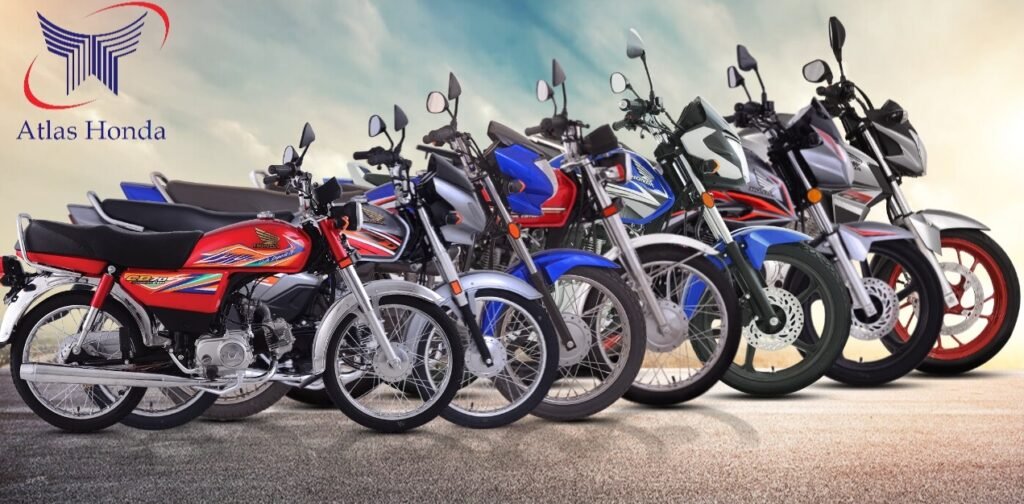
Atlas Honda Expansion Pakistan is set to reshape the country’s motorcycle industry as Atlas Honda Limited announced a major capital expenditure aimed at expanding its production operations. The company has approved an investment of Rs 5.3 billion to increase capacity, enhance automation, and improve productivity across its facilities. The move signals growing confidence in Pakistan’s two-wheeler market and highlights strong demand for motorcycles nationwide. Read More: https://theboardroompk.com/pia-fuel-prices-arif-habib-warns-of-shutdown-risk-amid-rising-aviation-costs/ The decision was approved by the company’s Board of Directors in a meeting held on March 30, 2026, and communicated to the Pakistan Stock Exchange through an official notification. Rs 5.3 Billion Investment to Strengthen Production Under the Atlas Honda Expansion Pakistan plan, the company will deploy approximately Rs 5.3 billion over the next financial year. The primary objective is to upgrade manufacturing capabilities and ensure operational efficiency. With this investment, the company’s rated annual production capacity is expected to rise to 2 million motorcycle units. This investment will focus on modernizing production lines, improving automation, and enhancing operational productivity. Such measures are expected to reduce manufacturing bottlenecks and support consistent supply to dealerships across Pakistan. Atlas Honda Expansion Pakistan and Market Demand Pakistan’s motorcycle market continues to expand due to increasing urbanization, affordability concerns, and demand for fuel-efficient commuting options. Motorcycles remain the most accessible mode of transportation for millions of households. The Atlas Honda Expansion Pakistan initiative reflects the company’s strategy to meet growing consumer demand. By increasing capacity, the company aims to minimize delivery delays and strengthen its presence in both urban and rural markets. The expansion also suggests optimism about economic stability and purchasing power improvements, which could drive higher sales volumes in the coming years. Focus on Automation and Productivity A key component of the Atlas Honda Expansion Pakistan project is the introduction of enhanced automation systems. Automation helps manufacturers maintain quality standards while increasing production speed. Improved productivity measures will also allow the company to optimize operational costs. These savings may help the company remain competitive in pricing while maintaining profit margins. In addition, modernization efforts often contribute to better supply chain efficiency and improved quality control, both critical for sustaining leadership in Pakistan’s motorcycle sector. Impact on Pakistan’s Auto Industry The Atlas Honda Expansion Pakistan investment is expected to positively impact the broader automotive ecosystem. Increased production capacity may lead to higher demand for local vendors and parts manufacturers. This expansion could also support employment generation across manufacturing, logistics, and dealership networks. As motorcycle production rises, allied industries such as spare parts, maintenance services, and financing options may also benefit. Industry analysts view this move as a signal of long-term growth potential in Pakistan’s two-wheeler segment. Atlas Honda’s Strategic Position Atlas Honda has consistently maintained a dominant position in Pakistan’s motorcycle market. The Atlas Honda Expansion Pakistan initiative further strengthens the company’s leadership by aligning production capacity with anticipated demand growth. The investment demonstrates the company’s long-term commitment to Pakistan and confidence in the country’s mobility needs. By focusing on efficiency and scale, Atlas Honda aims to maintain market share while improving operational resilience. What This Means for Consumers For consumers, the Atlas Honda Expansion Pakistan plan could result in improved availability of motorcycles across dealerships. Increased production capacity may help reduce waiting periods for popular models. Enhanced automation and productivity improvements may also ensure consistent quality and reliability, factors that remain crucial for buyers in Pakistan’s price-sensitive market. The Atlas Honda Expansion Pakistan announcement marks a significant development for the country’s automotive industry. With a Rs 5.3 billion investment and production capacity set to reach 2 million units annually, the company is positioning itself to meet rising demand and strengthen operational efficiency. The expansion highlights confidence in Pakistan’s motorcycle market and underscores the growing importance of two-wheelers as an essential mobility solution. As implementation begins in the coming financial year, the industry will closely watch how this investment shapes competition and supply dynamics.

PIA Fuel Prices: Arif Habib Warns of Shutdown Risk Amid Rising Aviation Costs
Business

PIA Fuel Prices: Arif Habib Warns of Shutdown Risk Amid Rising Aviation Costs

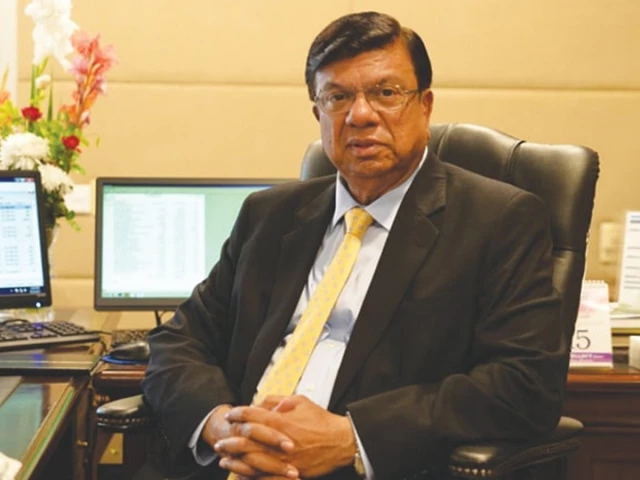
PIA fuel prices have become a central concern after Arif Habib, chairman of the Pakistan International Airlines consortium, warned that the national carrier could face operational shutdown if jet fuel costs remain elevated. His remarks have triggered debate across Pakistan’s aviation and economic landscape, raising questions about airline sustainability, government policy, and consumer affordability. Read More: https://theboardroompk.com/sazgar-engineering-expansion-and-leadership-shake-up-signals-major-investment-in-pakistans-auto-market/ Habib’s statement reflects a genuine economic challenge. Aviation fuel typically accounts for 30–40 percent of airline operating costs. A sharp increase in fuel prices, especially one nearing 150 percent, can severely compress margins. In Pakistan, where consumers are already under pressure from inflation, airlines face limited ability to pass these costs directly to passengers without risking a decline in demand. Why PIA Fuel Prices Matter for Pakistan’s Aviation Sector Pakistan’s aviation market is highly price-sensitive. Even moderate increases in ticket fares can significantly reduce passenger traffic. According to estimates discussed by Habib, the surge in fuel costs could push domestic fares up by Rs10,000 to Rs15,000, while international ticket prices may rise by Rs30,000 to Rs40,000. Such increases could discourage travel and weaken airline revenues further. The consortium led by Habib acquired PIA with the objective of turning around a historically loss-making airline. However, global oil price volatility and geopolitical tensions have complicated that effort. Habib described the situation as unsustainable, arguing that the financial burden ultimately falls on both the airline and its passengers. Policy Debate: Subsidies vs Aviation Relief The debate around PIA fuel prices also highlights a broader policy dilemma. The government’s fuel pricing strategy involves cross-subsidization, where sectors like aviation bear higher costs to shield lower-income consumers from inflation. From a public policy perspective, this approach aligns with fiscal constraints and social priorities. However, Habib argues that aviation should not be viewed as a luxury reserved for elites. Air travel, he suggests, plays a critical role in business connectivity, tourism, and economic development. While this argument holds merit, policymakers must balance aviation support against broader welfare considerations in a resource-constrained economy. Is the Shutdown Threat Realistic? The warning about a potential shutdown has sparked debate among analysts. Airlines worldwide operate in volatile fuel environments using strategies such as fuel hedging, route optimization, and dynamic pricing. If PIA faces immediate operational risks, critics argue that it may indicate structural inefficiencies or serve as leverage for policy concessions. Timing is also significant. Pakistan is operating under fiscal discipline requirements linked to international financial commitments. The government has already absorbed substantial fuel-related subsidies, limiting its capacity to extend sector-specific relief. Any additional support for aviation could complicate fiscal negotiations and reform commitments. Structural Challenges Beyond PIA Fuel Prices Habib also pointed to deeper economic challenges affecting airline operations. High taxation levels, energy inefficiencies, and bureaucratic hurdles increase operational costs. He noted that cumulative corporate, super, and dividend taxes exceed 65 percent, discouraging investment in capital-intensive industries like aviation. Energy constraints further worsen the situation by forcing reliance on imported fuels. While operational adjustments such as fleet rationalization and fuel-saving measures are being considered, these steps alone may not offset the magnitude of rising fuel costs. What This Means for Pakistan’s Economy The discussion around PIA fuel prices underscores the vulnerability of Pakistan’s aviation sector to global energy shocks. Sustainable growth will require coordinated policy reforms, including rationalized fuel pricing, improved energy efficiency, and fiscal restructuring. Investor confidence in large-scale industries depends on predictable operating conditions. If fuel price volatility continues without policy intervention, it may discourage future investment in aviation and related sectors. Arif Habib’s warning highlights a critical reality: the future of Pakistan International Airlines is closely tied to fuel economics beyond management control. While the shutdown risk may be debated, the pressure from rising aviation fuel costs is undeniable. Without targeted reforms and balanced policy decisions, the goal of transforming PIA into a self-sustaining national carrier may remain difficult to achieve.

Sazgar Engineering Expansion and Leadership Shake-Up Signals Major Investment in Pakistan’s Auto Market
Auto

Sazgar Engineering Expansion and Leadership Shake-Up Signals Major Investment in Pakistan’s Auto Market

Sazgar Engineering expansion plans have taken center stage after the company announced a major leadership reshuffle alongside a multi-billion-rupee investment strategy aimed at strengthening its footprint in Pakistan’s recovering automotive sector. The Lahore-based assembler revealed the developments in a regulatory filing, outlining governance changes and an ambitious capital deployment exceeding Rs37 billion. Read More: https://theboardroompk.com/engro-holdings-share-buyback-plan-to-repurchase-45-million-shares/ Leadership Changes Strengthen Family Control A key highlight of the Sazgar Engineering expansion strategy is the restructuring of its leadership. Mrs. Saira Asad Hameed has been appointed Chairperson for a three-year term, while Mr. Mian Asad Hameed has been named Chief Executive Officer for the same period. This move consolidates decision-making authority within the founding family. Under the terms of his appointment, the CEO will receive a net-of-tax monthly remuneration of Rs5.80 million, along with annual increments and additional benefits including a company vehicle and medical coverage. The leadership reshuffle extends further into operational roles, ensuring direct oversight of both major business divisions. Mr. Saeed Iqbal Khan has been appointed Chief Operating Officer for the Three Wheelers and Automotive Parts Division. This segment has historically been the company’s core revenue driver, particularly in the three-wheeler market. Meanwhile, Mr. Mian Muhammad Ali Hameed has taken charge as COO of the Car Division, highlighting the company’s growing focus on passenger vehicles. Multi-Billion Rupee Investment Plan The Sazgar Engineering expansion includes a comprehensive capital allocation plan aimed at enhancing production capabilities and supporting long-term growth. The company confirmed that it has already completed a four-wheeler expansion phase costing Rs6.50 billion. This phase included a new assembly line, warehousing facilities, and installation of a 5.7-megawatt solar power system. The company is now moving ahead with a significantly larger paint shop project. A budget of Rs22 billion, excluding land costs, has been approved for constructing a fully automated paint shop along with related infrastructure. This facility is expected to improve production efficiency and quality standards. The expansion will be financed through a mix of internal cash flows and bank borrowings. Once completed, the installed production capacity at the four-wheelers plant will increase to 54,000 units annually on a single-shift basis. New Hybrid SUV Rollout Expected As part of the Sazgar Engineering expansion, the company confirmed that the CKD model rollout of the TANK-500 Hi4-T 4×4 2.0L Turbo PHEV and HEV is expected by the end of March 2026. Trial operations are already underway. The hybrid SUV is positioned in the premium four-wheel-drive segment, reflecting the company’s ambitions to move beyond entry-level vehicles. This launch aligns with the growing demand for hybrid and fuel-efficient vehicles in Pakistan, particularly amid fluctuating fuel prices and increasing consumer interest in advanced automotive technology. Land Acquisition for Future Growth To support long-term expansion, the board approved a Rs4 billion budget for acquiring approximately 900 kanals of land near the existing plant. This acquisition is intended to accommodate future production lines and additional facilities as demand grows. Separately, the company plans to invest around Rs1.10 billion in a five-kanal commercial plot at Pine Avenue, Lahore. The facility will include a company-owned showroom, after-sales service center, and commercial offices. This move aims to strengthen brand visibility and improve customer support services. What This Means for Pakistan’s Auto Industry The Sazgar Engineering expansion reflects growing optimism in Pakistan’s automotive sector after a challenging period marked by import restrictions and declining sales. Increased capacity, hybrid vehicle introduction, and infrastructure investment signal confidence in future demand recovery. The leadership consolidation within the founding family also suggests a focused decision-making approach as the company transitions from three-wheelers to higher-value passenger vehicles. With new capacity and product offerings, Sazgar appears well-positioned to compete in the evolving automotive landscape.

Engro Holdings Share Buyback Plan to Repurchase 45 Million Shares
Business

Engro Holdings Share Buyback Plan to Repurchase 45 Million Shares

The Engro Holdings share buyback announcement has attracted strong investor attention in Pakistan’s capital market. Engro Holdings Limited (PSX: ENGROH) revealed plans to repurchase up to 45 million ordinary shares, signaling management’s confidence in the company’s financial strength and long-term growth outlook. Read More: https://theboardroompk.com/pakistan-fuel-price-relief-govt-allocates-rs125-billion-to-control-petrol-costs/ This strategic move aims to enhance shareholder returns, optimize capital structure, and provide liquidity opportunities for investors looking to exit their positions. Engro Holdings Share Buyback Approved by Board According to a notice submitted to the Pakistan Stock Exchange, the Board of Directors approved the proposal during its meeting held on March 27, 2026. The plan will now be presented to shareholders for final approval through a special resolution. The Engro Holdings share buyback represents approximately 3.73 percent of the company’s total outstanding shares. The repurchase will be conducted through the stock exchange at prevailing market prices, ensuring transparency and compliance with regulatory standards. Timeline for Engro Holdings Share Buyback The proposed buyback window will open on May 7, 2026, and remain active until October 25, 2026, or until the targeted number of shares is acquired, whichever occurs earlier. To determine shareholder eligibility for voting, the company announced that share transfer books will remain closed from April 21 to April 28, 2026. Investors listed during this period will be eligible to participate in the voting process at the Annual General Meeting. Share Cancellation to Improve Shareholder Value A key feature of the Engro Holdings share buyback is the company’s intention to cancel the repurchased shares. This step typically reduces the number of outstanding shares, which may lead to improved earnings per share and enhanced cash flow per share. From a shareholder perspective, this move often indicates that management believes the company’s shares are undervalued. It can also strengthen financial ratios and potentially support stock price performance in the medium to long term. Funding Through Distributable Profits The buyback will be financed through distributable profits, in compliance with the Companies Act, 2017. This ensures that the transaction does not place additional debt burden on the company and remains within regulatory guidelines. Using internal reserves for share repurchases reflects strong liquidity and operational stability. It also demonstrates that the company has surplus cash beyond its investment and operational requirements. Shareholder Approval at AGM in Karachi Final approval for the Engro Holdings share buyback will be sought during the Annual General Meeting scheduled for April 28, 2026, in Karachi. Shareholders will vote on the special resolution required to proceed with the repurchase program. The AGM is expected to draw significant interest from institutional and retail investors alike, given the potential impact on shareholder returns. Why the Engro Holdings Share Buyback Matters For investors, share buybacks often carry several positive implications. They may signal management confidence, improve financial metrics, and provide liquidity options. In the case of Engro Holdings, the scale of the buyback and the decision to cancel shares strengthens its long-term capital management strategy. Market participants typically interpret such announcements as a sign that the company sees strong future prospects. It may also indicate limited immediate need for large capital expenditures, allowing excess funds to be returned to shareholders. Investor Outlook Following the Announcement The Engro Holdings share buyback is likely to be viewed positively by investors across Pakistan’s equity market. By reducing outstanding shares and improving per-share metrics, the company aims to enhance shareholder value while reinforcing confidence in its financial position. If approved, the buyback could influence investor sentiment, trading activity, and long-term valuation expectations. Analysts often consider such corporate actions as indicators of strong governance and disciplined capital allocation.

Pakistan Fuel Price Relief: Govt Allocates Rs125 Billion to Control Petrol Costs
Pakistan

Pakistan Fuel Price Relief: Govt Allocates Rs125 Billion to Control Petrol Costs

Pakistan Fuel Price Relief measures have taken center stage as the government allocates Rs125 billion to prevent an increase in petroleum prices. The move aims to protect consumers from rising global oil costs and growing regional tensions, while ensuring economic stability and uninterrupted energy supply across Pakistan. Read More: https://theboardroompk.com/india-approves-25-billion-defence-purchases-including-russian-s-400-systems/ The decision reflects a broader strategy that combines fuel conservation, fiscal discipline, and targeted subsidies for vulnerable segments of society. Authorities believe these steps will help maintain market confidence and avoid inflationary pressure triggered by higher fuel costs. Government Prioritizes Public Relief Over Fiscal Pressure Under the Pakistan Fuel Price Relief plan, the government has chosen to absorb the financial burden instead of passing it on to consumers. Officials confirmed that the Rs125 billion allocation will be managed through budgetary savings and cuts in certain development expenditures. This approach is designed to minimize the impact on household budgets and transport costs. By controlling fuel prices, the government aims to stabilize food prices, logistics expenses, and industrial operating costs. These measures are especially important for low- and middle-income families already dealing with economic challenges. Adequate Fuel Stocks and Import Arrangements Secured Authorities have reassured the public that the country holds sufficient petroleum reserves to meet domestic demand. Additional import arrangements for April have also been finalized, ensuring supply continuity. These proactive steps have helped Pakistan avoid fuel shortages, long queues, and distribution disruptions. Several countries facing similar global price pressures have experienced supply challenges, but Pakistan’s coordinated planning has prevented such scenarios. Digital Dashboard Introduced for Fuel Monitoring As part of modernization efforts, a digital dashboard has been launched to monitor petroleum demand, supply, and distribution in real time. This system will improve coordination between federal and provincial authorities, refineries, and oil marketing companies. The dashboard enhances transparency and allows policymakers to quickly respond to fluctuations in demand or supply constraints. Officials believe digital monitoring will play a critical role in maintaining fuel availability nationwide. Targeted Subsidy for Motorcycle and Rickshaw Drivers A key component of the Pakistan Fuel Price Relief strategy is targeted support for motorcycle riders and rickshaw drivers. These groups rely heavily on fuel for daily income, and price increases can directly impact their livelihoods. To facilitate subsidy distribution, the government is developing a dedicated mobile application. The app will enable efficient delivery of financial support to eligible beneficiaries. Provincial governments have also been instructed to assist vehicle owners in registering motorcycles and rickshaws in their own names. This step will digitize ownership records and improve future subsidy programs. Public Urged to Support Fuel Conservation The government has called on citizens and businesses to contribute to fuel-saving efforts. Recommendations include reducing unnecessary travel, promoting carpooling, and adopting teleconferencing in workplaces. These conservation practices are expected to reduce overall fuel consumption and help sustain the relief initiative for a longer period. High-Level Meeting Reviews Economic Measures The Pakistan Fuel Price Relief plan was reviewed during a high-level meeting chaired by Prime Minister Shehbaz Sharif. Senior officials, including Deputy Prime Minister Ishaq Dar, along with key federal ministers, attended the session. The leadership emphasized coordinated action to maintain energy security, protect consumers, and ensure economic stability amid global uncertainties. The Pakistan Fuel Price Relief initiative demonstrates the government’s attempt to balance fiscal constraints with public welfare. By allocating Rs125 billion, ensuring fuel availability, and introducing targeted subsidies, authorities aim to shield citizens from rising oil prices. Continued monitoring, digital reforms, and public cooperation will determine the long-term success of these measures.

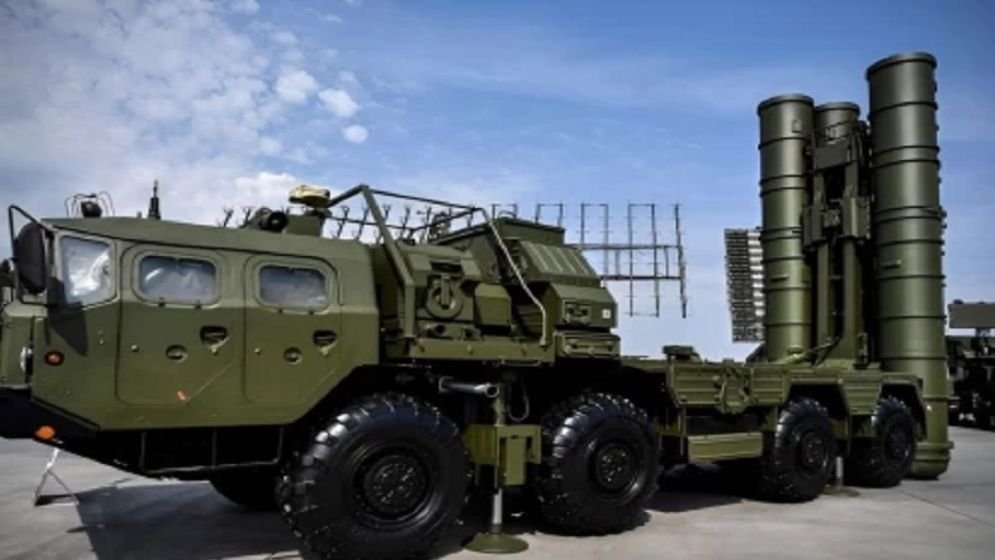
India Approves $25 Billion Defence Purchases Including Russian S-400 Systems
Breaking News

India Approves $25 Billion Defence Purchases Including Russian S-400 Systems

NEW DELHI, March 28 (APP): India approved defence acquisition proposals valued at $25 billion on Friday to bolster its military capabilities with new aircraft, missile systems, and other equipment. Read More: https://theboardroompk.com/colgate-faces-lawsuits-over-misleading-kids-mouth-rinse-packaging/ The Defence Acquisition Council gave the green light to purchases that will benefit the Army, Navy, and Air Force. Key Items in the Package The proposals include medium transport aircraft to replace ageing AN-32 and IL-76 fleets, additional Russian-made S-400 long-range air defence systems, and remotely piloted strike aircraft capable of both attack and surveillance missions. Other items cover Sukhoi-30 fighter jet life-extension upgrades, armoured piercing ammunition for tanks, artillery gun systems, and aerial surveillance equipment for battlefield monitoring. Strategic Context These acquisitions come as India seeks to modernise its forces and recover from last year’s intense border clashes with Pakistan. The country has been actively diversifying its defence suppliers in recent years, including deals with France, the United States, Israel, and Germany, while still relying on Russia for critical systems like the S-400. Defence Minister Rajnath Singh led the council meeting. The ministry highlighted that India achieved record approvals and contract signings in the current financial year. Overall, 55 proposals worth $71 billion have been cleared this year. Capital contracts signed reached another $25 billion — the highest ever in a single fiscal year. Experts say the moves reflect India’s determination to enhance air defence, transport logistics, and unmanned combat capabilities. The purchases are expected to strengthen India’s position as the fifth-largest global military spender.

Scroll to Top