Author name: Web Desk

Pakistan Government Considers Rs31 Billion for Wheat Strategic Reserves
Business

Pakistan Government Considers Rs31 Billion for Wheat Strategic Reserves

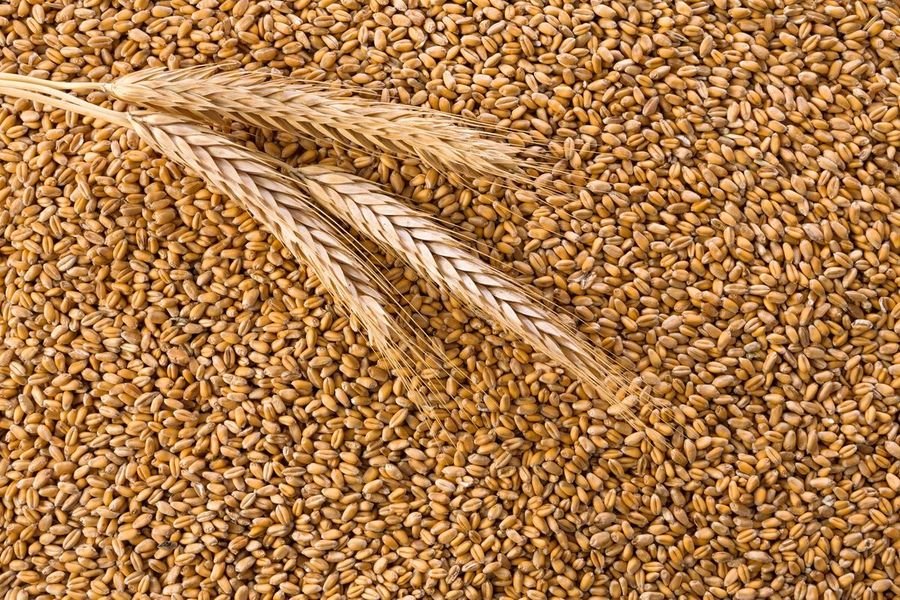
Pakistan’s economic managers are planning a significant investment to secure the nation’s food supply amid global uncertainties. Read More: https://theboardroompk.com/rs265m-fine-imposed-ccp-penalizes-newage-gm-cables-for-banning-dealer-discounts/ The government is mulling an expenditure of Rs31 billion to maintain strategic wheat stocks. This move aims to protect food security against potential disruptions from the Middle East conflict. Strategic Procurement Plan The Ministry of National Food Security and Research presented the current wheat stock positions across provinces and at the federal level during a recent Economic Coordination Committee (ECC) meeting. Officials called for procuring additional wheat to build buffer stocks in line with the National Wheat Policy. The plan emphasizes using existing stocks from PASSCO and commercial reserves first before any imports. Private Sector Role and Incentives The ECC approved procuring one million metric tons for federal strategic reserves, including needs for Azad Jammu & Kashmir and Gilgit-Baltistan. This will happen through transparent competitive bidding involving private sector stakeholders. Federal government targets 1.5 million tons overall, while provinces will handle 4.75 million tons — Punjab 2.5 million, Sindh 1 million, Khyber-Pakhtunkhwa 0.75 million, and Balochistan 0.5 million. Total mandated procurement stands at 6.5 million tons. The bidding process divides 1.5 million tons into 150 lots of 10,000 metric tons each. Qualified bidders need a minimum annual turnover of Rs1 billion and can bid for up to 25 lots. Incentives for farmers are also proposed to boost local cultivation and reduce future import dependence. Wheat, a staple for millions, supports rural livelihoods and economic stability. Pakistan cultivates it on about 22 million acres with annual production of 28-30 million metric tons. The Rs31 billion funding proposal requires further consultations between the food ministry and Finance Division. It will be refined with input from the PM’s coordinator on food security and resubmitted to the ECC by mid-May. This initiative highlights the critical balance between fiscal prudence and ensuring uninterrupted food availability for the population.

Pakistan Grants 3-Month Waiver on Bank Guarantees for Exports to Iran Amid Maritime Disruptions
Pakistan

Pakistan Grants 3-Month Waiver on Bank Guarantees for Exports to Iran Amid Maritime Disruptions

Karachi: Atif Ikram Sheikh, President of the Federation of Pakistan Chambers of Commerce & Industry (FPCCI), has acknowledged the Ministry of Commerce for its timely and trade-friendly decision to temporarily exempt exports to Iran, the Central Asian Republics and Azerbaijan from mandatory financial instruments. Read More: https://theboardroompk.com/rs265m-fine-imposed-ccp-penalizes-newage-gm-cables-for-banning-dealer-discounts/ Mr. Atif Ikram Sheikh, on behalf of the entire business, industry and trade community of Pakistan, hailed Mr. Jam Kamal Khan, Federal Minister of Commerce, Pakistan, for this visionary decision – which happened to be a longstanding and relentlessly advocated demand of FPCCI. Mr. Atif Ikram Sheikh maintained that this nearly 3-month waiver on Letters of Credit (LCs) and bank guarantees – effective from March 24 to June 21, 2026 – acts as a vital lifeline for Pakistani exporters navigating current regional maritime disruptions as a result of ongoing military conflict. FPCCI Chief emphasized that this relaxation will serve as a necessary catalyst for realizing the ambitious $10 billion bilateral trade target previously set between Pakistan and Iran. Recent customs data also highlights the immense potential of this trade corridor, he added. Mr. Atif Ikram Sheikh informed that by temporarily removing the immediate bottlenecks of formal banking channels – which have historically constrained commercial activity due to strict State Bank of Pakistan (SBP) regulations and international sanctions – the government has unlocked a highly-lucrative, land-based trade route. President FPCCI highlighted that, with global shipping traffic through the Strait of Hormuz currently experiencing a severe 90% drop amid escalating geopolitical tensions in the Gulf, shifting commercial focus to secure land routes is an absolute economic necessity. This exemption ensures that Pakistan’s supply chains remain uninterrupted, resilient and globally- competitive. Mr. Atif Ikram Sheikh elaborated that the Ministry of Commerce’s recent notification permits the export of several high-demand commodities via the Iranian land route without the usual financial safeguards – provided exporters submit an undertaking to repatriate proceeds within a stipulated time-frame. Mr. Saquib Fayyaz Magoon, SVP FPCCI, anticipated a significant volume boost in the following approved sectors: (i) agricultural products; including, milled rice, maize, potatoes, onions, tomatoes, bananas and citrus fruits (ii) protein & seafood; including, meat, frozen chicken and various seafood products (iii) value-added & essential goods: pharmaceutical products and disaster-relief tents. Mr. Saquib Fayyaz Magoon explained that by easing the stringent requirements of the Export Policy Order 2022, Federal Commerce Minister, Mr. Jam Kamal Khan has significantly reduced transaction costs and transit times for the business community. This allows Pakistan to not only export to Iran; but, also tap into the lucrative, land-locked Central Asian economies. Our exporters are fully committed to honoring their repatriation undertakings to maintain the integrity of our national foreign exchange reserves, he added. SVP FPCCI also proposed that, while FPCCI enthusiastically welcomes this 3-month relief, it urges the federal government to utilize this window to formalize permanent, sustainable solutions; including, permanent barter trade formalization through expanding the current limited barter mechanisms into a comprehensive, robust framework that mitigates banking hurdles entirely. FPCCI proposes infrastructure development in the border logistics and customs stations – such as the newly-established Jeerak customs facility in Panjgur – to efficiently handle the projected increase in cargo volumes. Additionally, transit trade expansion is needed to solidify the Iranian corridor as a permanent, frictionless gateway for Pakistan to the Central Asia. FPCCI stands ready to collaborate with the Ministry of Commerce to ensure the seamless, fruitful execution of this exemption – and, to advocate for trade and economic policies that secure Pakistan’s macroeconomic stability through export-led, sustainable economic growth.

Rs265m Fine Imposed: CCP Penalizes Newage & GM Cables for Banning Dealer Discounts
Pakistan

Rs265m Fine Imposed: CCP Penalizes Newage & GM Cables for Banning Dealer Discounts

ISLAMABAD: The Competition Commission of Pakistan (CCP) has imposed a penalty of PKR 75 million on Newage Cables (Pvt.) Ltd. and Rs. 190.22 million on GM Cables & Pipes (Pvt.) Ltd, for engaging in Resale Price Maintenance (RPM) practices in violation of Section 4 of the Competition Act, 2010. Read More: https://theboardroompk.com/psx-kse-100-index-surges-over-1900-points-as-oil-price-relief-boosts-investor-confidence/ The Commission conducted an enquiry upon receiving information, supported by documentary evidence, including policy circulars issued by the respondents. These circulars contained instructions restricting dealers from offering discounts beyond specified limits and prescribed punitive measures, including termination of dealership agreements, for non-compliance. After its initial probe, the Commission authorized an enquiry under Section 37(1) of the Act. The enquiry concluded that the respondents had prima facie violated Section 4 of the Act by imposing minimum resale price restrictions on their dealers. The enquiry found that Newage’s retail discount policy and dealership agreements prohibited dealers from selling products below prescribed discount levels, while GM Cables imposed similar restrictions through its rate control notices and related communications. On enquiry committee’s recommendations, the Commission issued show cause notices to both undertakings for their alleged conduct restricting intra-brand price competition through vertical agreements establishing minimum resale prices. After hearing the parties and conducting a detailed analysis of the evidence, the Commission concluded that both undertakings had engaged in RPM practices constituting a restriction “by object” under Section 4 of the Act. In its order, the Commission observed that the respondents’ conduct eliminated intra-brand price competition and adversely affected consumer choice. The practices were formalized through circulars, widely disseminated across dealer networks, and enforced through coercive measures, including threats of suspension or termination. Taking into account the nature, gravity, and duration of the violations, the Commission observed that Newage Cables demonstrated a cooperative approach during the proceedings, whereas GM Cables continued its infringing conduct even after initiation of the enquiry and attempted to deny documented evidence. Accordingly, the Commission imposed a penalty of PKR 75 million on Newage Cables (Pvt.) Ltd. and a penalty of 5% of annual turnover for FY 2023–24, amounting to PKR 190.22 million, on GM Cables & Pipes (Pvt.) Ltd. The respondents have been directed to deposit the penalties within sixty (60) days, failing which an additional penalty of PKR 500,000 per day will accrue until compliance. The Commission has further directed the respondents to immediately cease and desist from imposing minimum resale price restrictions, withdraw all such instructions issued to dealers, ensure that resale prices are independently determined, and submit a compliance report within the prescribed timelines. Newage has also been directed to remove discount cap provisions from its dealership agreements. The order reinforces CCP’s commitment to ensuring fair competition in markets and protecting consumers from anti-competitive practices.

PSX KSE-100 Index Surges Over 1,900 Points as Oil Price Relief Boosts Investor Confidence
Pakistan

PSX KSE-100 Index Surges Over 1,900 Points as Oil Price Relief Boosts Investor Confidence

The PSX KSE-100 Index staged a powerful rebound on Tuesday, restoring investor confidence after the previous session’s volatility. The benchmark index closed at 148,743.31 points, posting a significant gain of 1,900.34 points or 1.29 percent. The rally was fueled by easing global oil prices and renewed optimism about a possible de-escalation in Middle East tensions, both of which improved market sentiment in Pakistan. Read More: https://theboardroompk.com/hutchison-ports-completes-biometric-registration-of-more-than-15000-truck-drivers/ Trading activity remained positive throughout the session, with the index touching an intraday high of 150,225.63 points and a low of 147,743.67 points. Despite fluctuations, investors maintained buying interest across major sectors. Total traded volume for the benchmark index reached 232.74 million shares, reflecting healthy participation. PSX KSE-100 Index Gains Driven by Broad-Based Buying Market breadth turned strongly positive as most stocks ended the day higher. A total of 72 companies posted gains, while only 26 declined and 2 remained unchanged. This positive trend highlighted renewed investor appetite for equities. Leading performers included BNWM, NBP, AKBL, ATLH, and KOHC, all of which recorded strong percentage gains. On the other hand, some stocks such as SCBPL, ILP, HGFA, AGP, and NML ended the session in negative territory, slightly limiting the overall upside. In terms of index-point contribution, major support for the PSX KSE-100 Index came from banking and energy heavyweights. NBP, MEBL, LUCK, OGDC, and MARI collectively added significant points to the index. However, declines in UBL, FATIMA, SCBPL, ILP, and NML capped part of the rally. Banking and Energy Sectors Lead PSX KSE-100 Index Rally Sector-wise performance revealed strong contributions from commercial banks, which added the largest number of points to the index. Oil and gas exploration companies also played a major role, supported by improving global oil market outlook. Cement stocks benefited from expectations of stable construction demand, while power generation and automobile assemblers also ended higher. However, the textile composite sector and a few defensive segments closed in the red, reflecting selective profit-taking by investors. Broader Market Shows Positive Momentum The broader market followed the positive trend. The All-Share Index closed at 89,074.96 points, gaining 1,107.38 points or 1.26 percent. Although overall sentiment remained upbeat, trading activity moderated compared to the previous session. Total market volume declined to 434.96 million shares from 529.13 million shares, while traded value dropped to Rs22.54 billion. A total of 479 companies were traded, with 281 advancing, 137 declining, and 61 remaining unchanged. These numbers indicate widespread buying despite slightly lower turnover. Oil Price Decline Boosts Investor Confidence The rebound in the PSX KSE-100 Index was largely attributed to falling global oil prices. Lower oil prices reduce Pakistan’s import bill, ease inflationary pressures, and improve the external account outlook. These factors are particularly important for investor sentiment in a fuel-import-dependent economy like Pakistan. Additionally, reports suggesting that U.S. President Donald Trump may seek a quicker resolution to the ongoing Iran conflict contributed to optimism in global markets. Expectations of reduced geopolitical risk encouraged investors to re-enter equities, particularly in banking, cement, and energy sectors. Most Active Stocks by Volume Market activity remained concentrated in a few stocks. K-Electric led volumes with over 46.9 million shares traded, followed by DSLNC and WTL. Bank of Punjab, TSBL, and HUMNL also recorded strong participation. National Bank of Pakistan remained among the most actively traded stocks while also posting strong gains. Other notable volume leaders included TPLRF1, NCPL, and HASCOLNC, indicating broad-based interest across multiple sectors. Fiscal Year Performance of PSX KSE-100 Index Despite recent volatility, the PSX KSE-100 Index has delivered mixed performance over different time horizons. During the ongoing fiscal year, the index has gained 23,116 points, translating into an 18.40 percent increase. However, on a calendar-year basis, the market has declined by 25,311 points, or 14.54 percent, highlighting recent corrections. Outlook for Pakistan Stock Market The recovery in the PSX KSE-100 Index suggests improving investor sentiment, especially if oil prices remain stable and geopolitical tensions ease further. Banking, cement, and energy stocks are expected to remain in focus due to their strong weighting in the index. However, investors may continue to adopt a cautious approach amid global uncertainties. Overall, Tuesday’s rally reflects renewed confidence in Pakistan’s equity market, with macroeconomic triggers such as oil prices and geopolitical developments continuing to shape near-term direction.

Hutchison Ports completes biometric registration of more than 15,000 truck drivers
Pakistan

Hutchison Ports completes biometric registration of more than 15,000 truck drivers

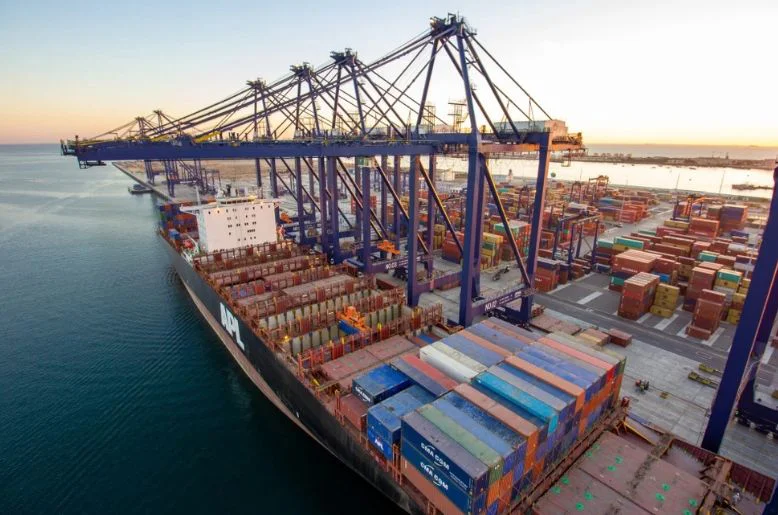
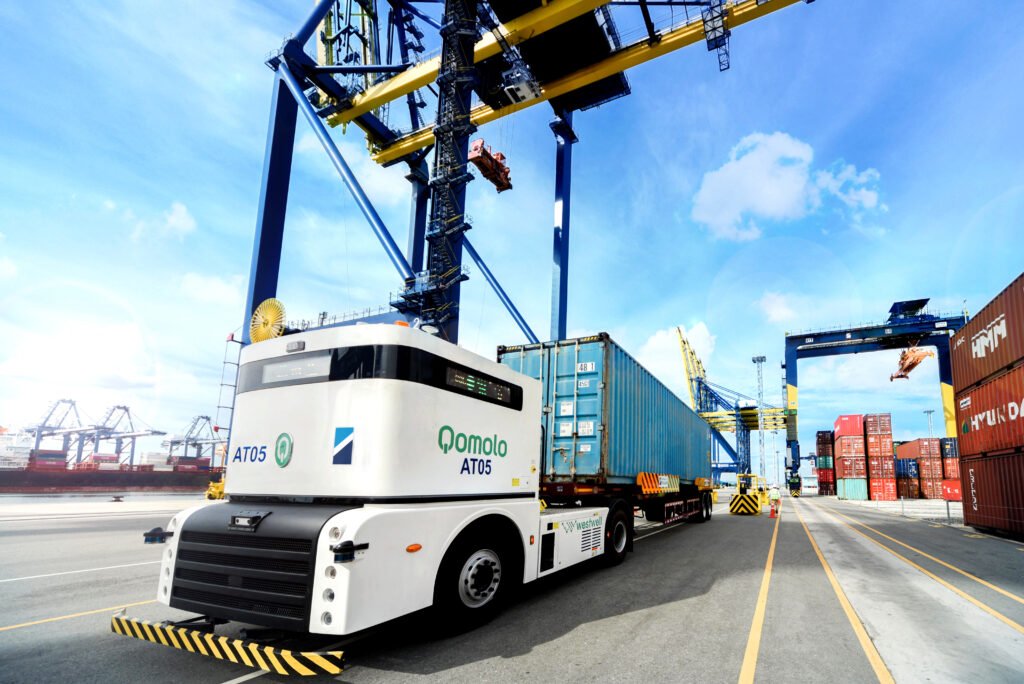
Karachi: Hutchison Ports KICT has completed the biometric registration of more than 15,000 truck drivers to enhance operational efficiency, safety, and transparency across container handling operations. Read More: https://theboardroompk.com/businessmen-warn-of-severe-economic-risks-from-regional-tensions-calls-for-business-consultation-on-energy-measures/ The initiative was soft launched on 1 January 2026 and following the successful onboarding of the trucking community the system will officially go live on 1 April 2026. The biometric verification platform enables quick and reliable identification of truck drivers entering the terminal, allowing for smoother access management and more efficient coordination of container movements. By integrating technology into gate operations, the system supports faster verification processes, reduces manual checks, and contributes to a more streamlined flow of vehicles within the terminal. With the introduction of the biometric verification system, pedestrian movement within operational areas has also been reduced by approximately 90% to support a safer working environment for drivers, terminal staff, and equipment operators. KICT has also introduced a reward and recognition program for registered drivers visiting the terminal and more than 12,000 entries have already been received, with three motorbikes to be awarded through a lucky draw. Navaid Qureshi, Chief Executive Officer of KICT, said: “Technology plays a key role in improving the efficiency, safety, and reliability of modern port operations. The biometric verification system is an important step towards building a more transparent and well-coordinated logistics environment at KICT. By digitizing driver verification, we are enabling faster processes, improving operational visibility, and supporting a safer working environment for the trucking community and terminal staff.”

Businessmen Warn of Severe Economic Risks from Regional Tensions, Calls for Business Consultation on Energy Measures
Pakistan

Businessmen Warn of Severe Economic Risks from Regional Tensions, Calls for Business Consultation on Energy Measures

Karachi: President of the Korangi Association of Trade and Industry (KATI), Muhammad Ikram Rajput, has expressed deep concern over escalating tensions in the region involving Israel, the United States, and Iran, warning that a potential conflict in the Gulf and any disruption to oil and gas supplies through the Strait of Hormuz could have far-reaching consequences for the global economy, particularly for developing countries like Pakistan. Read More: https://theboardroompk.com/explosions-heard-in-dubai-as-uae-engages-missile-and-drone-threats/ He stated that such a situation could trigger severe economic challenges, including a surge in petroleum prices, an intensified energy crisis, and a sharp increase in industrial production costs. Rajput emphasized that if the conflict expands, Pakistan’s economy and export sector could come under additional strain. KATI President urged the government to take the business community into confidence before making decisions regarding energy conservation measures or imposing any potential lockdown. He stressed that rising energy costs would directly impact industrial output and could slow down overall economic activity. Rajput also appreciated the Government of Pakistan’s diplomatic efforts aimed at easing tensions between the United States and Iran and promoting dialogue. He noted that Pakistan has consistently advocated for peace, stability, and conflict resolution through negotiations, adding that the country’s balanced and responsible foreign policy plays a crucial role in maintaining regional stability. He further thanked the Iranian government for allowing Pakistani vessels to pass through the Strait of Hormuz, calling it an important opportunity for Pakistan to make advance arrangements in light of potential energy shortages. Welcoming ongoing diplomatic initiatives to encourage dialogue and prevent escalation, Rajput said these efforts could prove beneficial not only for the region but for the global community at large. He also urged the international community to take immediate steps to de-escalate tensions, avoid conflict, and work toward sustainable peace through negotiations. Rajput said that the industrial and business community strongly desires peace and stability, as sustainable economic growth depends on a secure and stable environment. He expressed hope that continued diplomatic efforts would succeed in averting a major crisis in the region.

Explosions Heard in Dubai as UAE Engages Missile and Drone Threats
World

Explosions Heard in Dubai as UAE Engages Missile and Drone Threats

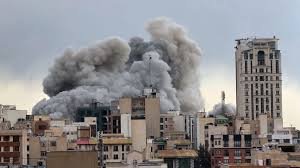
Dubai: Loud explosions were heard in Dubai on Tuesday, according to journalists from Agence France-Presse (AFP). The blasts occurred as UAE authorities issued warnings about incoming missile and drone attacks. Read More: https://theboardroompk.com/unilever-pakistan-partners-with-fesf-to-expand-employment-opportunities-for-deaf-community/ This incident marks the latest escalation in the ongoing Middle East conflict, now one month old. Iran has reportedly launched daily attacks targeting several Gulf countries during this period. UAE Air Defences Activated The UAE Defence Ministry confirmed that its air defence systems were actively engaging with missile and UAV threats. A statement posted on X (formerly Twitter) assured residents that defences were responding to the incoming dangers. AFP journalists on the ground reported hearing the explosions clearly across parts of the city. No immediate details were released about specific locations, damage, or casualties in Dubai from this latest event. Broader Regional Tensions The explosions come amid heightened regional instability. Linked incidents include Qatar intercepting a missile attack and earlier reports of missile debris causing a fatality in Abu Dhabi, where a Pakistani national was killed. Authorities have urged caution as the conflict continues to affect civilian life and critical infrastructure across the Gulf. Residents in Dubai and other emirates have grown accustomed to intermittent air defence activations and loud blasts in recent weeks. Experts warn that prolonged attacks could disrupt shipping, aviation, and energy operations in one of the world’s busiest hubs. Dubai International Airport and key financial districts remain highly sensitive to any security developments. The situation is being closely monitored by international observers, with calls for de-escalation to prevent further spillover into civilian areas.

Unilever Pakistan Partners with FESF to Expand Employment Opportunities for Deaf Community
Pakistan

Unilever Pakistan Partners with FESF to Expand Employment Opportunities for Deaf Community

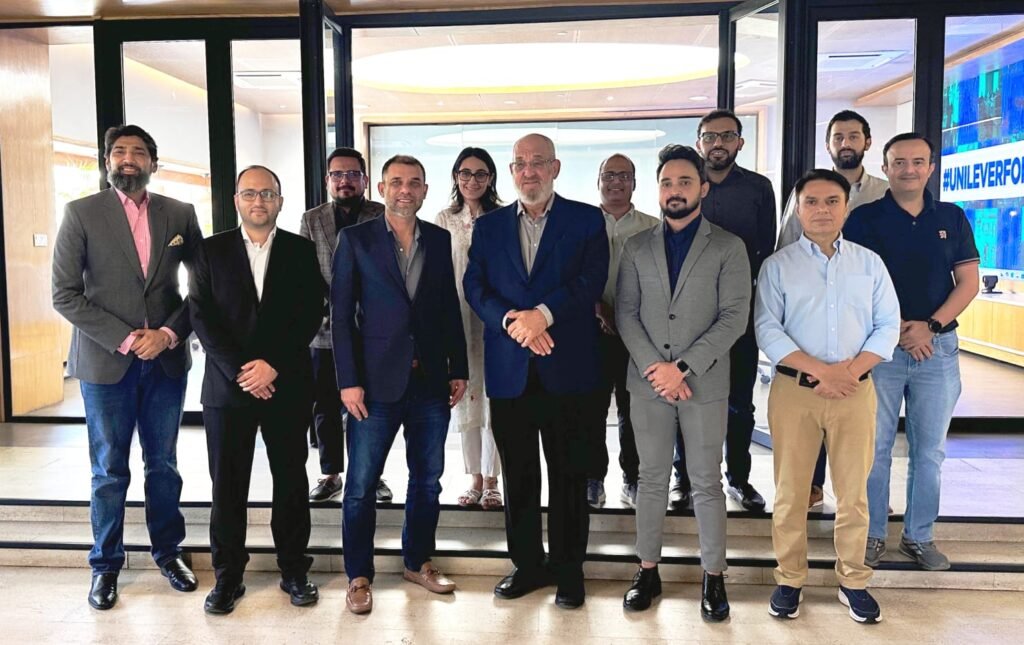
Karachi, March 31, 2026: Unilever Pakistan Limited has entered into a Memorandum of Understanding (MoU) with the Family Educational Services Foundation (FESF) to facilitate greater inclusion of members of Deaf community in the workforce, with a structured programme focused on recruitment, training, and workplace integration. Read More: https://theboardroompk.com/fbr-72-hour-invoice-amendment-rule-new-restrictions-on-sales-tax-invoice-changes-in-pakistan/ While Unilever Pakistan has worked on similar initiatives for their own operations, under this agreement, FESF, through its Deaf Reach network, will support Unilever Pakistan in hiring Deaf candidates for the salesforce and the extended value chain. The collaboration aims to create a more inclusive hiring pipeline while equipping both employees and employers with the tools required for effective workplace communication. To ensure accessibility throughout the recruitment process, FESF will provide Pakistan Sign Language (PSL) interpretation support during interviews and coordination between candidates and Unilever teams. Additionally, at least two structured PSL training sessions will be conducted for Unilever staff and supervisors to enable basic communication with Deaf employees. FESF will deliver Deaf awareness and sensitization sessions for Unilever employees, focusing on Deaf culture, communication practices, and addressing unconscious bias, aligning with Unilever’s broader equity, diversity, and inclusion (ED&I) agenda. “At the heart of this partnership is a simple belief—that opportunity should be accessible to all. By working with FESF, we are not only opening doors for the Deaf community, but also shaping our workplaces and sales ecosystem to enable every individual to contribute and succeed,” said Munir Hasan, Country Head, Customer Development at Unilever Pakistan. The programme will also include pre-employment training for selected candidates, covering workplace readiness, communication protocols, and role-specific skills such as sales route familiarity and basic reporting. Reflecting the same commitment, Richard Geary, Founder & Director, FESF, added, “Through this collaboration, we are enabling greater access to dignified employment for Deaf individuals while supporting organizations in becoming more inclusive and accessible in their practices.” Unilever Pakistan continues to strengthen its commitment to diversity and inclusion by encouraging equitable opportunities across its workforce. The company’s ongoing efforts reflect a broader focus on creating accessible, supportive environments that enable individuals from all backgrounds to contribute and succeed.

KPT Constanța MoU Opens New Doors for Pakistan–Romania Maritime Trade
Pakistan

KPT Constanța MoU Opens New Doors for Pakistan–Romania Maritime Trade

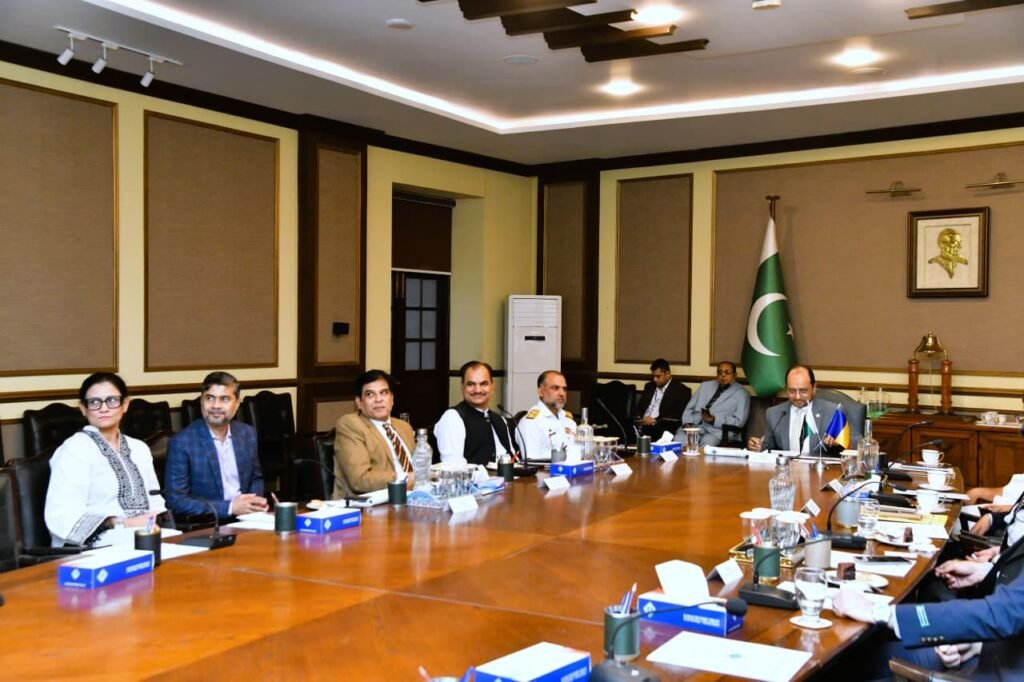
KPT Constanța MoU has marked a significant step forward in strengthening maritime cooperation between Pakistan and Romania. The agreement, signed on March 31, 2026, aims to enhance trade connectivity, promote knowledge exchange, and expand economic collaboration between two strategically important ports: Karachi Port and Romania’s Port of Constanța. The partnership reflects growing efforts by Pakistan to modernize its port infrastructure and expand international shipping routes, while Romania seeks to strengthen its role as a gateway for European trade. KPT Constanța MoU Signed to Boost Trade and Connectivity The Memorandum of Understanding was signed by Chairman Karachi Port Trust, Rear Admiral Shahid Ahmed, and General Manager of the Port of Constanța, Mihai Teodorescu. The signing ceremony was attended by senior diplomats, including the ambassadors of both countries, highlighting the diplomatic importance of the agreement. The KPT Constanța MoU outlines collaboration in multiple areas including port operations, engineering, technology transfer, financial cooperation, maritime education, and information sharing. These areas of cooperation are expected to strengthen operational efficiency and improve logistics between South Asia and Europe. This development comes at a time when global supply chains are shifting, and countries are actively seeking new trade routes and strategic partnerships to enhance resilience. Strategic Importance of Karachi and Constanța Ports Karachi Port is Pakistan’s largest and busiest seaport, handling a major share of the country’s cargo. Meanwhile, the Port of Constanța serves as one of Europe’s key maritime hubs, connecting Central and Eastern Europe to global shipping lanes. Through the KPT Constanța MoU, both ports aim to leverage their geographic advantages. Karachi acts as a gateway to South Asia, Central Asia, and the Middle East, while Constanța connects trade flows to European markets via the Black Sea and inland waterways. Chairman KPT emphasized ongoing modernization efforts at Karachi Port, including infrastructure upgrades and digital transformation initiatives. These improvements are expected to align with best international practices through cooperation with Romanian counterparts. Romanian representatives highlighted Constanța’s growing role as a logistics hub, noting its capacity to handle diverse cargo and support expanding trade networks across Europe. Economic Opportunities for Pakistan The KPT Constanța MoU is expected to create several economic opportunities for Pakistan. Enhanced maritime cooperation can lead to increased trade volumes, reduced shipping costs, and improved access to European markets. This partnership may also encourage investment in port infrastructure, logistics services, and maritime education. Training programs and technical collaboration could help Pakistani professionals gain exposure to advanced port management systems. Furthermore, improved connectivity between Karachi and Constanța may benefit exporters in sectors such as textiles, agriculture, and manufacturing. Easier access to European markets can strengthen Pakistan’s export competitiveness. Maritime Cooperation in Changing Global Trade Dynamics Global trade routes are evolving due to geopolitical shifts, supply chain disruptions, and rising demand for diversified shipping options. The KPT Constanța MoU reflects a timely response to these changes. Both sides acknowledged that closer maritime cooperation would enhance resilience in international trade. By sharing expertise and adopting modern technologies, the two ports can improve efficiency and attract new shipping lines. The agreement also promotes academic collaboration in maritime education, which could support long-term capacity building for Pakistan’s shipping and logistics sector. Strengthening Pakistan–Romania Diplomatic Relations The ceremony concluded with remarks from Romania’s ambassador, reaffirming commitment to stronger maritime cooperation with Pakistan. Diplomatic officials from both countries described the partnership as a milestone in bilateral relations. The KPT Constanța MoU not only strengthens economic ties but also deepens diplomatic engagement. Such agreements contribute to broader cooperation in trade, investment, and transportation. Future Outlook After KPT Constanța MoU Looking ahead, the implementation of the KPT Constanța MoU will focus on practical collaboration, including exchange visits, joint training programs, and technical studies. These initiatives will determine how effectively the partnership translates into tangible trade growth. As Pakistan continues to position itself as a regional trade hub, partnerships like this play a crucial role in expanding global connectivity. The collaboration between Karachi and Constanța ports signals a positive step toward enhanced maritime cooperation and stronger economic linkages between South Asia and Europe. With global trade becoming increasingly interconnected, the KPT Constanța MoU stands as a strategic move that could reshape shipping routes and open new opportunities for businesses in Pakistan.

Pakistan's Rooftop Solar Revolution Cuts $12 Billion in LNG Imports
Pakistan

Pakistan’s Rooftop Solar Revolution Cuts $12 Billion in LNG Imports

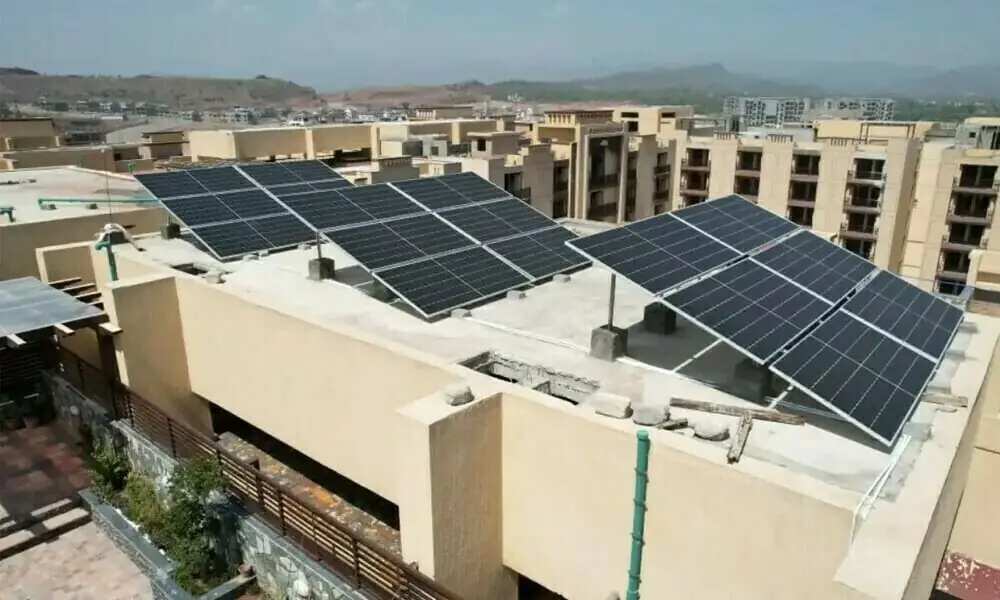
Karachi: A new study highlights how Pakistan’s rapid adoption of rooftop solar systems has delivered massive economic relief by slashing liquefied natural gas (LNG) imports. The consumer-driven surge in solar installations has helped the country avoid significant fuel costs amid global energy volatility. Read More: https://theboardroompk.com/fbr-72-hour-invoice-amendment-rule-new-restrictions-on-sales-tax-invoice-changes-in-pakistan/ Explosive Growth in Solar Capacity Pakistan’s installed solar capacity has skyrocketed from under 1 GW in 2018 to over 51 GW by early 2026. This boom, largely powered by affordable Chinese solar panels, represents one of the fastest people-led energy transitions worldwide. Households, businesses, and industries have embraced rooftop systems due to high grid tariffs and unreliable power supply.Analysts estimate that distributed solar now contributes around 20% of the country’s electricity in recent periods, reducing dependence on imported fossil fuels. Solar panel imports alone reached record levels, with over 12 GW added in 2025. Economic and Energy Security Benefits The study by Renewables First and the Centre for Research on Energy and Clean Air (CREA) reveals that this solar expansion has already saved Pakistan approximately $12 billion in oil and gas imports since 2021 up to February 2026. An additional $6.3 billion in savings is projected by the end of 2026 if high global prices persist. This shift has enabled the cancellation or renegotiation of some LNG contracts, cutting LNG demand by up to 40% in certain periods and lowering overall fossil fuel imports by 40% between 2022 and 2024. It provides a buffer against disruptions like potential issues in the Strait of Hormuz. Experts note that falling solar costs, combined with net metering incentives, have made rooftop systems highly attractive. The development enhances energy independence while easing pressure on foreign exchange reserves.

Scroll to Top