
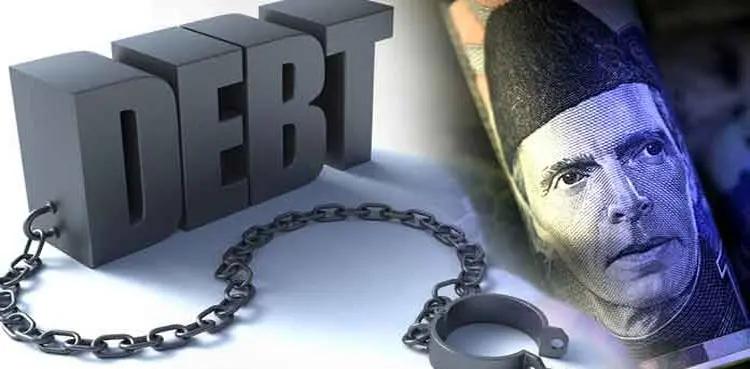
Pakistan Government Borrowing FY2026 has climbed significantly after the federal government added Rs339.39 billion in fresh debt during the week ended March 20, 2026. According to the central bank’s weekly estimates, this borrowing has pushed the cumulative net borrowing for the ongoing fiscal year to approximately Rs1.23 trillion, highlighting mounting fiscal pressures and the government’s reliance on domestic financing sources.
The latest data shows that borrowing activity remains largely driven by budgetary requirements, while repayments were recorded in commodity operations and other categories.
Pakistan Government Borrowing FY2026: Weekly Breakdown
Government borrowing is divided into three categories based on purpose: budgetary support, commodity operations, and others. During the reported week, the largest share of borrowing was directed toward budgetary support.
For budgetary support, the government borrowed Rs344.03 billion. At the same time, Rs3.97 billion was retired under commodity operations, while Rs662 million was repaid under the category classified as others. These repayments slightly offset the overall increase but were not enough to counter the heavy borrowing for fiscal expenditures.
This weekly activity pushed cumulative borrowing figures for FY2026 to Rs1.27 trillion for budgetary support. Meanwhile, repayments for commodity operations reached Rs42.73 billion, and Rs1.24 billion was retired under the others category.
Heavy Dependence on Banks for Budgetary Financing
Pakistan Government Borrowing FY2026 continues to rely heavily on two major domestic sources: the State Bank of Pakistan and scheduled commercial banks. These institutions remain the backbone of government financing, particularly for managing fiscal deficits.
Interestingly, the government has repaid a substantial net amount of Rs1.36 trillion to the State Bank of Pakistan during the current fiscal year. This includes repayments of Rs1.77 trillion by the federal government. However, this reduction was partially offset by provincial borrowing of Rs464.1 billion.
Additionally, the governments of Azad Jammu and Kashmir and Gilgit-Baltistan also contributed to net repayments, retiring Rs22.81 billion and Rs28.3 billion respectively. This suggests an effort to reduce direct central bank exposure, in line with broader monetary discipline objectives.
Scheduled Banks Continue to Fund Fiscal Gap
While repayments to the central bank increased, the government significantly expanded borrowing from scheduled banks. Overall, the government borrowed a net total of Rs2.63 trillion from commercial banks during Pakistan Government Borrowing FY2026.
Out of this amount, the federal government accounted for Rs2.87 trillion in borrowing. In contrast, provincial governments collectively retired Rs240.25 billion, partially balancing the overall figure. This shift indicates a deliberate strategy to move financing from the central bank to market-based sources.
What Pakistan Government Borrowing FY2026 Means for the Economy
The sharp rise in Pakistan Government Borrowing FY2026 reflects continued fiscal pressure amid growing expenditure needs. Increased borrowing for budgetary support signals that revenue generation remains insufficient to meet spending commitments.
Heavy reliance on scheduled banks may also impact private sector credit availability. When banks allocate significant funds to government securities, lending to businesses may slow down, potentially affecting economic growth and investment activity.
At the same time, repayments to the State Bank of Pakistan indicate adherence to commitments aimed at reducing inflationary financing. This shift toward commercial bank borrowing is generally considered more disciplined but may still increase domestic debt servicing costs.
Outlook for Pakistan Government Borrowing FY2026
With cumulative borrowing already crossing Rs1.23 trillion, Pakistan Government Borrowing FY2026 is expected to remain elevated in the coming months. Fiscal consolidation efforts, revenue enhancement measures, and expenditure management will play crucial roles in determining whether borrowing levels stabilize.
Economic observers will closely monitor upcoming weekly data to assess whether borrowing continues at the current pace or slows down. Sustained high borrowing could influence interest rates, inflation expectations, and overall macroeconomic stability.