Pakistan Turns to Qatar for More LNG as Gulf Tensions Disrupt Energy Trade
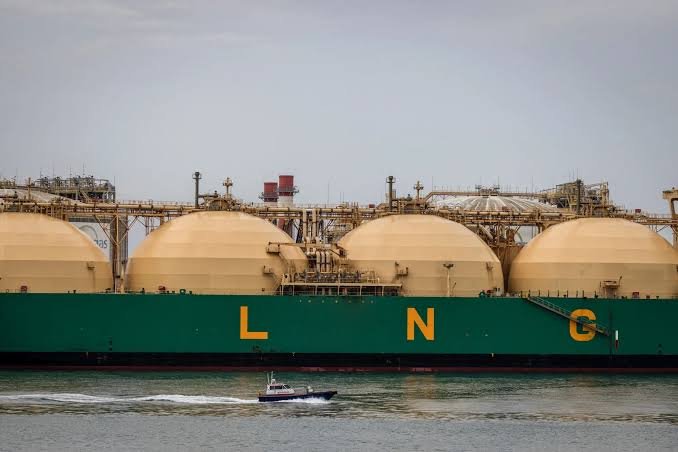
Pakistan is planning to secure additional liquefied natural gas (LNG) shipments from Qatar as escalating tensions in the Middle East continue to disrupt energy supplies through the Strait of Hormuz, raising concerns over the country’s energy security and fuel availability. According to a report citing people familiar with the matter, the government is finalizing a strategy to purchase at least one LNG cargo from the spot market for delivery in July and as many as six additional cargoes for August. The move reflects Islamabad’s efforts to ensure uninterrupted gas supplies as geopolitical tensions continue to threaten one of the world’s most important energy shipping routes. The decision to seek additional supplies comes as the conflict involving the United States and Iran continues to intensify across the Gulf region. Military hostilities have disrupted oil and gas shipments through the Strait of Hormuz, a strategic waterway that carries a significant share of global energy exports. The report said the Pakistan Seeks More Qatar LNG Cargoes strategy suggests policymakers expect the regional conflict to continue for an extended period and are preparing for prolonged disruptions to international energy markets. Hormuz Remains Critical for Global Energy Trade The Strait of Hormuz is one of the world’s busiest maritime chokepoints, linking Gulf energy producers with international markets. A substantial portion of global crude oil and LNG exports passes through the narrow waterway each day. Recent military escalation has increased uncertainty over the safety of commercial shipping. Reports indicate that Iran has also asked Yemen’s Houthi movement to remain prepared to disrupt shipping through the Red Sea, raising concerns that energy supply chains could face pressure from multiple directions. These developments have heightened volatility in global energy markets, with buyers seeking alternative supply arrangements to reduce exposure to shipping disruptions. Rising Demand Adds Pressure Pakistan’s efforts to purchase more LNG also coincide with rising domestic electricity demand. Higher summer temperatures have significantly increased power consumption across the country, while lower electricity generation from solar sources has forced authorities to rely more heavily on gas-fired power plants. Muhammad Awais Ashraf, Research Director at AKD Securities, told Bloomberg that reduced solar generation has increased dependence on LNG-based electricity production, making additional fuel imports necessary to maintain power supplies. The combination of stronger seasonal demand and uncertainty in international energy markets has prompted the government to move quickly to secure additional LNG cargoes before market conditions deteriorate further. Pakistan Turns to Spot Market Pakistan has increasingly relied on the spot LNG market to address supply gaps whenever contracted cargoes become unavailable. Earlier this month, Pakistan purchased an LNG cargo from TotalEnergies SE for delivery on July 10-11 at a price of $17.37 per million British thermal units (mmbtu). The cargo represented the country’s second spot LNG purchase within two weeks and was arranged after disruptions affected scheduled Qatari supplies due to renewed hostilities in the Strait of Hormuz. Following the cancellation of another Qatari cargo, Pakistan LNG Limited (PLL) issued an emergency tender seeking an additional LNG shipment for delivery on July 15-16. These purchases underline the challenges facing Pakistan’s energy planners as they attempt to balance affordability with supply security. Qatar Remains Pakistan’s Largest LNG Supplier Qatar continues to serve as Pakistan’s largest and most reliable LNG supplier under long-term supply agreements. However, even long-term contracts remain vulnerable when geopolitical events disrupt shipping routes or delay cargo movements. The latest procurement strategy indicates that Pakistan intends to maintain close coordination with Qatar while supplementing contracted supplies through spot market purchases whenever necessary. Energy analysts say maintaining diversified procurement options will become increasingly important if tensions in the Gulf continue. Volatile LNG Market Creates Challenges Pakistan has struggled in recent years to secure affordable LNG cargoes amid heightened competition, volatile international prices, and periodic supply shortages. Following the global energy crisis and subsequent geopolitical disruptions, several LNG exporters redirected shipments toward higher-priced markets, making it more difficult for Pakistan to secure supplies at competitive rates. The current Middle East conflict has added another layer of uncertainty by increasing shipping risks and raising insurance and transportation costs. Analysts warn that any prolonged disruption in the Strait of Hormuz could tighten global LNG availability, resulting in higher spot prices for importing countries. Energy Security Becomes Top Priority The government’s latest procurement strategy reflects a broader effort to strengthen Pakistan’s energy security during a period of geopolitical uncertainty. Ensuring uninterrupted LNG supplies remains essential because natural gas plays a central role in electricity generation, industrial production, fertilizer manufacturing, and household energy consumption. With domestic gas production continuing to decline and electricity demand rising during the summer months, imported LNG has become increasingly important for maintaining stable power supplies. Industry observers believe Pakistan will continue monitoring developments in the Gulf closely while exploring additional procurement options to minimize the risk of supply shortages.