
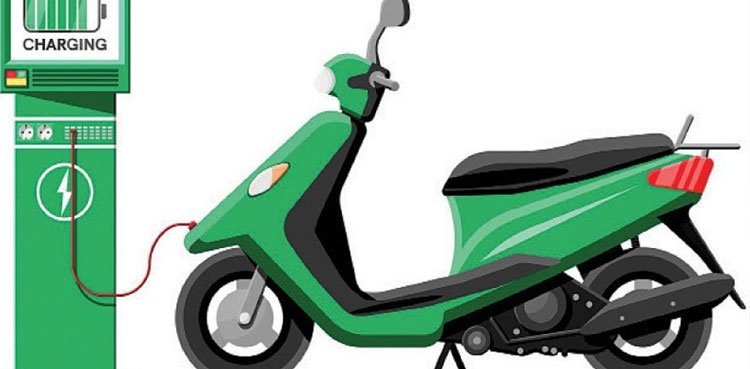
In a significant setback to the Prime Minister’s green mobility initiative, commercial banks in Pakistan have rejected a staggering 91% of applications for subsidized electric bikes.
Out of 44,689 applications forwarded to financial institutions, only 4,075 were approved, representing a meager 9% success rate.
This lack of enthusiasm from the banking sector has forced the federal government to overhaul its strategy to meet the ambitious targets of the Pakistan Accelerated Vehicle Electrification (PAVE) program.
Failure to Meet Annual Targets
The Economic Coordination Committee (ECC) was informed that the government is on track to miss its annual goal of distributing 116,000 electric bikes this fiscal year. Despite the imposition of a “climate support levy” of Rs2.5 per litre on petrol and diesel to fund this transition, the actual distribution remains abysmal.
Currently, only 4.5% of the fiscal year’s target has been met. The poor response from banks has necessitated a pivot toward self-financing options and direct manufacturer-to-consumer subsidies to bypass traditional banking delays.
Promoting Self-Financing and New Options
To salvage the program, the government is now prioritizing a self-finance model where the role of banks is minimized. Under the revised policy, applicants can receive an electric vehicle directly from suppliers at a discounted rate, with the government providing a cost-sharing subsidy.
In contrast to the low bank approval rate, the self-finance option has already shown a 99% success rate among initial applicants. The ECC has also introduced a specific scheme for government employees (BS-16 and below), allowing them to acquire bikes with a small upfront payment of Rs10,000 and interest-free installments.