Author name: Web Desk

Brent Crude Climbs Above $90 as Middle East Conflict Raises Global Oil Supply Concerns
Breaking News

Brent Crude Climbs Above $90 as Middle East Conflict Raises Global Oil Supply Concerns

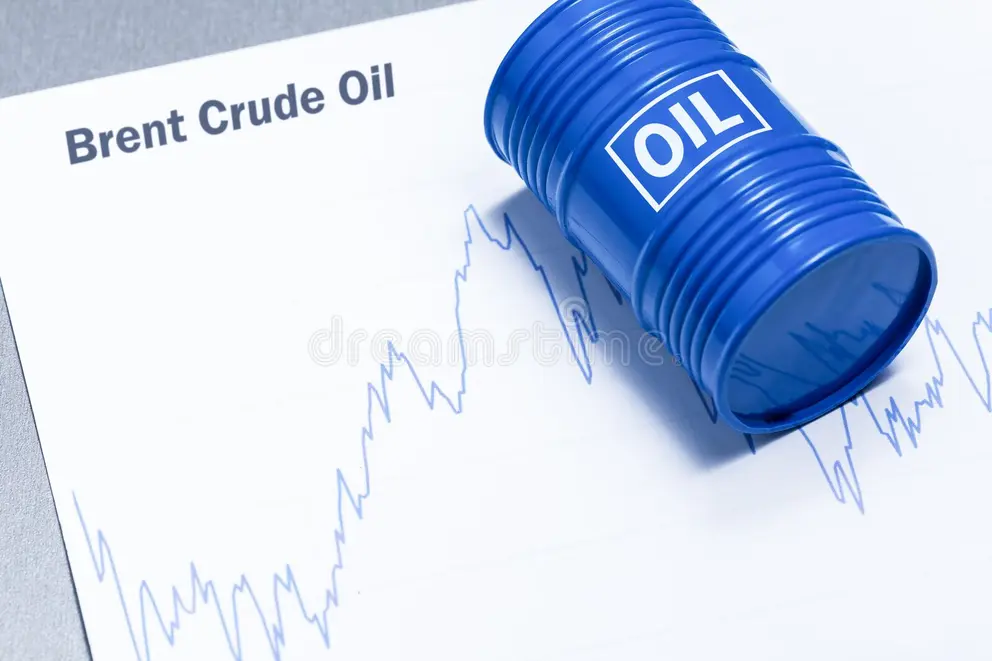
Brent crude oil prices climbed above $90 per barrel on Monday after escalating military tensions between the United States and Iran triggered fresh concerns over global energy supplies. The sharp rise reflects growing fears that prolonged conflict in the Middle East could disrupt crude exports from one of the world’s most important oil-producing regions. Brent crude futures gained more than 2%, reaching their highest level in over a month, while US West Texas Intermediate (WTI) crude also posted strong gains. The latest rally follows another week of significant increases, driven by uncertainty surrounding oil shipments through the Strait of Hormuz, a strategic maritime route that carries a substantial share of the world’s seaborne oil trade. Brent Crude Climbs Above $90 as Hormuz Supply Risks Intensify Market sentiment has become increasingly cautious after both Washington and Tehran expanded military operations in recent days. Reports of reduced tanker traffic through the Strait of Hormuz have heightened worries about possible supply disruptions, prompting traders to factor geopolitical risks into oil prices. Although there has been no complete interruption in exports, the decline in shipping activity has been enough to push crude prices higher and increase volatility across global energy markets. Energy Markets Remain Highly Sensitive Energy analysts believe the oil market remains highly sensitive to developments in the Middle East. Any further escalation or prolonged disruption to shipping routes could tighten global crude supplies and place additional upward pressure on prices. Some experts also note that global oil inventories remain relatively low, making energy markets more vulnerable to unexpected supply shocks and geopolitical events. Higher Oil Prices Could Fuel Inflation Rising crude oil prices could have far-reaching economic consequences. Countries that rely heavily on imported fuel may face higher energy import costs, while consumers around the world could experience increased prices for petrol, diesel, transportation, and manufactured goods. Economists also warn that sustained strength in oil prices may add to global inflationary pressures, complicating monetary policy decisions for central banks. Investors Closely Watch Middle East Developments Investors are now closely monitoring geopolitical developments and shipping activity across the Gulf region for signs of either escalation or de-escalation. While easing tensions could stabilize oil markets, continued military operations are expected to keep crude prices volatile and maintain uncertainty over global energy supplies in the days ahead.

Escalation in US-Iran Conflict: American Strikes Target Iranian Defences After Jordan Incident
Breaking News

Escalation in US-Iran Conflict: American Strikes Target Iranian Defences After Jordan Incident

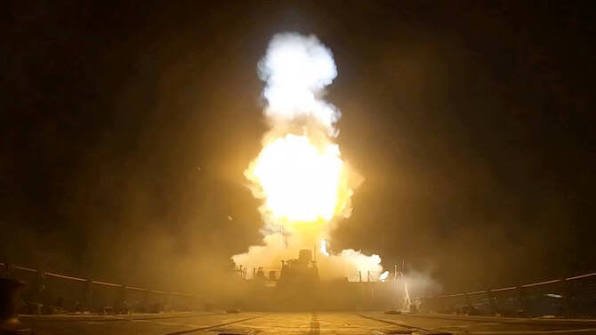
The US Central Command (CENTCOM) has concluded its eighth consecutive night of airstrikes on Iran, targeting military coastal surveillance and air defence facilities. The operation follows an Iranian attack that reportedly killed two US military personnel in Jordan, with one additional service member still missing. US Strikes Aim to Degrade Iranian Military Capabilities The strikes, ordered by President Donald Trump, began at 6:00 p.m. on Saturday. According to US officials, the operation is intended to further weaken Iran’s ability to threaten commercial shipping in the Strait of Hormuz and to respond to the attack attributed to Iran-backed forces that resulted in US military casualties in Jordan. CENTCOM stated that the operation successfully struck key Iranian military facilities involved in coastal surveillance and air defence. The latest action represents another escalation after the collapse of an interim ceasefire last week. Iranian Response and Regional Tensions Intensify Iran’s Islamic Revolutionary Guard Corps (IRGC) claimed responsibility for strikes targeting US assets across Kuwait, Bahrain, and Jordan, including radar installations and military aircraft. Iranian commanders warned that any further US military action would be met with what they described as a “devastating response.” Explosions were reported near Sirik, Shadegan, and Qeshm Island. Iranian state media said there were no major casualties in some affected areas, although emergency response teams were deployed. Kuwait reported intercepting missiles and drones, with injuries among emergency responders. Diplomatic Fallout Grows Supreme Leader Ayatollah Mojtaba Khamenei criticized the United States, describing its commitments as unreliable. Iran’s Foreign Ministry accused Washington of attempting to assert control over the strategically important Strait of Hormuz. The US Defence Secretary reiterated Washington’s determination following the deaths of American service members. According to US officials, total US military fatalities in the conflict have now reached 16, while more than 420 personnel have been wounded. Regional and International Concerns Mount Broader security alerts have been issued across the Gulf region, including in Saudi Arabia, as tensions continue to rise. The European Union and Gulf states have called on Iran to avoid actions that disrupt maritime navigation through the Strait of Hormuz, one of the world’s most critical energy shipping routes. Former US defence officials have noted that the recent shift toward targeting inland military infrastructure appears aimed at isolating Iran’s coastal defence network while limiting broader regional escalation. Strait of Hormuz Remains at the Centre of the Crisis The continuing confrontation has heightened concerns over regional stability and global energy security, with the Strait of Hormuz remaining the focal point of military and diplomatic tensions. Analysts warn that any prolonged disruption to shipping through the strategic waterway could significantly impact global oil markets, increase freight costs, and place additional pressure on energy-importing economies worldwide.

Pakistan Borrowed $27.2b Foreign Loans in FY26 Amid Export Slump
Business

Pakistan Borrowed $27.2b Foreign Loans in FY26 Amid Export Slump

Pakistan secured $27.2 billion in foreign loans during fiscal year 2025-26, including substantial rollovers from China and Saudi Arabia, as the government relied heavily on external financing to support the budget, repay maturing debt, and maintain foreign exchange reserves. According to official data from the Ministry of Economic Affairs, the inflows included $16 billion in fresh loans, $2.2 billion from the International Monetary Fund (IMF), a $5 billion rollover from Saudi Arabia, and $4 billion in Chinese rollovers. Heavy Reliance on Rollovers Supports External Financing The government’s financing strategy remained heavily dependent on the rollover of existing deposits from friendly countries. These rollovers played a crucial role in maintaining Pakistan’s foreign exchange reserves and meeting external financing obligations while easing pressure on the country’s balance of payments. Only a Small Portion Went to Development Projects Official figures show that only $3.4 billion, or around 13% of total external financing, was allocated for development and project financing. The remaining $24 billion was used primarily for budgetary support, debt servicing, and maintaining foreign exchange reserves as the country faced weaker export earnings and higher financing requirements. Export Slowdown Increased Borrowing Needs Pakistan’s exports declined 6% during FY26 to $30 billion, widening the trade deficit and increasing reliance on external lenders. Foreign direct investment (FDI) also remained subdued, falling below $2 billion, limiting alternative sources of foreign exchange inflows. Foreign Exchange Reserves Supported by External Deposits The State Bank of Pakistan’s foreign exchange reserves reached approximately $18.5 billion, largely supported by external rollovers and market purchases. The figures highlight Pakistan’s continued dependence on support from bilateral partners and international financial institutions to maintain reserve adequacy. Saudi Arabia currently maintains around $8 billion in deposits with Pakistan, carrying interest rates of approximately 4% to 4.5%, with these facilities regularly rolled over. China continues to hold around $4 billion in deposits, reportedly carrying interest rates of more than 6%. Multilateral and Commercial Financing Continued Pakistan also received financing from multilateral development partners, including the Asian Development Bank (ADB) and the World Bank, alongside commercial borrowing through Panda Bonds and loans arranged with Chinese and UK-based financial institutions. These funding sources remained an important component of Pakistan’s overall external financing strategy during the fiscal year. IMF Programme Hinges on Continued External Support Officials acknowledge that the success of Pakistan’s IMF programme remains closely linked to continued financial support and rollovers from bilateral partners. Gross external financing requirements are projected to reach approximately $21.2 billion during the current fiscal year before increasing to nearly $30 billion in the following year. Economists continue to warn that Pakistan’s debt-to-GDP ratio and external financing requirements remain above sustainable levels. Although record remittance inflows provided some support during FY26, the current account still slipped into a modest deficit, underscoring the need for stronger export growth, higher foreign investment, and structural economic reforms.

Pakistan Textile Exports Climb 13.5% to $1.56bn in June: SBP
Editor pick

Pakistan Textile Exports Climb 13.5% to $1.56bn in June: SBP

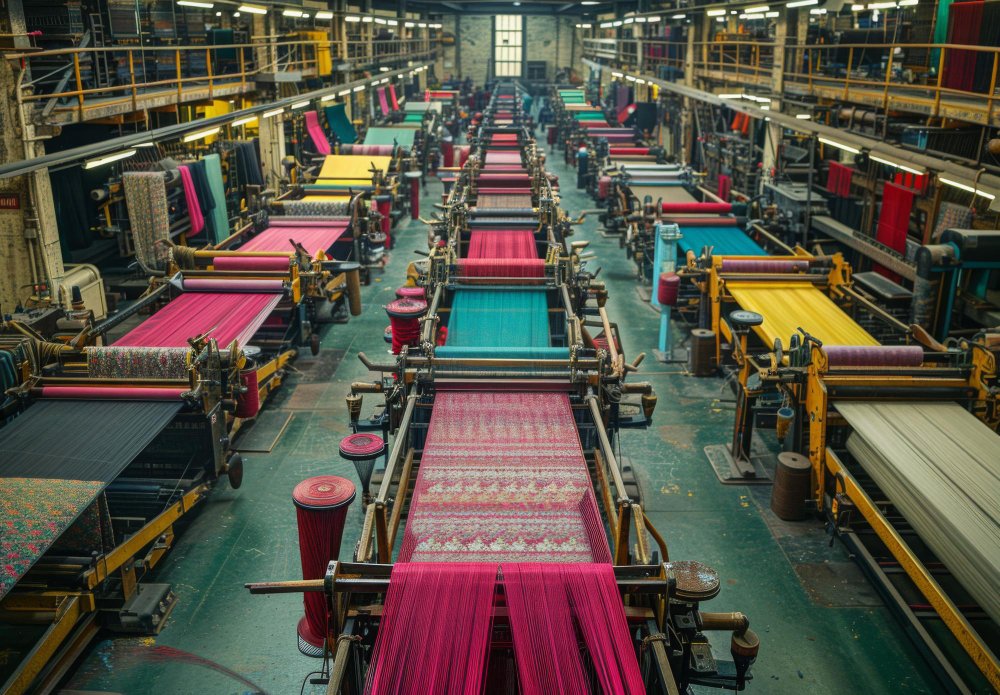
Pakistan Textile Exports continued to dominate the country’s export basket in June 2026, contributing more than 60% of total export earnings as overseas shipments of textiles, food products, and petroleum products posted strong growth, according to data released by the State Bank of Pakistan (SBP). The latest figures showed that Pakistan Textile Exports reached $1.56 billion during June 2026, compared with $1.37 billion recorded in the corresponding month last year. Based on the reported values, textile exports increased by approximately 13.5% year-on-year, while also registering a robust 24.82% month-on-month increase from $1.25 billion in May 2026. Overall, Pakistan’s exports, measured on a Balance of Payments (BOP) basis, stood at $2.60 billion in June 2026, slightly higher than $2.59 billion in June 2025, reflecting a modest 0.16% annual increase. Compared with May 2026, total exports grew 10.1%, indicating stronger export activity at the close of the fiscal year. Pakistan Textile Exports Account for 60% of Total Export Earnings The textile sector remained the backbone of Pakistan’s export economy during the month, accounting for 60.02% of the country’s total export earnings. The performance reinforced the industry’s position as Pakistan’s largest source of foreign exchange despite continued challenges in global demand and rising production costs. Among textile products, knitwear emerged as the largest export category, generating $400.37 million in foreign exchange earnings during June. Knitwear exports increased 7.16% compared with the same month last year, reflecting sustained international demand for Pakistani apparel. Readymade garments ranked as the second-largest textile export, contributing $343.64 million. Exports of garments recorded a 9.59% year-on-year increase, supported by higher shipments to key international markets. Bed wear remained another major contributor to textile exports, bringing in $272.08 million during the month. Export receipts from bed wear increased 10.55% on an annual basis, highlighting the continued competitiveness of Pakistan’s home textile industry. Food Exports Register Strong Growth The food group retained its position as the country’s second-largest export category after textiles. Food exports climbed to $443.68 million in June 2026, registering an impressive 18.36% year-on-year increase from $374.87 million recorded in the corresponding month last year. On a monthly basis, food exports also strengthened considerably, increasing 22.01% from $363.63 million in May 2026. Rice remained Pakistan’s leading food export and one of the country’s biggest foreign exchange earners. Rice exports reached $213.67 million during June, recording a 28.4% year-on-year increase while also rising 26.07% compared with the previous month. Exports of oil seeds, nuts, and kernels posted one of the strongest growth rates among all export categories. The segment generated $22.19 million in export earnings during June. According to the SBP data, exports of these products surged 136.43% compared with June last year, demonstrating growing demand in international markets. Value-Added Manufacturing Supports Export Growth Pakistan also recorded positive growth across several value-added manufacturing sectors. Exports of surgical goods and medical instruments increased 4.42% year-on-year to $37.13 million, maintaining the country’s reputation as an important supplier of medical products. The leather manufacturing sector also delivered encouraging results, with exports rising 10.33% to $52.07 million, supported by stronger international demand for leather products. Similarly, sports goods exports continued their upward trend. Export earnings from the sector reached $43.27 million, representing a 12.25% increase compared with June 2025. On a monthly basis, sports goods exports grew 13.11% from $38.26 million recorded in May, reflecting improved export orders. Chemical and Pharmaceutical Exports Decline In contrast, exports of chemical and pharmaceutical products recorded a decline during the month. The sector generated $104.71 million in export earnings, down 7.65% from $113.39 million recorded in the same month last year. Petroleum Exports Record Exceptional Growth Meanwhile, Pakistan’s petroleum exports showed remarkable improvement despite representing a relatively small share of the country’s export basket. The petroleum group accounted for 4.03% of total exports during June 2026. Exports of petroleum products reached $104.63 million, registering an exceptional 438.44% year-on-year increase. The sharp rise reflected higher exports of refined petroleum products compared with the low base recorded in the previous year.

Pakistan Imports Jump 24% in FY26 as Petroleum Bill Surges 41% in June
Pakistan

Pakistan Imports Jump 24% in FY26 as Petroleum Bill Surges 41% in June

Pakistan’s Petroleum Import Bill rose sharply in June 2026, driven by higher international energy prices and increased crude oil purchases, while overall imports also recorded strong year-on-year growth, according to data released by the State Bank of Pakistan (SBP). The country’s petroleum group imports reached $1.55 billion during June 2026, registering a 41.25% increase compared with $1.10 billion recorded in the same month last year. However, on a monthly basis, petroleum imports declined 9.98% from $1.72 billion in May 2026, reflecting some easing in import volumes and prices toward the end of the fiscal year. Petroleum Import Bill Surges as Crude Oil Leads Energy Purchases The latest SBP figures show that crude oil remained the largest contributor within the petroleum category. Pakistan imported $812.03 million worth of petroleum crude during June, while imports of refined petroleum products stood at $506.86 million. Liquefied natural gas (LNG) imports accounted for another $221.47 million, highlighting the country’s continued reliance on imported energy to meet domestic demand. The sharp annual increase in the Petroleum Import Bill came despite the monthly decline and reflected the impact of elevated global oil prices during much of the fiscal year. Energy imports continue to represent one of the largest components of Pakistan’s overall import bill and remain a key factor influencing the country’s trade deficit and foreign exchange requirements. Overall Imports Rise 24% Year-on-Year Overall, Pakistan’s import payments processed through banks increased to $6.05 billion in June 2026 from $4.87 billion in June 2025, representing an annual increase of more than 24%. Freight charges during the month amounted to $196.54 million. Food Imports Decline Annually but Recover Month-on-Month While energy imports increased substantially, the food import bill moved in the opposite direction on an annual basis. Food imports declined 7.08% year-on-year to $642.91 million, compared with $691.92 million in June 2025. However, they increased 17.07% compared with $549.16 million recorded in May. Among food items, palm oil remained the largest imported commodity with purchases worth $214.54 million. Imports of pulses reached $63.58 million, while tea imports stood at $49.41 million during the month. Machinery Imports Reflect Continued Industrial Investment Imports of machinery continued to show healthy growth, indicating sustained investment in industrial equipment and technology. The machinery group recorded imports of $862.75 million, up 17.51% from $734.22 million a year earlier, although slightly lower than the $875.95 million imported in May. Electrical machinery and apparatus led the category with imports valued at $290.46 million, followed by other machinery at $244.27 million. Telecommunications equipment accounted for $149.85 million, reflecting continued investment in Pakistan’s communications infrastructure. Transport Imports Post Strongest Growth The transport sector posted the strongest growth among major import categories during June. Imports under the transport group surged 76.31% year-on-year to $435.05 million, compared with $246.78 million in the corresponding month of 2025. On a monthly basis, transport imports increased 19.15% from $365.11 million. Road motor vehicles dominated the category, accounting for $353.16 million of total transport imports. Meanwhile, imports of aircraft, ships and boats rose significantly to $60.41 million, compared with $16.73 million recorded during the same month last year. Textile Imports Continue Upward Trend The textile sector also registered notable growth during June. Textile-related imports increased 16.39% year-on-year to $538.90 million, while rising 23.68% compared with May’s $435.78 million. Raw cotton remained the largest imported item within the textile group, with imports valued at $216.41 million, reflecting continued demand from Pakistan’s export-oriented textile industry. Chemical and Agricultural Imports Increase Imports of agriculture and chemical products also moved higher during June. The agriculture and other chemicals group recorded imports worth $848.81 million, representing a 9.50% increase from $775.18 million a year earlier and an 8.11% rise compared with May. Plastic materials made the largest contribution to the category with imports totaling $245.77 million. The group also included fertilizer imports, although manufactured fertilizer imports remained below last year’s level despite ongoing demand in the agriculture sector. Metal Imports Jump on Construction Demand Metal imports recorded another strong performance during the month. The group’s import bill climbed 41.98% year-on-year to $541.74 million, compared with $381.63 million in June 2025. On a monthly basis, imports increased 34.99% from $401.36 million. Iron and steel remained the dominant segment within the metals category, accounting for imports worth $265.63 million, reflecting continued activity in construction, manufacturing and infrastructure projects. Miscellaneous Imports Also Move Higher Imports under the miscellaneous category rose 36.06% to $101.60 million, compared with $74.68 million in the same month last year, while increasing 5.26% from $96.53 million in May.

Petrol, Diesel Prices Hiked Up to Rs31 as Daily Review Begins Amid Hormuz Crisis
Breaking News

Petrol, Diesel Prices Hiked Up to Rs31 as Daily Review Begins Amid Hormuz Crisis

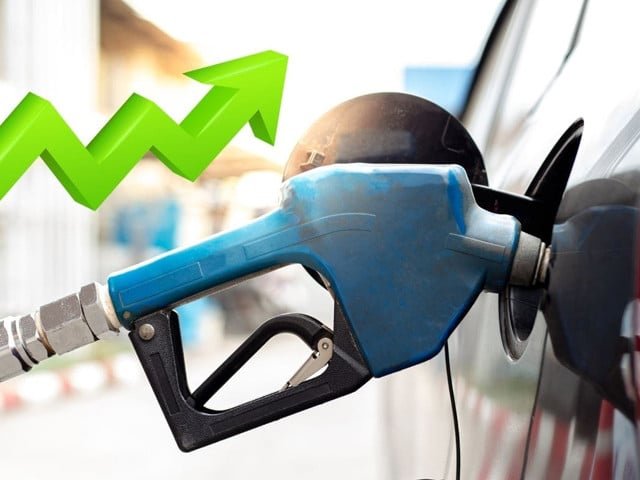
The government on Friday raised petrol and diesel prices by up to Rs31 per litre in line with global oil price fluctuations. The new rates took effect on July 18, 2026, under the newly introduced daily price review mechanism. Daily Price Review Introduced The switch to daily oil price reviews marks a significant policy shift. Previously, the government moved from fortnightly to weekly reviews following the initial wave of Iran-US tensions. The latest move is aimed at allowing domestic fuel prices to respond more quickly to changes in international oil markets while reducing the risk of supply disruptions. Impact of Strait of Hormuz Closure Fresh escalation between Iran and the United States has led to the closure of the Strait of Hormuz. The disruption of this critical global energy chokepoint threatens oil supplies to international markets, including Pakistan. Rising geopolitical tensions have pushed crude oil prices higher, prompting the government to revise domestic petroleum prices under the new daily pricing framework. New Ex-Depot Prices High-Speed Diesel (HSD) price increased by Rs31.05 per litre, rising from Rs323.30 to Rs354.35 per litre. Petrol registered a comparatively smaller increase of Rs5.44 per litre, moving from Rs310.71 to Rs316.15 per litre. Petroleum Levy Details The government continues to charge a Rs70.82 per litre petroleum levy on retail High-Speed Diesel and Rs79.46 per litre on direct sales, in addition to a Rs5 Climate Support Levy (CSL). For petrol, the petroleum levy remains Rs80 per litre, along with a Rs5 CSL at retail outlets. Officials stated that the revised prices will apply only for July 18, 2026, with rates to be reassessed under the new daily review mechanism. Second Consecutive Fuel Price Increase This marks the second recent adjustment in petroleum prices. Last Friday, fuel prices were increased by up to Rs13.80 per litre under the weekly pricing mechanism. International oil prices surged again following renewed Iran-US tensions. Earlier optimism stemming from a temporary ceasefire had briefly eased domestic fuel prices before the latest escalation reversed the trend. Economic Impact of Higher Fuel Prices High-Speed Diesel is widely used by Pakistan’s transport and agriculture sectors. The sharp increase is expected to raise transportation costs, increase agricultural input expenses, and add to inflationary pressures across the economy. Petrol demand has also risen in Punjab following restrictions on the use of indigenous gas, meaning motorists and motorcycle users are likely to face higher transportation costs. Kerosene oil continues to serve remote northern regions where LPG availability remains limited, while the Pakistan Army remains among its major institutional users. Light diesel oil supports various industrial operations, while the furnace oil levy remains at Rs77 per litre, plus the Rs5 Climate Support Levy. Daily Pricing Aims to Prevent Fuel Shortages The introduction of the daily oil pricing mechanism is expected to make it more difficult for petroleum dealers to engage in speculative hoarding during periods of rapid international price movements. The government says the system will improve alignment with global oil benchmarks, discourage artificial shortages, and ensure more timely price adjustments. Economists, however, warn that if elevated crude oil prices persist due to continued disruptions in the Strait of Hormuz, Pakistan could face additional pressure on its import bill and foreign exchange reserves. Policymakers may need to carefully balance fiscal sustainability with measures aimed at protecting consumers from prolonged inflation.

NBP Advances Public Sector Digitization with BEOE Digital Walk-in Fee Collection Solution
Business

NBP Advances Public Sector Digitization with BEOE Digital Walk-in Fee Collection Solution

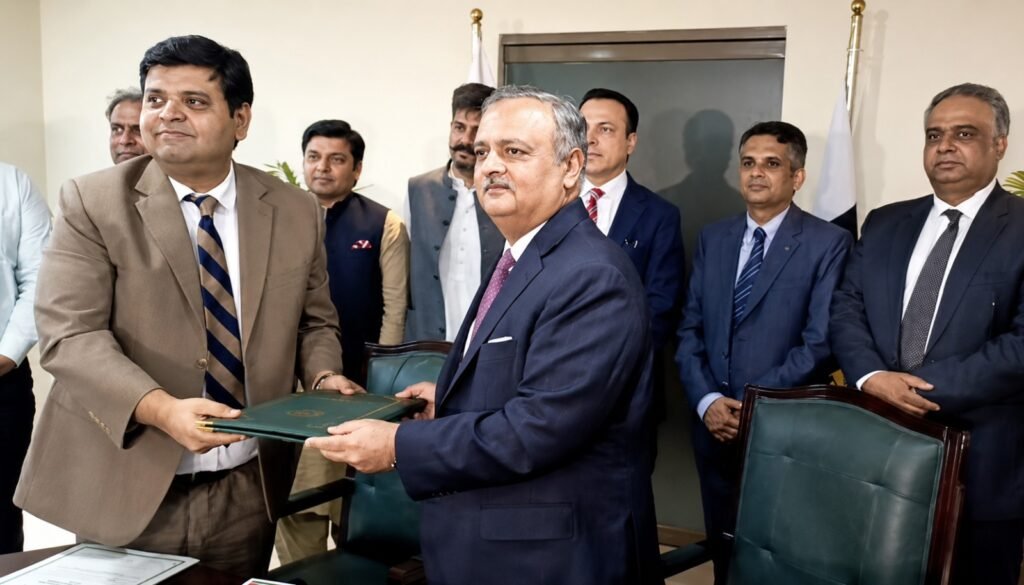
National Bank of Pakistan (NBP) has achieved another milestone in Pakistan’s digital transformation journey by partnering with the Bureau of Emigration & Overseas Employment (BEOE) to digitize walk-in fee collections, supporting the Prime Minister’s vision of a modern, cashless, and digitally empowered economy. The agreement was signed by NBP President & CEO Rehmat Ali Hasnie and BEOE Director General Javed Zia, marking a significant step toward expanding digital payment infrastructure across public sector institutions. NBP and BEOE Launch RAAST QR-Based Digital Fee Collection Under the partnership, NBP will facilitate RAAST Person-to-Merchant (P2M) QR-based digital fee collections for BEOE’s walk-in applicants, enabling instant, secure, and convenient payments. The new solution is expected to improve customer convenience while enhancing operational efficiency, transparency, and the overall payment experience for citizens accessing BEOE services. NBP Reinforces Commitment to Pakistan’s Digital Economy Speaking on the occasion, NBP President & CEO Rehmat Ali Hasnie, accompanied by Group Chief and Chief Digital Officer Adnan Nasir, emphasized the growing importance of cashless and digital payment systems in accelerating Pakistan’s digital transformation. He noted that the adoption of digital payment solutions across government institutions reflects the country’s steady transition from conventional cash-based transactions to modern, technology-driven financial systems. Expanding Digital Payment Solutions Across Public Institutions As part of its broader digital banking strategy, NBP has been actively onboarding public and private sector organizations to expand digital payment capabilities. The bank has already implemented digital payment solutions for several organizations, including the National Highways & Motorway Police, National Accountability Bureau (NAB), Water and Sanitation Agency (WASA), Lahore Electric Supply Company (LESCO), the University of the Punjab, WAPDA Employees Cooperative Housing Society Gujranwala, Federal Science College, Government College University Faisalabad (GCUF), and various other government institutions. Collaboration Supports Efficient Public Service Delivery The partnership was coordinated by Farhan Durrani, Divisional Head of the Digital Banking Group, and Zohaib Ali Khan, Divisional Head of the Digital Banking Group, under the overall supervision of Group Chief and Chief Digital Officer Adnan Nasir. Also present at the signing ceremony were Imran Gull, General Manager Islamabad, Ahmad Ali Athar, North Head of NBP’s Digital Banking, and representatives of the Bureau of Emigration & Overseas Employment, whose collaboration played a key role in the successful implementation of the initiative. NBP Continues to Drive Pakistan’s Digital Transformation NBP reaffirmed its commitment to delivering innovative digital payment solutions across Pakistan while supporting the country’s transition toward a secure, efficient, and inclusive digital economy. The latest collaboration with BEOE further strengthens the bank’s role in promoting cashless transactions, improving public sector service delivery, and accelerating the adoption of digital financial services nationwide.

EU Introduces New Rules to Stop the Destruction of Unsold Clothes and Shoes
Pakistan

EU Introduces New Rules to Stop the Destruction of Unsold Clothes and Shoes

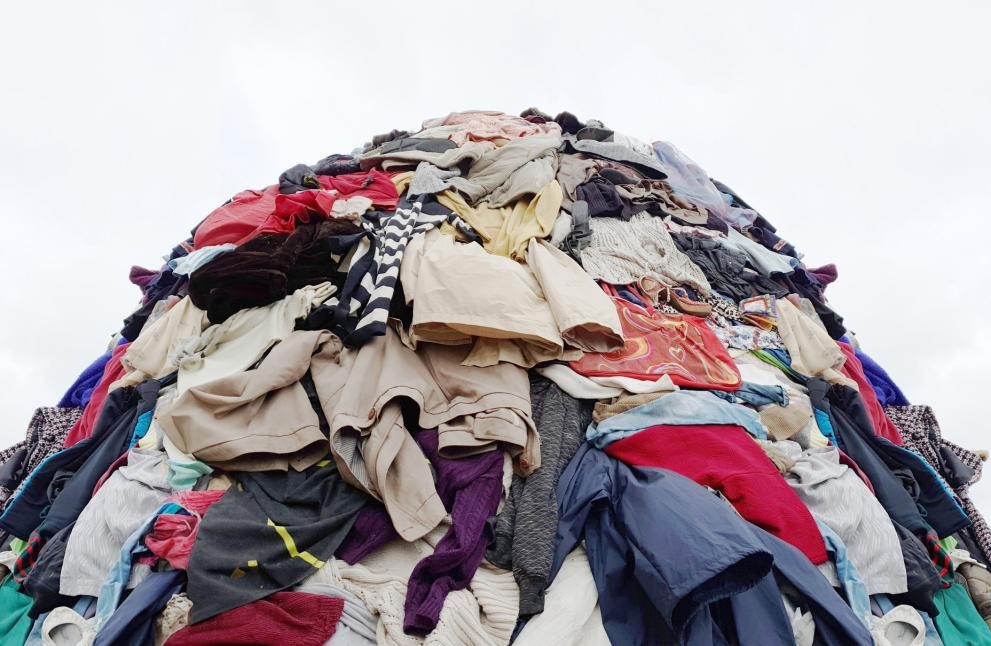
The European Union is set to implement new rules banning the destruction of unsold apparel, clothing accessories, and footwear as part of the Ecodesign for Sustainable Products Regulation (ESPR), marking a major step toward reducing textile waste and promoting a circular economy. The new regulations will come into effect on 19 July for large companies, while medium-sized businesses will be required to comply from July 2030. By encouraging reuse, recycling, and more sustainable resource management, the rules aim to reduce environmental damage, improve product circularity, and create a level playing field for businesses operating across the European Union. ESPR Targets Textile Waste and Fast Fashion According to the European Union, an estimated 4% to 9% of unsold textiles in Europe are destroyed every year before ever being worn. This practice generates approximately 5.6 million tonnes of carbon dioxide (CO₂) emissions annually. The Ecodesign for Sustainable Products Regulation (ESPR), which entered into force in July 2024, seeks to improve the sustainability of products sold in the EU by enhancing their durability, recyclability, energy performance, and overall circularity. The ban on destroying unsold textiles represents one of the first major measures introduced under the regulation and responds to growing consumer concerns about the environmental and social impacts of fast fashion. Companies Required to Prioritize Reuse Under the new rules, companies will be expected to keep products in circulation rather than dispose of them. Businesses will be required to prioritize selling unsold goods, donating them to charities or social enterprises, or preparing products for reuse before considering disposal. The regulation also requires companies to disclose information about unsold consumer products that are discarded as waste, improving transparency while minimizing additional administrative burdens. Limited Exceptions to the Ban The European Commission has clarified that the destruction of unsold clothing and footwear will only be permitted under specific circumstances. In February 2026, the Commission adopted implementing measures outlining the limited situations in which destruction may be allowed, including cases involving product safety concerns or items that have been damaged. Any disposal that is permitted must comply with the EU’s waste treatment hierarchy, ensuring that destruction remains a last resort. Circular Economy Push Gains Momentum The new ESPR requirements are expected to accelerate the transition toward a more sustainable and circular textile industry across Europe. By reducing unnecessary waste and encouraging reuse, recycling, and responsible product management, the regulation aims to lower greenhouse gas emissions, conserve resources, and promote more sustainable business practices throughout the textile and footwear sectors.

BYD Pakistan Receives Its Largest-Ever Shipment of NEVs at Karachi Port For Customer Deliveries
Pakistan

BYD Pakistan Receives Its Largest-Ever Shipment of NEVs at Karachi Port For Customer Deliveries

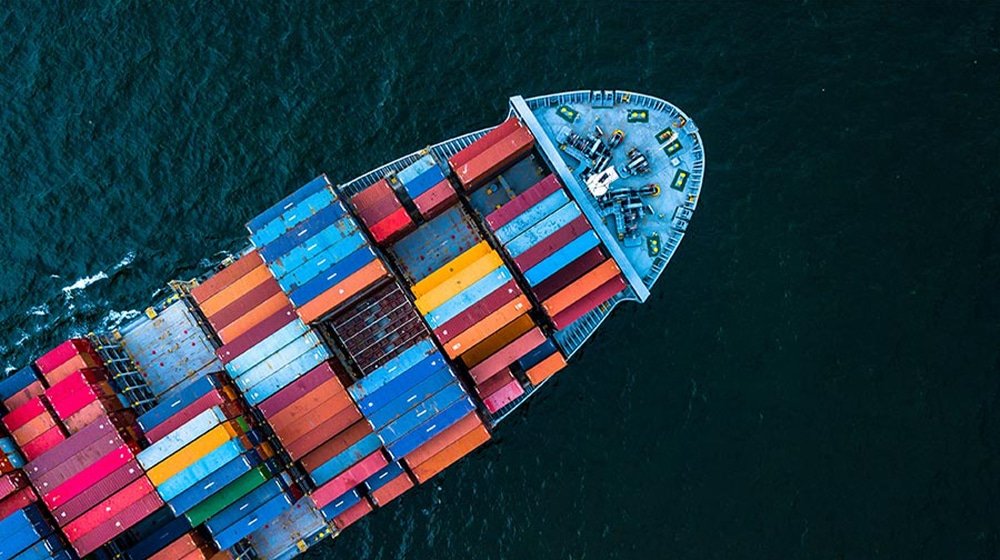
Karachi, July 17, 2026 — Mega Motor Company (MMC), the official partner of BYD in Pakistan, has announced the arrival of a Roll-on/Roll-off (RoRo) vessel carrying more than 2,000 BYD New Energy Vehicles (NEVs) at Karachi Port, marking the company’s largest shipment of vehicles to Pakistan to date. The milestone underscores the growing demand for electric mobility in Pakistan as consumers increasingly embrace New Energy Vehicles (NEVs) for their economic, environmental, and technological benefits. The large-scale shipment also reinforces BYD’s commitment to improving vehicle availability while supporting Pakistan’s transition toward cleaner and more sustainable transportation. BYD Expands Pakistan Presence with Record NEV Shipment The arrival of more than 2,000 BYD vehicles reflects the accelerating adoption of electric mobility in Pakistan and demonstrates the company’s confidence in the country’s growing EV market. As demand for NEVs continues to rise, larger shipments are expected to improve inventory availability and reduce delivery times for customers across Pakistan. Growing Consumer Confidence in Electric Mobility Speaking on the occasion, Danish Khaliq, Vice President – Sales & Strategy at BYD Pakistan – MMC, said the record shipment reflects the increasing confidence of Pakistani consumers in New Energy Vehicles and the country’s ongoing transition toward sustainable mobility. He noted that despite evolving global supply chain challenges and unprecedented international demand for BYD vehicles, the company worked closely with its global partner to strengthen supply planning and logistics. According to Khaliq, the shipment will enhance vehicle availability while ensuring customers receive their vehicles in a timely and reliable manner. He added that BYD Pakistan remains focused on delivering a premium ownership experience through world-class products, dependable aftersales support, and an expanding charging network that enables customers to adopt electric mobility with greater confidence. Pakistan Remains a Strategic Market for BYD Lei Jian, Country Head of BYD Pakistan, said the company’s global success has been built on continuous innovation, quality, and sustainable mobility. He described Pakistan as an important market in BYD’s international growth strategy and reaffirmed the company’s commitment to supporting the country’s transition toward cleaner transportation by introducing advanced New Energy Vehicles and strengthening its local presence. Lei Jian also thanked Pakistani customers for their trust and confidence in BYD products and said the company looks forward to supporting the next phase of electric mobility in Pakistan. RoRo Shipping Enhances Automotive Logistics The arrival of the shipment aboard a Roll-on/Roll-off (RoRo) vessel highlights the growing role of modern automotive logistics in Pakistan. Purpose-built to transport vehicles efficiently and safely, RoRo vessels allow automobiles to be driven directly on and off ships, reducing unloading times, minimizing handling risks, and improving supply chain efficiency. The use of RoRo shipping enables larger vehicle consignments to reach Pakistan more efficiently, strengthening logistics resilience while ensuring better availability of vehicles for customers.

US Strikes Target Key Iranian Infrastructure Amid Escalating Hormuz Conflict; Iran Says 38 Killed
Pakistan

US Strikes Target Key Iranian Infrastructure Amid Escalating Hormuz Conflict; Iran Says 38 Killed

Deadly US strikes overnight hit an airport, a railway station, and bridges in Iran, killing at least three people and wounding several others, according to Iranian state media. The attacks come as tensions over the Strait of Hormuz intensify, with both sides exchanging fire despite earlier diplomatic efforts. Infrastructure Damage and Casualties Reported Across Iran A US strike on two bridges in Hormozgan province killed three people and wounded nine, state television reported. Explosions were also heard near Iranshahr Airport in southeastern Iran, with at least one projectile reportedly striking the facility. Bandar Abbas Railway Junction Station was also targeted, injuring two people, according to Mehr News Agency. Another strike wounded one person in the port city of Bushehr, while Chabahar’s maritime control tower was reportedly hit for the third time in a week. Iran Reports Rising Death Toll Iran’s Ministry of Health said that 38 people have been killed and more than 400 injured since US strikes resumed in late June. According to Iranian authorities, the casualties include women and minors, underscoring the humanitarian impact of the ongoing conflict. Iran Claims Retaliation as Strait of Hormuz Tensions Deepen Iran’s Revolutionary Guards claimed responsibility for a retaliatory strike on a US command centre in Syria. They also asserted that Iran continues to maintain control over the Strait of Hormuz, disrupting oil and gas exports during the conflict. The US Central Command (CENTCOM) confirmed carrying out a new wave of strikes targeting Iranian military assets, stating that the operations are intended to degrade Iran’s military capabilities and respond to attacks on commercial shipping. US officials said more than 50,000 American military personnel remain deployed across the region. US Cites Memorandum Violation The United States said the latest military action followed what it described as Iran’s violation of a Pakistan-mediated memorandum of understanding. President Donald Trump stated that the United States is “winning big in Iran,” while White House officials reiterated that the naval blockade targeting Iranian ports would continue. Global Energy Markets and Pakistan Face Growing Risks The escalating conflict has heightened concerns over global energy supplies passing through the Strait of Hormuz, one of the world’s most critical oil transit routes. For Pakistan, sustained disruptions could translate into higher crude oil prices, increased inflation, and additional pressure on the country’s current account through rising import costs. Analysts also warn that prolonged instability in the Middle East could affect remittance flows, regional trade routes, and investor confidence across emerging markets, including Pakistan. Diplomatic efforts involving regional stakeholders, including Pakistan, may gain renewed importance as the conflict continues.

Scroll to Top