Author name: Web Desk

Chery Super Hybrid Pakistan Prices Reduced as Master Auto Absorbs Sales Tax Hike
Auto

Chery Super Hybrid Pakistan Prices Reduced as Master Auto Absorbs Sales Tax Hike

Pakistan’s hybrid vehicle market has received a boost as Master Auto Engineering (MAE), the official assembler and distributor of Chery vehicles in Pakistan, has announced a limited-time price relief initiative for its Chery Super Hybrid Pakistan lineup. Despite the recent increase in sales tax on vehicles, the company will absorb a significant portion of the additional tax, allowing customers to save up to Rs1.5 million on selected locally assembled plug-in hybrid electric vehicles (PHEVs). The offer is valid until July 31, 2026, or while stocks last, and aims to make advanced hybrid technology more accessible to Pakistani consumers. Chery Super Hybrid Pakistan Gets Temporary Price Relief Rather than transferring the full impact of higher taxes to buyers, Master Auto Engineering has introduced discounted ex-factory prices across its locally assembled Chery Super Hybrid range. Chery Tiggo 7 PHEV The Chery Tiggo 7 PHEV, which carried an earlier price tag of Rs9.499 million, now has a revised list price of Rs10.949 million following the tax adjustment. However, under the promotional offer, customers can purchase it for an effective ex-factory price of Rs9.999 million, resulting in savings of approximately Rs950,000. Chery Tiggo 8 PHEV The Chery Tiggo 8 PHEV has a revised price of Rs12.999 million, but buyers can avail the vehicle at Rs11.499 million during the promotional period, reducing the purchase cost by Rs1.5 million. Chery Tiggo 9 PHEV For buyers seeking a premium hybrid SUV, the Chery Tiggo 9 PHEV is available at an effective ex-factory price of Rs14.299 million, compared with its revised price of Rs15.749 million, offering savings of Rs1.45 million. Plug-In Hybrid Technology Gains Momentum The growing popularity of Chery Super Hybrid Pakistan reflects increasing consumer interest in fuel-efficient vehicles amid fluctuating fuel prices. The locally assembled Chery Super Hybrid lineup offers an electric-only driving range of up to 170 kilometers, while the combined driving range extends to approximately 1,400 kilometers using both electric power and the petrol engine. This allows drivers to complete most daily journeys on electricity while maintaining the convenience of long-distance travel without relying entirely on charging infrastructure. As Pakistan gradually expands its EV ecosystem, plug-in hybrid vehicles are emerging as a practical option for motorists seeking lower fuel costs and reduced emissions without concerns over charging availability. Master Auto Shields Customers from Tax Impact Pakistan’s automobile industry has been affected by higher taxes, currency depreciation, and rising production costs over the past few years, leading to significant increases in vehicle prices. Instead of passing the complete tax burden to customers, Master Auto Engineering has opted to absorb part of the increase for a limited period. The initiative is aimed at maintaining affordability while encouraging the adoption of cleaner mobility solutions. The company believes that offering better value to consumers will help accelerate the transition toward new energy vehicles in Pakistan. Local Manufacturing and Network Expansion Continue Beyond competitive pricing, Master Auto Engineering is expanding its footprint in Pakistan’s automotive sector. The company operates a manufacturing facility covering more than 60 acres and currently has 10 dealerships nationwide. It plans to expand its dealership network to 20 locations over the next six months, improving access to sales and after-sales services across the country. These investments support local manufacturing, employment, technology transfer, and the development of Pakistan’s automotive industry. CEO Reaffirms Customer Commitment Master Auto Engineering CEO Samir Malik said customers remain at the center of the company’s strategy, adding that the temporary pricing initiative is intended to make advanced new energy vehicles more accessible while supporting Pakistan’s transition toward cleaner transportation. Growing Opportunity for Hybrid Vehicles in Pakistan As fuel prices remain volatile and interest in environmentally friendly transportation grows, hybrid vehicles are becoming an increasingly attractive option for Pakistani consumers. With temporary price reductions, locally assembled production, expanding dealership coverage, and modern plug-in hybrid technology, Chery Super Hybrid Pakistan is strengthening its position in the country’s emerging new energy vehicle market. If demand continues to rise, the initiative could further accelerate the adoption of hybrid vehicles while supporting the growth of Pakistan’s automotive manufacturing industry.


Nestlé Pakistan Sales Grow 5.7% to Rs107 Billion in First Half of 2026 Despite Profit Decline
Health

Nestlé Pakistan Sales Grow 5.7% to Rs107 Billion in First Half of 2026 Despite Profit Decline

Nestlé Pakistan reported steady revenue growth during the first half of 2026, with net sales increasing 5.7 percent year-on-year to Rs107 billion. However, the company’s profitability came under pressure as higher taxation, increased brand investments, and rising distribution costs weighed on earnings. The financial results reflect continued consumer demand and operational resilience despite a challenging economic environment marked by inflation, elevated energy costs, and geopolitical uncertainty. Nestlé Pakistan Sales Rise on Strong Brand Performance For the six-month period ended June 30, 2026, Nestlé Pakistan posted net sales of Rs107 billion, compared with the corresponding period last year. The company attributed the growth to increased investment in its brands, consumer-focused product innovations and renovations, stronger marketplace execution, and the expansion of its export distribution network. Management said these initiatives helped sustain business momentum despite ongoing economic challenges. Gross Profit Improves Through Cost Optimization Nestlé Pakistan reported a 5.7 percent increase in gross profit, supported by higher sales and continued efforts to optimize its value chain and manage operating costs efficiently. The company said disciplined overhead management and operational efficiency initiatives contributed to the improvement in gross margins during the reporting period. Operating and Net Profit Face Pressure Despite stronger gross profit, operating profit increased by only 2.8 percent, as higher spending on brand development and rising distribution expenses offset part of the gains. The company noted that increased fuel prices significantly pushed up logistics and distribution costs during the first half of the year. Meanwhile, net profit after tax declined by 4.3 percent, primarily due to a higher tax burden. Challenging Economic Environment Nestlé Pakistan said it remains cautious about the outlook for the remainder of 2026, citing continued geopolitical uncertainty, volatile energy prices, and elevated double-digit inflation. The company noted that persistent inflation continues to affect consumer purchasing power while increasing input and operating costs. Focus on Growth and Sustainability Despite the challenging environment, Nestlé Pakistan said it is well-positioned to navigate market conditions by continuing to invest in its brands, improve operational efficiency, strengthen its workforce, and advance its sustainability initiatives. The company reaffirmed its commitment to delivering long-term value through innovation, cost optimization, and responsible business practices while adapting to changing market dynamics.

European Commission Fines Google €890 Million for Violating Digital Markets Act
Uncategorized

European Commission Fines Google €890 Million for Violating Digital Markets Act

The European Commission has imposed €890 million in fines on Google for breaching the Digital Markets Act (DMA), marking one of the bloc’s most significant enforcement actions against a major technology company under the new legislation. The penalties relate to two separate violations involving Google’s search engine and its Google Play Store practices. The Commission fined Google €460 million for favoring its own services in search results and €430 million for restricting app developers from directing users to alternative purchasing channels. European Commission Finds Google Favored Its Own Services According to the Commission, Google breached the DMA by giving preferential treatment to its own services—including shopping, hotels, transport, and sports results—within Google Search. The regulator said Google’s services were consistently displayed more prominently than competing third-party platforms through higher rankings, enhanced visual features, and dedicated search filters. Under the Digital Markets Act, designated “gatekeepers” must rank their own services and those of competitors using transparent, fair, and non-discriminatory criteria. Google Play Restrictions Violated DMA Rules The Commission also found that Google failed to comply with the DMA’s anti-steering provisions for Google Play. The investigation concluded that app developers were prevented from freely informing customers about alternative purchasing options outside Google Play, including their own websites or third-party app stores where products and subscriptions may be offered at lower prices. While the Commission acknowledged that Google can charge fees for acquiring new customers through Google Play, it determined that the company’s steering-related fees and the duration of those charges exceeded what is permitted under the Digital Markets Act. Google Ordered to Comply Within 60 Days As part of its decision, the European Commission has instructed Google to end the identified non-compliance within 60 days. The company must: Treat Third-Party Search Services Fairly Google has been directed to ensure that competing services appearing in Google Search receive fair and non-discriminatory treatment compared to Google’s own products. Remove Restrictions on App Developers The Commission also ordered Google to allow developers distributing apps through Google Play to freely communicate with users, promote alternative offers, and conclude transactions both inside and outside the Play Store without unnecessary contractual or technical restrictions. Commission Notes Progress Toward Compliance The European Commission acknowledged that Google has already begun testing several changes aimed at improving compliance. These include adjustments to how Google displays its shopping, hotel, and flight services in search results, as well as updates affecting shopping advertisements, sports-related content, and other search features. The Commission also confirmed that discussions are continuing regarding Google’s proposals for AI Overviews and AI Mode, alongside recent changes to Google Play’s steering policies. Officials said these measures represent meaningful progress but will continue to be assessed in light of the Commission’s formal decisions. Google May Appeal the Decision Google has the right to appeal the Commission’s rulings. If the company fails to comply within the 60-day deadline, it could face periodic penalty payments of up to 5 percent of its total worldwide annual turnover. The case follows Google’s designation as a DMA gatekeeper in September 2023. The European Commission launched formal investigations in March 2024, issued preliminary findings in March 2025, and adopted the final decisions after extensive consultations, market feedback, and dialogue with the company.

Spotify Celebrates Atif Aslam's Global Success Ahead of New Album Subah Aye Na
Pakistan

Spotify Celebrates Atif Aslam’s Global Success Ahead of New Album Subah Aye Na

Spotify has celebrated the remarkable global journey of Pakistani music icon Atif Aslam ahead of the release of his highly anticipated new album, Subah Aye Na, scheduled for July 31, 2026. The streaming platform highlighted the singer’s enduring influence, revealing that his music has amassed nearly 8 billion streams and continues to resonate with millions of listeners across the globe. The announcement underscores Atif Aslam’s position as one of South Asia’s most successful artists, with a fan base that extends far beyond Pakistan. Spotify Highlights Atif Aslam’s Global Reach According to Spotify, Atif Aslam currently attracts more than 30 million monthly listeners, with his songs streamed in 184 countries worldwide. The platform revealed that 96 percent of his Spotify streams over the past year came from outside Pakistan, reflecting his strong international following across South Asia, the Middle East, North America, Europe, and the Asia-Pacific region. Spotify said Atif’s music continues to connect with listeners through songs that capture themes of love, heartbreak, nostalgia, celebration, and spirituality. Nearly 8 Billion Streams Reflect Lasting Popularity More than two decades into his career, Atif Aslam remains one of the most-streamed Pakistani artists globally. Spotify data shows his songs have been added to over 37.5 million user-created playlists, ranging from wedding playlists and road-trip collections to romantic, nostalgic, and motivational playlists. The streaming service also revealed that over 41 million listeners either discovered or revisited Atif’s music during the past year, demonstrating the continued appeal of his extensive catalog. Gen Z Drives New Wave of Listeners Spotify noted that Atif Aslam’s popularity extends well beyond longtime fans. According to the platform, Gen Z listeners account for 85 percent of his total Spotify streams, highlighting how a younger generation continues to embrace his music alongside audiences who have followed him since the early years of his career. His classic albums, including Doorie and Meri Kahani, remain among his most-streamed releases, continuing to attract new listeners years after their original launch. Spotify Praises Atif Aslam’s Musical Legacy Commenting on the milestone, Rutaba Yaqub, Spotify’s Artist & Label Partnerships Manager for Pakistan and the UAE, said Atif Aslam has become an artist whose music forms part of the collective memories of millions of listeners. She said his songs have accompanied fans through different stages of life and continue to create emotional connections both in Pakistan and internationally. Atif Aslam Shares Thoughts on New Album Ahead of the album’s release, Atif Aslam described Subah Aye Na as a deeply personal project. He said the album represents a journey of self-discovery and reconnecting with his true self beyond life’s distractions, adding that he is excited for fans to hear the new music. The upcoming album features eight tracks: Subah Aye Na Tracklist New Chapter in a Global Career As Subah Aye Na prepares for release on July 31, Spotify says Atif Aslam continues to demonstrate how timeless music can transcend borders and generations. With billions of streams, millions of monthly listeners, and a growing international audience, the Pakistani singer remains one of the country’s most influential musical ambassadors on the global stage.

Pakistan China EV Agreement to Boost Charging Infrastructure and Local Manufacturing
Pakistan

Pakistan China EV Agreement to Boost Charging Infrastructure and Local Manufacturing

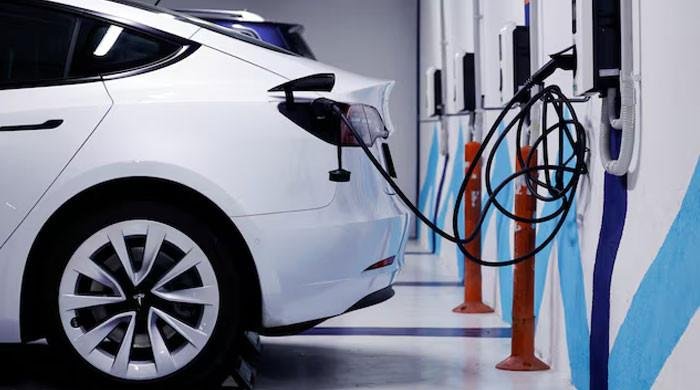
Pakistan and China have signed a new agreement aimed at accelerating the country’s electric vehicle (EV) industry by promoting local manufacturing, technology transfer, and the expansion of EV charging infrastructure. The initiative is expected to strengthen Pakistan’s transition toward clean transportation while supporting industrial growth and reducing reliance on imported fossil fuels. The Memorandum of Understanding (MoU) was signed between StarCharge, StarCharge Energy Pakistan, and Bahum Global Ltd. in the presence of Special Assistant to the Prime Minister (SAPM) on Industries and Production Haroon Akhtar Khan. Pakistan China MoU Supports EV Ecosystem The newly signed Pakistan China MoU is designed to promote collaboration in electric vehicle technologies, with a particular focus on developing local manufacturing capabilities and expanding charging infrastructure across Pakistan. The agreement complements the government’s upcoming Battery Energy Storage System (BESS) Policy, which aims to encourage investment in battery storage technologies, EV production, and related industries. Officials believe the policy will help attract foreign investment while supporting the growth of Pakistan’s clean energy and electric mobility sectors. EV Charging Infrastructure Expansion Planned A key objective of the agreement is the nationwide expansion of EV charging infrastructure, making electric vehicles more practical and accessible for consumers. The government has been working to facilitate the installation of charging stations across major cities and highways to support the expected increase in EV adoption. Improved charging facilities are expected to boost consumer confidence and accelerate the transition toward electric mobility in Pakistan. Local Manufacturing and Technology Transfer Speaking at the signing ceremony, Haroon Akhtar Khan said the partnership reflects the government’s commitment to developing Pakistan’s domestic EV industry. He noted that cooperation with Chinese companies would help promote local battery manufacturing, facilitate technology transfer, and strengthen Pakistan’s industrial capabilities in emerging green technologies. The collaboration is also expected to create employment opportunities for skilled workers and young professionals while encouraging innovation in the automotive sector. Reducing Dependence on Imported Fuel The government believes wider adoption of electric vehicles will significantly reduce Pakistan’s dependence on imported petroleum products. Lower fuel imports could help reduce the country’s import bill, strengthen energy security, and contribute to environmental sustainability by lowering carbon emissions. Officials view electric mobility as an important component of Pakistan’s long-term strategy for achieving cleaner transportation and sustainable economic growth. Pakistan-China Green Technology Cooperation Expands The latest agreement represents another milestone in growing Pakistan-China cooperation beyond traditional infrastructure projects. Both countries are increasingly focusing on green technologies, advanced manufacturing, renewable energy, and industrial localisation under their broader economic partnership. The MoU is expected to support Pakistan’s efforts to build a competitive EV ecosystem while encouraging investment, innovation, and sustainable industrial development.

Mobile Data Packages Price Increase in Pakistan: PTA Approves Tariff Hike of Up to 33%
Pakistan

Mobile Data Packages Price Increase in Pakistan: PTA Approves Tariff Hike of Up to 33%

Pakistan’s mobile users are set to face higher communication costs after the Mobile Data Packages Price Increase in Pakistan came into effect following the Pakistan Telecommunication Authority’s (PTA) approval of revised tariffs. The updated pricing structure raises the cost of several hybrid and data-only packages by as much as 33 percent, increasing the financial burden on millions of subscribers who rely on mobile internet for work, education, business, and everyday communication. The revised tariffs apply to multiple prepaid packages, including monthly, fortnightly, weekly, three-day, two-day, and daily bundles offered by telecom operators across the country. Mobile Data Packages Price Increase in Pakistan Affects Multiple Plans According to the latest tariff update issued by the PTA, 15 hybrid and data-only mobile packages have undergone price revisions. The largest increases have been observed in monthly internet and call bundles, with some plans becoming up to Rs500 more expensive. Fortnightly hybrid packages have seen hikes of up to Rs300, while weekly bundles now cost as much as Rs130 more than before. Short-duration packages have also become costlier. Three-day offers have increased by up to Rs21, two-day bundles by Rs20, and one-day hybrid packages by around Rs5. These changes are expected to have a noticeable impact on users who regularly purchase short-term internet packages throughout the month. PTA Publishes Revised Tariffs for Greater Transparency The Pakistan Telecommunication Authority stated that the updated tariff schedule has been released to improve transparency in the telecommunications sector. Along with the revised prices, the regulator has published detailed information on package validity periods, included services, and quarterly tariffs. The move is intended to help consumers compare available plans across different telecom operators and make informed decisions based on their communication needs and budgets. PTA said enhancing consumer awareness and maintaining transparency remain key objectives of the updated tariff publication process. Higher Connectivity Costs May Impact Consumers The Mobile Data Packages Price Increase in Pakistan comes at a time when mobile internet has become an essential utility for millions of Pakistanis. Students attend online classes, freelancers work with international clients, businesses conduct digital operations, and consumers increasingly depend on mobile banking, e-commerce, and social media. As package prices rise, many users may be forced to reduce data usage, shift to lower-cost bundles, or compare competing offers more carefully before subscribing. For freelancers, small businesses, and digital entrepreneurs, higher internet costs could also contribute to increased operating expenses. Telecom Sector Continues to Expand Despite the tariff increases, Pakistan’s telecommunications industry continues to invest in network expansion and improved digital infrastructure to meet growing demand for high-speed connectivity. Industry observers believe operators are balancing rising operational costs with ongoing investments in network quality and service improvements. However, consumers are expected to remain increasingly price-sensitive as mobile connectivity becomes an even more essential part of daily life. What Subscribers Should Know With the revised tariffs now in effect, mobile users are advised to review the latest package details before renewing their subscriptions. Comparing data allowances, call minutes, SMS quotas, validity periods, and prices across different operators can help identify the most cost-effective option. The latest Mobile Data Packages Price Increase in Pakistan reflects another significant change in the country’s telecom landscape. While the PTA says the publication of updated tariffs promotes transparency and informed consumer choice, the higher prices are likely to increase monthly communication expenses for millions of users across Pakistan.

5G Users In Pakistan Cross 1 Million as Digital Adoption Accelerates Nationwide
Business

5G Users In Pakistan Cross 1 Million as Digital Adoption Accelerates Nationwide

Pakistan’s digital transformation continues to gain momentum as 5G Users in Pakistan have surpassed the one-million mark, reflecting growing demand for faster mobile internet and next-generation digital services. According to the latest data released by the Pakistan Telecommunication Authority (PTA), more than 1.07 million users are now connected through 5G-compatible services, highlighting one of the fastest technology adoption trends in the country’s telecom sector. The milestone underscores the increasing shift toward high-speed connectivity as consumers upgrade their smartphones and mobile services to access improved internet speeds, lower latency, and enhanced digital experiences. 5G Users In Pakistan Record Rapid Growth PTA statistics show that the number of 5G Users in Pakistan reached 1,078,534 by July 6, 2026, reflecting remarkable growth over just a few months. The country had only 71,000 5G users in March 2026, but the subscriber base expanded rapidly to 298,000 in April and 516,000 in May. By the end of June, the figure had climbed to 965,000 before crossing the one-million milestone in early July. Overall, nearly 879,000 new users adopted 5G services within four months, making it one of the fastest-growing mobile technologies in Pakistan. Affordable Devices and Digital Demand Drive Adoption Several factors have contributed to the rapid rise in 5G Users in Pakistan. The increasing availability of affordable 5G-enabled smartphones has made next-generation connectivity accessible to a broader segment of consumers. At the same time, demand for faster internet to support video streaming, online gaming, digital payments, remote work, cloud computing, and other data-intensive applications has encouraged more users to upgrade. Telecom operators have also expanded network coverage and introduced competitive data packages, making 5G services more attractive to customers. Telecom Industry Expected to Benefit The continued growth in 5G adoption is expected to encourage further investment in Pakistan’s telecommunications infrastructure. A larger base of 5G subscribers could accelerate network modernization while creating new opportunities for businesses operating in sectors such as e-commerce, fintech, healthcare, education technology, logistics, and digital entertainment. Industry analysts believe the rapid expansion of 5G services will strengthen Pakistan’s digital economy and support long-term innovation across multiple industries. Challenges Remain for Nationwide Expansion Despite the strong growth, experts say several challenges must still be addressed to ensure wider adoption across the country. Expanding 5G coverage to rural and underserved areas, improving fiber-optic infrastructure, maintaining network quality, and ensuring affordable access to compatible devices remain important priorities. Continued cooperation between the PTA, telecom operators, and technology providers will be essential to sustain growth and improve digital connectivity nationwide. Outlook for Pakistan’s Digital Future The latest PTA figures suggest that Pakistan’s 5G market is entering a period of rapid expansion. If current growth trends continue, the country could add several million new 5G users over the next year. For consumers, this means faster and more reliable mobile internet. For businesses and investors, it signals a growing digital marketplace with increasing opportunities for innovation, investment, and economic development.

Pakistan Petroleum Dealers Strike Called Off After Government Assurance as 15-Day Deadline Begins
Breaking News

Pakistan Petroleum Dealers Strike Called Off After Government Assurance as 15-Day Deadline Begins

Pakistan has avoided a nationwide fuel supply disruption after the Pakistan Petroleum Dealers Strike was called off following successful negotiations between the federal government and the Pakistan Petroleum Dealers Association (PPDA). The decision has brought immediate relief to consumers, transport operators, businesses, and industries that were preparing for a 24-hour closure of petrol pumps across the country. While the strike has been withdrawn for now, petroleum dealers have warned that the dispute remains unresolved. They have given the government 15 days to fulfill its commitments, cautioning that failure to address their demands could trigger another nationwide protest. Pakistan Petroleum Dealers Strike Called Off After Emergency Negotiations The Pakistan Petroleum Dealers Association had earlier announced that fuel stations nationwide would remain closed from 6:00 a.m. Thursday to 6:00 a.m. Friday, raising concerns over fuel shortages, panic buying, and disruptions to transportation and commercial activities. However, emergency talks held in Islamabad resulted in a breakthrough, prompting the association to withdraw the strike. PPDA Vice Chairman Tariq Hassan said the decision was made after the government assured petroleum dealers that their concerns would be addressed within the next 15 days. According to the association, officials pledged to work on resolving several long-standing issues affecting fuel retailers. Petroleum Dealers Oppose Daily Fuel Price Mechanism Although the immediate crisis has been averted, petroleum dealers continue to oppose the government’s proposed daily fuel price adjustment mechanism. During a press conference in Karachi before the negotiations, PPDA leaders, including Chief Adviser Malik Khudabakhsh, Vice Chairman Tariq Hassan, Sindh President Haji Amir Khan, Saeed Khan, and Anwar Kamal, argued that daily price revisions would create uncertainty for fuel retailers and complicate business operations. The association has instead called for retaining the existing monthly fuel price review system, saying it provides greater stability for both dealers and consumers. Dealers Demand Higher Margins and Policy Reforms A key issue raised during the talks was the dealer margin, which petroleum dealers say has remained unchanged despite rising inflation and increasing operational costs. The PPDA is demanding that dealer commissions be increased to 8 percent, arguing that the current margin is no longer sufficient to sustain fuel retail businesses after nearly two years without revision. The association also called for reforms in fuel allocation policies implemented by oil marketing companies and stressed the importance of ensuring uninterrupted petroleum supplies across the country. Digital Payment Charges Among Key Concerns Another major demand relates to digital payment costs. Petroleum dealers have requested permission to recover bank and point-of-sale (POS) transaction charges from customers who pay using debit or credit cards. They argue that absorbing these banking charges has become an additional financial burden for fuel retailers. The association believes revising this policy would help improve the financial viability of petrol pumps while supporting the continued expansion of digital payment systems. Government Given 15 Days to Deliver Although the strike has been suspended, the PPDA has made it clear that the government’s assurances must now be backed by practical action. The association has warned that if meaningful progress is not achieved within the agreed 15-day period, it will review its options, including the possibility of announcing another nationwide strike. Why the Issue Matters Pakistan’s petroleum retail sector is a vital part of the country’s economy, with fuel availability directly affecting transportation, logistics, manufacturing, agriculture, and daily commuting. While the immediate threat of a nationwide shutdown has been avoided, the negotiations have highlighted broader concerns over fuel pricing policies, dealer profitability, and supply chain management. The coming weeks will determine whether the government can implement the promised reforms and prevent further disruptions to Pakistan’s fuel distribution network.

Abson, Suraj Ghee, English Leasing And Two Others Stay Suspended For Another 60 Days
Business

Abson, Suraj Ghee, English Leasing And Two Others Stay Suspended For Another 60 Days

PSX Extends Trading Suspension of Five Companies by Another 60 Days The Pakistan Stock Exchange (PSX) has extended the trading suspension of shares in five listed companies for an additional 60 days, effective July 23, 2026, after the firms failed to resolve regulatory and compliance issues that led to their earlier suspension. The decision affects Abson Industries Ltd, English Leasing Ltd, Sadoon Textile Industries Ltd, Hakkim Textile Mills Ltd, and Suraj Ghee Industries Ltd, all of which remain non-compliant with key listing requirements. PSX Extends Suspension Over Continued Non-Compliance According to the latest PSX notice, the five companies have not addressed the deficiencies highlighted in May 2026, prompting the exchange to continue the suspension of trading in their shares. The action has been taken under Section 19(7) of the Securities Act, 2015, along with Clause 5.11 of the PSX Regulations. Trading will remain suspended until the companies fully comply with the applicable regulatory requirements or until the new 60-day extension expires. Companies Failed to Meet Regulatory Obligations The suspended companies continue to face multiple compliance failures, including: In the case of Abson Industries Ltd, the company also remains non-compliant due to the non-induction of its shares into the Central Depository System (CDS), while an official liquidator has already been appointed by the court. Five Companies Remain Under Suspension The companies affected by the extended suspension are: Several of these companies are also facing formal winding-up petitions filed by the SECP or other creditors, further complicating their regulatory status. Follow-Up to Earlier PSX Action The latest decision follows PSX Notice No. PSX/N-644, issued on May 22, 2026, under which the same companies were initially suspended for similar compliance failures. Since then, none of the firms has fulfilled the required obligations, leading the exchange to extend the trading restriction for another two months. The latest notification has also been shared with the Securities and Exchange Commission of Pakistan (SECP), Central Depository Company (CDC), National Clearing Company of Pakistan Limited (NCCPL), and the companies concerned. What It Means for Investors The continued suspension means shareholders of the affected companies remain unable to buy or sell their shares through the Pakistan Stock Exchange. The action also reflects the PSX’s continued emphasis on enforcing corporate governance standards, financial reporting requirements, and investor protection. Further Regulatory Action Possible If the companies fail to rectify the outstanding compliance issues during the extended suspension period, they could face additional regulatory measures, including the possibility of delisting from the Pakistan Stock Exchange. Investors and market participants will closely monitor whether the companies take corrective action before the new 60-day deadline expires.

India Sells Net $6.1 Billion to Support Rupee Amid Oil Price Surge
World

India Sells Net $6.1 Billion to Support Rupee Amid Oil Price Surge

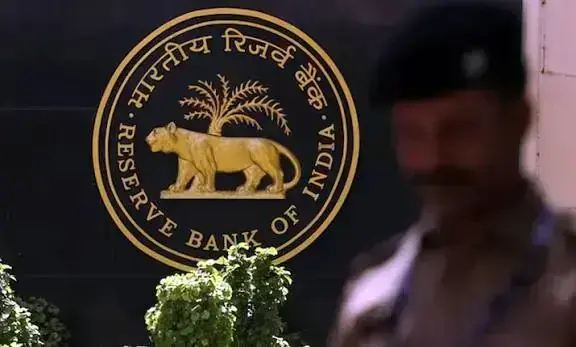
India’s central bank sold a net $6.1 billion in foreign exchange during May as it stepped up efforts to stabilize the rupee, which came under intense pressure from soaring global oil prices and heightened geopolitical tensions in the Middle East. The intervention by the Reserve Bank of India (RBI) reflects the growing impact of rising crude oil prices on one of the world’s largest energy importers, where higher import costs have weighed heavily on the domestic currency. RBI Steps Up Dollar Sales to Stabilize the Rupee According to the RBI’s latest monthly bulletin, the central bank purchased $22.2 billion while selling $28.3 billion in the foreign exchange market during May, resulting in a net sale of $6.1 billion. The intervention came as the Indian rupee weakened to a record low of 96.96 against the US dollar, driven largely by rising international oil prices linked to escalating tensions involving Iran. The RBI’s currency operations were aimed at limiting excessive volatility and maintaining orderly market conditions. Oil Price Shock Weighed Heavily on the Currency India relies heavily on imported crude oil, making the economy particularly sensitive to global energy price fluctuations. The spike in oil prices increased the country’s import bill, placing additional pressure on the rupee as demand for US dollars rose to finance energy imports. The geopolitical uncertainty surrounding the Middle East further contributed to investor caution and currency market volatility. RBI Introduces Measures to Boost Dollar Inflows In addition to intervening directly in the foreign exchange market, the RBI introduced several policy measures designed to attract additional foreign currency into the country. These included tax incentives for foreign debt investments and initiatives encouraging overseas foreign currency deposits. The measures helped improve market sentiment and supported the rupee during the latter part of the month. Meanwhile, the RBI’s outstanding net forward dollar sales increased to a record $106.6 billion at the end of May, compared with $95.3 billion in April. The central bank’s gold holdings remained unchanged at 880.52 metric tonnes. Foreign Investment Sentiment Shows Improvement Foreign investors continued to reduce their exposure to Indian equities through June, but market sentiment improved following the RBI’s intervention and liquidity measures. Bond markets recorded stronger foreign inflows during June, while both bond and equity investments remained positive during July, indicating a gradual recovery in investor confidence. The RBI also noted that India’s foreign exchange reserves continue to provide import cover for approximately 10 months, helping strengthen the country’s external financial position. Economic Challenges Persist Despite signs of improving capital inflows, India’s economy continues to face challenges from elevated global oil prices. Higher energy costs have increased import expenses, while weaker monsoon conditions have created additional pressure on agricultural output. However, authorities say stable core inflation and adequate public food stocks continue to provide important support for the broader economy. RBI Expected to Remain Vigilant Following the release of the data, the Indian rupee closed 0.3 percent lower at 95.5650 per US dollar. Market analysts expect the Reserve Bank of India to continue closely monitoring currency markets and remain prepared to intervene if global geopolitical developments or further oil price volatility place renewed pressure on the rupee.

Scroll to Top