Author name: Web Desk

Pakistan Seeks $10 Billion US Exchange Stabilisation Facility After Iran Mediation Role
Business

Pakistan Seeks $10 Billion US Exchange Stabilisation Facility After Iran Mediation Role

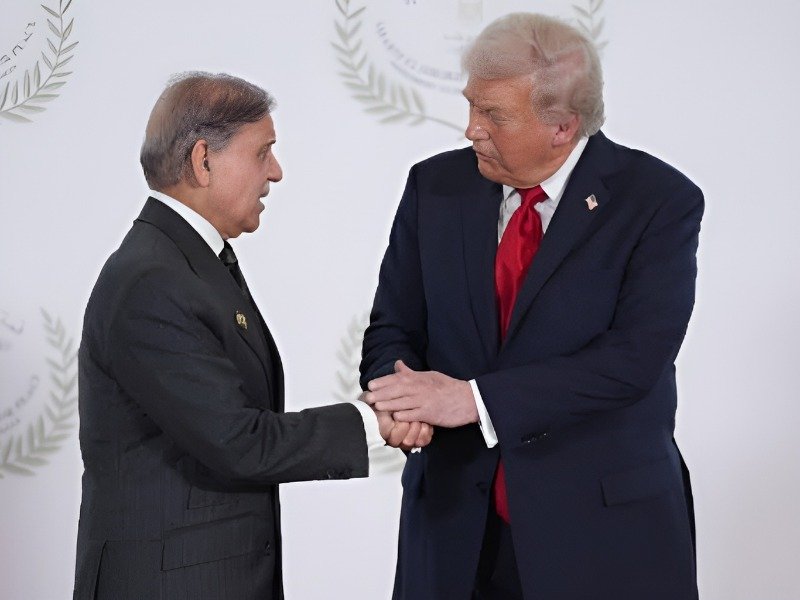
Pakistan has formally requested a $10 billion bilateral exchange stabilisation facility from the United States in a move aimed at strengthening the country’s foreign exchange reserves, supporting the Pakistani rupee, and improving access to international capital markets. The request was reportedly made by Finance Minister Muhammad Aurangzeb in a letter addressed to US Treasury Secretary Scott Bessent, seeking a facility with a maturity period of up to five years. If approved, the arrangement could provide Pakistan with dollar liquidity, currency swaps, or financial guarantees to help cushion the economy against external shocks. Pakistan Seeks US Support to Strengthen Foreign Exchange Reserves According to reports, the proposed exchange stabilisation facility would serve as a financial backstop by increasing Pakistan’s foreign exchange reserves and reducing pressure on the local currency during periods of global economic uncertainty. The initiative is intended to enhance Pakistan’s financial resilience while improving investor confidence and reducing dependence on emergency external financing. Diplomatic Engagement with Iran Linked to the Request The request comes after Pakistan played a diplomatic role in facilitating dialogue related to the Iran conflict, an effort that reportedly strengthened Islamabad’s international standing. During his recent meeting with US Treasury Secretary Scott Bessent, Finance Minister Muhammad Aurangzeb highlighted Pakistan’s economic vulnerability to regional geopolitical developments and sought greater US support for improving access to global capital markets, strengthening foreign exchange reserves, and enhancing the country’s sovereign credit profile. Exchange Stabilisation Facilities Are Rare Exchange stabilisation facilities provided through the US Treasury’s Exchange Stabilisation Fund (ESF) are relatively uncommon. Recent examples include support extended to Argentina in 2025, while Uruguay received similar assistance in 2002. Mexico also maintains a long-standing currency swap arrangement with the United States. Unlike permanent Federal Reserve swap lines available to major central banks, these facilities are temporary mechanisms designed to strengthen reserve buffers and promote currency stability during periods of financial stress. Pakistan Continues IMF Reform Programme Pakistan remains under the $7 billion Extended Fund Facility (EFF) agreed with the International Monetary Fund (IMF), which requires continued fiscal reforms, tax measures, and expenditure controls. Government officials believe that securing a US-backed stabilisation facility would help diversify external financing sources and reduce reliance on periodic IMF disbursements as well as bilateral financial assistance from countries including China and Saudi Arabia. Pakistan’s foreign exchange reserves have remained dependent on external inflows and debt rollovers in recent years. Earlier this year, the country repaid approximately $3.5 billion to the United Arab Emirates, while Saudi Arabia provided $3 billion in fresh financial support. Potential Economic Impact The State Bank of Pakistan (SBP) has projected that the country’s foreign exchange reserves could approach $20 billion by the end of 2026 if current trends continue. If the proposed $10 billion facility is approved, it would significantly strengthen Pakistan’s reserve position, improve its ability to manage external payment obligations, and provide greater protection against global risks such as oil price volatility, supply chain disruptions, and geopolitical instability. The additional liquidity could also improve investor confidence, support Pakistan’s sovereign credit outlook, and help lower borrowing costs over the medium term. US Yet to Respond The US Treasury has not commented publicly on Pakistan’s request, while Pakistan’s Ministry of Finance has also not issued an official response beyond reaffirming its commitment to strengthening bilateral economic cooperation with the United States. If approved, the proposed exchange stabilisation facility would represent one of the largest bilateral financial support arrangements sought by Pakistan in recent years and could become an important component of the country’s broader strategy to strengthen economic stability and reduce vulnerability to external financial shocks.


Global Aviation’s Centre Of Gravity Tilts Toward Asia And Middle East
Business

Global Aviation’s Centre Of Gravity Tilts Toward Asia And Middle East

The global aviation industry is undergoing a significant transformation as Asia and the Middle East strengthen their position as the new engines of airline profitability. While airlines worldwide continue to face rising operating costs, geopolitical uncertainty, fluctuating fuel prices, and intense competition, leading carriers in these regions are proving that long-term success depends on more than expanding fleets or increasing passenger numbers. Customer Experience Becomes The Key To Sustainable Airline Growth According to the International Air Transport Association (IATA), the global airline industry is expected to generate around $36 billion in net profit in 2025, with total industry revenues approaching $979 billion. Despite record revenue levels, average industry profit margins remain relatively low at 3.7 percent, underscoring the competitive nature of commercial aviation. Industry leaders increasingly believe that sustainable profitability comes from delivering exceptional passenger experiences rather than relying solely on capacity growth. Airlines that focus on reliability, personalized service, seamless travel, and customer satisfaction are better positioned to retain passengers and generate premium revenues. Middle Eastern Airlines Continue To Set Profitability Benchmarks Airlines based in the Middle East have continued to outperform many global competitors by combining operational efficiency with premium customer service. Emirates remains among the world’s most profitable airlines after reporting annual earnings exceeding $5.6 billion, while Qatar Airways and Etihad Airways have also recorded strong financial performances in recent years. Their success reflects continued investment in modern aircraft, extensive global networks, and high-quality passenger services that have helped establish the Gulf as one of the world’s most competitive aviation markets. Asia Emerges As A Global Aviation Powerhouse Asian airlines are also strengthening their influence in the global aviation sector. Carriers including Singapore Airlines, ANA Holdings, Japan Airlines, and Cathay Pacific have demonstrated that operational excellence, innovation, and superior customer service can translate into strong financial results and long-term brand loyalty. Together with leading Gulf airlines, these carriers are reshaping global aviation by placing passenger experience at the centre of their business strategies. Operational Excellence Alone Is No Longer Enough Aviation analysts note that while efficient operations, fleet modernization, and route expansion remain critical, airlines increasingly recognize that each passenger travels for a unique purpose. Delivering personalized experiences, maintaining punctual operations, ensuring transparent communication, and providing consistent service quality have become major competitive advantages in an industry where customer expectations continue to rise. Airlines that successfully combine these factors are better equipped to strengthen customer loyalty, attract higher-yield passengers, and remain profitable during periods of economic uncertainty. Middle East Positioned For Continued Aviation Leadership The Middle East continues to benefit from its strategic geographic location, world-class hub airports, advanced aircraft fleets, and sustained investment in aviation infrastructure. IATA expects airlines in the region to continue reporting some of the strongest profit margins globally, reinforcing the Gulf’s growing role as a key centre for international air travel. Future Growth Will Depend On Putting Passengers First As global aviation continues to evolve, financial performance is no longer measured solely by revenue growth or fleet size. Airlines that place passengers at the heart of their business models are increasingly setting the standard for long-term success. With Asia and the Middle East leading the way in service quality, innovation, and operational performance, the balance of power in the aviation industry continues to shift eastward, highlighting the growing importance of customer-focused strategies in shaping the future of global air travel.

JazzCash Named Among The World's Top Fintech Companies 2026 By CNBC And Statista
Business

JazzCash Named Among The World’s Top Fintech Companies 2026 By CNBC And Statista

JazzCash Becomes First Pakistani Fintech Recognised In Global Rankings Islamabad, July 22, 2026: JazzCash has been named among the World’s Top Fintech Companies 2026 by CNBC and Statista, becoming the first and only Pakistani fintech to receive recognition in the Payments category. The global ranking, compiled by CNBC in collaboration with Statista, highlights leading fintech companies worldwide based on performance, growth, innovation, and sector-specific evaluation criteria. The recognition marks a significant milestone for Pakistan’s digital financial services industry, reflecting JazzCash’s growing role in expanding financial inclusion and digital payments across the country. JazzCash Serves More Than 60 Million Customers JazzCash currently serves more than 60 million customers across Pakistan and processed Gross Transaction Value (GTV) of PKR 16.8 trillion, equivalent to approximately USD 59.7 billion, during the 12 months ending March 2026. The platform’s network includes more than 1.7 million Raast-enabled QR merchants, helping extend digital payment services to underserved communities and individuals with limited access to traditional banking facilities. Digital Lending And Financial Services Continue To Expand In addition to digital payments, JazzCash issues an average of more than 200,000 digital loans every day, providing individuals and small businesses with easier access to formal financing. Its portfolio also includes a wide range of financial services such as lending, insurance, domestic and international remittances, savings products, investment solutions, welfare disbursements, government-to-person payments, and government-backed investment products. CEO Highlights Financial Inclusion Mission Commenting on the achievement, JazzCash CEO Murtaza Ali said the recognition by CNBC and Statista reflects the company’s contribution to advancing financial inclusion and empowering millions of Pakistanis through digital financial services. He said JazzCash remains committed to investing in innovative products, strategic partnerships, and digital infrastructure that expand financial access, strengthen economic resilience, and support Pakistan’s transition toward a cashless economy. Recognition Reflects Pakistan’s Growing Fintech Sector The inclusion of JazzCash in CNBC and Statista’s World’s Top Fintech Companies 2026 list highlights the growing international recognition of Pakistan’s fintech ecosystem. As digital financial services continue to gain momentum, the achievement underscores the increasing role of fintech innovation in improving financial accessibility, supporting small businesses, and accelerating the country’s digital transformation. SEO Optimized Keywords: JazzCash World’s Top Fintech Companies 2026, JazzCash CNBC Statista, JazzCash Pakistan, Pakistan fintech, digital payments Pakistan, JazzCash financial inclusion, JazzCash digital loans, Raast QR merchants, fintech companies 2026, Pakistan digital economy, Mobilink Microfinance Bank, JazzCash services

UBL Profit Rises 33% In First Half As Deposits Reach Record Rs6.1 Trillion
Breaking News

UBL Profit Rises 33% In First Half As Deposits Reach Record Rs6.1 Trillion

UBL Reports Strong Earnings Growth In First Half Of 2026 United Bank Limited (UBL) posted a strong financial performance during the first half of 2026, reporting a 33 percent year-on-year increase in consolidated profit after tax as customer deposits climbed to an all-time high of Rs6.1 trillion. The results highlight the bank’s continued balance sheet expansion despite a challenging interest rate environment. UBL reported a consolidated profit after tax of Rs85.9 billion for the six-month period ended June 30, 2026, translating into earnings per share (EPS) of Rs34.30. During the second quarter alone, the bank earned Rs37.5 billion, with EPS of Rs14.97, representing a 31 percent increase compared with the same period last year, although quarterly earnings declined from the previous quarter. Deposits Climb To Historic High One of the biggest highlights of the financial results was the sharp increase in customer deposits. UBL’s deposits surged to a record Rs6.1 trillion, reflecting a 43 percent increase compared with the same period last year and a 13 percent rise over the previous quarter. The strong deposit growth reinforces the bank’s funding base and strengthens its liquidity position in an increasingly competitive banking sector. Net Interest Income Remains Resilient Despite lower interest rates and gains realized from its investment portfolio, UBL maintained stable earnings from its core banking operations. Net interest income (NII) for the second quarter stood at Rs90.3 billion, marginally lower than the previous year and quarter. However, for the first six months of 2026, NII increased 8 percent year-on-year to Rs189.7 billion, demonstrating resilience in the bank’s core income generation. Higher Operating Expenses Reflect Expansion Strategy Operating expenses increased during the reporting period as the bank continued investing in business growth. UBL’s operating costs rose 35 percent year-on-year and 19 percent quarter-on-quarter to Rs48.4 billion. The increase was primarily attributed to branch network expansion and higher marketing expenditures aimed at attracting new deposits and strengthening customer acquisition. The bank’s cost-to-income ratio stood at 40 percent during the second quarter, compared with 33 percent in the same quarter last year. For the first half of 2026, the ratio was reported at 34 percent. Tax Rate Remains Stable UBL’s effective tax rate remained unchanged at 52 percent during the second quarter of 2026. Despite higher taxation, the bank delivered strong profitability, supported by balance sheet growth, improved deposits, and steady income generation across its operations. Strong Deposit Growth Supports Future Expansion The latest financial results underline UBL’s continued growth momentum, with record deposits providing a stronger foundation for future lending and business expansion. While higher operating costs affected efficiency during the quarter, the bank’s robust earnings growth and expanding deposit base position it well to navigate changing market conditions and pursue further growth opportunities in Pakistan’s banking sector.

FPCCI Officials Allegedly Involved In Visa Selling And Human Trafficking, Apex Body Denies
Pakistan

FPCCI Officials Allegedly Involved In Visa Selling And Human Trafficking, Apex Body Denies

FPCCI Rejects Allegations As Baseless Karachi: The Secretary General of the Federation of Pakistan Chambers of Commerce and Industry (FPCCI) has categorically and unequivocally rejected and strongly rebutted a recent news report published in Urdu Daily Jang on July 21, 2026, alleging the involvement of FPCCI officials in visa selling and human trafficking under the guise of a women’s trade delegation by a women’s chamber. The apex trade body termed the allegations fabricated, malicious, and a deliberate attempt to tarnish the reputation of the institution. It also strongly condemned the publication of what it described as an unfounded news report. The Secretary General stated that the report is completely false, unfactual, and entirely baseless, adding that the Federation of Pakistan Chambers of Commerce and Industry operates with the highest level of integrity, transparency, and strict adherence to the law. FPCCI further stated that it has absolutely nothing to do with the alleged visa scandal, human trafficking, or any such illicit activities, while condemning what it described as a malicious smear campaign against Pakistan’s premier trade body. FPCCI Says Strict Verification Process Is Followed The Secretary General stressed that FPCCI maintains rigorous, merit-based protocols for processing, vetting, and verifying all outgoing international trade delegations. He urged the media to verify facts before publishing defamatory content and stated that FPCCI reserves the right to take legal action under the Prevention of Electronic Crimes Act (PECA) against the dissemination of what it described as false and defamatory news aimed at damaging the institution’s credibility. FPCCI Clarifies Visa Recommendation Policy The Secretary General clarified that FPCCI neither requested visas for the alleged women’s delegation nor were any visas issued at the request of the organization. He explained that, as a matter of policy, all visa recommendation letters are issued exclusively from the FPCCI Head Office in Karachi and carry an embossed seal and QR code, a verification process that has been in place since 2023 for all embassies and consulate generals operating in Pakistan. According to FPCCI, since no such recommendation was issued in the alleged case, claims regarding the issuance of approximately two dozen visas to a friendly country in exchange for large sums of money, followed by visa rejections and an inquiry, are entirely baseless. FPCCI Distances Itself From Affiliate Trade Organizations The Secretary General further clarified that there are more than 300 trade organizations across Pakistan, including 31 Women’s Chambers of Commerce, all licensed by the Directorate General of Trade Organizations as independent entities. He emphasized that these trade organizations operate autonomously and that FPCCI is not responsible for the actions of its affiliate trade organizations. The Secretary General also stated that FPCCI has not received any communication from any level of the government regarding an inquiry into the alleged matter. He further denied reports claiming that FPCCI had assured the government of conducting an internal investigation. Additionally, he said that the correspondent of the newspaper had never contacted any FPCCI official to seek clarification before publishing the report. FPCCI Demands Correction And Reserves Legal Rights The Secretary General demanded an immediate and unconditional correction of what FPCCI described as a mala fide news report and called for the publication of the organization’s official rebuttal with due prominence. He reiterated that FPCCI completely dissociates itself from the allegations and maintains that it has no connection whatsoever with the reported visa-selling and human trafficking claims.

Pakistan Foreign Exchange Reserves Rise Despite Sharp Drop In Gold Reserves
Pakistan

Pakistan Foreign Exchange Reserves Rise Despite Sharp Drop In Gold Reserves

Pakistan Foreign Exchange Reserves Continue Upward Momentum Pakistan Foreign Exchange Reserves posted another strong monthly increase in June 2026, signaling improving external financial stability even as the country’s gold reserves recorded a significant decline. The latest figures released by the State Bank of Pakistan (SBP) highlight a mixed picture, where stronger foreign currency holdings have helped offset losses in gold valuation, providing investors and businesses with encouraging signs about Pakistan’s external sector. While falling gold reserves may initially appear alarming, a closer examination of the central bank’s reserve composition suggests that Pakistan’s liquidity position continues to strengthen, reflecting improved reserve management and growing confidence in the country’s foreign exchange outlook. Pakistan’s total liquid foreign exchange reserves reached $23.23 billion at the end of June 2026, compared with $22.11 billion a month earlier. This represents a monthly increase of $1.12 billion, or 5.1 percent, while reserves have expanded by more than 20 percent compared to June 2025. The improvement was largely driven by stronger holdings at the State Bank of Pakistan, reinforcing the country’s ability to manage external payment obligations, stabilize the currency market, and support imports during periods of global uncertainty. The latest reserve growth also reflects continued improvement in Pakistan’s external account following a challenging period marked by foreign exchange shortages and economic instability. Gold Reserves Fall But Remain Higher Than Last Year One of the most notable developments in the latest SBP report was the decline in Pakistan’s gold reserves. Gold holdings, including gold deposits and swapped gold, stood at $8.39 billion in June 2026, down from $9.47 billion in May. The decline of 11.4 percent is substantial on a monthly basis and is largely linked to fluctuations in international gold prices and valuation changes. However, despite the monthly drop, Pakistan’s gold reserves remain 22.6 percent higher than the $6.84 billion recorded during the same month last year, indicating that the country’s overall gold asset position has strengthened considerably over the past twelve months. Pakistan Foreign Exchange Reserves Benefit From Strong SBP Holdings The State Bank’s own reserve position continued to improve across several major components. Total SBP reserves, including the impact of forward and swap obligations, increased to $18.5 billion, representing a monthly gain of 7.1 percent and an annual increase exceeding 26 percent. Net reserves, which exclude forward and swap commitments, also climbed to $18.38 billion, highlighting stronger underlying reserve quality. The largest contributor remained the SBP’s nostro balances, which increased to $18.08 billion, reflecting healthy growth over both monthly and annual periods. Special Drawing Rights (SDR) holdings experienced only a slight monthly decline but remained dramatically higher than a year earlier, suggesting continued support from international reserve assets. Meanwhile, Pakistan’s reserve position with the International Monetary Fund remained broadly unchanged. Banking Sector Reserves Present A Mixed Picture Commercial banks reported a modest decline in their net reserves during June, slipping to $4.86 billion. Total banking reserves fell more noticeably to $2.5 billion, reflecting changing liquidity conditions within the banking system. Trade finance balances improved during the month, indicating steady financing activity for international trade. However, trade nostro balances moved into negative territory, highlighting ongoing pressures within trade-related foreign currency settlements. Although these developments deserve close monitoring, they did not materially weaken Pakistan’s overall foreign exchange position because of the strong gains recorded by the central bank. Why Pakistan Foreign Exchange Reserves Matter For The Economy The continued increase in Pakistan Foreign Exchange Reserves carries significant economic implications. Higher reserves improve the country’s capacity to finance imports, meet external debt obligations, reduce pressure on the Pakistani rupee, and strengthen investor confidence. They also enhance the central bank’s ability to respond to external financial shocks without resorting to emergency policy measures. At the same time, the sharp monthly decline in gold reserves serves as a reminder that reserve valuations remain vulnerable to movements in global commodity markets. Investors and policymakers will therefore continue monitoring both foreign currency assets and precious metal holdings to assess the sustainability of Pakistan’s external financial position. Overall, the June 2026 reserve data points to a stronger external balance sheet despite short-term fluctuations in gold valuations. If this trend continues alongside stable exports, remittance inflows, and prudent monetary management, Pakistan’s foreign exchange position could provide a stronger foundation for economic recovery in the months ahead.

Pakistan, Iran Reaffirm Security Cooperation As Asim Munir Meets Iranian Interior Minister
Editor pick

Pakistan, Iran Reaffirm Security Cooperation As Asim Munir Meets Iranian Interior Minister

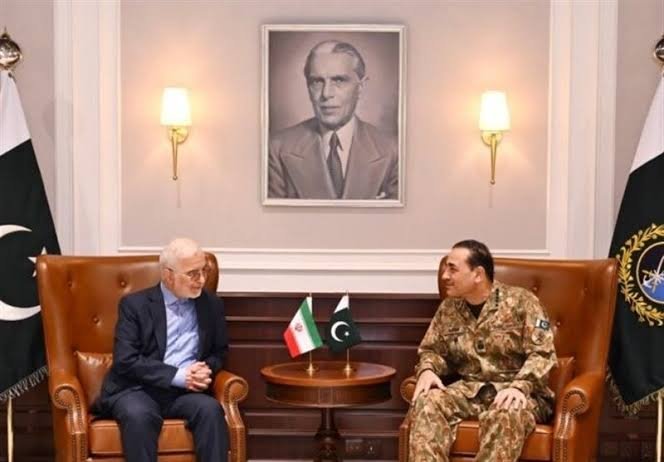
Pakistan and Iran reaffirmed their commitment to strengthening bilateral security cooperation, enhancing border management and promoting regional peace as Iranian Interior Minister Eskandar Momeni held separate meetings with Chief of Defence Forces and Chief of the Army Staff Field Marshal Syed Asim Munir and Prime Minister Shehbaz Sharif during his official visit to Islamabad. According to the Inter-Services Public Relations (ISPR), Momeni met Field Marshal Asim Munir at the General Headquarters (GHQ) in Rawalpindi, where both sides discussed matters of mutual interest, regional and bilateral security, effective border management and continued cooperation between the two neighbouring countries. Pakistan And Iran Discuss Border Security And Regional Stability The military’s media wing said the discussions focused on maintaining peace along the shared border and strengthening coordination to address common security challenges. Both sides also reviewed mechanisms for enhancing cooperation aimed at promoting long-term regional stability. During the meeting, the visiting Iranian minister appreciated Pakistan’s consistent diplomatic efforts to ease tensions in the region. He acknowledged Islamabad’s role in encouraging dialogue, promoting de-escalation and supporting peaceful solutions to regional disputes. The ISPR said the meeting concluded with a reaffirmation of both countries’ commitment to maintaining close coordination and strengthening cooperative mechanisms to safeguard regional security while promoting mutual prosperity. Prime Minister Shehbaz Sharif Reiterates Support For Diplomacy Earlier in the day, Momeni also called on Prime Minister Shehbaz Sharif at the Prime Minister’s House, where discussions focused on the evolving security situation in the Middle East and expanding Pakistan-Iran relations. The prime minister expressed deep concern over the latest escalation in the Gulf and reiterated Pakistan’s readiness to play a constructive diplomatic role in reducing tensions between the United States and Iran. According to an official statement issued by the Prime Minister’s Office, Shehbaz Sharif urged all parties to exercise maximum restraint and avoid actions that could further destabilise the region. The premier reiterated Pakistan’s commitment to serving as an honest mediator and facilitator, stressing that Islamabad would continue supporting peaceful dialogue and diplomatic engagement to promote regional peace and stability. Senior members of the federal cabinet attended the meeting, including Deputy Prime Minister Mohammad Ishaq Dar, Interior Minister Syed Mohsin Raza Naqvi, Information Minister Attaullah Tarar, Minister of State for Interior Talal Chaudhry, Adviser to the Prime Minister Dr Syed Tauqir Shah, and other senior government officials. Iranian Minister Appreciates Pakistan’s Diplomatic Efforts Prime Minister Shehbaz welcomed the Iranian delegation and recalled his recent visit to Tehran to attend the funeral ceremony of the late Supreme Leader Ayatollah Sayyid Ali Khamenei. He conveyed his best wishes to Iran’s leadership, including President Dr Masoud Pezeshkian and the country’s Supreme Leader. Momeni thanked the prime minister for the warm reception extended to his delegation and conveyed greetings from the Iranian leadership. He said his visit aimed to strengthen bilateral cooperation and follow up on agreements reached during recent high-level engagements between the two countries. The Iranian minister also appreciated the diplomatic efforts of Prime Minister Shehbaz Sharif, Deputy Prime Minister Ishaq Dar and Field Marshal Asim Munir in facilitating dialogue that resulted in the Islamabad Memorandum of Understanding (MoU) between the United States and Iran earlier this year. He also thanked the prime minister for travelling to Tehran to attend the funeral of Iran’s late Supreme Leader. Momeni arrived in Islamabad on Monday night on an official visit and was received by Interior Minister Mohsin Naqvi. He is leading a high-level delegation comprising senior Iranian government officials. Before meeting the prime minister, the visiting minister was presented with a ceremonial police parade in Islamabad. He also visited the Pakistan Monument, where a Federal Constabulary contingent presented a guard of honour in his honour. Regional Developments Remain In Focus His visit comes at a time when Pakistan continues diplomatic efforts to preserve the Islamabad Memorandum of Understanding, which was signed last month in an attempt to end hostilities between the United States and Iran. However, the security situation has deteriorated again following renewed military exchanges. According to reports, the United States continued strikes inside Iran, while Tehran responded by targeting American radar and air defence installations in the Gulf. Iranian officials have accused Washington of violating the ceasefire agreement, while diplomatic contacts through international mediators reportedly remain ongoing. The regional conflict has also expanded, with Iran reimposing restrictions in the Strait of Hormuz, prompting countermeasures by the United States. Yemen’s Houthi movement has also announced a maritime embargo targeting Saudi Arabia, adding another dimension to the regional crisis. Pakistan And Iran Aim To Expand Bilateral Trade Beyond security and diplomacy, Pakistan and Iran are seeking to significantly expand economic cooperation. Speaking to Iranian media after arriving in Islamabad, Momeni said both countries are working toward increasing annual bilateral trade from approximately $3 billion to $10 billion. He stressed that achieving this target would require substantial improvements in cross-border transport infrastructure and logistics. According to remarks carried by Iran’s Mehr News Agency, Momeni said nearly 2,000 trucks or containers would need to cross the Pakistan-Iran border each day to support the proposed trade volume. At present, only about 20 percent of that transport capacity is being utilised. He said improving border infrastructure, facilitating trade, expanding transport connectivity and implementing agreements reached during President Masoud Pezeshkian’s recent visit would remain key priorities during discussions with Pakistani officials. Pakistan and Iran also continue discussions on enhancing connectivity between ports, strengthening border trade and reviving the long-delayed Iran-Pakistan gas pipeline, which both sides see as an important project for boosting regional energy cooperation. Longstanding Bilateral Relations Continue To Grow Sharing a 900-kilometre border, Pakistan and Iran maintain longstanding historical, cultural and economic ties. While their relationship has occasionally faced challenges due to cross-border militant activity and regional security concerns, both countries continue to emphasise dialogue, cooperation and stronger economic integration as the foundation for long-term regional stability.

Karachi, July 20, 2026: Bank Alfalah, one of Pakistan’s leading commercial banks, today inaugurated its 1,200th branch at Khayaban-e-Shamsheer, Karachi, marking a major milestone in its nationwide expansion. The new Retail-cum-Premiere Branch offers both conventional and digital banking solutions, along with an exclusive Premiere Banking Lounge for premium customers. The facility features modern infrastructure, digital self-service options, and dedicated relationship managers to deliver a personalized and convenient banking experience. New Branch Expands Retail And Digital Banking Services The newly inaugurated branch has been designed to provide customers with an enhanced banking experience by combining traditional banking services with modern digital solutions. Modern Facilities For Premium And Retail Customers The Retail-cum-Premiere Branch includes: Conventional and digital banking services Exclusive Premiere Banking Lounge Digital self-service facilities Dedicated relationship managers Modern customer-focused infrastructure The branch aims to deliver greater convenience while offering personalized financial services to both retail and premium banking customers. Bank Alfalah Reaffirms Customer-Centric Growth Speaking at the inauguration ceremony, Atif Bajwa, President & CEO of Bank Alfalah, said the milestone reflects the trust placed in the bank by millions of customers. He noted that while digital banking continues to expand rapidly, strategically located branches remain essential for delivering personalized service and building stronger customer relationships. Mehreen Ahmed, Group Head – Retail Banking, said the bank is celebrating the trust of its 9 million customers and that the new branch reinforces Bank Alfalah’s commitment to financial inclusion by bringing its award-winning banking services closer to people across Pakistan. Bank Alfalah Continues Nationwide Expansion With a network of 1,200 branches, more than 17,000 employees, and an international presence in four countries, Bank Alfalah continues to strengthen its position as one of Pakistan’s leading commercial banks by focusing on innovation, accessibility, and customer-centric banking services. Focus Keyphrase: Bank Alfalah 1,200th Branch SEO Optimized Keywords: Bank Alfalah 1,200th Branch, Bank Alfalah Karachi, Khayaban-e-Shamsheer branch, Bank Alfalah Retail-cum-Premiere Branch, digital banking Pakistan, retail banking Pakistan, Premiere Banking Lounge, Atif Bajwa, Mehreen Ahmed, Bank Alfalah expansion, banking sector Pakistan, financial inclusion Pakistan Meta Description: Bank Alfalah has inaugurated its 1,200th branch at Khayaban-e-Shamsheer, Karachi, expanding its nationwide network with modern retail and digital banking services, a Premiere Banking Lounge, and enhanced customer experience.
Uncategorized

Bank Alfalah Inaugurates Its 1,200th Branch At Khayaban-e-Shamsheer, Karachi

Karachi, July 20, 2026: Bank Alfalah, one of Pakistan’s leading commercial banks, today inaugurated its 1,200th branch at Khayaban-e-Shamsheer, Karachi, marking a major milestone in its nationwide expansion. The new Retail-cum-Premiere Branch offers both conventional and digital banking solutions, along with an exclusive Premiere Banking Lounge for premium customers. The facility features modern infrastructure, digital self-service options, and dedicated relationship managers to deliver a personalized and convenient banking experience. New Branch Expands Retail And Digital Banking Services The newly inaugurated branch has been designed to provide customers with an enhanced banking experience by combining traditional banking services with modern digital solutions. Modern Facilities For Premium And Retail Customers The Retail-cum-Premiere Branch includes: The branch aims to deliver greater convenience while offering personalized financial services to both retail and premium banking customers. Bank Alfalah Reaffirms Customer-Centric Growth Speaking at the inauguration ceremony, Atif Bajwa, President & CEO of Bank Alfalah, said the milestone reflects the trust placed in the bank by millions of customers. He noted that while digital banking continues to expand rapidly, strategically located branches remain essential for delivering personalized service and building stronger customer relationships. Mehreen Ahmed, Group Head – Retail Banking, said the bank is celebrating the trust of its 9 million customers and that the new branch reinforces Bank Alfalah’s commitment to financial inclusion by bringing its award-winning banking services closer to people across Pakistan. Bank Alfalah Continues Nationwide Expansion With a network of 1,200 branches, more than 17,000 employees, and an international presence in four countries, Bank Alfalah continues to strengthen its position as one of Pakistan’s leading commercial banks by focusing on innovation, accessibility, and customer-centric banking services.

Pakistan Appoints Global Banks To Lead Eurobond And Sukuk Programs
Editor pick

Pakistan Appoints Global Banks To Lead Eurobond And Sukuk Programs

Pakistan has selected consortiums of leading international financial institutions to manage its Global Medium-Term Note (GMTN) and International Sukuk programs as part of its strategy to diversify external financing sources and strengthen long-term access to global capital markets. The Ministry of Finance announced the appointments on Tuesday following a competitive selection process. The mandates will remain in place for three years and are designed to support Pakistan’s future sovereign borrowing through conventional and Shariah-compliant debt instruments. The selected financial institutions will advise the government on international debt issuances, including Eurobonds, international sukuks, and Pakistani rupee-denominated, US dollar-settled bonds, providing Pakistan with greater flexibility to raise funds from global investors when required. Finance Minister Launches Strategic Partnership With Global Banks While on an official visit to Washington, D.C., Finance Minister Muhammad Aurangzeb held a virtual meeting with senior executives of the selected institutions to formally launch the strategic partnership and outline the government’s long-term financing strategy. Banks Selected For Eurobond And Sukuk Programs For future Eurobond issuances, the government appointed Standard Chartered Bank, Citibank, Deutsche Bank, Emirates NBD Capital, and MUFG Securities Asia Limited as its international banking partners. For International Sukuk transactions, Pakistan selected a consortium comprising Standard Chartered Bank, Dubai Islamic Bank PJSC, Citibank, Emirates NBD Capital, and Mashreq Bank PSC to structure and arrange future Shariah-compliant sovereign debt offerings. Meanwhile, Standard Chartered Bank, Citibank, and Deutsche Bank were appointed to support the issuance of Pakistani rupee-denominated, US dollar-settled bonds, an instrument aimed at attracting international investors while reducing foreign exchange risks associated with conventional external borrowing. Three-Year Mandate To Strengthen Capital Market Access According to the Ministry of Finance, the appointments are intended to establish a long-term financing platform rather than facilitate a single fundraising transaction. The framework will enable Pakistan to access international debt markets whenever financing requirements arise, subject to market conditions, regulatory approvals, and completion of the necessary documentation. Officials said the arrangement would provide continuity in Pakistan’s engagement with global investors and improve the efficiency of future sovereign debt issuances. The ministry noted that the inclusion of MUFG Securities Asia Limited and Mashreq Bank PSC broadens Pakistan’s relationships with international financial institutions and expands its outreach to a wider range of investors across Asia, the Middle East, Europe, and other global financial markets. The government believes this expanded network of financial partners will help strengthen Pakistan’s visibility among international investors and improve access to diversified sources of external financing. Government Sees Improving Investor Confidence According to the Finance Ministry, Pakistan’s improving macroeconomic environment has contributed to stronger investor confidence in recent months. Officials cited fiscal consolidation, rising foreign exchange reserves, improving debt sustainability indicators, and continued implementation of structural economic reforms as key factors supporting the country’s financial outlook. The ministry also highlighted the recent narrowing of Pakistan’s sovereign credit spreads, describing it as an indication that international investors are becoming more confident about the country’s economic stability and medium-term growth prospects. Through the new financing framework, the government aims to establish a more diversified, market-based borrowing strategy that broadens its investor base, lowers borrowing costs over time, and strengthens Pakistan’s long-term presence in international capital markets. The initiative also supports the government’s broader objective of reducing dependence on short-term financing while creating sustainable funding channels for future development and budgetary requirements. Finance Minister Discusses Refinery Investment With Honeywell In a separate engagement during his visit to Washington, Finance Minister Muhammad Aurangzeb met a delegation from Honeywell Technologies, led by Vice President and General Manager Barry Glickman, to discuss investment opportunities in Pakistan’s energy sector. The discussions focused on modernising and expanding Pakistan’s domestic refinery infrastructure through the adoption of Honeywell’s advanced refining technologies and engineering solutions. According to the Finance Ministry, both sides explored opportunities to upgrade existing refineries, improve operational efficiency, and increase domestic production of refined petroleum products. The meeting also covered potential financing options for refinery projects, including support from the U.S. Export-Import Bank (EXIM), the U.S. International Development Finance Corporation (DFC), export credit agencies, and international commercial banks. Muhammad Aurangzeb said modernising Pakistan’s refining sector would play an important role in increasing domestic refining capacity, reducing reliance on imported petroleum products, strengthening the country’s energy security, and supporting industrial development. Long-Term Financing And Energy Investment Strategy He added that investments in refinery infrastructure would contribute to long-term economic growth by improving energy efficiency, enhancing value addition within the petroleum sector, and creating new opportunities for private sector investment.

Pakistan Cotton Production Crisis Deepens as Billions in Economic Losses Expose Agriculture Policy Failures
Uncategorized

Pakistan Cotton Production Crisis Deepens as Billions in Economic Losses Expose Agriculture Policy Failures

Pakistan’s agriculture sector, long regarded as the backbone of the country’s economy, is facing one of its most serious challenges in decades. A new report by the Overseas Investors Chamber of Commerce and Industry (OICCI) reveals that Pakistan Cotton Production has collapsed by more than 50 percent from its historic peak, creating annual economic losses estimated between $2 billion and $3 billion through rising import costs and shrinking export earnings. The report, Seeds of Growth, warns that Pakistan’s agricultural crisis is no longer driven primarily by climate or technology. Instead, inconsistent government policies, regulatory delays, and slow implementation of reforms are preventing the sector from reaching its full potential while regional competitors continue to move ahead. Pakistan Cotton Production Falls Far Below National Targets Cotton Output Drops Sharply The most alarming finding of the report is the sharp decline in Pakistan Cotton Production. Cotton output has dropped from nearly 14 million bales at its peak to an estimated 6.85 million bales during the 2025-26 season, missing the government’s own production target of 10 million bales by approximately 34 percent. According to the report, the decline has been fueled by multiple challenges including climate change, repeated pest attacks, poor-quality seed varieties, and restrictions on certain pesticide ingredients introduced without a scientifically planned transition strategy. The consequences extend far beyond farming. Pakistan’s textile industry, which generates nearly 60 percent of the country’s export earnings, relies heavily on locally produced cotton. As domestic production falls, textile manufacturers are forced to import more cotton, increasing pressure on Pakistan’s foreign exchange reserves and widening the trade deficit. The report estimates that restoring Pakistan Cotton Production to between 8 and 9 million bales could significantly reduce import dependence while strengthening export competitiveness. Maize Sector Also Missing Growth Opportunities Cotton is not the only crop suffering from policy delays. The report highlights maize as another missed opportunity for Pakistan’s economy. Hybrid seed technology has already tripled maize yields over the past three decades. However, despite the recent approval of Pakistan’s National Biotechnology Policy by the federal cabinet, implementation has yet to begin. According to OICCI, the delay is preventing farmers from accessing advanced biotech maize hybrids capable of generating an estimated $1 billion in maize grain and silage exports. OICCI Secretary General M. Abdul Aleem welcomed the government’s approval of the biotechnology policy but emphasized that legislation alone cannot transform agriculture unless it is formally implemented. He stressed that investor confidence, export growth, and higher farm productivity will remain unrealized until execution matches policy commitments. Multiple Agricultural Sectors Face Challenges The report also exposes deep structural problems across several key agricultural industries. Pakistan’s potato sector continues to struggle because certified processing-grade seed accounts for less than five percent of total production. As a result, average yields remain between 20 and 23 tonnes per hectare, considerably below the 30 to 35 tonnes achieved by competing agricultural economies. In the dairy industry, despite Pakistan ranking among the world’s largest milk producers, only around 10 percent of milk is processed, while nearly 20 percent of production is lost because of inadequate cold-chain infrastructure and storage facilities. The tobacco industry faces rising production costs that have more than doubled during the past three years. At the same time, a significant undocumented tobacco market continues to operate outside the tax system, reducing government revenues and creating unfair competition for compliant businesses. The report also highlights an imbalance in fertilizer usage. Farmers continue to rely heavily on nitrogen-based urea while the use of potash, essential for maintaining healthy soil and balanced crop nutrition, remains extremely limited despite recent growth in demand. Policy Stability Key to Investment The report argues that Pakistan already possesses access to modern agricultural technologies through multinational companies operating in the country. OICCI member firms have introduced internationally recognized seed technologies, advanced crop protection solutions, and precision farming techniques that can substantially improve productivity. However, continued investment depends on predictable regulations, transparent approval processes, and consistent government policies. Without these conditions, investors remain cautious despite Pakistan’s enormous agricultural potential. OICCI Recommends Faster Agricultural Reforms The report concludes that Pakistan’s agricultural recovery depends on decisive and timely reforms rather than additional policy announcements. Among its key recommendations are faster approval procedures for seed varieties and pesticides, stronger enforcement against counterfeit seeds, a nationwide strategy to reduce post-harvest losses, and expanded financial access for smallholder farmers, who represent nearly 90 percent of Pakistan’s farming community. If these reforms are implemented effectively, Pakistan Cotton Production could recover substantially, reducing import dependence, strengthening exports, attracting foreign investment, and restoring confidence in one of the country’s most important economic sectors.

Scroll to Top