Author name: Web Desk

Pakistan Stock Exchange Weekly Review: A Calm Surface Hiding Powerful Undercurrents
Business

Pakistan Stock Exchange Weekly Review: A Calm Surface Hiding Powerful Undercurrents

The Pakistan Stock Exchange weekly review for the first week of February 2026 tells a story that goes far beyond a near-unchanged index level. While the KSE-100 Index slipped just 44.91 points to close at 184,129.58, the market was anything but quiet beneath the surface. Investor nerves, macroeconomic signals, and sector-specific moves created a week defined by caution rather than conviction. At first glance, the numbers suggest stability. But a closer look reveals why traders chose patience over aggression. Why the Pakistan Stock Exchange Weekly Review Shows Investor Caution Throughout the week, the PSX remained range-bound as concerns grew over a potential super tax on high-earning corporates. This uncertainty discouraged risk-taking, especially in heavyweight sectors. At the same time, global cues particularly developments surrounding a possible US-India trade deal kept investors on alert. Adding to the cautious mood was a sharp rise in government T-bill yields, which made fixed-income instruments more attractive relative to equities. As a result, trading activity stayed selective, with investors rotating into defensive and high-quality names rather than broad-based buying. Market Capitalization Trends in This Pakistan Stock Exchange Weekly Review In rupee terms, total market capitalization edged down slightly to Rs5.43 trillion, reflecting a marginal weekly erosion of just Rs4.42 billion. This minimal change confirms that the market largely moved sideways rather than undergoing any meaningful correction. In dollar terms, capitalization slipped to $19.43 billion, underscoring how currency stability helped limit valuation swings. With USD-adjusted returns nearly flat, foreign investors saw little incentive to materially increase exposure during the week. Macroeconomic Signals Shaping the Pakistan Stock Exchange Weekly Review Several key economic developments shaped market sentiment. The State Bank of Pakistan (SBP) raised Rs823 billion in its latest Market Treasury Bill auction, with cut-off yields rising across all tenors. Investor preference leaned heavily toward the 12-month paper, highlighting expectations of tighter liquidity conditions. Meanwhile, Pakistan’s trade deficit narrowed sharply by 28.5% month-on-month, supported by record exports exceeding $3 billion and falling imports. While this was an encouraging short-term signal, the cumulative FY26 trade deficit widened year-on-year, reminding investors that structural external pressures remain unresolved. Inflation data added another layer of complexity. CPI inflation ticked up to 5.8%, driven mainly by rural price increases, while wholesale inflation stayed muted. This mixed inflation picture reinforced expectations that monetary policy may remain cautious rather than aggressively accommodative. Sector Performance Highlights in the Pakistan Stock Exchange Weekly Review Sector-wise, the market delivered a classic tug-of-war. Commercial banks emerged as the strongest pillar of support, contributing heavily to index stability amid expectations of sustained profitability in a higher-yield environment. On the flip side, Oil & Gas Exploration, Fertilizer, and Cement sectors dragged the index lower. Weak global energy prices, margin pressures, and tax-related uncertainty weighed heavily on these capital-intensive sectors. Technology, automobiles, and power generation stocks provided selective upside, reflecting investor appetite for growth stories with clearer earnings visibility. Stock Movers That Defined This Pakistan Stock Exchange Weekly Review Among individual stocks, ENGRO Holdings stood out as the single largest positive contributor, signaling continued confidence in diversified conglomerates. Major banks such as UBL and Meezan Bank also attracted strong buying interest, reinforcing the sector’s leadership role. Conversely, Pakistan Petroleum Limited and Fauji Fertilizer Company emerged as major laggards, reflecting broader weakness across energy and fertilizer plays. Heavyweight selling in these names kept the index from breaking higher despite gains elsewhere. Foreign and Local Investor Activity in the Pakistan Stock Exchange Weekly Review Foreign investors turned net sellers, with outflows of $11.44 million, led primarily by foreign corporates. However, this selling pressure was fully absorbed by local institutional investors, particularly mutual funds and companies, which stepped in as net buyers. This balance between foreign caution and local confidence prevented sharper downside moves and kept the PSX in consolidation mode. What This Pakistan Stock Exchange Weekly Review Signals Going Forward The takeaway from this Pakistan Stock Exchange weekly review is clear: the PSX is not lacking direction it is waiting for clarity. With fiscal policy risks, external obligations, and global developments still unfolding, investors appear content to stay selective rather than speculative. For now, stability is the theme. But beneath the calm, powerful macro and policy signals are quietly setting the stage for the market’s next decisive move.
Pakistan Narrowly Avoid Defeat from Netherlands After Dramatic Collapse in T20 World Cup 2026
Pakistan

Pakistan Narrowly Avoid Defeat from Netherlands After Dramatic Collapse in T20 World Cup 2026

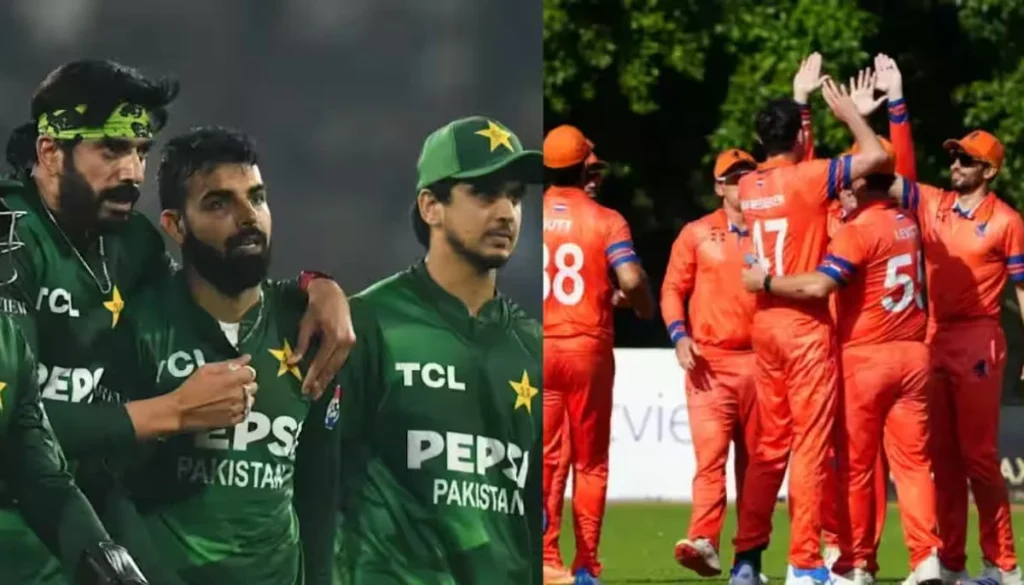
In a thrilling curtain-raiser to the 2026 T20 World Cup, Pakistan edged past the Netherlands by three wickets in Colombo on February 7, 2026, avoiding a potential upset in their Group A opener. Read More: https://theboardroompk.com/india-rejects-allegations-in-islamabad-mosque-bombing-that-killed-31/ The 2009 champions chased 148 with nerves frayed until Faheem Ashraf’s late fireworks secured the result, underscoring the importance of wins against associate nations amid their boycott of the India clash. Netherlands Post Competitive Total Opting to bowl first, Pakistan restricted the Netherlands to 147 all out with one ball remaining. The Dutch started brightly, reaching 50-2 in the powerplay with Michael Levitt (24) aggressive. Middle-order contributions from Bas de Leede (30) and captain Scott Edwards (37) built momentum, but Pakistan’s death bowling—led by Salman Mirza (3-24)—triggered a collapse, with six wickets falling for 20 runs in the final phase. Fielding brilliance, including a stunning boundary catch by Babar Azam and Shaheen Afridi, kept the total modest. Dramatic Chase Ends in Relief Pakistan’s reply began promisingly with Saim Ayub (24) and Sahibzada Farhan (47 off 31) reaching 98-2. However, a middle-order meltdown saw them slip to 114-7, needing 34 off the last few overs. Aryan Dutt and others squeezed the run rate, raising upset hopes. Faheem Ashraf’s unbeaten 29 off 11—including a six and boundary to finish—turned the tide after O’Dowd’s costly drop. Pakistan reached 148-7 in 19.3 overs. The result provides vital momentum for Pakistan, while the Netherlands earn praise for pushing a former champion to the brink.

India Rejects Allegations in Islamabad Mosque Bombing That Killed 31
Politics

India Rejects Allegations in Islamabad Mosque Bombing That Killed 31

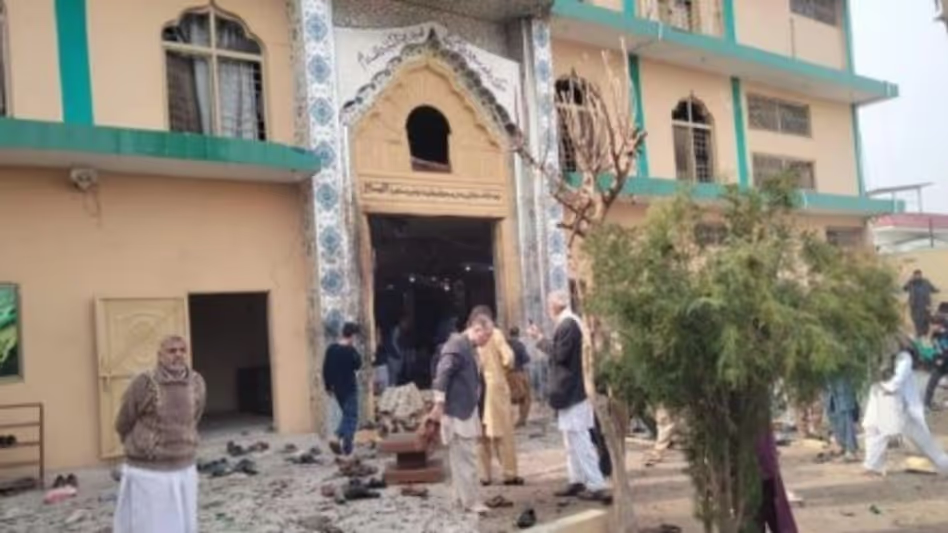
India has categorically rejected allegations of involvement in a suicide bombing at a Shi’ite mosque in Islamabad that killed at least 31 people and injured over 169 on February 6, 2026. Read More: https://theboardroompk.com/made-in-uzbekistan-exhibition-opens-new-doors-for-pakistan-uzbekistan-trade/ The attack, during Friday prayers at the Khadija Tul Kubra mosque in Tarlai Kalan, prompted swift accusations from Pakistani officials blaming India and Afghanistan, which New Delhi dismissed as baseless amid heightened bilateral tensions. Deadly Attack Shakes Islamabad A suicide bomber opened fire before detonating explosives among worshippers, marking the deadliest attack in Pakistan’s capital since 2008. The Islamic State group later claimed responsibility via Telegram, releasing an image of the alleged attacker. The blast occurred in a heavily guarded area, raising alarms about rising militant threats extending to urban centers. Pakistani authorities reported 31 deaths and 169 injuries, with thousands mourning victims the following day. India’s Firm Denial and Condemnation India’s Ministry of External Affairs condemned the “condemnable” bombing, expressing condolences for the lives lost. In a pointed statement, it rejected “any and every” allegation of involvement as “baseless and pointless.” The ministry accused Pakistan of deflecting from its internal security issues and “home-grown ills” rather than addressing sectarian and social challenges. Pakistani Defence Minister Khawaja Asif alleged the bomber’s Afghanistan links and Indian sponsorship without evidence, while Interior Minister Mohsin Naqvi claimed shared proof of Indian-backed terrorism. Afghanistan also denied involvement. India’s response highlights ongoing mutual blame amid frozen ties post recent conflicts, with no independent verification of claims provided. The incident underscores persistent cross-border accusations and sectarian vulnerabilities in Pakistan.

Made in Uzbekistan Exhibition Opens New Doors for Pakistan–Uzbekistan Trade
World

Made in Uzbekistan Exhibition Opens New Doors for Pakistan–Uzbekistan Trade

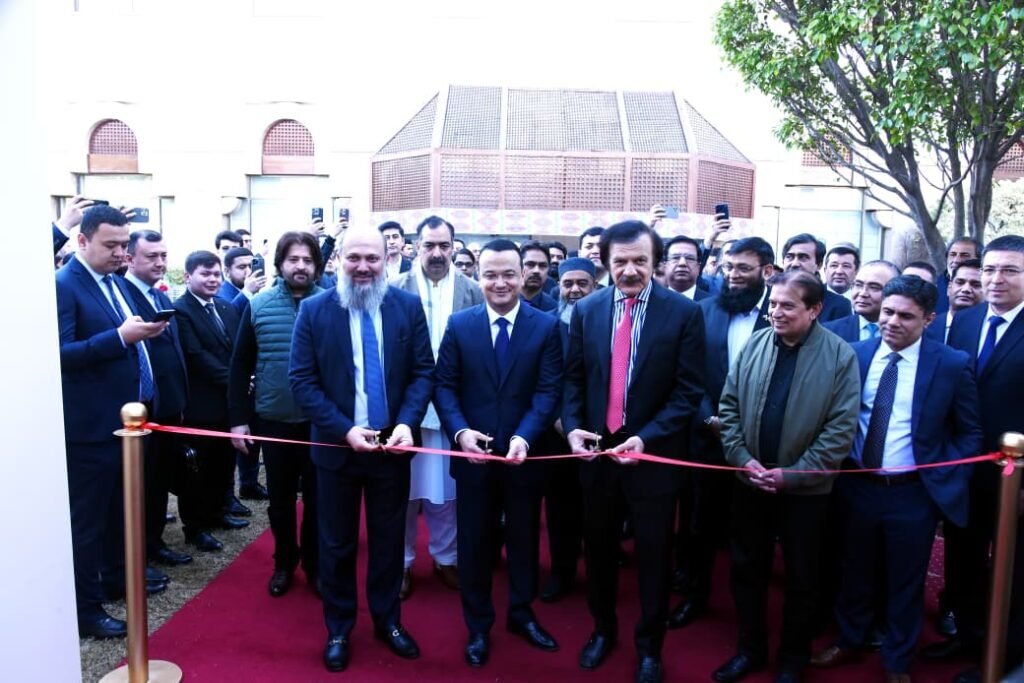
The Made in Uzbekistan Exhibition emerged as a powerful symbol of deepening economic diplomacy when it was inaugurated in Islamabad during the Pakistan–Uzbekistan Business Forum. Far more than a ceremonial ribbon-cutting, the exhibition marked a strategic moment—one that signals a shift from political goodwill to tangible commercial outcomes between the two regional partners. Federal Minister for Commerce Jam Kamal Khan officially inaugurated the Made in Uzbekistan Exhibition, reinforcing Pakistan’s intent to transform regional connectivity into real trade, investment, and industrial collaboration. With decision-makers, investors, and manufacturers under one roof, the exhibition set the stage for what many see as a new chapter in Central and South Asian trade integration. Made in Uzbekistan Exhibition Highlights Growing Regional Economic Ambitions The inauguration ceremony drew strong representation from both governments. Alongside Jam Kamal Khan were Uzbekistan’s Minister of Trade, Federal Minister for Communications Abdul Aleem Khan, Federal Minister for National Food Security and Research Rana Tanveer Hussain, and Special Assistant to the Prime Minister on Industries and Production Haroon Akhtar Khan. As Jam Kamal Khan toured the exhibition stalls, he praised the quality, innovation, and export readiness of Uzbek products. From textiles and leather goods to pharmaceuticals, engineering solutions, food products, and consumer goods, the exhibition demonstrated Uzbekistan’s growing industrial depth while revealing strong complementarities with Pakistan’s own export-driven economy. Why the Made in Uzbekistan Exhibition Matters for Pakistan According to the Commerce Minister, exhibitions like Made in Uzbekistan are not just showcases they are deal-making platforms. He emphasized that Pakistan is actively working to expand bilateral trade through structured mechanisms such as the Preferential Trade Agreement (PTA), the Pakistan–Uzbekistan Joint Business Council, and regular business forums. Previous Pakistan–Uzbekistan Business Forums have already resulted in multiple MoUs, commercial agreements, and sectoral understandings. This exhibition, officials believe, could accelerate cooperation across key sectors including: • Textiles and apparel manufacturing• Leather and footwear• Agriculture and food processing• Pharmaceuticals and healthcare products• Engineering and light manufacturing• Consumer goods and logistics Rather than listing figures and charts, the exhibition tells its own story—one of industrial capability meeting market opportunity. Connectivity, Corridors, and the Trade Future A recurring theme during the event was regional connectivity. Jam Kamal Khan reaffirmed Pakistan’s commitment to facilitating Uzbek trade and transit, even amid regional logistical challenges. He stressed the urgency of developing alternative trade corridors to ensure uninterrupted commercial flows between Central Asia and South Asia. Federal Minister Abdul Aleem Khan echoed this sentiment, highlighting the role of infrastructure and transport connectivity in sustaining rising trade volumes. Improved road, rail, and logistics cooperation, he noted, could unlock Pakistan’s role as a natural trade gateway for Uzbekistan. Agriculture and Industry Take Center Stage Federal Minister Rana Tanveer Hussain pointed to agriculture and food processing as low-hanging fruit for bilateral cooperation. With Pakistan’s fertile lands and Uzbekistan’s evolving agri-technology, both sides see potential in value-added agri-exports and food security partnerships. Meanwhile, SAPM Haroon Akhtar Khan emphasized industrial cooperation, manufacturing alliances, and investment in priority sectors suggesting that the exhibition could evolve into long-term joint production ventures rather than one-off trade deals. Made in Uzbekistan Exhibition: A Strategic Signal, Not Just a Showcase Held from February 5–6, 2026, the Made in Uzbekistan Exhibition does more than display products it reflects a broader shift in regional economic thinking. Uzbekistan’s industrial rise and Pakistan’s export ambitions are increasingly aligned, creating a foundation for sustainable trade growth. As political ties mature into commercial partnerships, this exhibition may well be remembered as a turning point where curiosity sparked conversations, conversations sparked deals, and deals reshaped regional trade dynamics.

Trump Orders Tells His Colleagues to Identify Countries with Higher Defence Spending as Customers for US Weapons
World

Trump Orders Tells His Colleagues to Identify Countries with Higher Defence Spending as Customers for US Weapons

President Donald Trump issued an executive order on February 6, 2026, establishing the “America First Arms Transfer Strategy” to overhaul U.S. foreign military sales by prioritizing nations with robust defense spending and key regional roles. Read More: https://theboardroompk.com/toyotas-ceo-change-finance-focus-as-sato-steps-aside-after-three-years/ This marks a departure from decades of queue-based arms exports, focusing instead on aligning sales with U.S. national security and economic goals to speed deliveries and enhance domestic production. Shift to Favor High-Spending Strategic Partners The directive instructs agencies to favor partners investing heavily in self-defense, contributing to U.S. economic security, or holding critical geographic positions in American strategy. It ties into NATO’s 2025 Hague commitment to a 5% GDP defense spending standard, emphasizing burden-sharing. The approach aims to reward allies meeting higher thresholds while addressing complaints of delays from mismatched orders and limited U.S. capacity. No explicit list of prioritized nations appears in the order, leaving flexibility for implementation. Enhancing Production and Reducing Bureaucratic Hurdles Within 120 days, the Secretaries of War (Defense), State, and Commerce must submit a prioritized sales catalog and identify acquisition opportunities that reinforce supply chains and readiness. The order calls for improved transparency and faster processes, including end-use monitoring, to prevent backlogs that hinder U.S. and allied forces. Officials highlight using foreign investments to “supercharge” the defense industrial base, supporting Trump’s vision of revitalizing American manufacturing. The White House emphasized that the strategy ensures arms transfers advance U.S. interests without unnecessary delays, potentially accelerating exports to compliant allies amid heightened focus on homeland defense and deterring adversaries.

Toyota's CEO Change: Finance Focus as Sato Steps Aside After Three Years
Auto

Toyota’s CEO Change: Finance Focus as Sato Steps Aside After Three Years

In a unexpected executive reshuffle, Toyota Motor named CFO Kenta Kon as its new president and CEO effective April 1, 2026, succeeding Koji Sato after just three years. Read More: https://theboardroompk.com/volkswagen-reclaims-lead-in-europes-bev-market-for-2025/ The world’s No. 1 automaker by sales announced the move on February 6, 2026, even as it outperforms rivals amid EV slowdowns, rising Chinese competition, and looming U.S. tariffs under President Trump. Leadership Split and Sato’s New Role Outgoing CEO Koji Sato, an engineer and former Lexus head praised by Toyoda as a “car aficionado,” guided Toyota’s hybrid-centric approach that proved prescient as full EVs struggled in key markets like the U.S. Sato will transition to vice chairman and a newly created chief industry officer position, overseeing broader industry engagement while Kon handles internal operations. The split aims to leverage Sato’s product expertise externally and Kon’s financial acumen internally. Financial Emphasis Amid Challenges Kenta Kon, a close Toyoda ally with experience in accounting, software unit Woven by Toyota, and real estate, brings a bottom-line focus. He stated his priority on “earning power” to support proper investments in design, engineering, and manufacturing. Experts interpret the shift as preparation for intensified pressures, including Trump’s tariffs estimated at $9 billion impact and waves of low-cost Chinese vehicles. Despite these, Toyota’s hybrid success and cost discipline drove an upward revision of its profit forecast to $24.2 billion for the year ending March 2026. Shares gained on the announcement, reflecting confidence in sustained profitability. The leadership change underscores Toyota’s proactive adaptation to geopolitical and competitive shifts while maintaining its dominance.

Karachi Hosts Grand Celebration of Sri Lanka’s 78th National Independence Day
World

Karachi Hosts Grand Celebration of Sri Lanka’s 78th National Independence Day

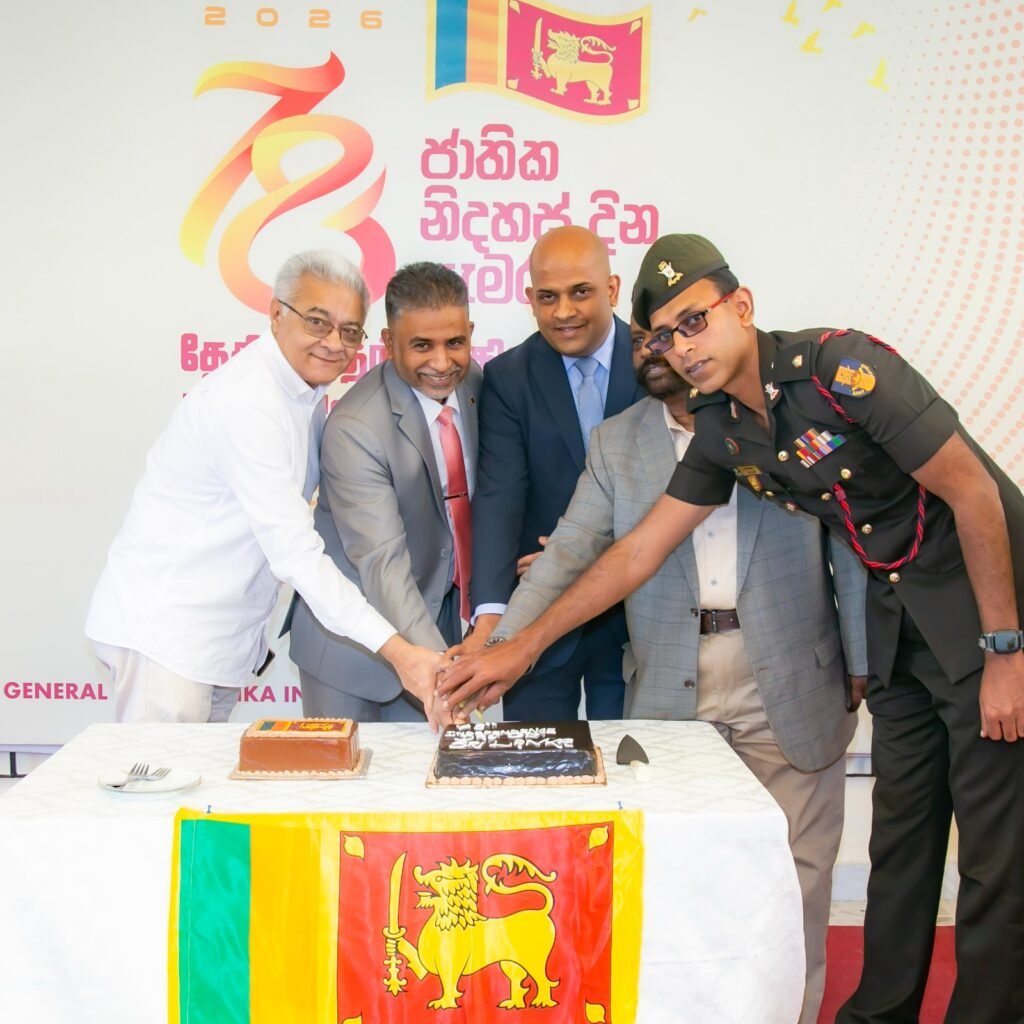
Karachi: The Sri Lanka Consulate in Karachi hosted a vibrant and memorable celebration on the occasion of Sri Lanka’s 78th National Independence Day, highlighting the enduring friendship between Sri Lanka and Pakistan. The event was presided over by H.E. Sanjeewa Pattiwila, Consul General of Sri Lanka in Karachi, who also hoisted the Sri Lankan national flag while the national anthem played, marking the historic day with pride and dignity. Read More: https://theboardroompk.com/shabbar-zaidi-calls-for-economic-reform-and-relocation-of-fbr-headquarters-to-karachi/ In his keynote address, Consul General Pattiwila reflected on Sri Lanka’s journey of resilience, economic recovery, and principled governance. “Within eighteen months, through collective struggle and determination, Sri Lanka has achieved tangible economic progress, and even in the face of Cyclone Ditwah, our strong foundations allowed us to rebuild and support our communities successfully,” he said.Consul General Pattiwila extended heartfelt gratitude to the Government and people of Pakistan for their unwavering support during natural disasters and throughout history. “Pakistan has been a true and reliable friend, providing humanitarian aid, security cooperation, and educational opportunities, including scholarships for hundreds of Sri Lankan students through the Allama Iqbal Scholarship Scheme,” he stated.The celebrations also highlighted Sri Lanka-Pakistan trade and technical cooperation. Consul General Pattiwila emphasized ongoing efforts to expand bilateral trade under the Pakistan-Sri Lanka Free Trade Agreement (PSFTA), noting potential opportunities in textiles, tea, medical supplies, agriculture, and joint technical ventures. A large number of Sri Lankan students currently studying in Karachi attended the ceremony, symbolizing the nation’s growing educational ties with Pakistan. The event also included prayers representing Buddhism, Hinduism, Christianity, and Islam, showcasing the nation’s cultural diversity.In a gesture of service and solidarity, the Sri Lanka Consulate, in collaboration with the Afzaal Memorial Thalassemia Foundation (AMTF) Pakistan, organized a blood donation campaign to benefit Pakistani thalassemia patients. Many Sri Lankans present at the event generously donated blood, reflecting the community’s compassion and shared commitment to humanity.Consul General Pattiwila praised the Sri Lankan expatriates working in Karachi as “true ambassadors of our nation,” recognizing their contributions across various sectors including finance, aviation, manufacturing, and logistics. Closing his speech, he urged attendees to join hands in unity and brotherhood, quoting President Anura Kumara Dissanayake: “Let us work together to build the beautiful shared dream of a thriving nation and a beautiful life.” The event successfully combined national pride, cultural heritage, and community service, reaffirming the strong bonds between Sri Lanka and Pakistan.

Shabbar Zaidi Calls for Economic Reform and Relocation of FBR Headquarters to Karachi
Pakistan

Shabbar Zaidi Calls for Economic Reform and Relocation of FBR Headquarters to Karachi

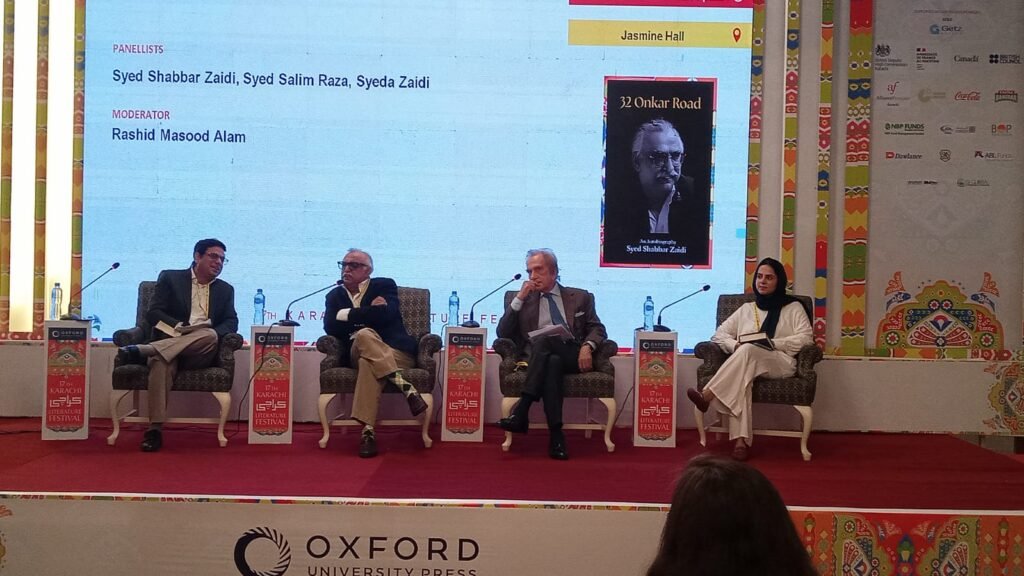
Karachi: Former Federal Board of Revenue (FBR) Chairman Shabbar Zaidi has called for major structural and economic reforms in Pakistan, including the relocation of the Federal Board of Revenue (FBR) headquarters from Islamabad to Karachi. Read More: https://theboardroompk.com/suicide-bomber-kills-31-injures-169-at-islamabad-imambargah-during-prayers/ Speaking at a discussion on his book “32 Onkar Road” on the second day of the 17th Karachi Literature Festival, Shabbar shared his views on governance, history, economics and society.He said: “The State Bank of Pakistan (SBP) performs 100 times better than the FBR, despite both being government institutions.” According to him, one key reason is that the State Bank’s headquarters is in Karachi, whereas the FBR operates from Islamabad. He suggested: “If the government wants to improve the performance of the FBR, its headquarters should be shifted to Karachi.” Explaining why he wrote the book, Shabbar said he had spent most of his life in Karachi and Lahore, two cities that are culturally and socially different. Within the chartered accountancy profession, he said, many voices remain unheard in society. He also observed that Pakistan’s history is often recorded emotionally rather than strategically. The book also reflects his personal views on religion. However, he acknowledged removing certain pages, stating that the society has “a certain level of tolerance”.Shabbar also shared his perspective on Pakistan’s economic direction and said the country did not free itself from the supremacy of the Western economic system. He argued that independence in 1947 was political rather than economic. He claimed that the International Monetary Fund (IMF) does not seek to address Pakistan’s core economic issues. Discussing leadership and governance, he said there is no comparison between former Prime Ministers Shaukat Aziz and Dr Manmohan Singh, adding that placing the two in the same bracket would be unfair to Dr Singh. He underscored Dr Singh’s distinguished academic background and teaching career before entering politics, noting that Shaukat Aziz did not have a comparable academic trajectory. He also reflected on their lives after leaving office, pointing out that the former Indian Prime Minister returned to Chandigarh, whereas Shaukat Aziz chose to settle in New York. In this context, he raised a broader question about where one ultimately considers one’s true home. Shabbar also said that individuals without dual citizenship in Pakistan often feel like “second-grade citizens”, describing this as a dilemma faced by many members of the younger generation who seek opportunities abroad to feel like first-class citizens in their own country. On political leadership, he said, Imran Khan cannot be compared with Benazir Bhutto and Nawaz Sharif, arguing that Imran Khan’s rise was based on his personal struggle, while Benazir Bhutto inherited a political legacy and Nawaz Sharif’s rise is widely known. Reflecting on history and social divisions, he said that differentiating people on the basis of religion is among the gravest wrongs. He referred to demographic changes during Partition, noting the significant shifts in population in Punjab and cities such as Lahore and Amritsar, and described the long-term impact of Partition on the region.

EU Charges TikTok Over Addictive Features; Major App Changes Demanded
World

EU Charges TikTok Over Addictive Features; Major App Changes Demanded

The European Union has issued preliminary charges against TikTok for breaching online content regulations, focusing on the app’s “addictive design” features that could harm users’ wellbeing, especially children. Read More: https://theboardroompk.com/former-australian-fast-bowler-brett-lee-urges-india-pak-match-icc-t20-world-cup/ The European Commission announced the findings on February 6, 2026, after a year-long investigation under the Digital Services Act (DSA). This landmark EU law mandates large platforms to mitigate risks from harmful content and practices. Key Allegations TikTok’s features, including infinite scroll, autoplay videos, push notifications, and a highly personalized recommender system, were cited as problematic. These elements constantly reward users with new content, fueling endless scrolling and shifting users into “autopilot mode.” This can lead to compulsive behavior and reduced self-control, the Commission alleged.The platform reportedly failed to properly assess risks to physical and mental health, particularly for minors and vulnerable adults. It ignored signs of excessive use, such as late-night activity by children or frequent app openings, and lacked effective mitigation like robust screen-time tools or parental controls. Potential Consequences TikTok may need to fundamentally change its app design in Europe to comply. Failure could result in a fine of up to 6% of parent company ByteDance’s global annual turnover—a potentially massive penalty given the company’s scale. The Commission emphasized protecting young users, with EU tech chief Henna Virkkunen stating actions are expected to redesign the service for better safety, especially for minors. TikTok strongly rejected the claims. A spokesperson called the findings “categorically false and entirely meritless,” vowing to challenge them through all available means. This follows prior DSA scrutiny, including a 2025 settlement over advertising transparency. The case highlights growing EU pressure on Big Tech to prioritize user safety over engagement-driven models.

Suicide Bomber Kills 31, Injures 169 at Islamabad Imambargah During Prayers
Breaking News

Suicide Bomber Kills 31, Injures 169 at Islamabad Imambargah During Prayers

A devastating suicide bombing struck a Shia place of worship in Pakistan’s capital on Friday, claiming at least 31 lives and injuring 169 others. Read More: https://theboardroompk.com/k-electric-ceo-resignation-officially-confirmed-to-stock-market/ The attack targeted the Imambargah Khadijah-tul-Kubra in Islamabad’s Tarlai area during crowded Friday prayers. Eyewitnesses described chaos as the blast ripped through the site, leaving bloodied bodies amid shattered glass and debris both inside and in the garden. Incident Details Police sources confirmed it was a suicide attack. The bomber attempted entry but was stopped at the gate by alert individuals or guards. He then detonated explosives, causing massive casualties among worshippers. The site, on the capital’s outskirts, is usually heavily secured, making the breach shocking. Response and Aftermath Emergency services rushed to the scene, shifting the injured to hospitals like PIMS, Polyclinic, and CDA Hospital, where emergencies were declared. Punjab authorities dispatched 25 ambulances and placed Rawalpindi facilities on high alert with specialist teams ready. The area was sealed for investigation. Leaders expressed outrage. Prime Minister Shehbaz Sharif condemned the act, ordered a thorough probe, and promised exemplary punishment. President Zardari called it a crime against humanity. International voices, including the US, UK, and Iran, denounced the violence and offered support. This incident highlights persistent security challenges in Pakistan despite rarity in Islamabad. No tolerance for such terrorism was reiterated by officials, with calls for unity against extremism.

Scroll to Top