Author name: Web Desk

Pakistan Banking System Outlook Enters a New Phase of Stability
Pakistan

Pakistan Banking System Outlook Enters a New Phase of Stability

The Pakistan banking system outlook has entered a critical new chapter. Global credit rating agency Moody’s Ratings has revised its outlook for Pakistan’s banking sector from positive to stable, a move that reflects cautious optimism mixed with realism about the country’s ongoing economic challenges. Read More: https://theboardroompk.com/ksa-eyes-pakistani-tech-professionals-for-technological-transformation/ At first glance, “stable” may not sound exciting but for Pakistan’s financial ecosystem, this shift carries deeper implications. It signals that while the worst may be over, the road to robust growth remains gradual, complex, and highly dependent on macroeconomic discipline. Why Moody’s Revised the Pakistan Banking System Outlook Moody’s decision is rooted in a careful assessment of Pakistan’s evolving operating environment. According to the agency, economic conditions are slowly improving, supported by stabilization measures and relatively better financial conditions. However, the pace of recovery remains measured rather than rapid. This balance between progress and pressure explains why the Pakistan banking system outlook is no longer classified as positive. Moody’s sees limited room for near-term improvement in banks’ performance due to ongoing structural constraints. Pakistan Banking System Outlook and Bank Performance Expectations Over the next 12 to 18 months, Moody’s expects Pakistani banks to maintain stable performance rather than post notable gains. Several factors are shaping this outlook: Instead of showing accelerating profitability or expanding risk appetite, banks are likely to remain cautious. Elevated interest rates continue to suppress credit demand, while higher borrowing costs raise the probability of loan stress. At the same time, the government’s tight fiscal position restricts the broader economic momentum needed to drive banking-sector expansion. In simpler terms, the system is holding steady—but not yet sprinting forward. Key Pressures Shaping the Pakistan Banking System Outlook Moody’s analysis highlights a cluster of interconnected risks that continue to weigh on the sector. These include: • High interest rates, which protect margins in the short term but strain borrowers over time• Elevated credit risks, especially in vulnerable sectors of the economy• A constrained sovereign fiscal position, limiting policy flexibility• Lingering inflationary pressures that reduce purchasing power and investment appetite Together, these factors form the backbone of why the Pakistan banking system outlook remains stable rather than improving. Pakistan Banking System Outlook and GDP Growth Projections One of the most closely watched signals in Moody’s statement is its real GDP growth forecast of around 3.5% for 2026. This projection suggests that Pakistan’s economy is moving out of crisis mode and into a phase of controlled recovery. Stabilization policies, improved external financing conditions, and tighter monetary management have helped reduce volatility. However, Moody’s cautions that risks remain firmly on the table particularly those tied to external funding needs, inflation control, and consistent policy execution. If reforms slow or external shocks emerge, the fragile balance supporting the Pakistan banking system outlook could be tested. What the Stable Pakistan Banking System Outlook Means for Stakeholders For investors, a stable outlook reduces uncertainty but does not yet unlock aggressive growth expectations. For businesses, it signals continuity in credit availability, albeit under tight lending standards. For policymakers, it serves as a reminder that stability must be converted into momentum through structural reforms. Think of the outlook like a financial health report card: Pakistan’s banking system has passed the danger zone, but it still needs disciplined management to reach stronger grades. The Road Ahead for Pakistan’s Banking Sector The shift in the Pakistan banking system outlook underscores a broader truth about the economy: resilience has improved, but vulnerability remains. Banks are better positioned than before, yet they operate within a system still exposed to fiscal, inflationary, and external financing risks. The coming year will be decisive. Continued reforms, policy consistency, and macroeconomic discipline could eventually push the outlook back toward positive territory. Until then, stability is both a reassurance and a warning not to lose momentum.
KSA Eyes Pakistani Tech Professionals for Technological Transformation
Tech

KSA Eyes Pakistani Tech Professionals for Technological Transformation

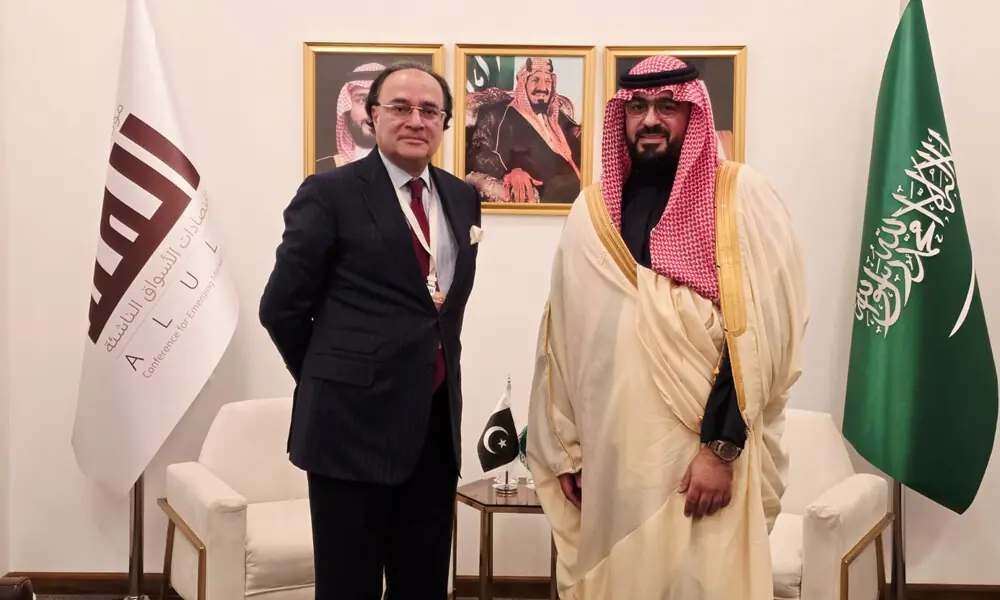
Saudi Arabia’s Economy and Planning Minister Faisal bin Fadhil Alibrahim has expressed high praise for Pakistan’s technology sector, ranking its artificial intelligence and tech talent among the world’s best. Read More: https://theboardroompk.com/pakistan-us-gear-up-for-high-level-bilateral-talks-this-week/ Global Recognition of Pakistani Skills In discussions with Senator Muhammad Aurangzeb, Pakistan’s Finance Minister, the Saudi official commended the high-quality output of Pakistani professionals in AI and technology. He stated that Saudi Arabia is keen to harness this talent to lead its ambitious technological advancements. The minister cited Eric Schmidt’s prior endorsement of the capabilities and potential of Pakistan’s tech workforce. Bilateral Meeting Outcomes The meeting occurred on the sidelines of the AlUla Conference 2026 for Emerging Market Economies. Key topics included follow-ups on Saudi investments in Pakistan and broader economic cooperation. Senator Aurangzeb outlined plans for a dedicated human resource pipeline aimed at markets such as Saudi Arabia to foster mutual economic gains. Advancing Trade and Investment Commitments Progress on the GCC Free Trade Agreement was reviewed, with emphasis on expanding trade links. The Pakistani minister confirmed ongoing efforts by specialized teams to conclude Saudi investment pledges. He thanked Saudi Arabia for hosting the strategic conference and for its steadfast commitment to supporting Pakistan’s economy. These positive exchanges highlight Pakistan’s rising profile in the global tech landscape and Saudi Arabia’s strategic interest in collaborative opportunities. The focus on talent mobility and investments could strengthen economic interdependence and support digital growth initiatives in both countries.

Pakistan, US Gear Up for High-Level Bilateral Talks This Week
World

Pakistan, US Gear Up for High-Level Bilateral Talks This Week

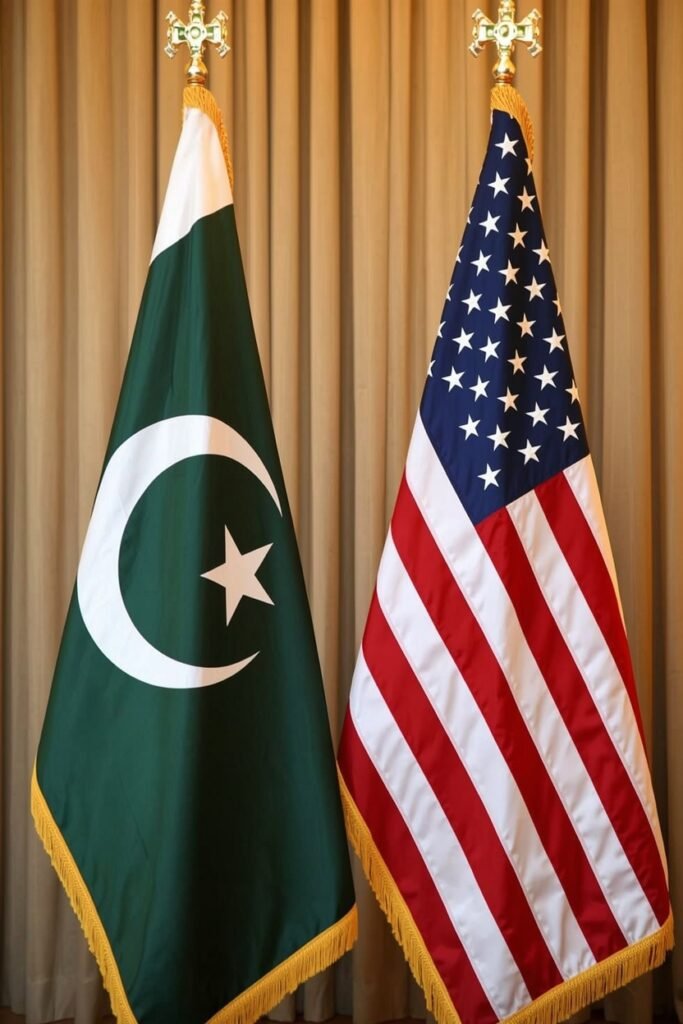
Pakistan and the United States are set to engage in high-level bilateral talks early this week, covering a broad spectrum of international and bilateral matters, with a particular emphasis on trade and investment opportunities. Read More: https://theboardroompk.com/pakistan-stock-exchange-weekly-review-a-calm-surface-hiding-powerful-undercurrents/ Preparations and Scope of Discussions Pakistan’s Ministry of Foreign Affairs (MoFA) has actively coordinated by requesting detailed talking points and briefing materials from numerous ministries and divisions. These include Finance, Commerce, Economic Affairs, Energy, Education, Human Rights, Industries, IT and Telecommunication, Interior, Food Security, Health Services, National Security, Planning, Religious Affairs, Science and Technology, the Special Investment Facilitation Council, and the Pakistan Virtual Assets Regulatory Authority. This wide-ranging input indicates a comprehensive agenda aimed at addressing multifaceted issues beyond just economic ties. Context Amid Regional Tensions The talks are unfolding against a backdrop of heightened regional uncertainty, particularly stemming from the ongoing standoff between Iran and the United States. Despite mediation efforts through Oman, tensions persist in the area. Deputy Prime Minister and Foreign Minister Ishaq Dar has dismissed earlier media reports of a US delegation visiting Pakistan as “disinformation,” clarifying that no such visit is confirmed. The venue for the current discussions has not been publicly disclosed, and the US Embassy in Islamabad has not issued a response on the matter. Broader Diplomatic Engagements These bilateral exchanges coincide with Pakistan’s active international diplomacy. Prime Minister Shehbaz Sharif recently participated in Davos, where he endorsed the “Board of Peace” charter—an initiative linked to US President Donald Trump focused on Gaza peace and reconstruction. Upcoming visits include the Munich Security Conference in Germany from February 13-15, followed by a trip to Vienna, Austria. Such engagements underscore Pakistan’s efforts to strengthen relations with global partners amid complex geopolitical dynamics. The anticipated discussions reflect ongoing commitment to deepening Pakistan-US cooperation in trade, investment, and security, potentially paving the way for enhanced economic collaboration and regional stability contributions.

High Taxes at 62-65%: Arif Habib Urges Govt to Talk to IMF for Reductions
Business

High Taxes at 62-65%: Arif Habib Urges Govt to Talk to IMF for Reductions

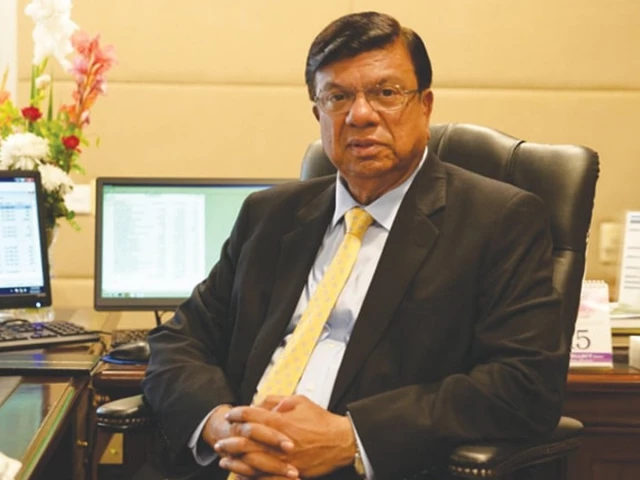
Prominent Pakistani businessman Arif Habib has indicated that the government is poised to negotiate with the IMF for reductions in business taxation rates. Read More: https://theboardroompk.com/pakistan-and-iran-target-enhanced-bilateral-cooperation-amid-regional-talks/ The objective is to alleviate the heavy tax load that discourages investment and hampers economic expansion. Burden of Layered Taxes on Businesses Habib pointed out that businesses face an effective tax rate of 62-65% when combining corporate tax at 29%, super tax, inter-corporate dividend tax, dividend tax, and Section 7E on property income. These multiple impositions, he argued, are a major deterrent to both domestic and foreign investors, contributing to persistently low FDI levels in the economy. Specific Reduction Proposals In discussions with high-level officials, including the prime minister and FBR chairman, Habib learned of plans to approach the IMF for relief. He suggested targeted changes: dropping corporate tax to 27%, eliminating inter-corporate dividend tax, abolishing certain provisions like Section 73, and lowering GST from 18% to 15%. He also called for a single-digit policy rate and stronger security to restore investor trust. Leveraging IMF Program Flexibility Under the ongoing $7 billion EFF, Pakistan must align fiscal policies with IMF guidelines. Recent overachievement on primary surplus targets offers potential room to propose a lower benchmark, generating fiscal space to accommodate tax relief without derailing the program. This approach seeks to foster growth while honoring international obligations. Potential Economic Benefits Lower taxes could encourage business expansion, improve competitiveness, and attract capital inflows critical for long-term stability. Habib shared these insights at the Karachi Literature Festival, underscoring the link between institutional reforms and economic performance.

Pakistan and Iran Target Enhanced Bilateral Cooperation Amid Regional Talks
World

Pakistan and Iran Target Enhanced Bilateral Cooperation Amid Regional Talks

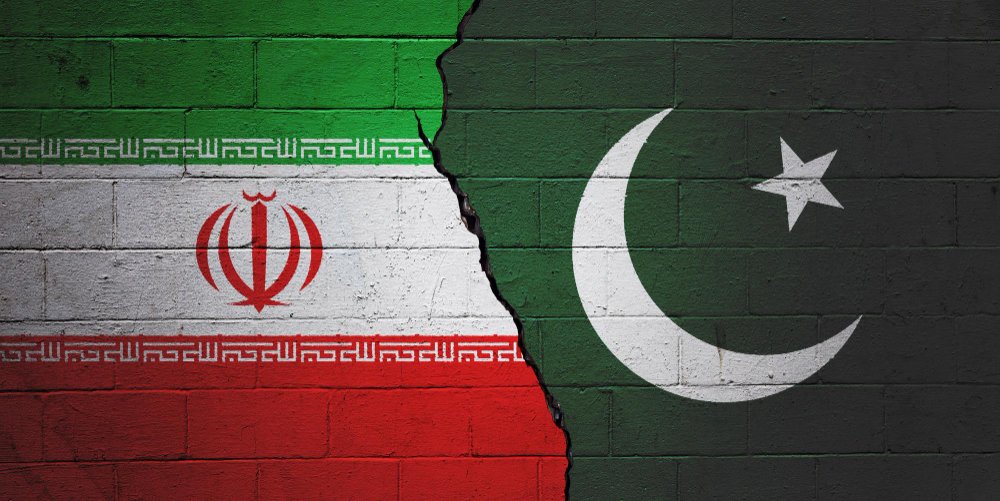
Pakistan and Iran have reaffirmed their strong commitment to deepening economic cooperation, emphasizing the need to boost bilateral trade volumes. Read More: https://theboardroompk.com/iphone-17e-release-date-why-apples-next-budget-iphone-is-creating-buzz/ This development came during a high-level meeting between Pakistan’s Federal Minister for Finance and Revenue, Senator Muhammad Aurangzeb, and Iran’s Minister of Economic Affairs and Finance, Dr. Seyed Ali Madanizadeh. The discussions took place on the sidelines of the AlUla Conference 2026 for Emerging Market Economies in Saudi Arabia. Strengthening Bilateral Trade Ties Both ministers aligned their efforts with the vision and directives of the top leadership in Pakistan and Iran. They stressed sustained engagement, trade facilitation measures, and the removal of existing bottlenecks to unlock greater economic potential. The focus was on enhancing overall trade volume through practical steps and consistent dialogue. Exploring Investment and Collaboration Opportunities The Iranian side presented specific sector-based proposals for investment and market partnerships, aiming to create mutually beneficial outcomes and further integrate the two economies. Senator Aurangzeb welcomed these ideas positively. Mutual invitations were extended for official visits— the Iranian minister invited his Pakistani counterpart to Iran, while the gesture was reciprocated for a visit to Islamabad. This exchange signals intent for continued high-level interactions to advance shared economic goals. The meeting reflects ongoing efforts to elevate Pakistan-Iran economic relations amid regional dynamics, building on prior targets like achieving higher trade milestones. Such commitments could pave the way for expanded collaboration in trade, investment, and related sectors, benefiting both nations through stronger connectivity and reduced barriers.

iPhone 17e Release Date: Why Apple’s Next Budget iPhone Is Creating Buzz
Tech

iPhone 17e Release Date: Why Apple’s Next Budget iPhone Is Creating Buzz

The iPhone 17e release date has suddenly become one of the most talked-about topics in the tech world. Apple’s rumored next-generation affordable iPhone is expected to arrive soon but exactly when remains a mystery. A fresh report has ignited debate, suggesting that Apple could unveil the iPhone 17e within days. But does the timing really make sense, or is this just another rumor riding the hype wave? With competition heating up and February shaping into one of the busiest months in smartphone history, Apple’s next move could be more strategic than it appears. A Curious iPhone 17e Release Date Rumor Emerges According to a report from Macwelt, later shared by its English-language partner Macworld, Apple may announce the iPhone 17e on February 19 almost exactly one year after the launch of the iPhone 16e. What makes this claim unusual is the day itself. Apple traditionally unveils products on Mondays or Tuesdays, occasionally Wednesdays. A Thursday announcement would be a rare deviation from the company’s well-established playbook. However, Apple has shown flexibility in recent years, especially for budget models. The iPhone 16e, for example, was revealed quietly via a press release rather than a high-profile event. If Apple follows the same approach, the day of the week may not matter as much as it once did. If the February 19 rumor holds true, industry watchers believe the phone could hit stores around February 27. Analyzing the iPhone 17e Release Date Strategy The iPhone 17e release date speculation deserves a closer look. Apple is famously meticulous about timing. Its launches are designed to dominate headlines not compete for attention. February, however, is already overflowing with major smartphone news. Google has confirmed that its own affordable phone will go on sale on February 18, just one day before the rumored iPhone 17e announcement. Meanwhile, Samsung is widely expected to unveil the Galaxy S26 series during an Unpacked event in the week starting February 23. Then comes Mobile World Congress (MWC) in Barcelona, kicking off at the end of February and spilling into early March. This annual event draws global media attention, with back-to-back press conferences and product reveals. For Apple, launching the iPhone 17e amid this chaos could dilute its impact something the company usually avoids. Apple vs Google and Samsung: A Battle for the Budget Segment The affordable smartphone market is no longer an afterthought. Google, Samsung, and Apple are now fighting aggressively for price-conscious consumers who still want premium features. Apple’s iPhone 17e is expected to play a critical role in this strategy. Positioned as the most accessible entry point into the Apple ecosystem, the device could attract new users especially in emerging markets. That’s precisely why the iPhone 17e release date matters so much. A poorly timed launch risks being overshadowed by rivals, while a well-placed announcement could dominate headlines. My Prediction: When Will the iPhone 17e Actually Launch? While a February announcement isn’t impossible, history suggests Apple may wait. The smarter move would be to let Google and Samsung absorb the initial media frenzy then step in once the noise fades. My prediction? The iPhone 17e release date will likely fall in early March, possibly during the week of Mobile World Congress, after the biggest Android announcements are out of the way. A realistic scenario would be: • Announcement: Early to mid-week, around March 3• Retail availability: Friday, March 13 This timing would give Apple a clear runway to capture attention and control the conversation. Why the iPhone 17e Release Date Matters More Than Ever Beyond specs and pricing, timing is everything. The iPhone 17e isn’t just another phone it’s Apple’s statement that affordability doesn’t mean compromise. Whether Apple opts for a surprise February reveal or a calculated March launch, one thing is certain: the moment the iPhone 17e release date is officially confirmed, it will send shockwaves through the smartphone market. Stay tuned because Apple rarely moves without a plan.

Changan Alsvin Price Reduction in Pakistan Signals a New Competitive Wave
Auto

Changan Alsvin Price Reduction in Pakistan Signals a New Competitive Wave

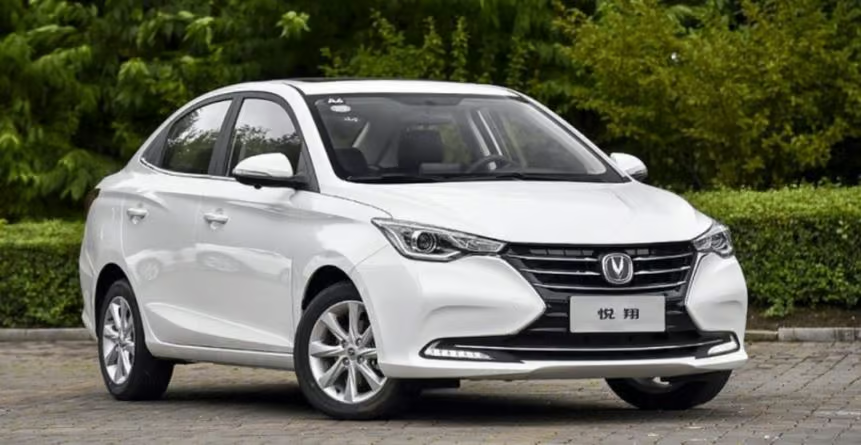
The Changan Alsvin price reduction in Pakistan has quietly turned into one of the most talked-about developments in the local auto market, catching buyers and competitors off guard. Following a recent price cut on the Oshan X7, Changan Pakistan has now extended its much-anticipated “Celebration Offer” to the Alsvin sedan lineup, instantly reshaping the value equation in the budget-sedan segment. At a time when consumers remain cautious due to inflation and rising ownership costs, this move has reignited curiosity: Is Changan testing demand, or preparing for a bigger market realignment? Revised Prices Under the Changan Alsvin Price Reduction in Pakistan Under the new promotional structure, all Alsvin variants have received a uniform price cut of PKR 400,000, significantly lowering the barrier to entry for first-time sedan buyers. The Alsvin MT Comfort, previously priced at PKR 4.189 million, now carries a revised ex-factory price of PKR 3.789 million, making it one of the most affordable feature-rich sedans in its class. Similarly, the Alsvin DCT Lumiere, which earlier stood at PKR 4.899 million, has been reduced to PKR 4.499 million, offering automatic-transmission buyers substantial savings without sacrificing premium features. Completing the lineup, the Alsvin Lumiere Black Edition now costs PKR 4.599 million, down from PKR 4.999 million, positioning it as a compelling option for style-conscious urban drivers. Notably, Changan has yet to clarify whether this price reduction is permanent or time-bound, adding urgency and fueling speculation across dealerships and online auto forums. What Makes This Changan Alsvin Price Reduction Stand Out? Unlike conventional price cuts, the Changan Alsvin price reduction in Pakistan arrives at a moment when most automakers are holding prices steady or increasing them due to cost pressures. This aggressive pricing strategy hints at deeper confidence in localized production efficiencies and market demand recovery. Industry insiders believe Changan may be aiming to expand market share rapidly in the sedan segment, especially as competition intensifies from Japanese and Korean brands. Periodic Maintenance Package: A Hidden Value Booster Beyond the headline price cuts, Changan is also sweetening the deal with a Periodic Maintenance (PPM) package for its FutureSense variants, available in both 5-seater and 7-seater configurations. Valued at PKR 250,000, this maintenance bundle significantly lowers ownership costs during the early years an often-overlooked factor for Pakistani car buyers. The package remains valid for 2 years or 35,000 kilometers, whichever comes first, and covers both labor charges and essential consumables. These include regular engine oil changes, oil filters, air and fuel filters, cabin AC filters, spark plugs, coolant, brake and clutch fluids, as well as front brake pads and rear brake shoes. By converting what would typically be unpredictable maintenance expenses into a fixed cost, Changan is effectively offering peace of mind along with affordability. Is the Changan Alsvin Price Reduction in Pakistan a Game Changer? The timing of this offer raises important questions. With consumer confidence gradually stabilizing and auto financing showing early signs of recovery, Changan’s move could trigger a fresh round of competitive pricing across the industry. For buyers who have been waiting on the sidelines, this may be the strongest signal yet that 2026 could favor car buyers more than sellers at least in the short term. Final Takeaway The Changan Alsvin price reduction in Pakistan is more than just a promotional headline it’s a strategic move that blends affordability, value-added services, and market psychology. Whether this turns into a long-term pricing shift or remains a limited-time opportunity, one thing is certain: the Alsvin has never looked more attractive to Pakistani buyers.

OMODA & JAECOO UK Market Breakthrough: From Newcomer to Top 8 Automotive Brands in Just 17 Months
Auto

OMODA & JAECOO UK Market Breakthrough: From Newcomer to Top 8 Automotive Brands in Just 17 Months

The OMODA & JAECOO UK market breakthrough is not just another automotive success story it’s a wake-up call to established carmakers. In an industry where brand trust takes decades to build, OMODA & JAECOO have rewritten the rulebook by storming into the UK’s top eight automotive brands in just 17 months. For a market known for fierce competition, loyal consumers, and high regulatory standards, this achievement is nothing short of remarkable. The rapid rise of OMODA & JAECOO signals a broader shift in consumer behavior and possibly the future of mobility in the UK. How OMODA & JAECOO Cracked the UK Auto Market So Fast Breaking into the UK automotive landscape is notoriously difficult. Brands face intense pressure from legacy manufacturers, evolving environmental regulations, and increasingly informed buyers. Yet, the OMODA & JAECOO UK market breakthrough shows what happens when smart strategy meets timing. Rather than entering quietly, the brand arrived with a clear proposition: stylish design, advanced technology, competitive pricing, and a strong value narrative. UK consumers, grappling with rising living costs and sustainability concerns, responded quickly. In practical terms, the brand’s journey can be understood through three decisive moves explained below. OMODA & JAECOO UK Market Breakthrough Strategy Explained OMODA & JAECOO didn’t chase volume they chased relevance. Their models focus on what UK buyers care about most today: fuel efficiency, hybrid and EV readiness, digital interiors, and bold design language. This alignment instantly differentiated them from traditional mass-market offerings. Instead of slow, cautious growth, the brand aggressively expanded its UK dealership footprint. This ensured nationwide accessibility early on, reducing one of the biggest adoption barriers for new automotive brands after-sales confidence. In effect, consumers could see, test, and trust the brand almost immediately. The OMODA & JAECOO UK market breakthrough also reflects the power of modern branding. Rather than leaning on legacy, the brand leaned into innovation, youth appeal, and future mobility messaging that resonated strongly with first-time buyers and urban professionals. What the Numbers Quietly Reveal About the OMODA & JAECOO UK Market Breakthrough Instead of presenting raw tables, the impact becomes clearer when translated into context: • Market Entry to Top 8 Ranking: Achieved in just 17 months, a timeline that typically takes brands 5–10 years in the UK.• Brand Acceptance: Consistently rising monthly registrations place OMODA & JAECOO alongside long-established competitors.• Consumer Confidence: Strong repeat interest and dealership footfall suggest long-term sustainability, not a short-term spike. These indicators confirm that this is not a marketing-driven surge, but a structural shift in buyer preference. Why the OMODA & JAECOO UK Market Breakthrough Matters for the Industry This milestone sends a clear message to the global automotive sector: UK consumers are open to new brands if they deliver real value. Legacy manufacturers now face fresh pressure to innovate faster, price smarter, and communicate better. Meanwhile, new entrants see proof that with the right strategy, even the UK’s toughest markets are accessible. For investors, suppliers, and policymakers, the OMODA & JAECOO UK market breakthrough highlights how quickly the competitive landscape can change. What Comes Next for OMODA & JAECOO in the UK? With momentum on their side, the next phase is crucial. Industry watchers expect deeper electrification, expanded model ranges, and stronger digital retail experiences. If executed well, OMODA & JAECOO could soon challenge not just the top eight but the top five. One thing is clear: the brand is no longer an outsider. Final Thoughts The OMODA & JAECOO UK market breakthrough proves that bold ambition, when paired with execution, can outperform tradition. In just 17 months, the brand has achieved what many thought impossible earning a seat at the UK automotive industry’s top table. And this may only be the beginning.

South Korean Exchange Bithumb Sends $44 Billion in Bitcoin to Users in Promo Blunder
World

South Korean Exchange Bithumb Sends $44 Billion in Bitcoin to Users in Promo Blunder

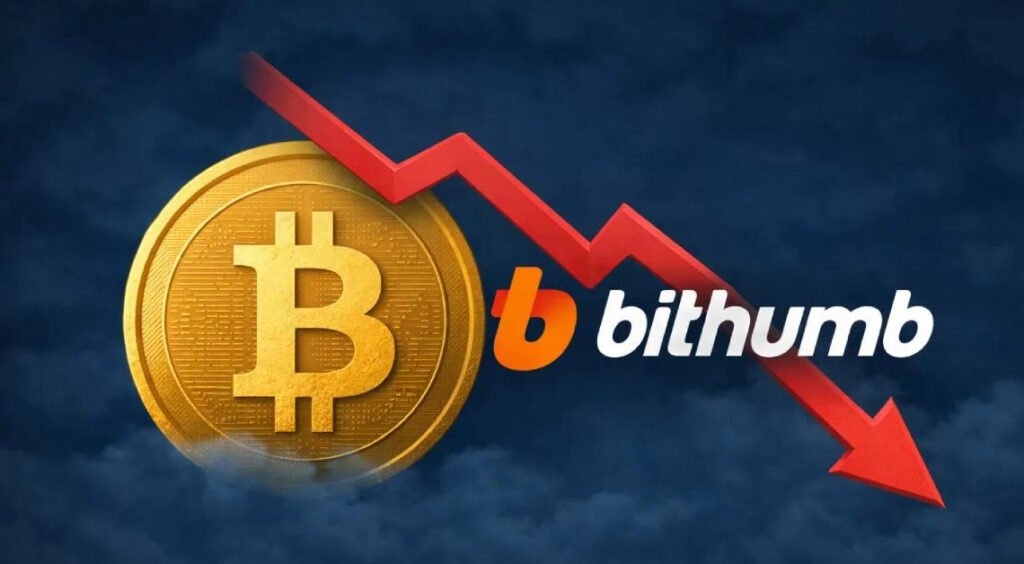
South Korean cryptocurrency exchange Bithumb suffered a major operational blunder on February 6, 2026, accidentally transferring 620,000 bitcoins—valued at approximately $44 billion—to 695 users as part of a promotional giveaway. Read More: https://theboardroompk.com/site-industrial-water-crisis-sparks-alarm-across-pakistans-economic-nerve-center/ The exchange intended to distribute small cash rewards of 2,000 Korean won ($1.37) or more but mistakenly credited winners with at least 2,000 bitcoins each, triggering immediate chaos and a brief market selloff. Massive Error in Promotional Rewards The incident stemmed from a glitch during a “random box” style promotion aimed at rewarding users with modest fiat amounts in Korean won. Instead of small cash prizes, the system erroneously sent vast quantities of Bitcoin, totaling 620,000 BTC. Bithumb acted swiftly, detecting the mistake and restricting trading and withdrawals for the affected 695 accounts within 35 minutes. The exchange emphasized that the error was internal and not the result of any external hacking or security breach, stating: “There are no problems with system security or customer asset management.” Rapid Recovery and Market Impact Bithumb successfully recovered 99.7% of the distributed bitcoins, mitigating most of the potential loss. The blunder caused Bitcoin prices on the platform to slump 17% temporarily to 81.1 million won before recovering to around 104.5 million won. The exchange issued an apology on February 7, 2026, reassuring users of asset safety. As South Korea’s second-largest crypto platform behind Upbit, Bithumb faces scrutiny over internal controls despite the quick resolution. No details emerged on potential legal repercussions or compensation for affected users, though the incident highlights risks in high-volume promotional systems amid volatile crypto markets.

SITE Industrial Water Crisis Sparks Alarm Across Pakistan’s Economic Nerve Center
Pakistan

SITE Industrial Water Crisis Sparks Alarm Across Pakistan’s Economic Nerve Center

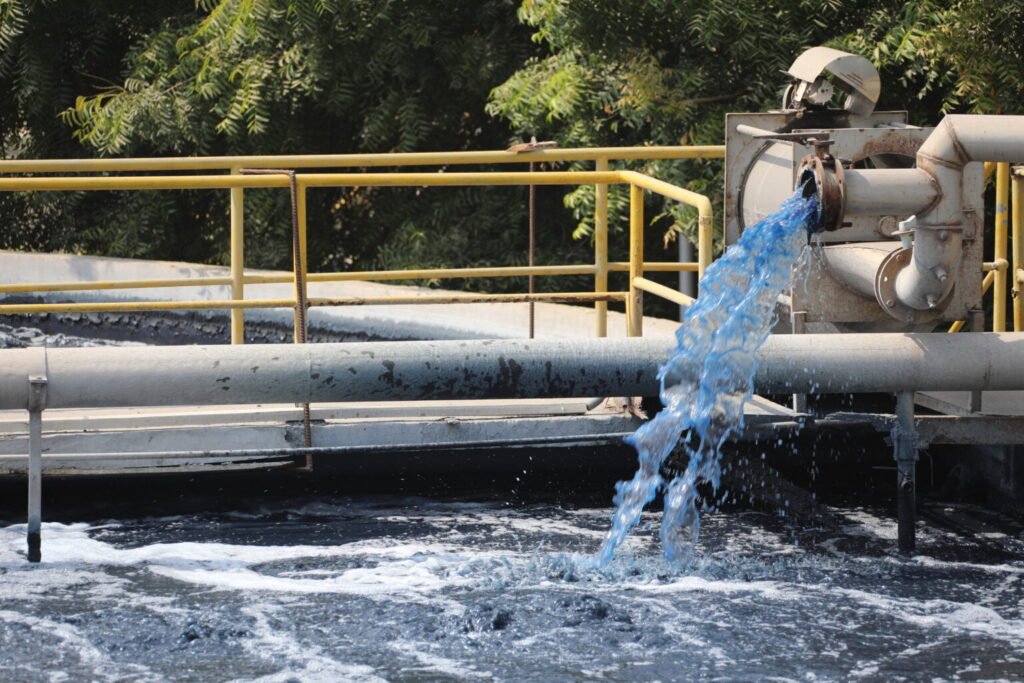
The SITE industrial water crisis has triggered a complete shutdown of industrial activity in Karachi’s Sindh Industrial Trading Estate (SITE), sending shockwaves through Pakistan’s already fragile economy. What began as a suspension of water supply late Friday has rapidly escalated into a national economic concern one that policymakers can no longer afford to ignore. Karachi, Pakistan’s financial and industrial backbone, contributes the largest share of tax revenue, exports, and employment. When its factories stop, the country feels the tremors far beyond Sindh’s borders. Why the SITE Industrial Water Crisis Is a National Emergency According to SITE Association of Industry President Ahmed Azeem Alvi, industrial operations in the SITE area have been completely paralysed due to the unavailability of water an essential input for manufacturing. Water is not just a utility for industries; it is a production lifeline. From textiles and chemicals to engineering and pharmaceuticals, nearly every industrial process in SITE depends on a stable water supply. Without it, machinery sits idle, supply chains break, and export orders stall. The immediate consequences of the SITE industrial water crisis include: • Suspension of factory operations• Daily financial losses running into millions• Heightened risk of permanent factory closures• Threats to thousands of industrial jobs If prolonged, this disruption could turn into irreversible economic damage. Industrial Paralysis in Karachi: What’s Really at Stake Exports, Employment, and Investor Confidence Karachi’s industries are among Pakistan’s largest exporters. When factories shut down: • Export shipments are delayed or cancelled• Foreign buyers lose confidence• Global supply contracts shift to competitor countries At the same time, industrial workers many of whom depend on daily wages face immediate unemployment risks. A prolonged SITE industrial water crisis could trigger mass layoffs, reducing household incomes and slowing consumption nationwide. Why Reliance on the Water Board Is No Longer Sustainable One of the most pressing concerns highlighted by industry leaders is the limited capacity of the Karachi Water and Sewerage Corporation (KWSC). Industrial demand far exceeds what the utility can realistically supply. Historically, industries have relied on sub-soil water sources to maintain operations. The suspension or disruption of these sources has left factories with no viable alternatives. Without immediate resolution of sub-soil water issues, restarting industrial production remains impossible no matter how strong the demand. Rising Costs Are Pushing Industries to the Brink The SITE industrial water crisis comes at a time when manufacturers are already under severe financial pressure. Karachi industries face: • The highest electricity tariffs in Pakistan• Elevated gas prices• Escalating industrial water charges Recent increases in water tariffs have added fuel to the fire, making production increasingly unviable. Manufacturers argue that the cost structure now forces a painful question:Should industries operate at a loss or shut down altogether? SITE Industrial Water Crisis Demands Immediate Government Action Industry leaders have urged Sindh Chief Minister Syed Murad Ali Shah, Karachi Mayor Murtaza Wahab, and senior water authorities to intervene urgently. Key demands include: • Immediate restoration of water supply to SITE industries• Priority resolution of sub-soil water issues• A realistic industrial water policy aligned with production needs• Reduction in utility tariffs to prevent industrial flight Without swift corrective measures, the damage will not remain confined to Karachi. A slowdown in industrial output directly impacts national revenue, exports, and GDP growth. The Bigger Picture: A Defining Moment for Pakistan’s Economy The SITE industrial water crisis is more than a local infrastructure failure it is a stress test for Pakistan’s economic governance. The government now faces a defining choice:Support industry and protect economic growth, or allow rising costs and utility failures to push factories into closure. As Pakistan navigates economic recovery, ensuring uninterrupted industrial utilities is no longer optional it is essential.

Scroll to Top