Author name: Usman Khan

Social Media is Playing Role in Fuelling Pakistan's Wedding Industry Growth
Pakistan

Social Media is Playing Role in Fuelling Pakistan’s Wedding Industry Growth

In recent years, social media has emerged as a powerful catalyst for the explosive growth of Pakistan’s multi-billion-rupee wedding industry, transforming traditional shaadis into highly visual, shareable spectacles designed for likes, shares, and viral fame. Read More: https://theboardroompk.com/difc-pakistan-digital-authority-to-host-first-overseas-dubai-fintech-summit/ Platforms like Instagram, TikTok, and Reels now dictate trends, from elaborate bridal looks and viral décor ideas to choreographed dance sequences and drone light shows. Families increasingly prioritize “picture-perfect” events to impress online audiences, driving up spending even amid economic pressures. Wedding planners report that the average cost of events has skyrocketed, with some families shelling out upwards of Rs5 million (or far more for lavish affairs) to create content-worthy moments that garner social validation. “Weddings have shifted from private family celebrations to public performances,” notes a Karachi-based wedding planner. “Clients now ask for ‘Instagrammable’ setups—floral arches, LED backdrops, themed Mehndi nights, and TikTok-friendly entry sequences—because they want the event to go viral.” Viral trends amplified on these platforms include:Choreographed group dances inspired by TikTok hits.Pastel or minimalist bridal aesthetics with 3D florals, dramatic dupattas, and fusion silhouettes. Luxe décor elements like hanging installations, fairy lights, and themed color palettes that photograph beautifully. This digital influence has directly boosted vendors. Photographers and videographers specializing in cinematic reels and drone footage see surging demand, as couples seek high-quality content for posting. Decorators adapt quickly to trending looks shared by influencers, while planners use social media portfolios to attract clients. Digital marketing has become essential: vendors showcase work via targeted ads, reels, and hashtags, turning platforms into primary lead generators. The rise of wedding expos and fairs in urban hubs like Karachi, Lahore, and Islamabad further accelerates this growth. Events such as Shadiyana Wedding Bazaar (with editions in all three cities), Shaadi Expo Pakistan, and The Wedding Fair draw thousands of attendees annually. These expos feature 100+ stalls for venues, bridal couture, jewelers, decorators, and planners, allowing couples to discover trends in person while vendors network and secure bookings. In 2025, these fairs reported heightened attendance, fueled by social media buzz—many events promote heavily on Instagram and TikTok to build hype. Experts estimate Pakistan’s wedding sector contributes billions annually, with Karachi alone adding around Rs33 billion to the local economy in 2025 through allied services. Social media’s role is undeniable: it not only amplifies aspirational spending but also creates new opportunities for innovation in a traditionally lavish industry. However, this trend sparks debate. While it modernizes celebrations and boosts businesses, critics highlight how it fuels consumerism, social pressure, and even tax scrutiny—Pakistan’s Federal Board of Revenue now monitors lavish wedding posts on Instagram and TikTok for potential evasion. As platforms evolve, social media’s grip on Pakistani weddings shows no signs of loosening—turning every shaadi into both a cultural milestone and a digital statement.

PSX Plunges 17,000 Points Since its Peak in January as Geopolitical Fears Trigger 9% Correction
Business

PSX Plunges 17,000 Points Since its Peak in January as Geopolitical Fears Trigger 9% Correction

The Pakistan Stock Exchange (PSX) has experienced a significant correction in February 2026, with the benchmark KSE-100 Index shedding approximately 17,000 points (around -9%) from its all-time peak in January 2026. Read More: https://theboardroompk.com/foreign-exchange-reserves-of-pakistan-steady-growth-amid-market-fluctuations/ The index hit a record high of 191,032.73 points in late January, amid a strong bull run earlier in the year, but has since declined sharply due to persistent selling pressure. As of February 19, 2026 (close), the KSE-100 settled at 172,170.29 points, reflecting a steep single-day drop of 6,683 points (-3.74%)—marking one of the largest point declines in PSX history. This was driven by heightened geopolitical risks, rising global oil prices, institutional redemptions, and increased risk aversion among investors. The slide has erased substantial market capitalization (e.g., over Rs700 billion in the latest major session) and impacted key sectors heavily. According to the JS Global research report (REP-084, dated February 20, 2026), the major laggard sectors contributing to the index’s decline since the January peak include: Fertilizer: -3,934 points (-23.2% contribution)Commercial Banks: -2,819 points (-16.6%)Oil & Gas Exploration Companies: -2,812 points (-16.5%)Cement: -2,092 points (-12.3%)Oil & Gas Marketing Companies: -998 points (-5.9%) The top laggard stocks dragging the index down were led by Fauji Fertilizer Company Ltd (-2,826 points, -16.6% contribution), followed by Pakistan Petroleum Ltd, Oil & Gas Development Company Ltd, Engro Fertilizers Ltd, and others in energy, cement, and power sectors. Waqas Ghani Kukaswadia, Research Head at JS Global, commented: “The move was triggered by heightened geopolitical risks, which weakened sentiment and raised risk aversion. This was then exacerbated by higher redemptions triggering institutional selling. Now, drawdowns of this scale are uncomfortable but they are a part of market normalization after a strong rally. Focus should be less on the sell-off itself and more on whether earnings momentum and macro stability remain intact.” Despite the recent volatility—including multiple sharp daily drops in mid-to-late February—the index remains significantly higher year-over-year (around +50% in some comparisons), reflecting the broader positive momentum from 2025-early 2026 before this normalization phase.

PVC Prices Jump $50 to $740, Margin Hits Decade High on China Rebate Removal Anticipation
Pakistan

PVC Prices Jump $50 to $740, Margin Hits Decade High on China Rebate Removal Anticipation

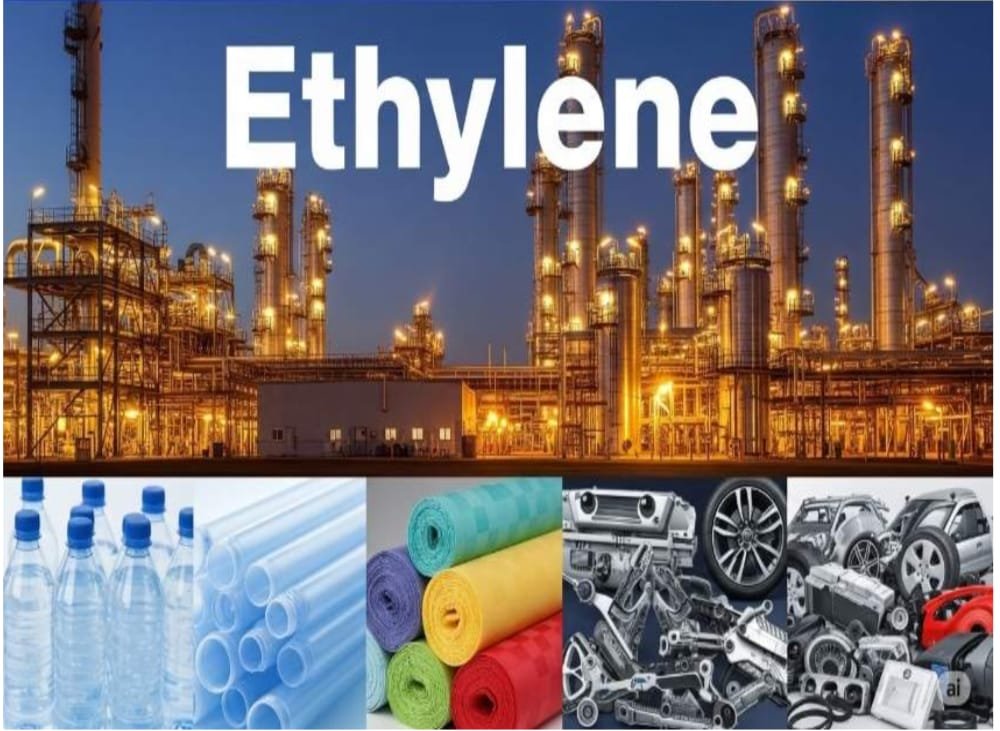
PVC prices climbed USD 50 per ton week-on-week to USD 740 per ton as of February 16, 2026. This pushed the core PVC-Ethylene delta to USD 402 per ton, surpassing the 10-year median of USD 393 per ton by 13% on a weekly basis. The surge stems from elevated freight costs and strong buying interest. Market participants are positioning ahead of China’s planned removal of the export VAT rebate for PVC, effective April 1, 2026. The current 13% rebate has supported exports; its elimination is expected to raise effective costs for Chinese exporters and tighten global supply dynamics. Meanwhile, Ethylene prices rose modestly by USD 10 per ton to USD 690 per ton, tracking gains in crude oil and naphtha benchmarks. This contributed to the improved PVC-Ethylene margin of USD 45 week-on-week. Broader Polyester Chain Shows Mixed Trends In the polyester segment, PTA prices edged up USD 5 per ton to USD 690 per ton, while PX held steady at USD 905 per ton. The PTA-PX spread widened slightly to USD 93 per ton, up USD 5 week-on-week. PSF (polyester staple fiber) margins improved, with PSF-PTA-MEG delta reaching USD 267 per ton, a USD 13 gain. MEG prices fell USD 15 per ton to USD 445 per ton, reflecting softer demand pressures in downstream applications. Overall, the weekly trends chart illustrates PVC-Ethylene margins rebounding sharply in early 2026, recovering from lows in late 2025, while polyester indicators show gradual stabilization. These developments point to selective margin recovery in chlor-vinyl chains, supported by policy anticipation and feedstock alignment, though polyester remains under varied influences.

From Chips to High-Speed Rails: India's USD 133B Capex Push Signals Self-Reliance Drive
World

From Chips to High-Speed Rails: India’s USD 133B Capex Push Signals Self-Reliance Drive

The Indian Union Budget for 2026-27, unveiled on February 1 by Finance Minister Nirmala Sitharaman, arrived amid escalating global trade tensions, regional conflicts, and volatile financial markets. Aimed at sustaining economic growth and shielding businesses from external shocks, the document prioritized fiscal prudence over bold reforms. However, it fell short of investor expectations, triggering a sharp market downturn. What began as a green opening for the BSE Sensex and Nifty 50 quickly soured as the speech unfolded, with heavy selling pressure culminating in the indices closing deep in the red. Market Reaction: A Six-Year Low The Sensex plummeted 1,500 points, or 1.88%, marking its worst Budget Day performance since 2020. The Nifty shed 495.2 points, reflecting widespread disappointment. Investors had hoped for measures to bolster capital markets and reassure foreign players, but the absence of such incentives—coupled with a surprise tax hike—sparked the rout. High-frequency traders and institutional funds led the exodus, amplifying the volatility in derivatives segments. Tax Hike Spotlight: STT Surge Hits Traders Hard At the heart of the backlash was the elevation of Securities Transaction Tax (STT) on futures and options trading. The rate on futures jumped 150% from 0.02% to 0.05% of the traded price, while options premiums rose from 0.1% to 0.15%, and exercise portions from 0.125% to 0.15%. Though incremental, these changes disproportionately burden day traders executing multiple transactions. Critics argue the move, intended to curb speculation, could dampen liquidity in India’s booming derivatives market, valued at trillions annually. Broader fiscal targets remained steady, with the deficit pegged at 4.4% of GDP, but the lack of pro-market sops overshadowed positives like a 9% hike in capital expenditure to USD 133 billion. The budget’s conservative stance underscores India’s strategy to navigate uncertainties, yet the immediate market verdict highlights a trust deficit. As global eyes watch, policymakers may need swift clarifications to stem further outflows.

Govt Repays Rs3.65 Trillion, But Total Public Debt Still Hovers Near Rs80 Trillion Mark
Pakistan

Govt Repays Rs3.65 Trillion, But Total Public Debt Still Hovers Near Rs80 Trillion Mark

Islamabad: In a significant step toward fiscal consolidation, the Government of Pakistan today completed the early retirement of PKR 300 billion in debt owed to the State Bank of Pakistan (SBP), pushing the cumulative early repayments of domestic debt to an unprecedented PKR 3,654 billion since late 2024. Advisor to the Finance Minister Khurram Schehzad announced the development on social media, describing it as the first time in the country’s history that such large-scale advance debt retirements have occurred. The latest tranche marks the continuation of a deliberate strategy to reduce reliance on central bank financing and improve the overall debt profile. The repayment journey began in December 2024 with PKR 1,000 billion retired ahead of schedule, followed by major tranches: PKR 500 billion in June 2025, PKR 1,160 billion in August 2025, PKR 200 billion in October 2025, PKR 494 billion in December 2025, and now PKR 300 billion in January 2026. In the current fiscal year alone (July 2025–January 2026), early retirements have exceeded PKR 2,150 billion—44% higher than the previous fiscal year’s efforts.According to Schehzad, these actions have slashed SBP-held debt by nearly 44%, bringing it down from approximately PKR 5,500 billion to around PKR 3,000 billion—well ahead of original maturities extending to 2029. Of the total early repayments, about 65% targeted SBP obligations, 30% involved Treasury Bills, and 5% Pakistan Investment Bonds (PIBs). The initiative has contributed to a healthier debt structure. Total public debt has edged lower from over PKR 80.5 trillion in June 2025 to roughly PKR 80 trillion by November 2025. The debt-to-GDP ratio has improved to around 70%, down from higher levels in earlier years (e.g., 74% in FY22), aligning with recent IMF estimates projecting stabilization in the mid-70s range for 2026. Beyond headline figures, officials emphasize tangible benefits: massive interest savings (over PKR 850 billion realized in FY25, with another PKR 800 billion+ anticipated in FY26), reduced rollover and refinancing risks, extended average domestic debt maturity (from 2.7 years in FY24 to over 4.0 years), and greater fiscal space for development spending and social programs. Schehzad highlighted that sustainable metrics—such as debt-to-GDP, repayment capacity, and interest burden—matter far more than per-capita debt comparisons, noting that advanced economies like Japan, the US, and Italy carry much higher per-person burdens without facing similar scrutiny. While challenges persist—including ongoing external debt management and power sector obligations—these early retirements signal a shift from chronic borrowing toward responsible repayment and credibility-building. The move coincides with broader positive signals, including strong global investor interest in recent roadshows and forecasts of stable inflation (around 5–7%) and modest GDP growth (3.5–4.4%) in coming years.This fiscal reset, government sources say, underscores Pakistan’s commitment to long-term economic resilience and disciplined governance.

OGDC, PPL, MARI, POL Get Billions of Rupees Tax Relief from Constitution Court
Uncategorized

OGDC, PPL, MARI, POL Get Billions of Rupees Tax Relief from Constitution Court

IslamabadIn a landmark decision with major implications for Pakistan’s fiscal landscape and energy sector, the Federal Constitutional Court (FCC) on January 27, 2026, upheld the constitutional validity of the super tax imposed under Section 4C of the Income Tax Ordinance. The ruling, delivered by Chief Justice Aminuddin Khan, dismissed the majority of petitions challenging the tax, securing an estimated Rs300-310 billion in revenue for the national exchequer. The super tax, originally introduced in 2015 and later expanded, applies additional levies on high-income entities, particularly those earning above specified thresholds. The FCC’s verdict confirmed its retrospective application for tax year 2022 and upheld rates up to 15% for certain sectors. The court also clarified exemptions for entities like Modarabas, mutual funds, and benevolent funds, while rejecting broad challenges to the tax’s legality. However, the decision delivered targeted relief to Pakistan’s Exploration and Production (E&P) companies in the oil and gas sector. The court ruled that super tax charges for these firms must align strictly with the limits set in their respective Petroleum Concession Agreements (PCAs) under the Fifth Schedule of the Income Tax Ordinance. It directed tax commissioners to re-evaluate each company’s liability on a case-by-case basis, ensuring no super tax is imposed beyond the ceilings stipulated in Rule 4 of the Fifth Schedule and applicable concession terms from 1948 onward. This carve-out is seen as a significant win for major listed E&P players, including Oil and Gas Development Company Limited (OGDC), Pakistan Petroleum Limited (PPL), Mari Petroleum Company Limited (MARI), and Pakistan Oilfields Limited (POL). Brokerage firm Topline Securities, in a research note released shortly after the verdict, highlighted potential reversals of prior provisions totaling around Rs194 billion across listed companies. Analysts estimate per-share earnings boosts ranging from Rs22-28, with recurring annual earnings improvements of 6-14% depending on individual PCA headroom and final commissioner assessments. The ruling arrives amid ongoing fiscal pressures, including IMF recommendations to maximize super tax recoveries to bridge revenue shortfalls. The Federal Board of Revenue (FBR) has indicated expectations of Rs150-200 billion in collections in the current quarter alone, bolstering public finances without broad new impositions.Industry observers note that while the overall super tax framework remains intact—providing long-sought clarity after years of litigation—the E&P exemption safeguards contractual stability in Pakistan’s upstream energy sector. This could ease investor concerns over retrospective tax burdens, potentially supporting exploration activities and foreign investment inflows at a time when the government seeks to enhance domestic hydrocarbon production.The decision also partially set aside certain high court rulings on the matter, reinforcing parliamentary authority to enact such fiscal measures. Detailed judgment is awaited, but the short order has already triggered positive sentiment in energy stocks on the Pakistan Stock Exchange.The verdict balances revenue imperatives with sector-specific protections, marking a pragmatic resolution to prolonged tax disputes in one of Pakistan’s most strategic industries.

Pakistan's Motorcycle Industry: 1.89 Million Units Produced as Sector Defies Economic Odds
Auto

Pakistan’s Motorcycle Industry: 1.89 Million Units Produced as Sector Defies Economic Odds

KARACHI: Pakistan’s motorcycle industry has reported a remarkable recovery in 2025, recording a historic 35% year-on-year increase in sales. This growth comes as a significant indicator of economic resilience, proving that demand for affordable mobility remains robust despite broader inflationary pressures. According to the latest data for the period of January to December 2025, the country produced a total of 1,898,767 motorcycles. The 70cc category remains the backbone of the market, accounting for over 1.09 million units sold, while the 125cc segment followed with 579,127 units. The growth was spread across various engine capacities, with 70cc bikes seeing a 56% jump and 125cc models growing by 32%. Mid-tier 100cc and 150cc categories also saw modest gains of 10% and 2% respectively, reflecting a diverse consumer preference for both economy and performance. Industry leaders showed exceptional performance; Unique led the pack with a staggering 90% growth, followed by United Motors at 51% and Hi-Speed at 60%. Market giant Honda also maintained strong momentum with a 32% increase in its sales volume. Industry expert Sabir Sheikh noted that this “speedy recovery” is a vital sign for the national economy. He highlighted that the surge will not only create more jobs but also stabilize the local supply chain and provide much-needed relief to the country’s vast network of dealers and parts manufacturers.

Auto Sector Profit Expected Jump 35% in Q2-FY26
Auto

Auto Sector Profit Expected Jump 35% in Q2-FY26

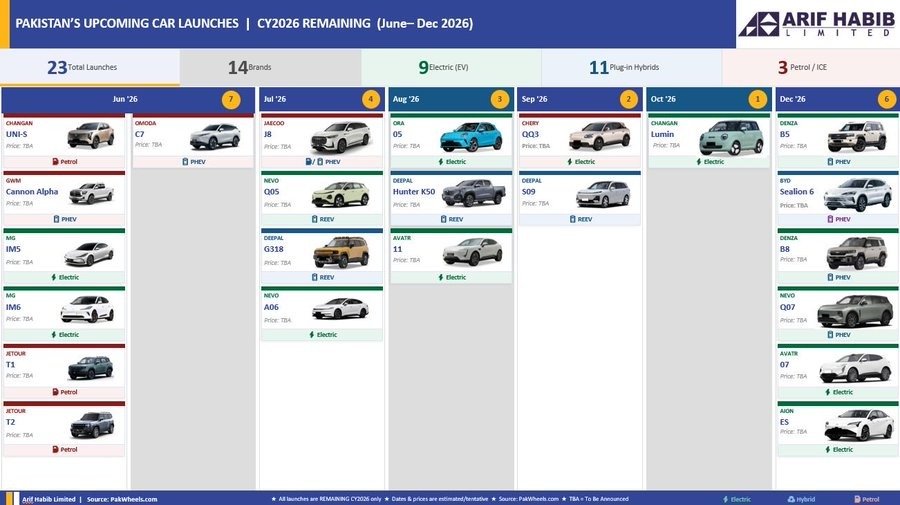
Pakistan’s automobile sector is experiencing a strong revival in fiscal year 2026 (FY26), with leading brokerage firm Topline Securities projecting robust profitability gains for major listed players in the second quarter (Q2 FY26, October–December 2025). According to Topline’s latest preview released on January 23, 2026, the “Topline auto universe”—primarily encompassing key assemblers like Indus Motor Company (INDU) (Toyota), Honda Atlas Cars (HCAR), and others—is expected to deliver 35% year-on-year (YoY) and 19% quarter-on-quarter (QoQ) growth in profitability. This surge is primarily fueled by a sharp 45% YoY increase in sales volumes, reaching approximately 27,821 units during the quarter, alongside a 36% QoQ rise.The momentum builds on a broader sector recovery. In the first half of FY26 (July–December 2025), total sales of cars, light commercial vehicles (LCVs), pickups, and vans climbed 46% YoY to 88,322 units, up from 60,676 units in the same period last year. This rebound follows several years of contraction triggered by high interest rates, currency volatility, and import restrictions.December 2025 showed solid demand despite a typical year-end slowdown, with passenger car sales rising 35% YoY to around 13,300 units, though down 14% month-on-month due to registration delays and buyers deferring purchases into the new calendar year. Two-wheeler sales remained particularly strong, supported by dominant players like Atlas Honda.Key performers in Q2 FY26 are anticipated to include:Indus Motor Company (INDU), assembler of Toyota vehicles, which is projected to post around 32% YoY earnings growth. Strong recovery in models like Corolla, Yaris, and Cross—along with SUVs like Fortuner and Revo—has driven volumes higher, benefiting from improved gross margins and new model introductions. Honda Atlas Cars (HCAR), showing even sharper momentum with expected 34% YoY (or higher in some estimates) earnings per share improvement. Honda’s sedans (Civic and City) and SUVs (BR-V, HR-V) have seen significant uptake, reinforcing its position in the premium segment. The sector’s turnaround is underpinned by several favorable macro factors: easing interest rates, which have revived auto financing; relative PKR stability; declining inflation; and improved consumer confidence. New model launches, including hybrids and more affordable variants, have also played a role in stimulating demand.However, challenges persist. December’s MoM dip highlights seasonal patterns, while rising SUV imports—particularly from Chinese brands like Changan, Haval, and emerging players—signal growing competition and potential risks from import dependency in 2026. Analysts note that while Japanese brands (Toyota, Honda, Suzuki) still dominate, Chinese assemblers are gaining share through competitive pricing, better features, and localization efforts.Topline’s outlook aligns with industry-wide optimism, as the sector contributes meaningfully to large-scale manufacturing (LSM) growth and reflects broader economic stabilization. With policy continuity and sustained low borrowing costs, the auto industry could extend its recovery trajectory, though vigilance on external account pressures and import dynamics remains essential.

Pakistan Commits Rs. 100.36 Billion to Electrify Transport by 2030 Under NEVP
Pakistan

Pakistan Commits Rs. 100.36 Billion to Electrify Transport by 2030 Under NEVP

The Government of Pakistan has committed a substantial Rs. 100.36 billion in total subsidies through 2030 to accelerate the country’s shift toward cleaner transport under the New Energy Vehicles Policy (NEVP) 2025–2030.This ambitious initiative covers electric bikes, rickshaws, loaders, cars, buses, and trucks, aiming to reduce dependence on imported fossil fuels, curb carbon emissions, and foster domestic EV manufacturing. Read More: https://theboardroompk.com/how-this-pakistani-man-levelled-up-post-layoff-with-library-study-and-networking-in-canada/ The policy marks a pivotal step in addressing Pakistan’s energy and environmental challenges. The transport sector consumes around 79% of the nation’s oil demand, contributing heavily to foreign exchange outflows and air pollution in urban centres like Karachi and Lahore, according to Asim Ayaz, General Manager of Policy at the Engineering Development Board. By promoting electric vehicles (EVs), particularly two- and three-wheelers that dominate local mobility, the NEVP targets 30% of new vehicle sales to be electric by 2030. This is expected to save billions in fuel imports—potentially up to $1 billion annually—while cutting greenhouse gas emissions by millions of tons and creating green jobs in manufacturing and infrastructure. The flagship Pakistan Accelerated Vehicle Electrification (PAVE) Scheme, implemented by the Engineering Development Board (EDB) under the Ministry of Industries and Production, is now operational. Phase-I, launched following e-balloting in late 2025, provides subsidies for 41,000 vehicles: 40,000 electric bikes and 1,000 electric rickshaws/loaders. Successful applicants under the Self Finance Scheme receive up to Rs. 80,000 directly reimbursed by the State Bank of Pakistan after vehicle purchase and registration. The Bank Lease Scheme offers subsidized installments for easier access. As of January 21, 2026, subsidy transfers have commenced for the first verified beneficiaries, signaling the scheme’s move from planning to real-world impact. Coordination among EDB, State Bank, PITB, NADRA, banks, and approved manufacturers ensures transparent, digital verification. Only registered EVs qualify, preventing misuse. Phase-II will expand to an additional 78,170 vehicles with Rs. 8.95 billion in subsidies during 2025–26, building momentum toward broader categories like cars, buses, and trucks. The NEVP also envisions infrastructure growth, including 3,000 charging stations nationwide by 2030, battery swapping, and vehicle-to-grid integration to utilize surplus electricity. Beneficiaries have welcomed the move, citing affordable cleaner mobility amid rising fuel costs. For many in low- and middle-income groups, especially rickshaw drivers and delivery riders, subsidies make EVs viable alternatives to petrol vehicles. Experts view this as a strategic response to global trends and local needs—lowering healthcare costs from pollution, boosting local industry (with dozens of licensed EV manufacturers), and aligning with renewable energy growth. Challenges remain, including charging infrastructure rollout and battery supply chains, but the subsidy commitment underscores sustained government resolve. This policy positions Pakistan to join regional EV leaders, transforming transport into a sustainable, efficient sector for future generations.

Scroll to Top