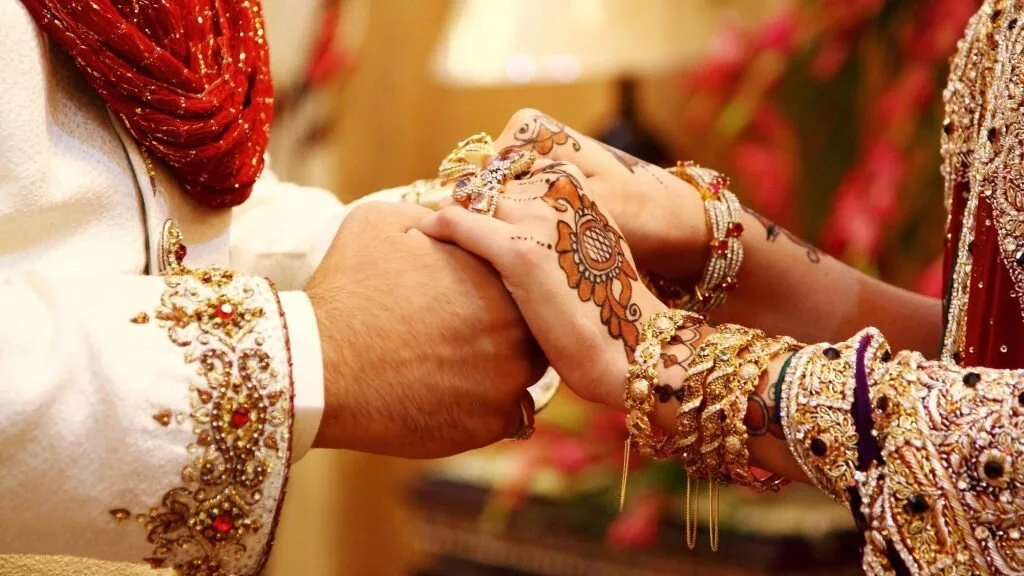
In recent years, social media has emerged as a powerful catalyst for the explosive growth of Pakistan’s multi-billion-rupee wedding industry, transforming traditional shaadis into highly visual, shareable spectacles designed for likes, shares, and viral fame. Read More: https://theboardroompk.com/difc-pakistan-digital-authority-to-host-first-overseas-dubai-fintech-summit/ Platforms like Instagram, TikTok, and Reels now dictate trends, from elaborate bridal looks and viral décor ideas to choreographed dance sequences and drone light shows. Families increasingly prioritize “picture-perfect” events to impress online audiences, driving up spending even amid economic pressures. Wedding planners report that the average cost of events has skyrocketed, with some families shelling out upwards of Rs5 million (or far more for lavish affairs) to create content-worthy moments that garner social validation. “Weddings have shifted from private family celebrations to public performances,” notes a Karachi-based wedding planner. “Clients now ask for ‘Instagrammable’ setups—floral arches, LED backdrops, themed Mehndi nights, and TikTok-friendly entry sequences—because they want the event to go viral.” Viral trends amplified on these platforms include:Choreographed group dances inspired by TikTok hits.Pastel or minimalist bridal aesthetics with 3D florals, dramatic dupattas, and fusion silhouettes. Luxe décor elements like hanging installations, fairy lights, and themed color palettes that photograph beautifully. This digital influence has directly boosted vendors. Photographers and videographers specializing in cinematic reels and drone footage see surging demand, as couples seek high-quality content for posting. Decorators adapt quickly to trending looks shared by influencers, while planners use social media portfolios to attract clients. Digital marketing has become essential: vendors showcase work via targeted ads, reels, and hashtags, turning platforms into primary lead generators. The rise of wedding expos and fairs in urban hubs like Karachi, Lahore, and Islamabad further accelerates this growth. Events such as Shadiyana Wedding Bazaar (with editions in all three cities), Shaadi Expo Pakistan, and The Wedding Fair draw thousands of attendees annually. These expos feature 100+ stalls for venues, bridal couture, jewelers, decorators, and planners, allowing couples to discover trends in person while vendors network and secure bookings. In 2025, these fairs reported heightened attendance, fueled by social media buzz—many events promote heavily on Instagram and TikTok to build hype. Experts estimate Pakistan’s wedding sector contributes billions annually, with Karachi alone adding around Rs33 billion to the local economy in 2025 through allied services. Social media’s role is undeniable: it not only amplifies aspirational spending but also creates new opportunities for innovation in a traditionally lavish industry. However, this trend sparks debate. While it modernizes celebrations and boosts businesses, critics highlight how it fuels consumerism, social pressure, and even tax scrutiny—Pakistan’s Federal Board of Revenue now monitors lavish wedding posts on Instagram and TikTok for potential evasion. As platforms evolve, social media’s grip on Pakistani weddings shows no signs of loosening—turning every shaadi into both a cultural milestone and a digital statement.