Editor pick

Standard Chartered Pakistan has announced the appointment of Adil Salahuddin as its new Chief Executive Officer
Editor pick

Standard Chartered Pakistan Has Announced The Appointment Of Adil Salahuddin As Its New Chief Executive Officer

Standard Chartered Pakistan has announced the appointment of Adil Salahuddin as its new Chief Executive Officer & Head of Coverage, subject to regulatory and statutory approvals. The appointment reinforces the bank’s long-term commitment to Pakistan, one of its oldest and most established international markets. Adil Salahuddin Named CEO of Standard Chartered Pakistan Standard Chartered Pakistan confirmed the appointment of Adil Salahuddin as Chief Executive Officer & Head of Coverage on July 13, 2026. His appointment remains subject to the required regulatory and statutory approvals. The bank said the leadership change reflects its continued confidence in Pakistan’s long-term economic potential and its commitment to strengthening relationships with clients across the country. Standard Chartered Reaffirms Commitment to Pakistan Commenting on the appointment, Rola Abu Manneh, Chief Executive Officer, UAE, Middle East and Pakistan, Standard Chartered, said Pakistan remains an important market for the bank and one of its longest-established franchises. She highlighted the bank’s deep client relationships, strong local presence, and extensive international network, adding that Adil Salahuddin’s appointment reflects Standard Chartered’s confidence in the country’s long-term growth prospects. According to her, the bank’s global network continues to provide clients with access to international trade, investment, and capital flow opportunities while supporting Pakistan’s economic development. Veteran Banker Brings Three Decades of Experience Adil Salahuddin brings more than 30 years of banking experience, including 25 years with Standard Chartered. He has held several senior leadership positions across Markets and Coverage in Pakistan, the United Arab Emirates, and Saudi Arabia. Before relocating to Dubai in April 2021, he served as Head of Markets in Pakistan for five years. In Dubai, he led the Corporate Sales business across the Middle East, Pakistan, and Africa. Over the past four months, he has served as Head of Coverage in Pakistan before being selected for the CEO role. Standard Chartered Strengthens Leadership for Future Growth The bank expects Adil Salahuddin’s extensive regional experience, client knowledge, and leadership expertise to further strengthen its franchise in Pakistan. Standard Chartered aims to continue supporting clients as they navigate changing global trade, investment, and capital flows while expanding opportunities through its international network. Standard Chartered Continues 163-Year Legacy in Pakistan Standard Chartered has been operating in Pakistan since 1863 and remains the country’s oldest and largest international bank. The bank serves Corporate & Institutional Banking as well as Wealth and Retail Banking customers through a wide range of financial products and services, including Islamic banking solutions under the Standard Chartered Saadiq brand.


JF-17 Success Highlights Pakistan’s Aerospace is Better Than its Auto Sector
Editor pick

JF-17 Success Highlights Pakistan’s Aerospace is Better Than its Auto Sector

Pakistan’s automobile industry has struggled to achieve meaningful exports despite decades of protection and substantial subsidies, while the aerospace sector has emerged as a success story with the JF-17 Thunder fighter jet gaining international recognition. Policy Failures in Auto Industry The auto sector has long operated as a protected domestic market. Foreign assemblers benefited from limited competition and generous policies without facing strong export obligations or global quality pressures. Government policies emphasised narrow localisation targets. Agencies micromanaged imports, locking the industry into outdated technologies amid rapid global advancements in electronics and manufacturing. Contrast with Aerospace Success In contrast, Pakistan developed the JF-17 Thunder in collaboration with China. Around 60% of components are produced locally, enabling control over production, maintenance, and upgrades. The JF-17 is priced between $25-40 million, roughly one-third the cost of competitors like the Eurofighter or Rafale. It has earned praise at international airshows, including Dubai, and secured export interest. Pakistan’s auto exports remain negligible. Passenger vehicle exports are zero, while auto parts exports (excluding tyres) stand at just over $20 million — far below peers like Indonesia, India, and Vietnam. Auto Industry Struggles Despite Government Support The government provided over Rs250 billion in subsidies under older SROs, yet assemblers resisted export targets in the 2021-26 Auto Policy through court stays. Countries like Turkiye, Thailand, and Mexico export over $10 billion annually in vehicles and parts. Need for Export-Led Growth and Innovation Experts urge a shift towards export-led growth and integration into global value chains. Success stories like the Long Tyre collaboration and entrepreneur Shahid Khan’s bumper manufacturing highlight potential in auto parts. The National Tariff Policy 2025-30 offers a chance to move from import substitution to competitiveness. The auto sector must embrace electric vehicles and new technologies, mirroring aerospace achievements through innovation and global integration. A Roadmap for Pakistan’s Manufacturing Future The contrasting performance of Pakistan’s aerospace and automobile industries highlights the importance of innovation, technology adoption, and export-oriented policies. Industry experts believe sustained competitiveness, stronger integration into global supply chains, and a focus on advanced manufacturing will be essential for transforming the country’s auto sector into a major export contributor.

Trump Warns Iran of ‘Complete Decimation’ Over Assassination Threats
Editor pick

Trump Warns Iran of ‘Complete Decimation’ Over Assassination Threats

US President Donald Trump on Friday warned that the United States would “completely decimate” Iran if it attempted or carried out an assassination against the sitting US president. The remarks, made on his social media platform Truth Social, come amid ongoing tensions between Washington and Tehran and follow recent reports of alleged threats against Trump. Trump Issues Strong Warning to Iran In a post on Truth Social, Trump said Iran would face devastating military consequences if it acted on what he described as assassination threats directed at the US president. He claimed that “1,000 missiles are locked and loaded” and aimed at Iran, adding that thousands more would immediately follow if any assassination attempt were carried out. Trump also stated that military orders had already been issued and that US forces would remain prepared to respond for up to one year, with the option of extending that timeframe if necessary. Trump Threatens Overwhelming Military Response According to Trump, the United States military stands “ready, willing, and able” to launch a large-scale response if Iran were to target the US president. He warned that any assassination attempt would trigger an immediate military retaliation and said the United States would “completely decimate and destroy all areas of Iran.” However, Trump did not provide evidence to support his claim that Iran was actively planning an assassination attempt. US-Iran Tensions Remain High Relations between the United States and Iran have remained strained for years over issues including regional security, economic sanctions, Iran’s nuclear program, and military confrontations across the Middle East. Trump’s latest statement adds to the escalating rhetoric between the two countries and is expected to draw international attention as governments continue monitoring developments affecting regional stability. No Immediate Response from Iran At the time of publication, neither the Iranian government nor US national security officials had issued an immediate public response to Trump’s latest remarks. The statement comes as geopolitical tensions in the Middle East remain elevated, with policymakers and global markets closely watching developments between Washington and Tehran.

Israel Shares Intelligence with US on Alleged Iranian Plot to Kill Trump
Editor pick

Israel Shares Intelligence with US on Alleged Iranian Plot to Kill Trump

Israel has shared new intelligence with the United States pointing to an alleged Iranian plot to kill President Donald Trump. The Wall Street Journal reported the development on Thursday, citing people familiar with the matter. The disclosure comes at a time of heightened military tensions between Washington and Tehran. Alleged Plot and Its Background The intelligence reportedly revives long-standing Iranian threats against Trump. These threats are linked to the January 2020 US drone strike that killed Iranian General Qassem Soleimani. Iran had repeatedly vowed retaliation for that operation carried out during Trump’s first term. The new information could further escalate the already fragile situation in the region. The Wall Street Journal report did not provide specific details about the timing or nature of the alleged plot. Israeli Embassy officials in Washington declined to comment on the matter. Iran’s Mission to the United Nations did not immediately respond to requests for comment. US-Israel Coordination Amid Recent Escalation The report emerges against the backdrop of direct military exchanges between the two countries in recent days. Iran launched strikes on US military infrastructure in Bahrain, Kuwait, Qatar and Jordan. These actions were described as retaliation for earlier US strikes on Iranian targets. President Trump addressed the threats while speaking at the NATO Summit in Ankara. “They want to take out the US leader—me,” he said. “I’m on every list. I saw this morning, I’m on every single one of their lists. And so far, I guess I’ve been a little bit lucky, but that maybe doesn’t last very long.” Trump and Israeli Prime Minister Benjamin Netanyahu spoke by phone on Thursday. Both sides agreed to continue close coordination on security matters. The White House referred questions about the intelligence to the President’s earlier public remarks. Ongoing Situation Further developments are expected as Washington and Tehran remain locked in heightened tensions, with international observers closely monitoring the evolving security situation and any official confirmation regarding the reported intelligence.

Pakistan Grid Stability Enhancement Project: World Bank Approves $375.9 Million to Transform Power Transmission
Editor pick

Pakistan Grid Stability Enhancement Project: World Bank Approves $375.9 Million to Transform Power Transmission

Pakistan has taken a major step toward addressing its long-standing electricity challenges after securing $375.9 million in financing from the World Bank for the Pakistan Grid Stability Enhancement Project. The investment is expected to modernize the country’s aging transmission infrastructure, reduce costly power disruptions, and unlock the full potential of renewable energy. Approved by the World Bank’s Board of Executive Directors, the project represents the first phase of the Boosting Energy Security through Transmission in Pakistan (BEST-PAK) Multiphase Programmatic Approach, a 10-year initiative designed to reshape Pakistan’s national electricity transmission network and improve the country’s energy security. Pakistan Grid Stability Enhancement Project Targets the Weakest Link in the Power Sector For years, Pakistan’s energy sector has struggled not only with electricity generation but also with an outdated transmission network that prevents power from reaching consumers efficiently. Even when sufficient electricity is available, transmission bottlenecks and unstable grid operations often lead to power outages, higher operating costs, and significant financial losses. The Pakistan Grid Stability Enhancement Project directly addresses these structural weaknesses by introducing advanced transmission technologies capable of improving voltage stability and grid reliability across the country. According to the World Bank, strengthening the transmission network will improve electricity supply for households, commercial businesses, industries, and investors while creating a more resilient power system capable of supporting future economic growth. World Bank Says Energy Reform Is Critical for Pakistan’s Economy World Bank Country Director for Pakistan, Bolormaa Amgaabazar, emphasized that Pakistan’s electricity challenges are closely connected to the country’s broader economic performance. She noted that investments in resilient transmission infrastructure and modern grid technologies can lower electricity costs, improve operational efficiency, increase renewable energy integration, and strengthen the overall performance of Pakistan’s power sector. Reliable electricity remains one of the most important requirements for industrial productivity, export competitiveness, foreign investment, and sustainable economic development. Without major improvements in transmission infrastructure, Pakistan risks limiting the benefits of future investments in electricity generation. Pakistan Grid Stability Enhancement Project Will Unlock Hundreds of Megawatts of Clean Energy A central objective of the Pakistan Grid Stability Enhancement Project is to eliminate transmission constraints that currently prevent renewable energy from reaching consumers. The project includes the installation of advanced Static Synchronous Compensators (STATCOMs) at three major 500-kilovolt substations, alongside fixed reactors and capacitor banks at 26 grid substations across the country. These upgrades are expected to unlock approximately 640 megawatts of wind energy that is currently being curtailed because of transmission limitations. As a result, Pakistan will be able to fully utilize nearly 1,840 megawatts of wind generation capacity in southern regions while also integrating approximately 491 megawatts of planned private-sector renewable energy projects into the national grid. This development could significantly reduce dependence on expensive imported fuels while supporting Pakistan’s transition toward cleaner electricity generation. Supporting Pakistan’s Renewable Energy and Climate Goals The project also aligns with Pakistan’s commitment to increase renewable energy’s share in the national electricity mix to 60 percent by 2030 under its Nationally Determined Contribution to the Paris Agreement. Over the next 25 years, the World Bank estimates that the project could prevent more than 20.8 million tonnes of carbon dioxide emissions, including approximately 832,500 tonnes annually, making it one of Pakistan’s most significant climate-focused energy investments. Beyond environmental benefits, greater reliance on domestic renewable resources could improve energy affordability and reduce exposure to volatile international fuel markets. Modern Transmission Reforms Could Attract New Investment Lead Energy Specialist for the World Bank’s BEST-PAK Program in Pakistan, Waleed Saleh Alsuraih, described a modern transmission network as the foundation for Pakistan’s future energy system. The project also supports the government’s ongoing reform agenda by assisting the restructuring of the National Transmission and Dispatch Company (NTDC) into specialized successor organizations. These reforms aim to improve governance, accountability, operational efficiency, and financial sustainability while creating a more attractive environment for private investment in Pakistan’s energy sector. If successfully implemented, these institutional reforms could help strengthen investor confidence and accelerate future infrastructure development. Climate-Resilient Infrastructure Designed for Pakistan’s Harsh Conditions Recognizing Pakistan’s increasing exposure to floods and extreme heat, the project has been designed with climate resilience as a core feature. New transmission equipment will be installed on elevated platforms to reduce flood risks, while critical infrastructure will be capable of operating in temperatures reaching 55 degrees Celsius. These measures are intended to ensure uninterrupted performance during monsoon flooding and prolonged heatwaves that increasingly threaten Pakistan’s energy infrastructure. A Turning Point for Pakistan’s Power Sector The Pakistan Grid Stability Enhancement Project represents far more than another infrastructure investment. It is a strategic effort to modernize one of the country’s most critical economic sectors by improving electricity reliability, supporting renewable energy expansion, reducing carbon emissions, and encouraging private investment. If the project delivers on its objectives, it could become a defining milestone in Pakistan’s transition toward a more secure, efficient, and climate-resilient energy future.

Meezan Bank Establishes Centre for Excellence in Islamic FinTech at Iqra University
Editor pick

Meezan Bank Establishes Centre for Excellence in Islamic FinTech at Iqra University

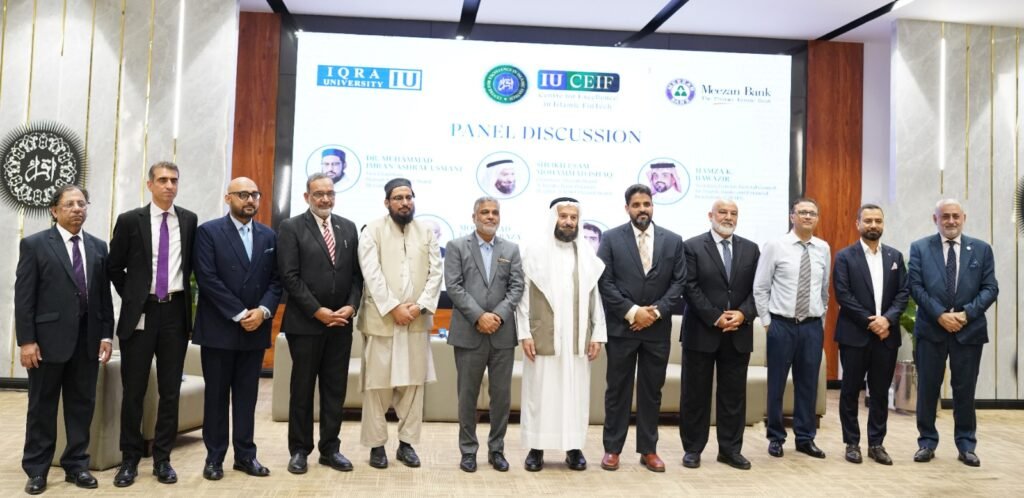
Meezan Bank, Pakistan’s leading Islamic bank and one of the country’s largest financial institutions, has established the IU Centre for Excellence in Islamic FinTech (IU CEIF) at Iqra University in strategic collaboration with the university. The initiative aims to strengthen Pakistan’s Islamic finance and FinTech ecosystem through research, innovation, industry collaboration, and capacity-building. Centre Inaugurated in Karachi The Centre was inaugurated during a ceremony held at the University Auditorium, EDC Defence Campus, Karachi. The event was graced by Saleem Ullah, Deputy Governor of the State Bank of Pakistan (SBP), as the Chief Guest. Addressing the ceremony, he praised the collaboration between Meezan Bank and Iqra University and reaffirmed the SBP’s support for initiatives that strengthen Islamic finance, promote responsible innovation, and expand financial inclusion. Hub for Islamic Finance and FinTech Innovation The IU Centre for Excellence in Islamic FinTech has been established as a hub for research, innovation, industry collaboration, and capacity-building at the intersection of Islamic finance and financial technology. The Centre is designed to support Pakistan’s growing Islamic finance and FinTech ecosystem by promoting Shariah-compliant financial innovation while developing future-ready skills and capabilities. Industry Leaders and International Experts Attend The event was hosted by Prof. Dr. Nassar Ikram, Vice Chancellor of Iqra University, and Muhammad Farhan Ul Haq Usmani, Honorary Director of IU CEIF. The ceremony was attended by international representatives from the General Council for Islamic Banks and Financial Institutions (CIBAFI), Bahrain; Islamic Finance Advisory and Assurance Services (IFAAS), United Kingdom; and INCEIF University – International Centre for Education in Islamic Finance, Malaysia. Also present were presidents and CEOs of leading banks, senior representatives of Meezan Bank, including Dr. Muhammad Imran Ashraf Usmani and Sheikh Esam Mohamed Ishaq, members of the Bank’s Shariah Board, officials from the State Bank of Pakistan, members of academia, faculty, students, and professionals from the banking and FinTech sectors. Ms. Imaan Hunaid Lakhani also attended the ceremony, interacting with the Meezan Bank team and distinguished guests while expressing support for Iqra University’s vision of innovation and industry collaboration. Leaders Outline Vision for the Centre In his welcome address, Prof. Dr. Nassar Ikram said the Centre reflects Iqra University’s commitment to advancing knowledge, innovation, and industry relevance in emerging areas of finance and technology. He noted that the collaboration with Meezan Bank would help strengthen the future of Islamic FinTech in Pakistan by connecting academia with industry, encouraging research-led solutions, and preparing students and professionals for the evolving global financial landscape. Meezan Bank President and CEO Dr. Syed Amir Ali delivered the keynote address, outlining the Bank’s vision for the Centre and its role in promoting Shariah-compliant innovation, skills development, and financial inclusion. He emphasized the importance of building a robust Islamic FinTech ecosystem that combines technological advancement with sustainable economic growth. Centre to Focus on Research and Capacity Building Muhammad Farhan Ul Haq Usmani presented an overview of the Centre’s objectives, strategic direction, and planned initiatives. An introductory video showcased the Centre’s focus on research, professional training, industry engagement, and innovation. A panel discussion featuring experts from international academia, banking, and the FinTech industry explored opportunities and challenges in advancing Islamic financial technology in Pakistan. Key topics included regulation, financial inclusion, talent development, and digital transformation. Meezan Bank and Iqra University Aim to Strengthen Islamic FinTech Ecosystem The ceremony concluded with the presentation of souvenirs, group photographs, the formal ribbon-cutting ceremony, and a tour of the newly established FinTech Lounge. Through the IU Centre for Excellence in Islamic FinTech, Meezan Bank and Iqra University aim to create a sustainable platform for research, innovation, industry collaboration, and capacity-building, supporting the long-term growth of Pakistan’s Islamic finance and FinTech landscape.

Bank Alfalah Successfully Raises PKR 20 Billion Tier 2 Term Finance Certificate
Editor pick

Bank Alfalah Raises Record PKR 20 Billion Through Pakistan’s Largest Banking TFC Issuance

Bank Alfalah has successfully raised PKR 20 billion through the issuance of a AAA-rated Tier 2 Term Finance Certificate (TFC), marking the largest TFC issuance in Pakistan’s banking industry and the Bank’s first AAA-rated TFC. The successful issuance follows approval from the State Bank of Pakistan and received strong participation from institutional investors, reflecting the market’s confidence in Bank Alfalah’s financial strength, sound governance and long-term growth strategy. Landmark AAA-Rated Tier 2 TFC Strengthens Capital Base Issued under the Basel III regulatory framework, this Tier 2 Issue is a key element of the Bank’s growth strategy and will further complement its growth capital, allowing Bank Alfalah to continue its aggressive expansion, particularly in the SME, ESG initiatives and consumer banking segments. The landmark transaction will also enable the Bank to increase its core profitability and enhance long-term shareholder returns. Strong Financial Performance Supports Investor Confidence The successful issuance builds on Bank Alfalah’s strong financial performance and disciplined balance sheet management. As of December 31, 2025, the Bank reported a profit after tax of PKR 28.34 billion, total deposits of PKR 2.49 trillion and gross advances of PKR 1.15 trillion, while maintaining a Capital Adequacy Ratio (CAR) of 15.87%, comfortably above the regulatory minimum. Serving more than 9.7 million customers through a nationwide network of 1,200 branches across more than 245 cities, Bank Alfalah continues to strengthen its position as one of Pakistan’s leading financial institutions through prudent financial management, innovation and a customer-centric approach. The Bank’s financial strength is further reinforced by PACRA’s decision to maintain its long-term rating at AAA and short-term rating at A1+ with a Stable outlook. Bank Alfalah Highlights Strategic Milestone Commenting on the successful issuance, Aasim Wajid Jawad, Group Head Strategy, Transformation, Customer Experience and VC Investments, said the transaction represents a defining milestone in Bank Alfalah’s capital markets journey. He noted that successfully completing Pakistan’s banking industry’s largest TFC issuance and the Bank’s first AAA-rated TFC reflects investors’ confidence in its financial strength, strategic direction and disciplined growth strategy. He added that the strengthened capital base will enhance the Bank’s ability to support customers, capture future growth opportunities and contribute to Pakistan’s economic progress. Strong Institutional Participation Marks Successful Transaction Pervez Shahbaz Khan, Group Head, Global Markets & Treasury, Bank Alfalah, said the successful execution of the landmark transaction demonstrates the depth of investor confidence in the Bank’s credit quality and financial resilience. He added that strong participation from institutional investors enabled Bank Alfalah to successfully complete the largest TFC issuance ever undertaken by Pakistan’s banking industry.

NBP and 1LINK Hold Bank Activation to Accelerate Digital Payment Adoption
Editor pick

NBP and 1LINK Hold Bank Activation to Accelerate Digital Payment Adoption

The National Bank of Pakistan (NBP) and 1LINK have organized a Bank Activation initiative aimed at accelerating the adoption of digital payments and expanding access to secure, convenient financial services across Pakistan. Initiative Promotes Digital Payment Adoption The activation brought together representatives from the banking sector to encourage greater use of digital payment solutions and strengthen Pakistan’s transition towards a cashless economy. The initiative focused on increasing awareness of digital financial services while promoting seamless and secure payment options for individuals and businesses. Collaboration Supports Financial Inclusion NBP and 1LINK highlighted the importance of collaboration among financial institutions to improve access to digital banking services and enhance financial inclusion across the country. The activation also emphasized the role of innovative payment technologies in making financial transactions faster, safer, and more accessible for customers. Strengthening Pakistan’s Digital Financial Ecosystem The event underscored the commitment of both organizations to supporting Pakistan’s evolving digital financial ecosystem through modern payment infrastructure and customer-centric solutions. Officials noted that expanding the use of digital payments can improve efficiency, reduce reliance on cash, and contribute to broader economic growth. Continued Focus on Digital Transformation NBP and 1LINK reaffirmed their commitment to working with industry stakeholders to promote digital payment adoption and support the State Bank of Pakistan’s vision of a more inclusive and digitally connected financial sector.

Gilgit-Baltistan 100MW Solar Project Moves Forward as PC-1 Sent for Approval
Editor pick

Gilgit-Baltistan 100MW Solar Project Moves Forward as PC-1 Sent for Approval

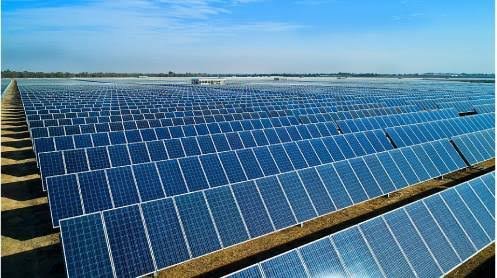
ISLAMABAD: The Gilgit-Baltistan 100MW Solar Project has taken a significant step forward after the PC-1 for its 82-megawatt (MW) utility-scale component was formally submitted to the Executive Committee of the National Economic Council (ECNEC) for approval. The development came during a high-level meeting chaired by Prime Minister Shehbaz Sharif on Wednesday to review progress on the solar energy initiative, which is expected to improve electricity supply and reduce load shedding across **Gilgit-Baltistan>. According to an official statement, the project forms part of the federal government’s efforts to expand renewable energy, improve energy security and provide reliable electricity to underserved regions. PC-1 for 82MW Solar Component Submitted Officials informed the prime minister that the PC-1 for the project’s 82MW utility-scale solar component has been submitted to Executive Committee of the National Economic Council for approval. Once approved, the project will move into the implementation phase. The government estimates that the 82MW solar facility will benefit around 1.3 million people by improving electricity availability and significantly reducing power outages across Gilgit-Baltistan. The project is expected to increase the share of clean energy in the region while lowering dependence on conventional power sources. PM Calls Solar Energy a National Priority During the meeting, Prime Minister Shehbaz Sharif stressed that expanding solar power remains a national priority because it provides clean, affordable and environmentally friendly electricity. He said renewable energy projects are essential for Pakistan’s long-term energy security and economic development. The prime minister described the Gilgit-Baltistan 100MW Solar Project as “a gift from the federal government to the people of Gilgit-Baltistan”, highlighting the government’s commitment to improving living standards in the region. He directed the Power Division to ensure that the project is installed and completed within the scheduled timeframe. Transparency in Procurement Ordered Prime Minister Shehbaz Sharif also instructed officials to maintain complete transparency throughout the procurement process. He directed that all procurement activities should follow established procedures to ensure fairness and accountability. The prime minister further ordered that payments to contractors should only be made after comprehensive third-party verification of completed work. The directive aims to ensure quality standards are maintained while safeguarding public funds allocated for the project. 18MW Rooftop Solar System Also Planned Officials also briefed the meeting on another major component of the initiative. Besides the 82MW utility-scale solar plant, the government plans to install an 18MW rooftop solar system, supported by battery storage, on 499 government buildings across Gilgit-Baltistan. The rooftop installations are expected to be completed by December. The government believes this component will improve the quality of electricity services, reduce energy costs for public institutions and strengthen the region’s energy self-sufficiency. Battery storage systems will also help provide a more reliable electricity supply during periods of lower solar generation. Project Aims to Reduce Load Shedding The Gilgit-Baltistan 100MW Solar Project is expected to play an important role in addressing electricity shortages in the mountainous region. Gilgit-Baltistan has long faced power supply challenges, particularly during winter months when electricity demand rises and hydropower generation declines. By adding 100MW of solar capacity, the government hopes to reduce load shedding, improve energy reliability and support economic activity across the region. The project also aligns with Pakistan’s broader strategy to increase renewable energy generation and reduce reliance on imported fossil fuels. Senior Ministers Attend Review Meeting The meeting was attended by several senior government officials, including Federal Minister for Power Sardar Awais Ahmad Khan Leghari, Minister of State for Finance and Railways Bilal Azhar Kayani, along with other officials from relevant ministries and departments. Participants reviewed the project’s progress, implementation timeline and procurement arrangements to ensure the initiative remains on schedule. Project Builds on Earlier Federal Initiative The latest progress follows an earlier decision made by Prime Minister Shehbaz Sharif in September 2025, when he approved a plan to use confiscated solar panels for public energy projects in Gilgit-Baltistan. That initiative allocated 100MW of solar capacity for distributed solar photovoltaic projects across remote locations in the region. The current project represents the implementation of that commitment and is designed to improve electricity access in some of Pakistan’s most geographically challenging areas. Once completed, the Gilgit-Baltistan 100MW Solar Project is expected to provide cleaner, more reliable and affordable electricity to communities while supporting the country’s transition toward renewable energy and sustainable development.

K2 Airways Cargo Plane Crash: Navy and PMSA Locate Wreckage 53NM South of Ormara
Editor pick

K2 Airways Cargo Plane Crash: Navy and PMSA Locate Wreckage 53NM South of Ormara

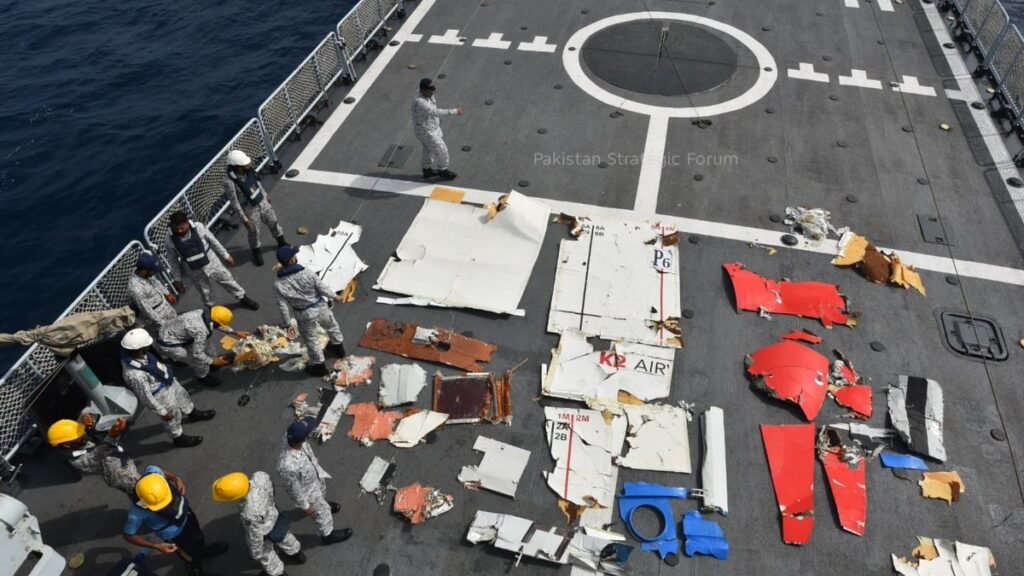
Search and Rescue Operation Recovers B737 Debris After 12-Hour Hunt in Deep Sea Pakistan Navy (PN) and the Pakistan Maritime Security Agency (PMSA) have located the wreckage of a K2 Airways Cargo plane crash site in the Arabian Sea. The discovery came after an exhaustive 12-hour search and rescue operation conducted across deep sea waters. The aircraft, a Boeing 737 cargo jet, was declared missing the previous night, triggering an immediate emergency response from maritime and aviation authorities. The wreckage was recovered approximately 53 nautical miles south of Ormara, a coastal town in Balochistan. The find confirmed the worst fears of aviation officials and the families of the crew members on board. K2 Airways Cargo Flight Goes Missing Overnight The K2 Airways Cargo B737 disappeared from radar during the night, prompting authorities to launch an urgent search operation. Details of the flight’s route and the number of crew members on board were not immediately disclosed in the initial statement. However, the aircraft’s sudden disappearance triggered alarm across Pakistan’s aviation and maritime agencies, who mobilised resources without delay. The Pakistan Navy and PMSA took charge of the search operation as the last known trajectory of the aircraft pointed towards the Arabian Sea. Both agencies coordinated closely to deploy a range of assets across a vast stretch of open water. 12-Hour Search Operation Spans Deep Sea Waters The search and rescue operation lasted 12 gruelling hours. PN and PMSA deployed multiple airborne and sea-based assets to comb through the deep sea region south of Ormara. Aircraft conducted aerial sweeps over a wide search area while naval vessels scoured the waters below. The operation faced significant challenges due to the depth of the sea in the search zone and the vast area that needed to be covered. Despite these difficulties, search teams pressed on through the night and into the following day without interruption. Wreckage Found 53 Nautical Miles South of Ormara After 12 hours of continuous operations, PN and PMSA successfully located and identified the wreckage of the K2 Airways Cargo plane crash. The debris was found 53 nautical miles south of Ormara in the Arabian Sea. The recovery of the wreckage confirmed that the aircraft had gone down in the sea. Aviation investigators and rescue teams will now work to piece together what caused the Boeing 737 to crash. The discovery of the crash site marks a critical milestone in the investigation and recovery operation. Search Continues for Missing Crew Members Despite locating the K2 Airways Cargo plane crash site, the fate of the crew members remains unknown. Rescue teams are actively searching the area for any survivors or remains of those on board. Both PN and PMSA have kept all assets deployed in the area as the search for missing crew members continues. The operation remains ongoing and authorities have pledged to provide further updates as the situation develops. The recovery of crew members from deep sea conditions presents a formidable challenge for rescue teams. However, authorities have indicated that all available resources remain committed to the mission. Aviation and Maritime Agencies Coordinate Response The swift and coordinated response by Pakistan Navy and PMSA drew recognition from officials. The two agencies worked in close coordination throughout the 12-hour operation, pooling their airborne and sea-based assets to maximise the coverage of the search area. The Pakistan Navy operates a fleet of maritime patrol aircraft and naval vessels well-suited to deep-sea search operations. PMSA similarly contributed specialised assets to the effort. Their combined resources proved decisive in locating the K2 Airways Cargo plane crash site within 12 hours of the aircraft being declared missing. Further Updates Expected as Operation Progresses Authorities have confirmed that the search and rescue operation is still underway. Further details are expected to be released as the operation progresses and more information becomes available. The K2 Airways Cargo plane crash is a major aviation tragedy and will likely prompt a full investigation by Pakistan’s Civil Aviation Authority (CAA). Questions about the aircraft’s airworthiness, flight path, and communication logs will form a central part of any inquiry. Pakistan’s aviation sector and the public are closely watching developments as rescue teams continue their efforts in the Arabian Sea.

Scroll to Top