Editor pick

Govt Plans to Deregulate Pakistan's Petroleum Market, Digitalize Fuel Supply Chain
Editor pick

Govt Plans to Deregulate Pakistan’s Petroleum Market, Digitalize Fuel Supply Chain

Pakistan is preparing to gradually deregulate its petroleum market by reducing government involvement in fuel pricing while introducing a more transparent, market-based system. Alongside deregulation, the government plans to digitalize the petroleum supply chain to improve transparency, operational efficiency, and oversight, as Pakistan continues to navigate global energy market volatility. ISLAMABAD: Pakistan is preparing to reform its petroleum sector by gradually reducing government control over fuel pricing and introducing a more transparent, market-driven system, Petroleum Minister Ali Pervaiz Malik said on Tuesday. While briefing the National Assembly Standing Committee on Petroleum, the minister outlined the government’s roadmap to deregulate the petroleum market, improve transparency, and modernize the country’s fuel supply chain through digitalization. He said the government aims to reduce its direct role in determining petrol and diesel prices while continuing to monitor the supply chain to ensure uninterrupted fuel availability across the country. “The objective is to create a competitive and transparent petroleum market that reflects international price trends while ensuring a reliable supply of petroleum products,” the minister told the committee. Digital Fuel Supply Chain to Improve Transparency As part of the planned reforms, the government is digitalizing Pakistan’s petroleum supply chain to strengthen oversight, improve operational efficiency, and reduce irregularities. Ali Pervaiz Malik also revealed that the government is considering publishing daily Platts benchmark prices, allowing consumers and industry stakeholders to track international fuel prices that influence domestic petroleum rates. The move is expected to provide greater transparency in the pricing mechanism and help explain fluctuations in local fuel prices. Heavy Reliance on Imported Fuel The minister said Pakistan remains highly vulnerable to global oil price movements because of its dependence on imported petroleum products. According to the minister, the country imports around 70% of its petrol requirements and approximately 33% of its diesel consumption, making domestic fuel prices sensitive to changes in international crude oil and refined fuel markets. He said any increase in global oil prices, freight charges, insurance costs, or shipping premiums directly affects Pakistan’s import bill and retail fuel prices. Regional Conflict Increased Import Costs Recalling the recent regional conflict in the Middle East, Ali Pervaiz Malik said Pakistan successfully maintained uninterrupted fuel supplies despite severe disruptions in international markets and limited domestic storage capacity. Before the conflict, international crude oil traded at around $71 per barrel, while diesel prices were close to $78 per barrel. However, the crisis caused freight charges, insurance premiums, and transportation costs to surge. As a result, gasoline prices climbed to between $180 and $190 per tonne, while diesel became scarce in international markets. Although global crude oil prices have since fallen below pre-conflict levels, the minister said domestic petrol and diesel prices remain relatively high because import-related costs have not yet returned to previous levels. Govt Ensured Uninterrupted Fuel Supplies Ali Pervaiz Malik said the government successfully managed fuel supplies throughout the crisis, ensuring fertilizer plants, power stations, and other critical industries continued operating without disruption. He added that only limited restrictions were imposed on domestic natural gas consumption during meal hours to manage demand while protecting essential services. Petroleum Levy and IMF Commitments The minister also informed lawmakers that the petroleum levy on petrol has exceeded Rs80 per litre, in line with commitments made under Pakistan’s agreement with the International Monetary Fund (IMF). Responding to concerns about the energy sector’s financial challenges, he said the government remains engaged in discussions with the IMF on resolving the issue of circular debt. Ali Pervaiz Malik expressed confidence that there would be no increase in the energy sector’s circular debt by the end of the current fiscal year, reflecting the government’s efforts to improve financial discipline and strengthen the long-term sustainability of Pakistan’s energy sector.

REVOO Opens Pre-Bookings for the New C35 Series with Exclusive Launch Offer
Editor pick

REVOO Opens Pre-Bookings for C35 Series Electric Bikes in Pakistan

REVOO has officially opened pre-bookings for its new C35 Series electric bikes in Pakistan, introducing the C35 and C35 Young with launch discounts of Rs10,000. The family-focused electric bike lineup aims to promote affordable and practical electric mobility through the company’s “Chalo Aik Sath” campaign. KARACHI: REVOO has officially announced the opening of pre-bookings for its highly anticipated C35 Series, introducing the C35 and C35 Young electric bikes to the Pakistani market. The pre-booking campaign will run from July 6 to July 31, 2026, or until stocks last, allowing customers to reserve their preferred model with a booking amount of Rs10,000. The booking amount will be adjusted as a discount in the final invoice. REVOO Introduces Family-Focused Electric Bike Lineup The company has positioned the C35 Series as Pakistan’s first family-focused electric bike lineup, developed around the everyday transportation needs of Pakistani households. The launch is being led under REVOO’s “Chalo Aik Sath” campaign, which promotes shared mobility and encourages families to embrace electric transportation. C35 and C35 Young Prices in Pakistan REVOO has announced the following retail prices for the new models: Model Retail Price Launch Price After Discount REVOO C35 Rs279,000 Rs269,000 REVOO C35 Young Rs235,000 Rs225,000 Customers who pre-book either model during the campaign will receive a Rs10,000 launch discount. REVOO Highlights Family-Centric Design Commenting on the launch, Kyle Zhang, Country Head of REVOO Pakistan, said the C35 Series was designed after recognizing that motorcycles in Pakistan are primarily used by families rather than individual riders. He said the “Chalo Aik Sath” campaign reflects the company’s vision of offering electric mobility solutions that match the way Pakistani families travel while making the transition to electric vehicles more affordable through the pre-booking offer. REVOO C35 Young Targets Value-Conscious Buyers Positioned as the “King of Value,” the C35 Young is designed for riders seeking an affordable entry into electric mobility. The electric bike features: REVOO said the model combines practical everyday usability with premium build quality and modern safety features to make electric mobility more accessible for Pakistani families. REVOO C35 Offers More Power and Utility The REVOO C35 serves as the flagship model within the new lineup and carries the company’s promise of “Never Lets You Down.” Key features include: According to the company, the C35 is designed to deliver reliable performance across both urban roads and rural terrain while offering the power, comfort, and practicality required for daily family transportation. Child Lock Feature Enhances Safety The C35 Series also introduces REVOO’s intelligent Child Lock system. The feature requires a two-step process to disengage Parking Mode, helping prevent unintended vehicle movement caused by accidental button presses. REVOO said the innovation reflects its focus on developing electric bikes that address the real-world safety needs of Pakistani families. REVOO Aims to Expand Electric Mobility Adoption With the launch of the C35 Series, REVOO aims to encourage wider adoption of electric transportation by offering family-oriented, practical, and affordable mobility solutions. Through its “Chalo Aik Sath” campaign, the company hopes to accelerate Pakistan’s transition toward cleaner transportation while addressing the everyday commuting needs of households across the country.

Pakistan Government Borrowing Rises to Rs2.97 Trillion in FY27 After Rs1.05 Trillion Weekly Increase
Editor pick

Pakistan Government Borrowing Rises to Rs2.97 Trillion in FY27 After Rs1.05 Trillion Weekly Increase

Pakistan’s government recorded net borrowing of Rs1.05 trillion during the week ended June 26, 2026, taking total net borrowing in FY2026-27 to Rs2.97 trillion, according to the latest data released by the State Bank of Pakistan (SBP). The increase was largely driven by borrowing for budgetary support, while the government continued reducing its reliance on direct financing from the central bank. KARACHI: The Government of Pakistan added Rs1.05 trillion to its domestic debt during the week ended June 26, 2026, pushing total net borrowing for FY2026-27 to Rs2.97 trillion, according to the latest weekly estimates published by the State Bank of Pakistan (SBP). The data highlights the government’s continued dependence on domestic financing to meet fiscal requirements, with budgetary support accounting for the overwhelming share of fresh borrowing. Budgetary Support Accounts for Most of the Weekly Borrowing According to the SBP, government borrowing is classified into three categories: budgetary support, commodity operations, and other purposes. During the reporting week, borrowing was distributed as follows: Category Weekly Borrowing Budgetary Support Rs1.048 trillion Commodity Operations Rs599 million Others Rs5.11 billion Total Net Borrowing Rs1.05 trillion The sharp rise in budgetary borrowing reflects the government’s financing needs at the beginning of the new fiscal year as it manages expenditures and implements budget commitments. Cumulative FY27 Borrowing Nears Rs3 Trillion Following the latest increase, cumulative borrowing for budgetary support has reached approximately Rs3.02 trillion during FY2026-27. Meanwhile, commodity operations recorded a net retirement of Rs51.4 billion, indicating that repayments exceeded fresh borrowing. Borrowing under the other category stood at Rs1.53 billion. The cumulative borrowing position is as follows: Category Cumulative Position Budgetary Support Rs3.02 trillion Commodity Operations Rs51.4 billion retired Others Rs1.53 billion borrowed Net Government Borrowing Rs2.97 trillion The figures show that budgetary support continues to account for nearly all of the government’s financing requirements. Government Continues to Reduce Borrowing from SBP The SBP data indicates that the government has continued its policy of reducing direct borrowing from the central bank. During FY2026-27, the government retired a net Rs3.08 trillion owed to the State Bank of Pakistan. The repayments included: The continued retirement of central bank debt aligns with broader fiscal and monetary reforms aimed at limiting direct government borrowing from the SBP. Scheduled Banks Provide More Than Rs6 Trillion While reducing liabilities to the central bank, the government significantly increased financing through scheduled commercial banks. According to the latest SBP estimates, the government has secured Rs6.10 trillion in net financing from commercial banks during FY2026-27. The Federal Government accounted for the majority of the borrowing, raising approximately Rs6.31 trillion from scheduled banks. In contrast, provincial governments recorded a net retirement of Rs207.75 billion, reducing their outstanding borrowing from commercial banks. The trend reflects the government’s strategy of relying more heavily on market-based financing through the domestic banking sector. Domestic Borrowing Remains Central to Fiscal Management Domestic borrowing continues to play a vital role in financing Pakistan’s fiscal operations, particularly during the early stages of the fiscal year when expenditure requirements are typically elevated. Budgetary support remains the largest component of government borrowing, helping finance development projects, operational spending, debt servicing, and other budgeted obligations. The latest SBP data also indicates continued adherence to the government’s policy of reducing direct central bank financing while increasing reliance on commercial banks. Economists generally view this approach as supportive of monetary discipline, although sustained borrowing from scheduled banks could influence liquidity conditions and private sector credit availability in the months ahead. As FY2026-27 progresses, government borrowing trends will remain closely monitored by investors, policymakers, and financial markets for their implications on public debt management, fiscal sustainability, and overall macroeconomic stability.

DIB Group Arranges $101 Million Islamic Financing for DG Khan Cement's Rafhan Maize Acquisition
Editor pick

DIB Group Arranges $101 Million Islamic Financing for DG Khan Cement’s Rafhan Maize Acquisition

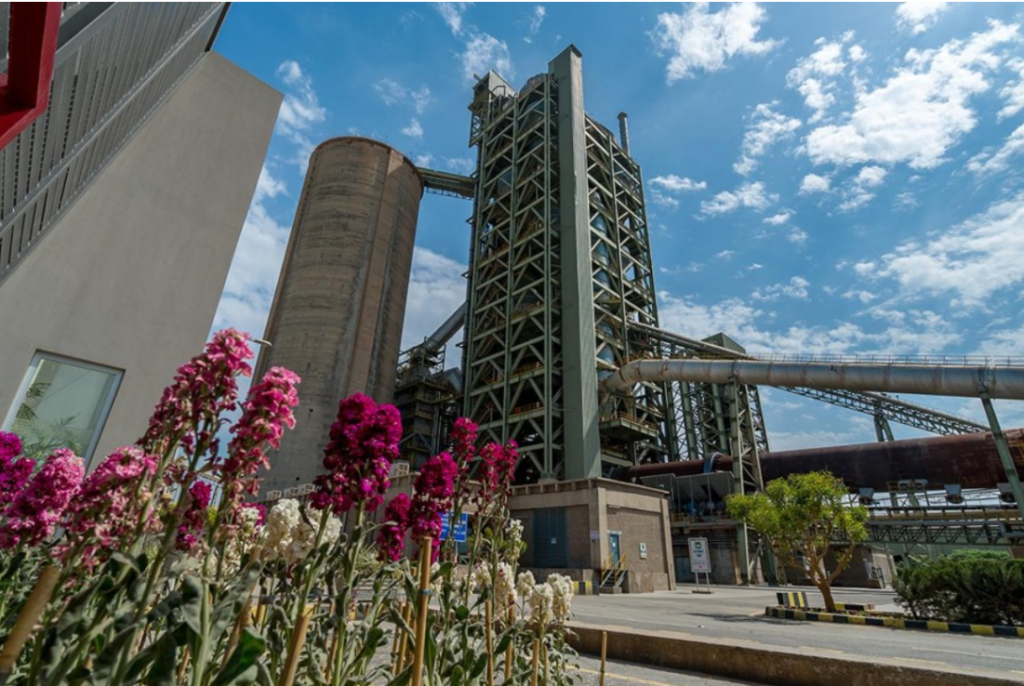
DIB Group has successfully arranged a USD 101 million Shariah-compliant financing facility for D.G. Khan Cement Company Limited (DGKC) to support the acquisition of a majority stake in Rafhan Maize Products Company Limited (RMPL) from Ingredion Inc. The transaction highlights the growing role of Islamic investment banking in facilitating large-scale corporate acquisitions in Pakistan. Read More: https://theboardroompk.com/sbp-caps-minimum-savings-profit-protection-at-rs10-million-to-promote-investpak-and-government-securities/ KARACHI: DIB Group has announced the successful completion of a USD 101 million Islamic financing transaction for D.G. Khan Cement Company Limited (DGKC) to facilitate the acquisition of a majority stake in Rafhan Maize Products Company Limited (RMPL) from US-based Ingredion Inc. The financing was structured as a USD 101 million Commodity Murabaha Facility, enabling the Nishat Group to complete one of the notable corporate acquisition transactions in Pakistan’s industrial sector. DIB Acts as Sole Lead Arranger for Landmark Transaction DIB served as the Sole Mandated Lead Advisor, Shariah Advisor, Arranger, and Financier for the acquisition financing. The bank said the transaction demonstrates its capability to structure and execute complex Shariah-compliant financing solutions for Pakistan’s leading corporate groups while leveraging its international Islamic banking expertise. The financing also reflects DIB Group’s strong presence in Pakistan’s investment banking sector and its ability to support large-scale mergers and acquisitions through innovative Islamic financial structures. Financing Supports Nishat Group’s Strategic Expansion The Islamic financing facility enabled the Nishat Group to acquire a controlling stake in Rafhan Maize Products Company Limited, one of Pakistan’s leading food ingredients manufacturers, from Ingredion Inc., a US-based global ingredient solutions company. The acquisition marks a significant strategic expansion for the Nishat Group as it diversifies its business portfolio through investment in Pakistan’s food processing industry. DIB Highlights Strength in Islamic Investment Banking Commenting on the transaction, Muhammad Ali Gulfaraz, Chief Executive Officer of DIB Pakistan, said the financing represents another important milestone for the bank’s investment banking division. “This milestone represents another significant achievement for DIB’s Investment Banking team and further demonstrates our ability to deliver bespoke strategic financing solutions that support clients in executing transformational transactions while remaining fully compliant with the principles of Islamic finance.” He added that the transaction highlights DIB’s ability to provide customized financing solutions for complex corporate transactions while maintaining full compliance with Islamic finance principles. Multiple Advisors Supported the Acquisition The successful execution of the transaction involved collaboration among several advisory firms. Dada Partners acted as the buy-side mergers and acquisitions advisor, while Mohsin Tayebaly & Co. served as Pakistani legal counsel. Hogan Lovells acted as English law legal counsel for the transaction. DIB Reaffirms Commitment to Corporate Financing DIB Group said the successful completion of the financing further strengthens its position as a leading provider of Shariah-compliant investment banking solutions in Pakistan. The bank also acknowledged the cooperation of the management teams of D.G. Khan Cement Company Limited and the Nishat Group, stating that their collaboration played a key role in completing the transaction successfully. According to DIB, the financing demonstrates how Islamic banking can facilitate strategic corporate acquisitions while supporting long-term business growth and investment in Pakistan’s economy.

Pakistan-IMF Talks September 2026: Crucial IMF Review May Shape Economy, Reforms and Stock Market
Editor pick

Pakistan-IMF Talks September 2026: Crucial IMF Review May Shape Economy, Reforms and Stock Market

Pakistan-IMF Talks September 2026 are expected to be among the most important economic events of the year, as the government prepares for crucial reviews under the International Monetary Fund’s Extended Fund Facility (EFF) and Resilience and Sustainability Facility (RSF). The outcome could determine future IMF disbursements, influence investor confidence, and shape Pakistan’s economic direction for the remainder of 2026. ISLAMABAD: Pakistan is expected to begin formal review discussions with the International Monetary Fund (IMF) in September 2026 under two major financing programmes that will assess the country’s progress on fiscal reforms, macroeconomic stability and climate-related commitments. The negotiations are expected to play a critical role in determining future IMF funding while providing investors and international financial institutions with an updated assessment of Pakistan’s economic performance. Pakistan-IMF Talks September 2026 to Cover Two Major IMF Programmes The IMF mission is expected to conduct simultaneous reviews of two key financial arrangements. The first is the fourth review of Pakistan’s more than $7 billion Extended Fund Facility (EFF), which serves as the country’s primary economic stabilization programme. At the same time, the IMF is expected to complete the third review of the $1.4 billion Resilience and Sustainability Facility (RSF), which supports reforms aimed at strengthening Pakistan’s resilience to climate-related economic risks. Conducting both reviews together reflects the IMF’s broader assessment of Pakistan’s fiscal management, structural reforms and climate policy commitments. Tax Collection and FBR Performance to Remain a Key Focus Revenue generation is expected to remain one of the IMF’s top priorities during the September review. Officials are likely to examine whether the Federal Board of Revenue (FBR) achieved its tax collection targets during the second half of FY2025-26 and assess progress in broadening the country’s tax base. Improving tax collection remains essential for reducing Pakistan’s reliance on borrowing and strengthening fiscal sustainability. Fiscal Discipline and Government Spending Under Review The IMF is also expected to closely evaluate Pakistan’s fiscal deficit, public expenditure and overall budget management. Maintaining fiscal discipline remains one of the central conditions attached to IMF financial assistance, making government spending and budget performance important areas of discussion. Energy Sector Reforms Expected to Receive Close Attention Pakistan’s energy sector is expected to remain another major focus of the review. The IMF will likely assess progress in addressing circular debt, improving governance, implementing electricity pricing reforms and enhancing the financial sustainability of the power sector. These structural reforms continue to be viewed as critical for Pakistan’s long-term economic stability. Privatization Progress to Be Assessed The government has repeatedly identified privatization as a key pillar of its economic reform agenda. During the review, the IMF is expected to evaluate progress in restructuring and privatizing selected state-owned enterprises, an initiative aimed at reducing fiscal pressures and improving the efficiency of public sector entities. Foreign Exchange Reserves and External Financing Pakistan’s external financial position will also remain under close scrutiny. The IMF is expected to assess the country’s foreign exchange reserves, external financing arrangements and ability to meet future debt obligations while maintaining exchange rate stability. Strong reserve levels are considered essential for sustaining investor confidence and protecting macroeconomic stability. Climate Reform Commitments Under the RSF Programme In addition to traditional macroeconomic indicators, the IMF will review Pakistan’s implementation of climate-related reforms under the Resilience and Sustainability Facility. The assessment is expected to cover initiatives aimed at improving climate resilience, strengthening sustainable economic planning and enhancing the country’s ability to respond to climate-related risks. Why Pakistan-IMF Talks September 2026 Matter for Investors Financial markets closely monitor IMF programme reviews because successful assessments often unlock additional funding while encouraging support from other multilateral lenders and international development partners. A positive outcome generally reinforces confidence in Pakistan’s reform programme, reduces uncertainty surrounding fiscal policy and improves the country’s standing among global investors. Conversely, delays in implementing agreed reforms or failure to meet programme targets could slow future IMF disbursements and create uncertainty in financial markets. Pakistan Stock Market Likely to Watch IMF Outcome Closely Investors at the Pakistan Stock Exchange (PSX) are expected to follow developments throughout the September negotiations. A successful review could improve market sentiment by strengthening confidence in Pakistan’s economic management, supporting external financing inflows and reinforcing expectations of continued macroeconomic stability. Banking, energy, cement, infrastructure and other economically sensitive sectors are likely to remain in focus as investors assess the outcome of the IMF discussions. While market performance depends on a range of domestic and international factors, IMF programme reviews have historically been among the most influential drivers of investor sentiment in Pakistan. Outlook The Pakistan-IMF Talks September 2026 are expected to provide one of the most comprehensive assessments of Pakistan’s economic reform agenda this year. The simultaneous reviews of the Extended Fund Facility and the Resilience and Sustainability Facility will evaluate progress on fiscal management, tax reforms, privatization, external financing and climate resilience. For policymakers, businesses and investors, the outcome of these discussions is likely to shape economic policy, influence future IMF disbursements and determine investor confidence in Pakistan’s economy for the months ahead.

SBP Formally Launches InvestPak Portal for Digital Investment in Government Securities
Editor pick

SBP Formally Launches InvestPak Portal for Digital Investment in Government Securities

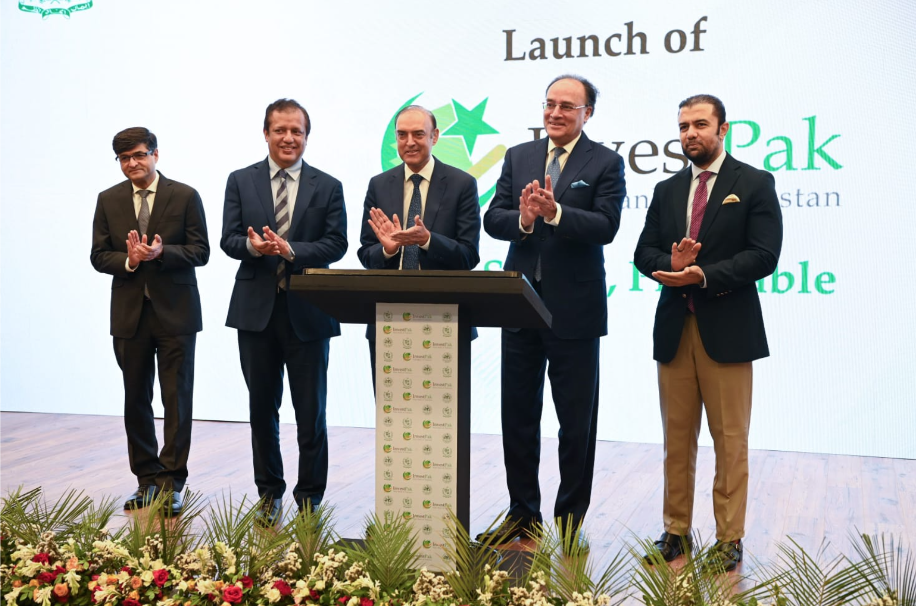
The State Bank of Pakistan (SBP) has formally launched InvestPak, a digital investment platform that enables retail and corporate investors to invest directly in Government of Pakistan securities through a web portal and mobile application. The initiative aims to simplify access to sovereign investments, promote financial inclusion, and expand retail participation in Pakistan’s government securities market. KARACHI: The State Bank of Pakistan (SBP) has officially launched InvestPak, a dedicated digital platform that allows retail and corporate investors to invest directly in Government of Pakistan securities through an integrated web portal and mobile application. Alongside the platform’s launch, SBP also unveiled a nationwide media campaign to raise public awareness and encourage broader participation in the country’s sovereign debt market. InvestPak to Digitize Investment in Government Securities The launch ceremony was held at SBP’s headquarters in Karachi and was hosted by Governor SBP Jameel Ahmad. The event was attended by Federal Minister for Finance and Revenue Senator Muhammad Aurangzeb as the chief guest, along with senior SBP officials, bank presidents, corporate leaders, insurance companies, mutual funds, and representatives from Pakistan’s banking and financial sector. InvestPak has been developed to fully digitize the investment process for Government of Pakistan securities, making it easier for individuals and institutions to access sovereign investment opportunities without extensive paperwork. Finance Minister Says InvestPak Will Democratize Investment Addressing the ceremony, Finance Minister Senator Muhammad Aurangzeb praised SBP’s efforts to leverage technology in support of the government’s vision for a digitally enabled and financially inclusive economy. He said: “InvestPak represents a decisive step toward democratizing investment in Pakistan by giving ordinary citizens especially youth, corporates, and institutions direct digital access to safe sovereign investment opportunities. This is about making participation in the formal financial sector simpler, more inclusive, and more accessible for every segment of society.” The finance minister added that a broader investor base would allow banks to devote greater resources to private sector lending, strengthening productive economic activity across the country. SBP Governor Calls InvestPak a Milestone for Pakistan’s Financial Sector In his welcome address, SBP Governor Jameel Ahmad described InvestPak as “a defining milestone in the evolution of Pakistan’s financial landscape.” He said the platform reflects the central bank’s commitment to promoting inclusive, sustainable, and digital financial services under its Strategic Vision 2028. According to the governor, InvestPak is more than a technology platform and represents the realization of a long-term vision to create a more inclusive, efficient, and transparent government securities market. He added that the initiative would usher in a new era of digital access and financial empowerment for investors across Pakistan. SBP Launches Nationwide Awareness Campaign Highlighting the importance of public engagement, the SBP governor said technology alone cannot drive adoption without awareness. He noted that the central bank aims to make sovereign investments a household topic through coordinated campaigns across print media, social media platforms, and FM radio stations. The governor reaffirmed SBP’s commitment to improving market efficiency through automation, transparency, and the adoption of international best practices. InvestPak Offers Easy Access for Retail and Corporate Investors According to SBP, the platform is expected to benefit individual investors, women investors, small savers, corporates, and other market participants by offering a streamlined and transparent investment process. Key features of InvestPak include: The platform enables investors to manage their investments conveniently from their homes or offices through both web and mobile applications. How to Access InvestPak SBP said investors can access the InvestPak portal through its official website, while the InvestPak mobile application is available on both the Google Play Store for Android devices and the Apple App Store for iPhone and iPad users.

AGP Exposes Rs254bn Outstanding Subsidy in Costly RLNG Diversion to Consumers
Editor pick

AGP Exposes Rs254bn Outstanding Subsidy in Costly RLNG Diversion to Consumers

ISLAMABAD: The Auditor General of Pakistan (AGP) has uncovered massive irregularities in the diversion of expensive Re-gasified Liquefied Natural Gas (RLNG) to domestic and commercial consumers, exposing significant financial mismanagement in the country’s gas sector. According to the 2025-26 Audit Report tabled in the National Assembly, unjustified costs amounting to hundreds of billions of rupees were transferred to gas consumers through tariffs and fixed charges, raising serious concerns about governance and regulatory oversight. RLNG Diversion Created Massive Subsidy Gap The audit report states that Sui Northern Gas Pipelines Limited (SNGPL) diverted more than 188 million MMBTUs of RLNG between November 2018 and October 2023. To compensate for supplying the higher-cost imported gas at subsidized indigenous gas prices, the company claimed Rs370.36 billion in government subsidies. However, only Rs116.06 billion was released, leaving Rs254.3 billion in outstanding subsidy claims. Summer RLNG Diversion Raised Audit Concerns Auditors found that substantial volumes of RLNG were diverted during the summer months when sufficient indigenous gas was available at a much lower cost. According to the report, this practice alone resulted in an irregular subsidy claim of Rs73.03 billion. The AGP estimated that the total financial impact of these unjustified practices exceeded Rs100.9 billion. Audit Highlights Governance Failures The report notes that RLNG diversion was introduced in 2018 as an emergency measure to address declining indigenous gas production. However, auditors concluded that the system lacked proper planning, transparent costing mechanisms, and effective oversight from the outset. The audit further revealed that RLNG diversion extended beyond the categories approved for domestic and commercial consumers. In addition, Rs30.8 billion in unbudgeted subsidies was released without following the required approval process. Weak Oversight Increased Financial Risks The AGP found that no pre-audit or independent verification of subsidy claims had been conducted after the 2019-20 fiscal year. The report also pointed to weak financial controls, inadequate monitoring, and non-compliance with decisions of the Economic Coordination Committee (ECC). By March 2025, SNGPL’s revenue shortfall had reached Rs529.34 billion, highlighting the growing financial pressure on Pakistan’s gas sector. Although the Oil and Gas Regulatory Authority (OGRA) had issued various directives, auditors observed that no comprehensive policy framework was developed to recover the accumulated losses. AGP Calls for Immediate Reforms The Auditor General has recommended strict verification of all future subsidy claims to improve transparency and accountability. The report also calls for subsidies to be limited strictly to approved consumer categories and urges the government to introduce transparent adjustment mechanisms to prevent similar financial irregularities in the future. The findings underscore the need for stronger governance, improved regulatory oversight, and better financial management to protect both public finances and gas consumers from unnecessary costs.

Arif Habib-Backed Naya Nazimabad REIT Seeks Listing with PKR 18 Floor Price
Editor pick

Arif Habib-Backed Naya Nazimabad REIT Seeks Listing with PKR 18 Floor Price

KARACHI: Pakistan Stock Exchange Limited (PSX) has placed the Draft Offer for Sale Document of the Naya Nazimabad Apartment REIT on its website, inviting public comments until the close of business on Monday, July 13, 2026. The move marks another milestone for Pakistan’s growing real estate investment trust (REIT) sector, offering investors an opportunity to participate in a large-scale property development project. REIT to Offer 44 Million Units Through Book Building The Naya Nazimabad Apartment REIT plans to offer 44,062,500 units with a par value of PKR 10 each through the book-building process at a floor price of PKR 18 per unit. The total offer represents 15 percent of the REIT’s units. Arif Habib Limited has been appointed as the Lead Manager for the transaction. Developmental REIT Focused on Karachi and Lahore The REIT is a limited-life, closed-end, Shariah-compliant developmental REIT comprising three real estate assets located in Karachi and Lahore. Its portfolio includes: The project aims to develop these properties into residential apartments, commercial spaces, and retail units for sale. According to the draft document, the overall project is expected to reach completion around 2032. Investors Should Consider Project Risks The draft offer document highlights several risks associated with the developmental REIT. These include potential construction delays, rising commodity and construction costs due to economic uncertainty, and the successful sale of completed units, which will determine future dividend distributions to investors. As with any developmental real estate project, returns will depend on project execution, market conditions, and demand for the completed properties. Backed by Established Sponsors Arif Habib Dolmen REIT Management Limited will serve as the REIT Management Company. Javedan Corporation Limited is the principal sponsor and currently holds 74 percent of the REIT’s units before the public offering. The scheme has already completed the transfer of assets into the REIT structure and secured Musharaka financing to support project development. PSX Invites Public Feedback Pakistan Stock Exchange has encouraged investors and stakeholders to review the complete draft offer document available on its website and submit comments before July 13, 2026. The proposed IPO represents another step in the expansion of Pakistan’s REIT market, providing investors with exposure to real estate development projects in prime locations across Karachi and Lahore.

Pakistan Banking Summit 2026 to Drive Dialogue on the Future of Pakistan's Financial Sector
Editor pick

Pakistan Banking Summit 2026 to Drive Dialogue on the Future of Pakistan’s Financial Sector

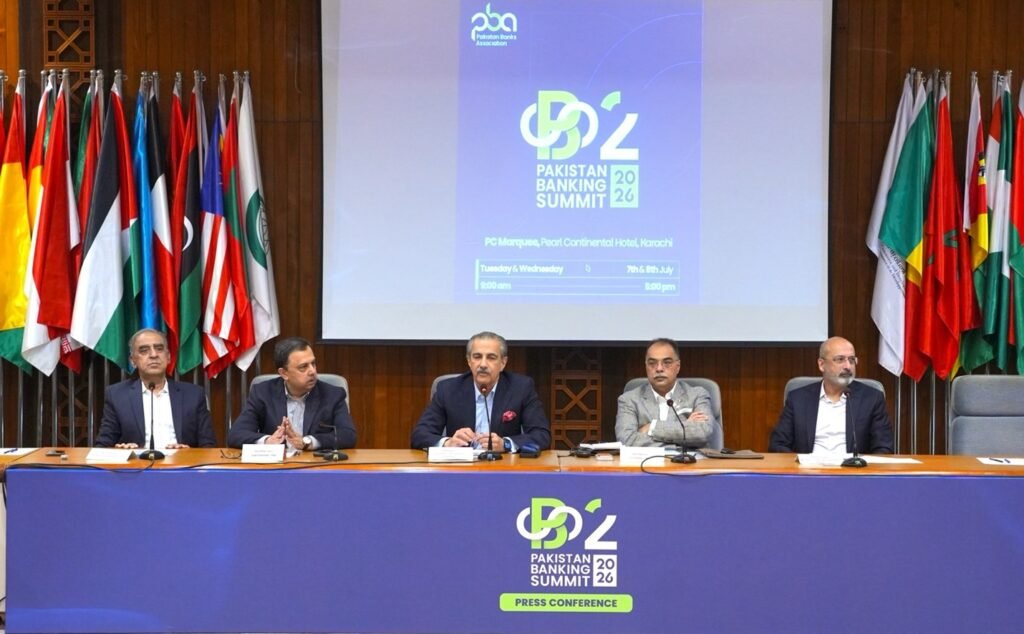
KARACHI: The Pakistan Banks Association (PBA) has announced the second edition of the Pakistan Banking Summit 2026 (PBS’26), its flagship annual banking industry event, which will take place on July 7–8, 2026, in Karachi. Organized under the aegis of the PBA, the Pakistan Banking Summit has become the banking industry’s premier platform for promoting collaboration, sharing global best practices, and advancing policy dialogue aimed at strengthening Pakistan’s financial sector. Building on the success of its inaugural edition, PBS’26 will bring together senior leaders from banking, government, and the corporate sector for two days of discussions on the opportunities, challenges, and policy priorities shaping Pakistan’s economy. Banking Leaders Unveil Summit Details The summit was formally announced during a press conference in Karachi by Atif Bajwa, Chairman of the Pakistan Banking Summit Steering Committee and President & CEO of Bank Alfalah; Zafar Masud, Chairman of the Pakistan Banks Association and President & CEO of The Bank of Punjab; and Muneer Kamal, CEO & Secretary General of the PBA. They were joined by Steering Committee members Yousaf Hussain, Vice Chairman of the PBA and President & CEO of Faysal Bank, and Habib Yousuf, Citi Country Officer and Banking Head for Citi Pakistan. Nine Sessions to Focus on Financial Sector Priorities Across nine thematic sessions, the Pakistan Banking Summit 2026 will examine major issues influencing Pakistan’s financial landscape. Topics include: The discussions aim to identify practical solutions and policy recommendations to support sustainable economic growth. More Than 1,200 Participants Expected PBS’26 is expected to attract more than 1,200 participants, including policymakers, regulators, banking executives, corporate leaders, academics, and development partners. The summit will feature over 15 international speakers participating in person, alongside more than 20 Pakistani thought leaders. The programme will also include a special video address by Syed Babar Ali, Founding Pro Chancellor of the Lahore University of Management Sciences (LUMS), while representatives from more than 48 financial institutions are expected to participate. Finance Minister, SBP Governor Among Keynote Speakers Confirmed keynote speakers include: The two-day event will combine international perspectives with local expertise to support policy discussions on the future of Pakistan’s banking and financial sectors. Summit Follows Federal Budget Announcement Speaking at the launch ceremony, Atif Bajwa said the timing of PBS’26 is particularly significant because it comes immediately after the announcement of the Federal Budget. He said the summit provides an opportunity for policymakers, regulators, banking leaders, and international experts to discuss Pakistan’s economic priorities and focus on implementing policy initiatives through collaboration and practical solutions. According to Bajwa, the summit aims to contribute to building a stronger, more competitive, and future-ready financial sector capable of supporting Pakistan’s long-term economic growth. PBA Seeks Stronger Industry Collaboration PBA Chairman Zafar Masud said the Pakistan Banking Summit brings together the collective leadership of the banking industry with government institutions, regulators, and international partners under one platform. He noted that the summit is designed to build consensus, exchange global best practices, and strengthen collaboration on the future direction of Pakistan’s financial sector. Banking Industry Promotes Innovation and Growth PBA CEO Muneer Kamal said the summit reflects the banking industry’s commitment to continuous learning, innovation, and collective progress. He added that bringing together experts from Pakistan and abroad would help generate practical insights, strengthen partnerships, and contribute to a more resilient and future-ready financial ecosystem. As the banking sector’s flagship annual event, Pakistan Banking Summit 2026 aims to foster closer cooperation between the public and private sectors while encouraging meaningful policy dialogue that supports Pakistan’s long-term economic development.

Scroll to Top