Editor pick

Pakistan Energy Transition Powers a Green Revolution as Solar Boom Reshapes the Economy
Editor pick

Pakistan Energy Transition Powers a Green Revolution as Solar Boom Reshapes the Economy

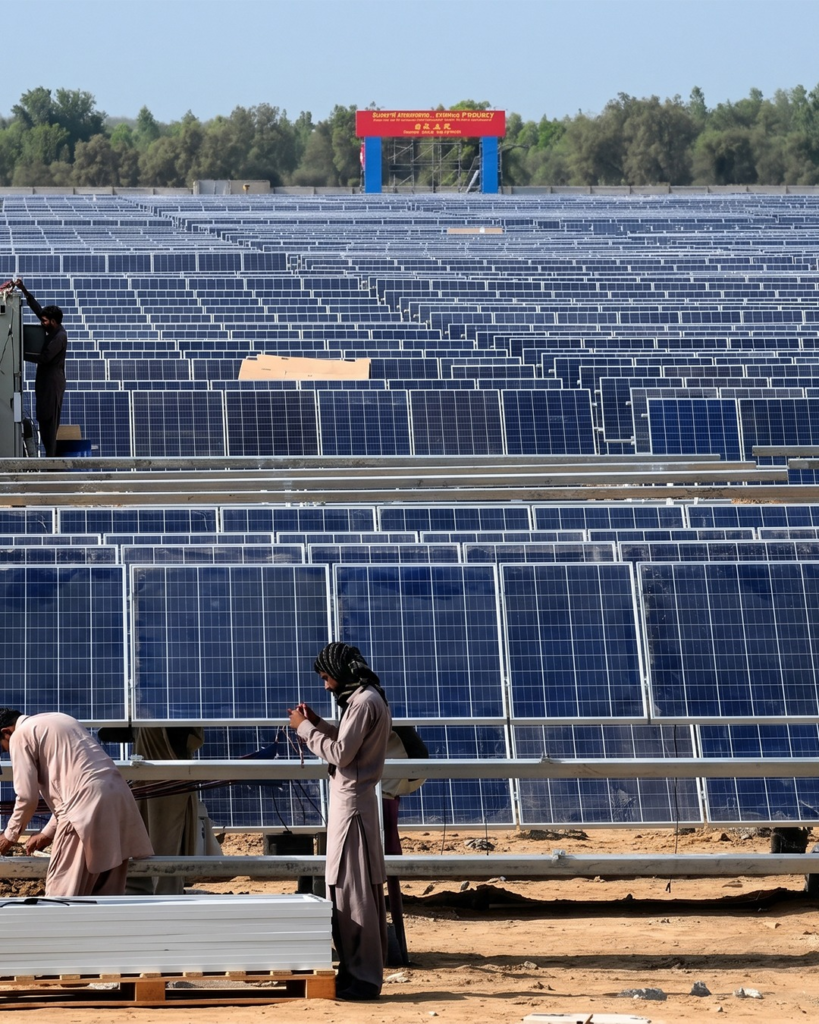
Pakistan Energy Transition has reached a defining moment. For decades, the country’s electricity system depended heavily on imported fuels and costly thermal generation. Today, the balance of power is changing dramatically. According to the Pakistan Economic Survey FY26, the country has entered a new era in which clean and indigenous energy sources now dominate the national electricity mix. The shift is not merely statistical. It represents a strategic economic transformation capable of shielding Pakistan from global oil shocks while building long-term energy security. Pakistan Energy Transition Ends Thermal Power’s Reign Pakistan’s total installed electricity generation capacity expanded by 8.5 percent to 49,651 MW by March 2026. What makes this milestone extraordinary is where the growth came from. For the first time in Pakistan’s history, hydropower, nuclear energy, renewable sources, and solar net-metering collectively account for 53.1 percent of electricity generation capacity. Thermal power, once the undisputed backbone of the system, has fallen below the halfway mark. Thermal generation capacity now represents 49.2 percent of installed capacity compared with 56.7 percent previously. The decline signals a decisive move away from imported fossil fuels that have long burdened Pakistan’s foreign exchange reserves. The real game changer has been rooftop solar. Consumer-driven solar net-metering contributed an astonishing 7,319 MW to the national grid. Households and businesses are no longer passive consumers. They are becoming electricity producers, fundamentally changing the country’s energy landscape. Solar Revolution Gives Consumers New Power The explosive growth of solar adoption reflects both necessity and opportunity. Faced with rising electricity tariffs, consumers increasingly turned toward solar systems to control costs and reduce dependence on conventional supply. The result is one of the fastest grassroots energy transitions in the region. During the first nine months of FY26, Pakistan generated 92,835 GWh of electricity. Sustainable energy sources played a leading role in meeting this demand. Thermal sources generated 43,581 GWh, maintaining the largest single contribution. Hydropower followed strongly with 27,961 GWh, highlighting the importance of indigenous water resources. Nuclear facilities produced 17,133 GWh, while renewable sources, including net-metered solar systems, contributed 4,160 GWh. The numbers tell a compelling story. Pakistan’s future energy growth is increasingly being driven by cleaner and domestically available resources. Pakistan Energy Transition Changes Consumption Patterns Electricity consumption rose by 3.8 percent to 83,143 GWh during the reviewed period. Households remained the largest electricity users, accounting for nearly 48 percent of national consumption. However, this share declined slightly as consumers responded to higher tariffs through conservation measures and solar installations. Industrial activity showed renewed momentum, absorbing 32 percent of electricity consumption as manufacturing demand recovered. Commercial users represented 8 percent of usage. Agricultural consumption declined sharply to 3 percent as farmers increasingly adopted solar-powered tube wells. Government and public sector categories accounted for the remaining 9 percent. These changing patterns indicate that efficiency and self-generation are beginning to reshape demand across sectors. Future IPPs Signal a Cleaner Energy Future Pakistan’s investment pipeline suggests the green transition is far from over. The Private Power and Infrastructure Board currently oversees 90 operational Independent Power Producers with a combined capacity of 20,769 MW. Even more revealing is the composition of the upcoming 6,536 MW project pipeline. Hydropower dominates future investments with 4,564 MW, representing 70 percent of planned capacity additions. Thar coal projects account for 1,320 MW to support grid stability using indigenous resources. The remainder includes 300 MW from imported coal and another 300 MW from solar and wind projects. The message is unmistakable. Future investments increasingly favour domestic and lower-cost energy sources. Transport Fuels Still Drive Petroleum Demand Despite progress in electricity generation, Pakistan’s petroleum sector remains heavily influenced by transportation needs. Petroleum consumption reached 13.64 million metric tonnes during July-March FY26, increasing by 3.5 percent year-on-year. The transport sector absorbed 82.5 percent of total petroleum demand. Motor Spirit consumption stood at 5.78 million tonnes, closely followed by High-Speed Diesel at 5.36 million tonnes. Furnace Oil usage continued its gradual decline as power producers shifted toward coal, hydropower, and alternative sources. The trend suggests that while electricity generation is becoming greener, transportation remains a major challenge in the country’s energy transition journey. Gas and Coal Continue Supporting Energy Security Natural gas continues to play a vital role, accounting for approximately 29.3 percent of Pakistan’s primary energy supply. Average gas consumption reached 2,929 MMCFD, including 613 MMCFD of imported RLNG to address domestic supply gaps. Meanwhile, indigenous coal usage expanded significantly. The power sector consumed 12,758.3 thousand metric tonnes of coal, representing nearly 60 percent of total national coal demand. Although coal remains controversial from an environmental perspective, the use of local resources reflects Pakistan’s broader objective of reducing dependence on expensive imports. A Turning Point for Pakistan’s Economy Pakistan Energy Transition is no longer a distant policy ambition. It is unfolding in real time. The rapid rise of solar energy, expanding hydropower investments, growing nuclear generation, and the strategic use of indigenous resources are collectively rewriting the country’s economic future. Challenges remain. Grid modernization, storage solutions, and transport sector reforms will determine how successful this transition becomes. Yet one reality is clear. Pakistan is moving from an era defined by imported fuel dependence toward a future powered increasingly by its own resources. If managed wisely, this transformation could strengthen energy security, improve economic resilience, and redefine the nation’s development trajectory for decades to come.
SPI Inflation Rises 0.05% Weekly As LPG, Diesel And Petrol Prices Increase
Editor pick

Pakistan Inflation 2026: Why Rising Energy Costs Are Threatening Price Stability Again

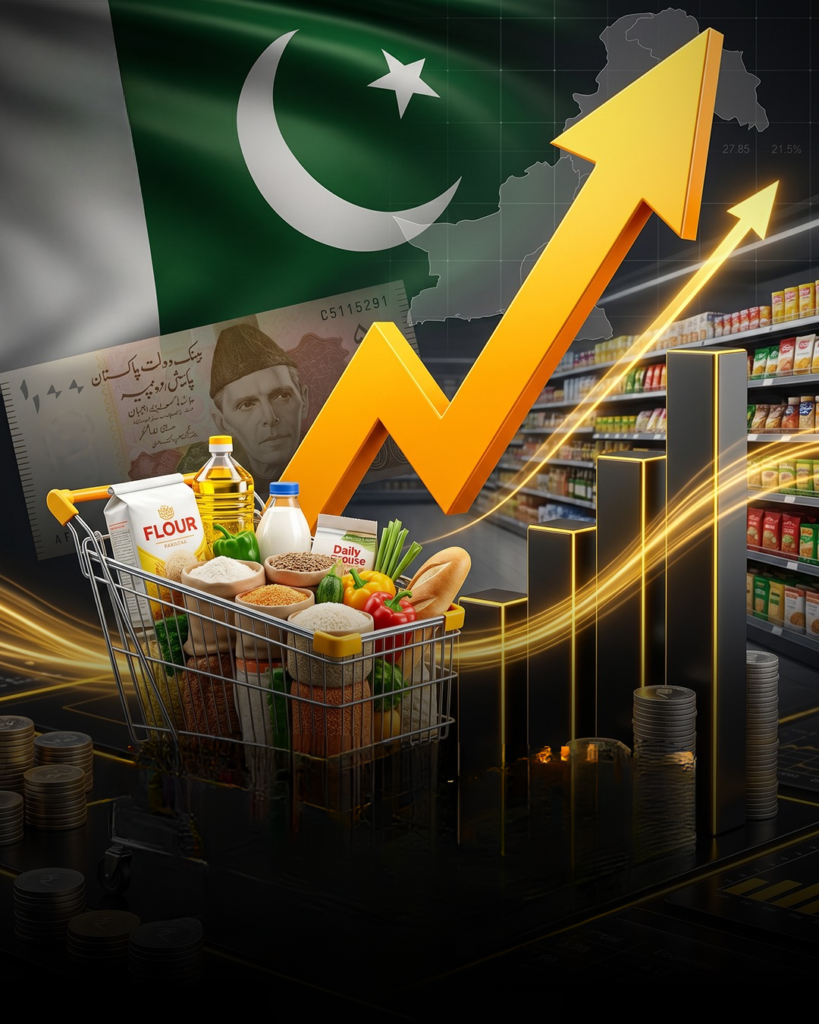
Pakistan Inflation 2026 is once again becoming a major concern for households, businesses, and policymakers despite earlier signs that price pressures were coming under control. The latest findings in the Economic Survey 2025-26 reveal that inflation is no longer being driven primarily by domestic demand. Instead, rising global energy costs, geopolitical tensions, and external commodity shocks are emerging as the biggest threats to Pakistan’s economic stability. While inflation remains far below the crisis levels seen in previous years, recent trends suggest that the battle against rising prices is far from over. Pakistan Inflation 2026 Climbs Despite Controlled Domestic Demand According to the Economic Survey, average consumer inflation stood at 6.2 percent during July-April FY2026, compared with 4.7 percent during the same period last year. The increase was largely linked to higher international energy prices and statistical base effects rather than excessive consumer spending. Policymakers argue that underlying inflationary pressures remained relatively contained for most of the fiscal year. However, the latest figures show that external developments are increasingly influencing domestic prices, creating fresh challenges for economic managers. The April Inflation Shock That Alarmed Markets One figure grabbed headlines across the country: 10.9 percent inflation in April 2026. At first glance, the jump appeared alarming. However, economists point out that April 2025 recorded an unusually low inflation rate of just 0.3 percent, making year-on-year comparisons appear significantly higher. Even so, the April surge exposed a growing problem. Non-food inflation climbed close to 14 percent in both urban and rural areas, driven by rising fuel costs, electricity tariffs, transport charges, and production expenses. Core inflation, which excludes volatile food and energy prices, painted a less dramatic picture. Urban core inflation increased modestly to 8 percent, while rural core inflation actually eased to 8.5 percent. The data suggests that imported inflation rather than excessive local demand is becoming the dominant factor behind rising prices. Pakistan Inflation 2026 Shows Sharp Differences Across Sectors Not all sectors experienced inflation equally. The strongest increase came from the Miscellaneous category, where prices surged 18.4 percent, highlighting rising costs for various consumer services. Education costs increased by 9.8 percent, placing additional pressure on middle-income families. Transport prices rebounded sharply to 7.2 percent after experiencing deflation a year earlier. Housing, electricity, gas, and fuel costs also remained elevated, recording inflation of 7.3 percent. Given that this category represents nearly one-quarter of the consumer basket, its impact on household budgets is substantial. Interestingly, food prices provided some relief. Perishable food items recorded a significant 7.9 percent decline, reflecting improved supply conditions and favorable seasonal trends. Communication costs also remained largely stable, while recreation and cultural services recorded outright deflation. Rural Pakistan Faces a New Inflation Reality A notable shift has emerged in rural inflation trends. Historically, food prices were the primary driver of inflation in rural areas. That pattern is changing. Rural inflation averaged 6.1 percent, nearly double last year’s level. However, rising costs are increasingly being driven by non-food factors such as energy, transportation, utilities, and essential services. This change signals a deeper structural challenge because energy-related inflation tends to persist longer and affects nearly every sector of the economy. Global Energy Crisis Becomes Pakistan’s Biggest Risk The most significant threat to Pakistan Inflation 2026 originates outside the country’s borders. The escalation of conflict in the Middle East during February 2026 disrupted global energy markets and increased uncertainty surrounding the Strait of Hormuz, one of the world’s most critical energy transit routes. Nearly one-third of global oil shipments and a significant share of LNG exports pass through the waterway. As tensions intensified, international energy prices surged. Global forecasts indicate energy commodity prices could rise by approximately 19 percent during 2026. Oil prices are expected to average around $82 per barrel, while several key commodities have already recorded dramatic increases. Crude oil prices jumped nearly 78 percent year-on-year. Urea prices surged over 121 percent, while soybean oil prices climbed 45 percent. For Pakistan, which relies heavily on imported petroleum products, LNG, edible oil, and industrial raw materials, these increases pose a direct threat to fuel prices, electricity tariffs, transportation costs, and food inflation. Government Moves to Prevent Another Inflation Crisis Recognizing the growing risks, the government has introduced several measures aimed at limiting the impact of rising global prices. Authorities established the Prime Minister’s Austerity Fund 2026 and rolled out targeted subsidies for motorcycles, public transport operators, and freight services. Regulatory bodies including the Economic Coordination Committee, National Price Monitoring Committee, and Competition Commission maintained close oversight of markets throughout the year. Provincial governments also intensified enforcement efforts, conducting millions of inspections to curb profiteering and prevent artificial shortages. Inflation Risks Remain Elevated The Economic Survey concludes that Pakistan’s inflation outlook remains highly sensitive to global developments. Future price trends will largely depend on energy markets, geopolitical stability, exchange rate movements, and domestic supply conditions. While inflation remains manageable compared with previous crisis periods, the recent spike serves as a warning that Pakistan’s economic recovery remains vulnerable to external shocks. If global oil prices continue rising and regional tensions persist, Pakistan Inflation 2026 could become one of the country’s most important economic challenges in the months ahead.

Trade deficit widens due to increased imports as economy gathers pace
Editor pick

Trade Deficit Widens Due To Increased Imports As Economy Gathers Pace

KARACHI: Pakistan’s current account surplus narrowed sharply during FY26 as a recovery in economic activity fuelled higher imports, underscoring the delicate balance between growth and external sector stability. According to the Pakistan Economic Survey 2025-26, the current account recorded a surplus of just $72 million during July-March FY26, compared with a much larger surplus of $1.7 billion in the corresponding period of the previous year. The deterioration primarily reflected a widening trade deficit as imports increased faster than exports. The goods trade deficit expanded to $27.9 billion from $22.7 billion a year earlier, driven by a 6.9% increase in imports amid stronger domestic demand and improving industrial activity. Economists note that rising imports are often a sign of economic recovery, particularly when manufacturers increase purchases of raw materials, machinery and intermediate goods. However, Pakistan’s history of recurring balance-of-payments crises means policymakers remain cautious about sustained import growth. The survey highlighted several positive developments that helped prevent the current account from slipping into deficit. Remittances increased by 8.2% to reach $30.3 billion during July-March FY26, providing a vital cushion against the expanding trade gap. The services account deficit narrowed to $2.1 billion from $2.3 billion, supported largely by strong growth in IT exports. Meanwhile, the primary income deficit declined by $364 million to $6.4 billion due to lower interest payments on external liabilities. Pakistan’s financial account also improved, recording a net inflow of $194 million compared with a net outflow of $1 billion during the previous year. The improvement was supported by higher official loan disbursements and multilateral financing. Foreign exchange reserves strengthened substantially, reaching $22.6 billion by mid-May 2026, including $17.1 billion held by the State Bank of Pakistan. The exchange rate remained broadly stable during the fiscal year, averaging Rs281.1 per dollar. Officials argue that stronger reserves and a stable currency have improved investor confidence and reduced external vulnerabilities. Analysts say the shrinking current account surplus reflects the next phase of Pakistan’s economic recovery, where stronger growth inevitably generates higher import demand. The key challenge will be ensuring export growth, remittances and foreign investment continue to expand sufficiently to finance those imports without creating renewed pressure on the balance of payments. For now, Pakistan has managed to preserve external stability, but the survey’s figures suggest that sustaining growth while maintaining a manageable external position will remain one of the government’s most important economic tests.

SBP Research Agenda 2026-2029: State Bank Unveils Bold Plan to Reshape Pakistan's Economic Future
Editor pick, Pakistan

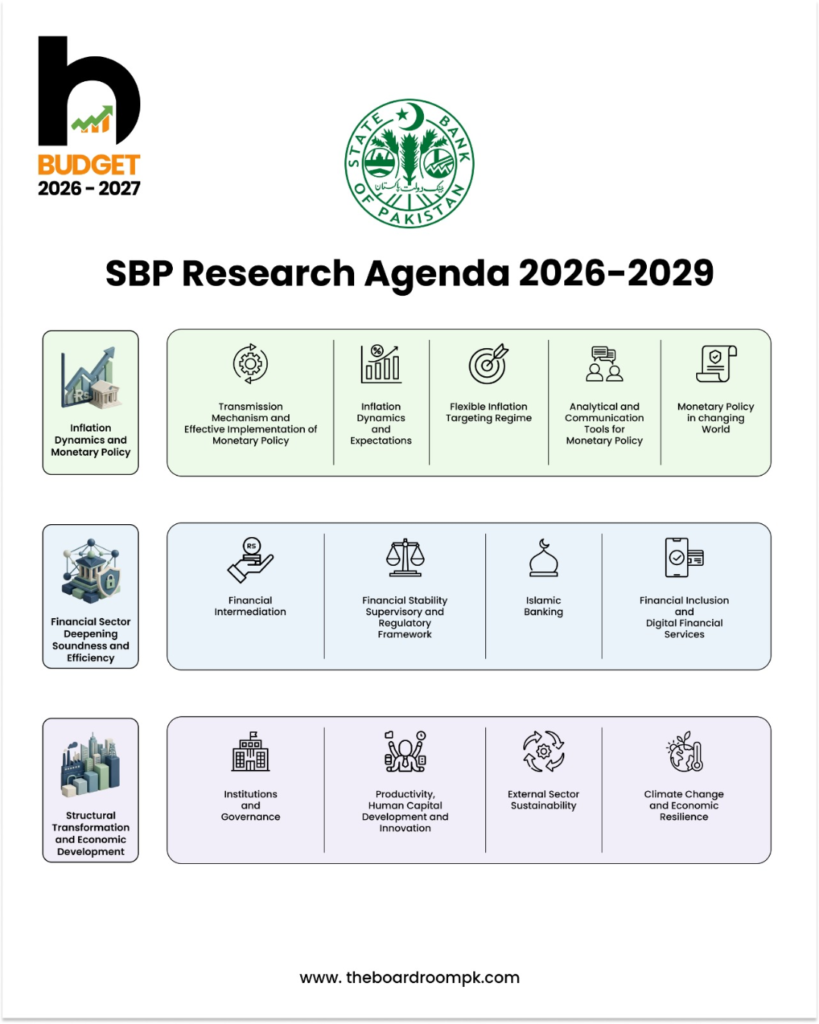
SBP Research Agenda 2026-2029: State Bank Unveils Bold Plan to Reshape Pakistan’s Economic Future

The SBP Research Agenda 2026-2029 is far more than a routine policy document. It is a revealing blueprint that exposes the deep-rooted weaknesses of Pakistan’s economy and lays out how the country’s central bank intends to confront them. At a time when Pakistan continues to grapple with inflation shocks, recurring balance of payments crises, weak productivity, and a narrow financial base, the State Bank of Pakistan has acknowledged that traditional solutions are no longer enough. The newly released three-year roadmap seeks answers to some of the country’s most difficult economic questions while inviting academics, researchers, policymakers, and institutions to help shape future policy decisions. SBP Wants Answers to Why Monetary Policy Often Fails In the foreword to the document, SBP Governor Jameel Ahmad said the objective is to identify factors that weaken the effectiveness of regulations and policy tools so authorities can deliver more timely and informed responses. One of the most striking admissions in the agenda is that monetary policy transmission in Pakistan often works imperfectly. The central bank believes structural problems such as informality, limited financial access, institutional weaknesses, and fragmented markets dilute the impact of policy rate changes. The agenda seeks to understand why some interest rate decisions fail to influence spending, borrowing, and investment as intended. Can Inflation Ever Be Controlled Effectively? A major focus of the SBP Research Agenda 2026-2029 revolves around inflation. Researchers have been tasked with studying whether Pakistan should formally move toward flexible inflation targeting and, if so, how such a framework should be designed. Critical questions include: • What inflation target is realistic for Pakistan?• How wide should the tolerance band be?• How long should policymakers take to achieve targets?• How do supply shocks affect public confidence in the central bank? The document also acknowledges that climate change is emerging as a powerful driver of inflation volatility and can no longer be ignored in economic planning. Digital Currency and Virtual Assets Enter the Conversation In one of the agenda’s most forward-looking sections, SBP raises questions about technologies that until recently remained outside mainstream policy discussions. The central bank plans to examine whether a central bank digital currency could improve monetary policy transmission and what risks expanding digital financial services and virtual asset investments may pose to financial stability. The move suggests Pakistan’s financial authorities are preparing for a future increasingly shaped by technological disruption. Pakistan’s Financial Sector Under the Spotlight The second pillar of the SBP Research Agenda 2026-2029 focuses on financial sector deepening. Despite decades of banking growth, Pakistan continues to face low credit penetration and limited financial inclusion. Banks dominate the financial landscape while capital markets and non-bank institutions remain relatively weak. SBP wants researchers to determine whether these shortcomings stem from temporary economic conditions or deeper structural problems. The agenda seeks evidence on issues such as: • Whether banks are allocating enough credit to the private sector.• How funding structures influence lending decisions.• Whether liquidity management policies discourage deposit growth.• How minimum deposit rates affect economic stability.• How macroprudential tools should complement monetary policy. Islamic Versus Conventional Banks Another notable aspect of the roadmap is its call for a comparative analysis of Islamic and conventional banking models. Researchers will assess their efficiency, pricing mechanisms, credit allocation practices, operational costs, and resilience during financial shocks. The findings could shape future regulatory priorities within Pakistan’s dual banking system. Breaking Pakistan’s Boom and Bust Cycle Perhaps the most consequential section of the document addresses Pakistan’s chronic economic instability. The central bank openly recognizes that the country’s large undocumented economy undermines reliable data collection and weakens policy effectiveness. Research priorities include identifying ways to encourage formalization through: • Tax simplification.• Greater digitalization.• Easier regulatory procedures.• Reduced compliance burdens. The objective is clear. Pakistan cannot sustainably grow while significant portions of economic activity remain outside the formal system. The Big Questions About Remittances and Foreign Investment The SBP Research Agenda 2026-2029 also explores external vulnerabilities that repeatedly trigger economic crises. Researchers have been asked to examine how foreign direct investment, portfolio inflows, and external borrowing affect resilience. One particularly intriguing question stands out: Are workers’ remittances an economic blessing that supports stability, or do they create hidden vulnerabilities over time? The answer could influence future strategies for managing Pakistan’s external accounts. AI, Migration and Climate Transition Shape the Future The agenda extends beyond conventional economics. SBP wants deeper research into export diversification, global value chains, demographic shifts, migration patterns, technological transformation, and artificial intelligence adoption. It also prioritizes understanding the short- and medium-term economic consequences of Pakistan’s transition toward a low-carbon economy. These themes indicate that the central bank is increasingly looking beyond immediate crises and preparing for long-term structural change. A Research Agenda That Reflects Economic Reality The SBP Research Agenda 2026-2029 reveals an institution willing to confront uncomfortable truths about Pakistan’s economic system. By admitting the limitations of existing frameworks and inviting broad collaboration, the State Bank appears determined to replace assumptions with evidence. Whether this ambitious exercise translates into meaningful reforms remains to be seen. However, one message from the agenda is unmistakable: Pakistan’s economic challenges have evolved, and solving them will require fresh thinking, rigorous research, and policies grounded in reality rather than tradition.

NEC Approves Rs3.2t Development Budget as Provinces Agree to Provide Rs920b Grant
Editor pick, Pakistan

NEC Approves Rs3.2t Development Budget as Provinces Agree to Provide Rs920b Grant

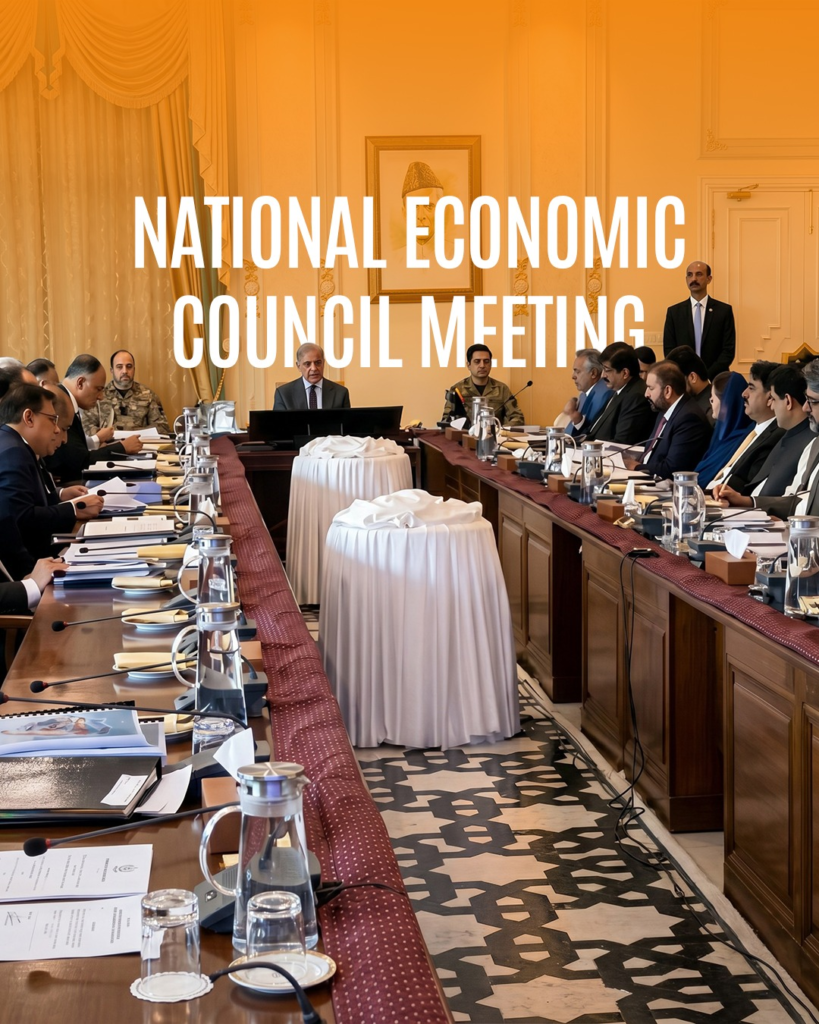
The National Economic Council (NEC) on Wednesday approved a Rs3.2 trillion national development budget for the next fiscal year after three provinces agreed to freeze their development spending and provide Rs920 billion in grants to the federal government. The decision came amid mounting financial pressures and increased funding requirements for defense and water sector projects. Prime Minister Shehbaz Sharif chaired the NEC meeting, which also approved key macroeconomic targets for fiscal year 2026-27. Development Budget Reduced by 25% The approved development envelope of Rs3.2 trillion is around 25 percent lower than the Rs4.25 trillion initially proposed by the Annual Plan Coordination Committee (APCC) earlier this month. Planning Minister Ahsan Iqbal told reporters after the meeting that provincial governments had agreed to maintain their Annual Development Programmes (ADPs) at the actual spending levels of the current fiscal year. As a result, provincial development budgets have been reduced by Rs920 billion compared with the targets approved by the APCC. The NEC approved provincial development plans worth Rs2.218 trillion and a trimmed Public Sector Development Programme (PSDP) of Rs1 trillion. The revised PSDP is Rs126 billion lower than the amount initially approved. Provinces to Provide Rs920 Billion to Centre According to the new arrangement, provinces will provide a one-time grant of Rs920 billion to help the federal government meet urgent financing needs. The federal government had sought Rs1.2 trillion from the provinces to fund defense expenditures and strategic water projects. Ahsan Iqbal said the Finance Ministry was finalising the mechanism for transferring and accounting for the funds. Prime Minister Shehbaz Sharif thanked the provincial governments for their cooperation and consultations. He said the assistance reflected a collective effort to address national priorities. IMF Chief Briefed on New Fiscal Arrangement Prime Minister Shehbaz Sharif informed the NEC meeting that he had spoken with International Monetary Fund (IMF) Managing Director Kristalina Georgieva regarding the agreement between the Centre and provinces. According to the prime minister, Georgieva appreciated Pakistan’s efforts to create a coordinated fiscal framework. Under the arrangement, the federal government will retain most of the additional revenue generated through the National Finance Commission (NFC) award during the next fiscal year. The arrangement will temporarily reduce the effective share of provinces in the divisible pool, which currently stands at 57.5 percent. Officials said the agreement is contingent upon the Federal Board of Revenue (FBR) achieving its tax collection target. FBR Tax Target Set at Rs15.26 Trillion The FBR has been assigned a tax collection target of Rs15.264 trillion for fiscal year 2026-27. However, the tax authority has missed its targets by a combined Rs2.2 trillion over the last two fiscal years. Government officials said provincial contributions would be treated as grants and would not permanently alter the NFC formula. The provinces have deferred any long-term changes to revenue-sharing arrangements. Punjab Sees Biggest Reduction in Development Spending According to Ahsan Iqbal, Punjab’s development budget has been approved at Rs749 billion, which is Rs701 billion lower than the amount proposed by the APCC. Sindh’s development allocation stands at Rs706 billion, down by Rs110 billion. Khyber-Pakhtunkhwa’s development outlay has been fixed at Rs455 billion, reflecting a reduction of Rs109 billion. Balochistan’s development budget remains unchanged at Rs308 billion. Punjab Chief Minister Maryam Nawaz did not attend the meeting due to recovery from a recent medical procedure. Chief ministers from the remaining provinces participated in the session. Government Emphasises Defense and Counterterrorism Addressing the meeting, Prime Minister Shehbaz Sharif said strengthening national defense remained Pakistan’s top priority. He highlighted the sacrifices made by the armed forces, law enforcement agencies and the people of Khyber-Pakhtunkhwa and Balochistan in the fight against terrorism. The prime minister stressed that cooperation between the federation and provinces had played a key role in maintaining stability and would remain essential in the future. Focus Shifts From Stability to Growth Prime Minister Shehbaz said Pakistan must move beyond macroeconomic stability and focus on economic expansion. He called for policies aimed at increasing exports, boosting manufacturing and generating employment opportunities. Ahsan Iqbal said Pakistan could not continue relying on loans and support from friendly countries. He stressed that the national discourse should now focus on exports, productivity and sustainable economic growth. The planning minister also criticized the federal bureaucracy, describing it as one of the biggest obstacles to development. He said reforms were needed to modernize administrative structures that still operate with a colonial-era mindset. NEC Approves Key Economic Targets The NEC approved a 4 percent GDP growth target for fiscal year 2026-27. Inflation has been targeted at 8.2 percent. The agriculture sector is expected to grow by 3.8 percent, while large-scale manufacturing has been assigned a growth target of 4.5 percent. The industrial sector overall is projected to expand by 4 percent, supported by improvements in manufacturing, mining, construction and energy. Meanwhile, the services sector is expected to grow by 4.2 percent. The NEC approved a savings target equivalent to 14.3 percent of GDP and an investment target of 15 percent of GDP. Current Account Deficit Projected at $3.6 Billion The council approved a current account deficit target of $3.6 billion, or 0.7 percent of GDP, for the next fiscal year. Exports are projected to rise to $32.8 billion, while imports are expected to exceed $70 billion. As a result, the trade deficit is estimated at $37 billion. Remittances are expected to reach $42.3 billion, although officials acknowledged that uncertainties in the Middle East could affect inflows. Quarterly NEC Meetings Planned Ahsan Iqbal said the NEC had largely become a ceremonial body in recent years. He announced that quarterly meetings would now be held to monitor economic targets and development projects more effectively. The NEC also approved 11 reform initiatives aimed at addressing structural weaknesses, increasing exports, improving productivity and strengthening agriculture and human capital development.

Pakistan Fiscal Deficit Falls to 0.7 Percent as Austerity and Revenue Surge Reshape Economy
Editor pick, Pakistan

Pakistan Fiscal Deficit Falls to 0.7 Percent as Austerity and Revenue Surge Reshape Economy

Pakistan fiscal deficit has witnessed a dramatic collapse, offering one of the strongest signs yet that the country’s painful economic reforms may finally be paying off. According to the Economic Survey of Pakistan 2025-26, the overall fiscal deficit narrowed sharply to just 0.7 percent of GDP during July 2025 to March 2026. During the same period a year earlier, the deficit stood at 2.6 percent of GDP. For a country long trapped in a cycle of debt accumulation, IMF negotiations, and budgetary crises, this turnaround represents a significant shift in Pakistan’s economic story. The improvement was driven by stronger revenue collection, aggressive austerity measures, lower interest payments, and tighter fiscal discipline at both federal and provincial levels. Pakistan Fiscal Deficit Improvement Signals a Major Shift The latest figures reveal that Pakistan generated a primary surplus of Rs4.09 trillion, equivalent to 3.2 percent of GDP. This exceeded the Rs3.47 trillion primary surplus recorded during the same period of FY2024-25. A primary surplus means the government earned enough revenue to cover all expenditures except debt servicing obligations. Economists often view this indicator as a critical measure of fiscal health. The achievement becomes even more remarkable considering Pakistan’s long-standing reputation for weak tax collection and persistent fiscal slippages. Revenue Boom Changed the Fiscal Equation The government’s success was underpinned by stronger revenue generation. Pakistan’s consolidated revenues climbed to Rs14.79 trillion during the first nine months of FY2025-26, representing a growth of 10.7 percent compared with the previous year. Tax revenues rose by 11.3 percent to Rs10.17 trillion, while non-tax revenues increased by 9.5 percent to Rs4.63 trillion. Federal Board of Revenue collections maintained double-digit growth and crossed the Rs10 trillion mark during the July-April period. However, despite the improvement, the FBR still fell Rs684.4 billion short of the ambitious targets agreed under IMF-supported fiscal reforms. Austerity Measures Delivered Breathing Space The biggest relief came from falling debt servicing costs. Total interest payments dropped by 23.2 percent to Rs4.95 trillion, compared with Rs6.44 trillion during the same period last year. The reduction reflected lower domestic interest rates and improved debt management practices. The federal government also imposed strict spending controls that included: • A ban on the purchase of luxury and non-essential government vehicles.• A freeze on creating new public sector positions.• The abolition of vacant government posts that remained unfilled for more than three years.• Restrictions on publicly funded foreign visits and overseas medical treatments. These decisions helped reduce consolidated expenditures by 4.2 percent despite continued inflationary pressures. Pakistan’s Tax System Undergoes a Structural Transformation Beyond short-term gains, Pakistan’s tax structure is beginning to evolve. Historically, the country relied heavily on indirect taxation, which disproportionately affected ordinary consumers. Now, direct taxes account for 49.3 percent of total FBR revenues, up significantly from 36.5 percent in FY2021. At the same time, indirect taxes declined to 50.7 percent of collections. The provinces also introduced synchronized Agriculture Income Tax legislation, bringing agricultural earnings closer to taxation standards applied to corporations and salaried individuals. This reform has long been considered politically difficult but economically necessary. Provinces Quietly Became Fiscal Heroes One of the less discussed aspects of Pakistan’s fiscal turnaround is the role played by provincial governments. Combined provincial surpluses surged from Rs518.2 billion in FY2024 to Rs921.5 billion in FY2025. Punjab generated the largest surplus at Rs348.5 billion. Sindh more than doubled its reserves to Rs283 billion. Khyber Pakhtunkhwa raised its surplus to Rs176.2 billion. Balochistan maintained stable fiscal discipline with a surplus of Rs113.8 billion. These surpluses strengthened the national balance sheet and supported federal consolidation efforts. Development Spending Was Not Sacrificed Critics often argue that austerity comes at the expense of growth. However, Pakistan attempted to avoid that trap. Development expenditures and net lending expanded by 18.7 percent to Rs1.83 trillion during July-March FY2025-26. Under the Public Sector Development Programme, more than 98 percent of allocations were directed toward completing ongoing projects rather than launching politically motivated initiatives. Infrastructure projects received the largest share of funding, followed by investments in health, education, Special Areas, and the merged districts of Khyber Pakhtunkhwa. Can Pakistan Sustain This Fiscal Discipline? The Pakistan fiscal deficit story is impressive, but the celebration may be premature. The Economic Survey warns that rising geopolitical tensions in the Middle East pose serious threats to these gains. Any sharp increase in oil prices, disruptions to global supply chains, or renewed inflationary pressures could rapidly reverse recent progress. Higher energy costs could force the government back into expensive subsidies, widen debt obligations, and place renewed stress on public finances. Pakistan has demonstrated that fiscal discipline is possible. The real challenge now is sustaining it in an increasingly uncertain global environment. The next few months will determine whether this historic turnaround marks the beginning of lasting economic stability or merely a temporary reprieve in Pakistan’s long struggle against fiscal vulnerability.

Cyber Fraud Cases Include 40% Financial Scams, Tariq Nawaz, Additional Director NCCIA
Editor pick

Cyber Fraud Cases Include 40% Financial Scams, Tariq Nawaz, Additional Director NCCIA

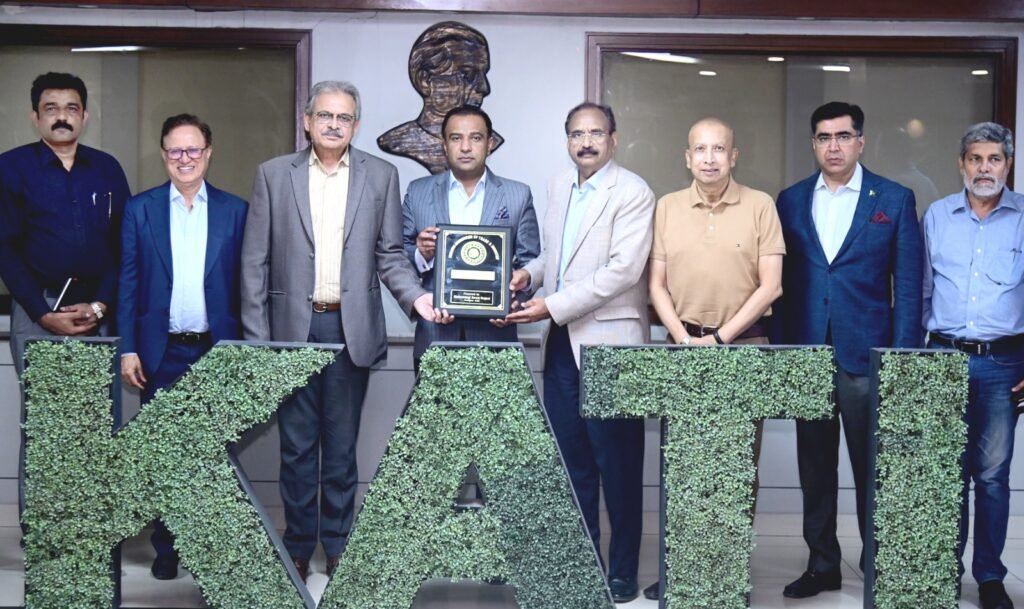
KARACHI: Additional Director of the National Cyber Crime Investigation Agency (NCCIA), Karachi Zone, Muhammad Tariq Nawaz, said that nearly 40 percent of cyber fraud cases involve financial scams and emphasized the need for stronger institutional coordination and public awareness to combat the growing threat. He expressed these views during his visit to the Korangi Association of Trade and Industry (KATI), where he addressed members of the business community. The event was attended by KATI President Muhammad Ikram Rajput, Deputy Patron-in-Chief Zubair Chhaya, Senior Vice President Zahid Hameed, Vice President Muhammad Talha Ali, Standing Committee Chairman Danish Khan, former President Farhan-ur-Rehman, Masood Naqi, NCCIA Deputy Director Arsalan Manzoor, and other members. Speaking on the occasion, Tariq Nawaz said cyber crime reporting centers have been established across Pakistan and their network is being expanded to improve access and response. He added that a proposal has been submitted to the government to establish a National Cyber Fraud Management Center, which would facilitate timely sharing of information about fraud victims with relevant institutions.He further announced that NCCIA and KATI would work together to develop a joint mechanism and platform through which industrialists and business owners could register complaints and seek guidance regarding cyber-related incidents. Highlighting the sophistication of cybercrime networks, Nawaz said such crimes are often carried out by organized groups that gain access to sensitive information and exploit it to deceive citizens. He stressed that preventing information leaks and restricting unauthorized access to personal and financial data are essential steps toward controlling cybercrime. He noted that NCCIA is actively creating public awareness through multiple communication channels and providing practical guidance on protecting sensitive information and avoiding online fraud.“Citizens also have a responsibility to remain vigilant and not fall victim to fraudulent tactics,” he said, adding that criminal elements continue to develop new methods of deception as technology evolves.Earlier, KATI President Muhammad Ikram Rajput said the world is rapidly moving toward a digital economy and Pakistan’s industrial, commercial, banking, export, e-commerce and supply chain sectors are increasingly dependent on digital systems. He observed that while digital transformation has created business opportunities, it has also increased exposure to cyber fraud, data theft, ransomware attacks, fake websites, phishing schemes, financial scams and identity theft. Rajput emphasized that cyber security is no longer merely an IT concern but has become critical for business continuity, investment protection, export credibility and economic stability.He proposed appointing a focal person between KATI and NCCIA, noting that many businesses still lack complete information about NCCIA’s role and services. He also called for more proactive awareness initiatives for the business community. Deputy Patron-in-Chief Zubair Chhaya remarked that cyber crime has accelerated alongside increased digital engagement. He said public awareness remains the most effective tool to prevent online fraud and stressed the importance of educating businesses about NCCIA’s jurisdiction and the types of fraud cases that should be reported immediately. Standing Committee Chairman Danish Khan stated that cyber crime is increasingly becoming organized in nature, with criminal groups often possessing extensive customer data that enables them to target victims more effectively. He said closer collaboration between KATI and NCCIA would strengthen trust within the business community and support efforts to curb cyber-enabled crime. Deputy Director Arsalan Manzoor and Senior Vice President Zahid Hameed also addressed the gathering.

Reckitt Benckiser Deposits Rs30 Million Penalty Imposed by CCP in Strepsils Deceptive Marketing Case
Editor pick

Reckitt Benckiser Deposits Rs30 Million Penalty Imposed by CCP in Strepsils Deceptive Marketing Case

ISLAMABAD, 09 June 2026: The Competition Commission of Pakistan (CCP) has recovered Rs30 million from Reckitt Benckiser Pakistan Limited following the Competition Appellate Tribunal’s (CAT) decision upholding CCP’s finding that the company had engaged in deceptive marketing of its product. The recovery follows the Tribunal’s decision on an appeal against CCP’s order dated 9 February 2021, in which the Commission had found the company guilty of disseminating misleading information to consumers regarding the nature and character of the product, in violation of Section 10(2)(b) of the Competition Act, 2010. In its judgment, the Tribunal upheld CCP’s finding that the company had engaged in deceptive marketing practices by creating the impression that Strepsils was a medicinal product for the relief of sore throat despite its deregistration as a drug and its subsequent marketing as a non-medicated product. The product is currently registered as a food item. The Tribunal directed Reckitt Benckiser to pay a penalty of Rs30 million and to fully comply with the corrective measures prescribed by the Commission within the stipulated timeframe. The case originated from a complaint filed by M/s Square Distribution & Marketing System (Pvt.) Limited, which alleged that the company’s advertising and marketing campaigns were misleading consumers regarding the product’s status and characteristics. In its decision, the Tribunal also noted that the company had introduced substantial changes to the product’s packaging and disclosures following CCP’s proceedings. These changes included the prominent display of the disclaimer “Non-Medicated” in both English and Urdu on the front of the packaging and blister packs, enhancing transparency for consumers. As part of CCP’s directions, the company is also required to prominently publicize the change in the product’s status from a medicated/drug category to a food category through advertisements in widely circulated English and Urdu newspapers across Pakistan until full compliance is achieved. The recovery of the penalty reflects CCP’s continued efforts to safeguard consumer interests and ensure that businesses provide accurate, clear, and truthful information regarding their products and services. The Commission remains committed to combating deceptive marketing practices and promoting transparency, informed consumer choice, and fair competition in the marketplace.

Few Know It Exists, Yet PMEX Trades Rs32 Billion Daily
Editor pick

Few Know It Exists,Pakistan Mercantile Exchange (PMEX) Trades Rs32 Billion Daily

Pakistan Mercantile Exchange (PMEX), the country’s only regulated commodity futures exchange, recorded a sharp rise in trading activity during FY2025-26, with annual turnover surging to Rs9.77 trillion despite limited public awareness of the platform and a broker network that has remained largely unchanged over the years. The exchange reported average daily trading volume of Rs32 billion and monthly turnover of Rs977 billion during the fiscal year. Activity peaked at a record Rs177 billion in a single day on October 17, 2025, while monthly volume reached an all-time high of Rs1.8 trillion in October. The growth highlights increasing investor interest in alternative asset classes and commodity-linked products at a time when Pakistan’s financial markets are gradually broadening beyond traditional investments such as stocks, bank deposits and real estate. PMEX Chief Executive Officer Khurram Zafar in an interview said the exchange’s performance demonstrates growing demand for regulated investment avenues, although awareness about commodity trading remains considerably lower than its actual market size. “Many people still do not know that Pakistan has a regulated commodity exchange that opens foot 22 hours and records tens of billions of rupees in daily transactions,” he said while speaking to The Boardroom Pakistan. According to PMEX data, total accounts opened on the platform have reached 67,585. Gold remained the most actively traded product during the fiscal year, followed by currencies traded through Contracts of Trade (COTs), silver, indices and platinum. The dominance of gold reflects investors’ preference for safe-haven assets during periods of economic uncertainty and exchange rate volatility. Currency contracts also attracted significant participation as businesses and investors sought tools to manage foreign exchange risks. Despite the impressive growth in trading volumes, PMEX continues to operate through a relatively small network of approximately 60 to 70 active brokers, a number that industry participants say has remained broadly stagnant for years. The contrast between rising trading activity and a limited broker base has raised questions about the untapped potential of Pakistan’s commodity market. Market experts believe that greater investor education and wider participation could significantly expand the size of the exchange. Unlike many international online trading platforms, PMEX follows a broker-mediated model in which investors access the market through licensed intermediaries, noted the CEO. While this structure strengthens regulatory oversight and investor protection, it also limits direct engagement between the exchange and retail investors. Meanwhile, foreign online trading applications have rapidly gained popularity among young Pakistanis through aggressive digital marketing campaigns. The trend has become increasingly visible as smartphone penetration and broadband connectivity expand across the country. Thousands of young investors have opened accounts on offshore trading platforms that offer direct access to foreign exchange, commodities and other instruments. According to Zafar, the popularity of such platforms is driven not only by technology and marketing but also by their ability to directly engage potential investors. He noted that regulated institutions face significantly higher compliance obligations imposed by the Securities and Exchange Commission of Pakistan (SECP), the State Bank of Pakistan (SBP) and other regulatory authorities. These compliance requirements increase operational costs but provide safeguards designed to protect investors and ensure market integrity. Unregulated platforms, on the other hand, often operate outside Pakistan’s regulatory framework while competing for the same pool of investors. Industry observers argue that the rapid growth of these platforms demonstrates strong appetite for investment products among Pakistan’s youth and middle-income households. Rather than viewing the trend as a threat, they suggest policymakers should focus on expanding the regulated investment ecosystem to accommodate growing demand. The government has already initiated efforts to bring some international digital trading and virtual asset platforms such as Binance under regulatory oversight, reflecting a broader shift towards formalising emerging financial markets. For PMEX, however, the significance of growing trading volumes extends beyond investment activity. Zafar believes commodity exchanges can play a wider role in improving market efficiency across the economy. A well-functioning commodity exchange helps establish transparent prices, reduce information gaps and improve confidence among market participants. Such mechanisms are particularly important in developing economies where commodity markets are often fragmented and characterised by inconsistent pricing. The exchange is also promoting the development of certified warehousing and electronic warehouse receipt systems that could eventually support agricultural commodities such as wheat, rice and other crops. Such systems would allow farmers to store produce in accredited facilities and obtain financing against warehouse receipts rather than selling immediately after harvest at depressed prices. Supporters argue that this approach can strengthen supply chains, reduce post-harvest losses and improve returns for producers while ensuring more stable supplies for processors and consumers. Globally, major commodity exchanges play a critical role in connecting producers, consumers, traders, financiers and investors within organised marketplaces. Analysts say Pakistan’s commodity sector remains at an early stage compared to international markets, but the rapid growth in PMEX trading volumes indicates increasing acceptance of commodity-linked investment products. With turnover approaching Rs10 trillion, record trading activity and a growing investor base, PMEX is gradually emerging as an important component of Pakistan’s financial infrastructure. The challenge now is converting that momentum into broader public participation and deeper integration with the real economy. For a platform that remains unfamiliar to many Pakistanis despite handling billions of rupees in daily transactions, the latest growth figures suggest that commodity trading is moving steadily from the margins towards the mainstream of the country’s investment landscape

Kcci Urges Government To Learn From Past Policy Failures, Reverse Anti-Business Measures In Budget 2026-27
Editor pick

KCCI Urges Government To Learn From Past Policy Failures, Reverse Anti-Business Measures In Budget 2026-27

KARACHI: Chairman Businessmen Group (BMG) Zubair Motiwala and President Karachi Chamber of Commerce & Industry (KCCI) Rehan Hanif have called upon the federal government to avoid repeating policy mistakes that have damaged economic activity, weakened exports, discouraged investment, and undermined industrial competitiveness, urging policymakers to seriously consider the business community’s recommendations while finalizing the Federal Budget 2026-27. In a joint statement, KCCI leadership stated that the disappointing outcomes of several fiscal measures introduced over the past two years should serve as a cautionary lesson for policymakers. They emphasized that many of these measures had been strongly opposed by KCCI well before their implementation, with detailed warnings supported by facts and economic analysis. Unfortunately, those concerns were ignored, resulting in consequences that have adversely affected businesses, exports, investment, employment, and government revenues. Commenting on the shift of exporters from the Final Tax Regime (FTR) to the Normal Tax Regime (NTR) under the Finance Act 2024, Zubair Motiwala stated that KCCI had categorically warned that increasing the tax burden on exporters would prove counterproductive. “The government adopted a short-term revenue approach without considering its long-term impact on exports and economic growth. The results are now evident. Pakistan’s exporter base has shrunk, export competitiveness has suffered, and tax collection from exporters has failed to achieve the desired outcome. At a time when global supply chain disruptions and geopolitical developments presented a unique opportunity for Pakistan to capture additional export markets, the country failed to capitalize on those opportunities.” He reiterated KCCI’s demand for the immediate restoration of the Final Tax Regime at a 1 percent rate for all exporters, stressing that export growth remains the most sustainable path towards improving foreign exchange reserves and economic stability. President KCCI Rehan Hanif expressed serious concern over the removal of the Export Facilitation Scheme (EFS) benefits on yarn and fabric. He stated that the scheme had played a critical role in enhancing the competitiveness of Pakistan’s export-oriented industries. “KCCI had never supported misuse of the scheme, but instead of abolishing the facility, we had proposed stricter monitoring and reforms to ensure transparency and fairness. Unfortunately, the decision has negatively impacted exporters’ liquidity while failing to achieve the intended objectives.” KCCI leadership also strongly criticized the continuation of Super Tax under Section 4C, describing it as a punitive levy that discourages growth, investment and entrepreneurship. “Taxing success is neither a sustainable nor growth-oriented policy. Businesses that expand, invest and create employment should be encouraged rather than penalized. While such taxes may generate short-term revenues, they significantly damage investor confidence, discourage foreign direct investment and force businesses to postpone or abandon expansion plans”, said Zubair Motiwala. Highlighting the severe challenges facing industry due to energy costs, Rehan Hanif noted that KCCI has consistently advocated for regionally competitive utility pricing. He said that the withdrawal of Regionally Competitive Energy Tariff (RCET) had severely undermined Pakistan’s export competitiveness, making industrial electricity among the most expensive in the region. “Countries such as India, Bangladesh and Vietnam continue to attract export orders due to their competitive energy pricing structures while Pakistani exporters struggle with unsustainable production costs. The restoration of RCET is essential to revive industrial growth, generate employment, increase exports and strengthen the national economy,” he remarked. Referring to gas pricing and supply policies, Zubair Motiwala observed that successive governments have failed to address structural flaws within the energy sector while burdening productive industries with the costs of inefficiencies, leakages, theft and cross-subsidies. “Industrial consumers, who maintain one of the highest bill recovery rates in the country, are unfairly carrying the financial burden of systemic inefficiencies. Despite repeated tariff increases and policy interventions, circular debt continues to rise. This demonstrates that existing policies are failing to address the root causes of the problem,” he said. To resolve these longstanding issues, Chairman BMG proposed the segregation of SSGC operations into separate entities for industrial and non-industrial consumers, enabling transparent accounting, improved efficiency and better identification of sources contributing to circular debt. Motiwala also raised concerns regarding a number of regulatory and taxation measures that continue to create unnecessary hardships for businesses. These include annual biometric verification requirements under SRO 350, unresolved technical flaws in the digital invoicing framework requires further refinement and testing before full-scale implementation. We strongly recommend extending the integration deadline until December 2026 to allow businesses and authorities sufficient time to address existing shortcomings,” he added. KCCI leadership, however, appreciated Prime Minister Shehbaz Sharif for his positive engagement with the business community during his recent meeting with KCCI on June 1, 2026. They welcomed several important commitments made by the Prime Minister, including the establishment of a PRAL office in Karachi, expeditious processing of pending sales tax refunds, regular presence of senior FBR officials in Karachi, and amendments to the Electric Vehicle Policy aimed at promoting local manufacturing and reducing dependence on imports. “These measures reflect a positive response to genuine concerns raised by the business community and demonstrate the Prime Minister’s willingness to engage constructively with stakeholders”, said Motiwala. In their concluding remarks, Chairman BMG Zubair Motiwala and President KCCI Rehan Hanif urged the government to carefully review the recommendations submitted by KCCI and other trade bodies before finalizing the Federal Budget 2026-27. “The business community is not merely highlighting problems; it is offering practical, evidence-based solutions to strengthen Pakistan’s economy. Policymakers must recognize that economic growth, export expansion, industrialization and revenue generation are interlinked objectives that can only be achieved through consultation and partnership with the private sector. The government must reverse policies that have demonstrably failed and adopt measures that promote investment, competitiveness, exports and sustainable economic growth. Pakistan’s economic future depends on a strong partnership between the government and the business community because Pakistan and its entrepreneurs cannot succeed in isolation”, they concluded.

Scroll to Top