
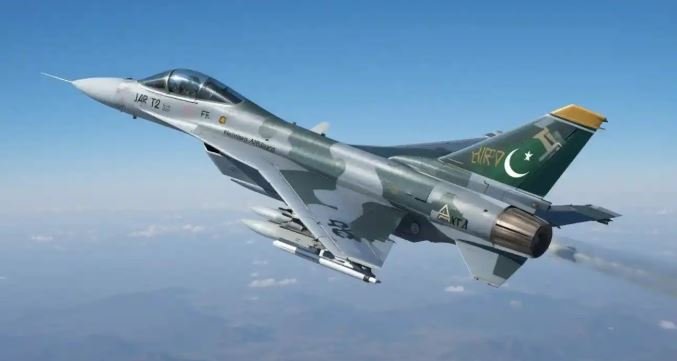
Pakistan’s automobile industry has struggled to achieve meaningful exports despite decades of protection and substantial subsidies, while the aerospace sector has emerged as a success story with the JF-17 Thunder fighter jet gaining international recognition.
Policy Failures in Auto Industry
The auto sector has long operated as a protected domestic market. Foreign assemblers benefited from limited competition and generous policies without facing strong export obligations or global quality pressures.
Government policies emphasised narrow localisation targets. Agencies micromanaged imports, locking the industry into outdated technologies amid rapid global advancements in electronics and manufacturing.
Contrast with Aerospace Success
In contrast, Pakistan developed the JF-17 Thunder in collaboration with China. Around 60% of components are produced locally, enabling control over production, maintenance, and upgrades.
The JF-17 is priced between $25-40 million, roughly one-third the cost of competitors like the Eurofighter or Rafale. It has earned praise at international airshows, including Dubai, and secured export interest.
Pakistan’s auto exports remain negligible. Passenger vehicle exports are zero, while auto parts exports (excluding tyres) stand at just over $20 million — far below peers like Indonesia, India, and Vietnam.
Auto Industry Struggles Despite Government Support
The government provided over Rs250 billion in subsidies under older SROs, yet assemblers resisted export targets in the 2021-26 Auto Policy through court stays. Countries like Turkiye, Thailand, and Mexico export over $10 billion annually in vehicles and parts.
Need for Export-Led Growth and Innovation
Experts urge a shift towards export-led growth and integration into global value chains. Success stories like the Long Tyre collaboration and entrepreneur Shahid Khan’s bumper manufacturing highlight potential in auto parts.
The National Tariff Policy 2025-30 offers a chance to move from import substitution to competitiveness. The auto sector must embrace electric vehicles and new technologies, mirroring aerospace achievements through innovation and global integration.
A Roadmap for Pakistan’s Manufacturing Future
The contrasting performance of Pakistan’s aerospace and automobile industries highlights the importance of innovation, technology adoption, and export-oriented policies. Industry experts believe sustained competitiveness, stronger integration into global supply chains, and a focus on advanced manufacturing will be essential for transforming the country’s auto sector into a major export contributor.