Author name: Web Desk

OGDC Gas Discovery in TAL Block Strengthens Pakistan’s Energy Security
Pakistan

OGDC Gas Discovery in TAL Block Strengthens Pakistan’s Energy Security

The OGDC Gas Discovery in Khyber Pakhtunkhwa has brought renewed optimism for Pakistan’s energy sector, as Oil & Gas Development Company Limited (PSX: OGDC) and its joint venture partners confirmed fresh gas flows from the Bilitang-1 ST-1 exploratory well in the TAL Block. The development is expected to strengthen domestic hydrocarbon reserves and reduce the country’s reliance on costly imported fuels. Read More: https://theboardroompk.com/wto-chief-says-global-trade-faces-worst-crisis-in-80-years-due-to-war/ OGDC Gas Discovery Confirmed at Bilitang-1 ST-1 Well According to details shared with the Pakistan Stock Exchange, the joint venture led by MOL Pakistan Oil & Gas Co. B.V. successfully appraised an existing gas discovery at the Bilitang-1 ST-1 exploratory well located in the Kohat district of Khyber Pakhtunkhwa. Other partners in the project include: • Pakistan Petroleum Limited• Pakistan Oilfields Limited• Government Holdings Private Limited The OGDC Gas Discovery was made in the Lumshiwal formation, where gas along with trace condensate was confirmed during testing. Drilling Details and Production Potential The Bilitang-1 ST-1 well was spudded in August 2025 and later sidetracked to target improved reservoir quality. The well was drilled to a depth of 4,004 meters, highlighting the technical complexity of the operation. Testing results revealed promising output levels: • Gas flow rate: approximately 26.5 million standard cubic feet per day (MMscfd)• Wellhead flowing pressure: 4,214 psi• Formation: Lumshiwal• Reservoir: Improved after sidetrack drilling These results indicate strong reservoir performance and confirm the commercial viability of the OGDC Gas Discovery in the TAL Block. OGDC Gas Discovery Reduces Exploration Risk in TAL Block The joint venture partners stated that the successful appraisal significantly reduces exploration risk across the TAL Block. This development opens new drilling opportunities and enhances the chances of further hydrocarbon discoveries in the region. Industry experts believe that the TAL Block has already demonstrated strong potential, and this latest OGDC Gas Discovery could encourage additional investment in upstream exploration activities. The confirmation of gas in the Lumshiwal formation also provides valuable geological data, which can help guide future drilling campaigns and improve success rates. Impact of OGDC Gas Discovery on Pakistan’s Energy Security Pakistan has been facing persistent energy challenges, including rising LNG imports and foreign exchange pressures. The OGDC Gas Discovery offers timely relief by adding indigenous gas supplies to the national energy mix. Key benefits include: • Reduced reliance on imported LNG• Lower energy import bill• Improved energy security• Increased domestic production• Support for industrial growth With local gas production declining in recent years, discoveries like this play a crucial role in stabilizing the country’s energy supply chain. Future Exploration Opportunities After OGDC Gas Discovery The success at Bilitang-1 ST-1 is expected to accelerate exploration efforts in nearby structures. The TAL Block continues to attract interest due to its favorable geology and proven reserves. Energy analysts suggest that further drilling campaigns in the region may unlock additional resources, particularly in deeper formations that remain underexplored. The OGDC Gas Discovery not only enhances reserve estimates but also boosts investor confidence in Pakistan’s upstream sector, especially at a time when domestic production needs urgent support. The OGDC Gas Discovery at Bilitang-1 ST-1 marks another positive step toward strengthening Pakistan’s domestic energy resources. With gas flows of 26.5 MMscfd and encouraging reservoir characteristics, the discovery reduces exploration risk and opens new opportunities in the TAL Block. As Pakistan continues to focus on reducing dependence on imported fuels, such developments underscore the importance of sustained investment in exploration and production activities. If followed by additional discoveries, this milestone could significantly contribute to long-term energy stability.

No More Typing: Google Search Live is Now Global in All Languages
Tech

No More Typing: Google Search Live is Now Global in All Languages

Karachi: Today, Google announced that it is expanding Search Live globally to all languages and locations where AI Mode is available. Now, people in more than 200 countries and territories can have interactive conversations with Search in AI Mode, using both voice and camera. Read More: https://theboardroompk.com/wto-chief-says-global-trade-faces-worst-crisis-in-80-years-due-to-war/ This expansion is enabled by Google’s new audio and voice model, Gemini 3.1 Flash Live, which delivers even more natural and intuitive conversations. The new model is also inherently multilingual, which means that people around the world can now speak with Search in their preferred language. Bringing Search Live to more people Search Live is designed for those moments when people need real-time help, and typing out a query just won’t cut it. To go Live with Search, simply open the Google app on Android or iOS and tap the Live icon under the Search bar. From there, anyone can ask your question out loud to get a helpful audio response, then continue the conversation with follow-up questions or dive deeper with helpful web links. People can also enable the camera to add visual context for instance if they want to ask about something in front of them, like how to install a new shelving unit. This way, Search can see what the camera sees and offer helpful suggestions, plus links to more information on the web. Search Live also works with Google Lens — just tap the Live option at the bottom of the screen to have a real-time, back-and-forth conversation. The global expansion of Search Live marks a significant shift in how information is accessed, moving from static queries to dynamic, multimodal assistance. By combining voice, sight, and the vast knowledge of the web, Google continues to evolve Search into a more personal and capable tool for learning and exploration.

WTO Chief Says Global Trade Faces Worst Crisis in 80 Years due to War
Breaking News

WTO Chief Says Global Trade Faces Worst Crisis in 80 Years due to War

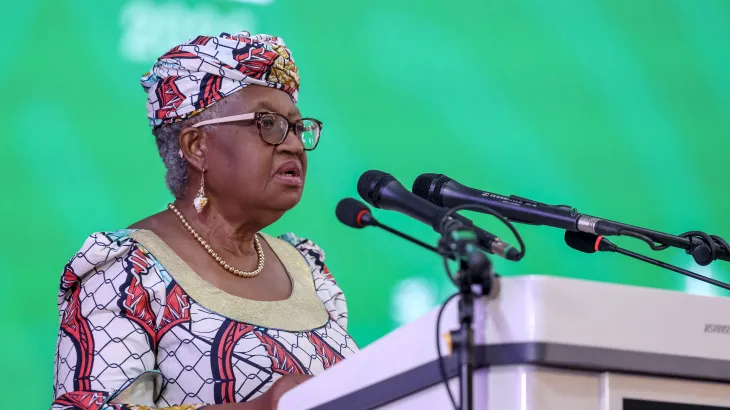
The global trading system faces its worst disruptions in the past 80 years, according to World Trade Organization Director-General Ngozi Okonjo-Iweala. Read More: https://theboardroompk.com/middle-east-conflict-threatens-pakistans-trade-with-gcc-by-billions/ She made the stark assessment as the WTO ministerial conference opened in Yaoundé, Cameroon. Geopolitical Conflicts Shake Trade Foundations Ongoing wars in the Middle East, Sudan, and Ukraine have deepened the crisis. These conflicts threaten international supply chains and economic stability worldwide. Pre-Existing Pressures Amplify the Chaos Even before recent Gulf tensions, trade in energy, fertiliser, and food was already destabilised. Governments and institutions struggle with rising geopolitical strains and other global challenges. Multilateral System Under Severe Strain Okonjo-Iweala declared that the familiar world order and multilateral trading system have irrevocably changed. She urged members not to deny the massive scale of problems confronting the world today. Protectionism and Stalled Talks Weaken WTO Rising protectionism and deadlocked negotiations have left the 166-member body weakened. Ministers gathered for four days to seek ways to revitalise the institution amid turmoil. Africa Hosts Key Discussions on Future Trade The conference, the second in Africa after Nairobi in 2015, highlights the continent’s potential. Okonjo-Iweala described Africa as the continent of the future during this time of uncertainty. Calls for Reform Amid Broader Upheavals Broader shifts include intensifying climate pressures and rapid technological change. These factors accompany loud questioning of multilateralism itself. Hope for Revitalisation in Challenging Times Trade ministers aim to address to x weakened system and chart a new path forward. The gathering occurs against a backdrop of serious threats to global commerce.

Middle East Conflict Threatens Pakistan’s Trade with GCC by Billions
World

Middle East Conflict Threatens Pakistan’s Trade with GCC by Billions

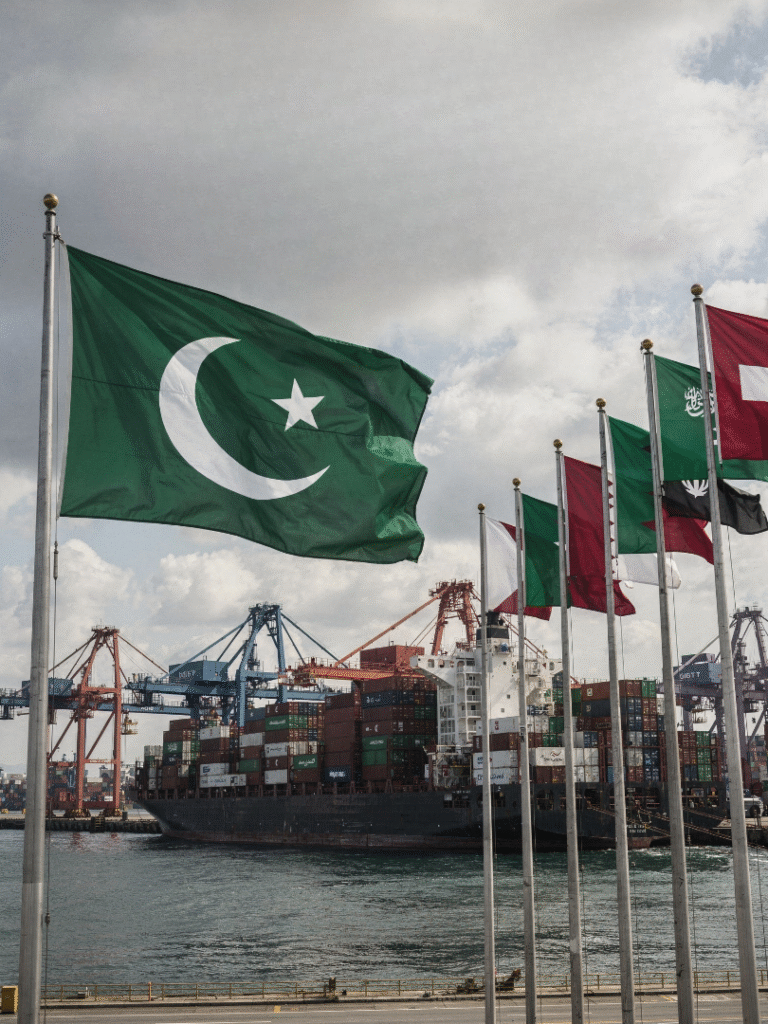
The ongoing Middle East conflict between the US, Israel, and Iran has evolved into a major economic threat for Pakistan. Read More: https://theboardroompk.com/reko-diq-project-slowdown-security-concerns-force-barrick-to-reassess-pakistans-mega-mining-investment/ Trade routes critical to the country’s external sector face severe disruption, particularly through the Strait of Hormuz. Trade Losses Mount Direct exports to GCC countries could drop by USD 1.5 to 2 billion. Imports, mainly energy, may decline by around USD 3 billion. Higher global energy prices are expected to inflate Pakistan’s import bill by USD 4.5 billion. This double pressure risks widening the current account deficit and increasing external debt. Impact on Local Economy Disrupted supply chains threaten local production and global exports from Pakistan. Remittance inflows may also fall, putting fresh pressure on foreign reserves. Border trade with Iran is already strained and could shrink further. The conflict risks reversing recent gains in controlling inflation, potentially pushing it back to double digits. Suggested Mitigation Steps Experts recommend rerouting oil imports via Yanbu port on the Red Sea. Diversifying energy sources and fully leveraging CPEC 2.0 could help build resilience against external shocks. The crisis highlights the need for greater competitiveness, innovation, and efficiency in Pakistani industries rather than reliance on external support. Prolonged instability could compound challenges for developing economies like Pakistan.

Reko Diq Project Slowdown: Security Concerns Force Barrick to Reassess Pakistan’s Mega Mining Investment
Pakistan

Reko Diq Project Slowdown: Security Concerns Force Barrick to Reassess Pakistan’s Mega Mining Investment

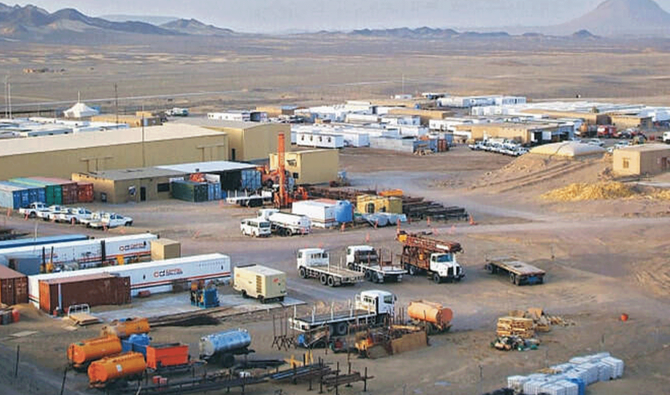
The Reko Diq Project Slowdown has emerged as a major development for Pakistan’s mining sector, as Barrick Mining decided to scale back work on its flagship copper and gold venture at Reko Diq. The decision comes amid rising security concerns in Balochistan and broader geopolitical instability affecting investor confidence. Read More: https://theboardroompk.com/israel-removes-iranian-fm-araqchi-and-speaker-qalibaf-from-hit-list-after-pakistan-request/ This move is significant for Pakistan’s economic outlook, as the Reko Diq project is widely seen as one of the country’s most important long-term foreign investment initiatives. Why the Reko Diq Project Slowdown Matters for Pakistan The Reko Diq project has been projected to become one of the world’s largest copper mines. With global demand for copper increasing particularly for renewable energy and electric vehicles the project carries strategic importance for Pakistan’s exports and foreign exchange reserves. However, the Reko Diq Project Slowdown signals caution from international investors. The decision reflects growing concerns about operational risks, especially in regions experiencing security challenges. For Pakistan, delays in such a major project may affect expected job creation, infrastructure development, and future mining revenues. Security Concerns Behind the Reko Diq Project Slowdown The slowdown follows a surge in separatist violence in Balochistan, particularly near the project’s location in Chagai District. The region has historically experienced periodic security incidents, prompting companies to reassess operational timelines. In addition, broader geopolitical tensions, including instability linked to conflicts in the Middle East, have added uncertainty to global investment flows. These evolving conditions played a central role in Barrick’s decision to temporarily scale back development activity. Investment Already Made Despite Reko Diq Project Slowdown Despite the slowdown, Barrick has already made significant financial commitments: • Total investment to date: $849 million• Investment during 2025 alone: $721 million• Estimated Phase 1 budget: Approximately $6 billion These figures highlight the scale of the project and why any delay draws attention from investors, policymakers, and industry observers. The company had also planned to finalize limited recourse project financing in the second half of 2025, which may now face adjustments. One-Year Review Period Announced Following an internal review initiated last month, Barrick informed its partners that development activity will be reduced for one year starting July. According to reports cited by Investing.com, the slowdown will also lead to reduced spending during this period. The review aims to: • Reassess security risks• Reevaluate execution strategies• Adjust timelines and budgets• Improve operational safeguards Early findings indicated the need to adapt project planning under current conditions. Economic Impact of the Reko Diq Project Slowdown The Reko Diq Project Slowdown could have several implications: • Delayed foreign direct investment inflows• Postponed job creation in Balochistan• Slower infrastructure development in the region• Revised timelines for copper and gold production• Potential impact on Pakistan’s export projections However, experts believe the slowdown is precautionary rather than a withdrawal. Barrick’s continued engagement suggests long-term commitment, provided conditions stabilize. Long-Term Outlook for the Reko Diq Project Despite the temporary slowdown, the Reko Diq project remains one of Pakistan’s most promising mining ventures. Once operational, it is expected to generate billions in revenue, create thousands of jobs, and position Pakistan as a key player in global copper supply. For now, the focus remains on improving security conditions and ensuring sustainable project execution. This developing story will continue to shape investor sentiment around Pakistan’s mining sector and its ability to attract large-scale global investments.

Israel Removes Iranian FM Araqchi and Speaker Qalibaf from Hit List After Pakistan Request
Politics

Israel Removes Iranian FM Araqchi and Speaker Qalibaf from Hit List After Pakistan Request

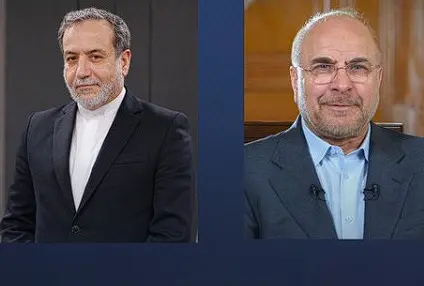
Islamabad: Israel has temporarily removed Iranian Foreign Minister Abbas Araqchi and Parliamentary Speaker Mohammad Baqer Qalibaf from its target list following a request channeled through the United States by Pakistan, according to a report by Reuters. Read More: https://theboardroompk.com/pakistans-trade-deficit-may-balloon-to-41-8-billion-as-oil-prices-surge-pide-report/ Pakistan’s Diplomatic Intervention A Pakistani source with knowledge of the discussions revealed that Islamabad urged Washington to intervene after learning that Israeli forces had the coordinates of the two senior Iranian officials and intended to strike them. The source stated, “The Israelis had their coordinates and wanted to take them out. We told the U.S. if they are also eliminated then there is no one else to talk to, hence the U.S. asked the Israelis to back off.” The removal is understood to be temporary, lasting four to five days, to facilitate ongoing efforts for possible peace negotiations. Pakistan’s Mediating Role Pakistan, along with Egypt and Turkey, has been actively playing a mediating role between Tehran and Washington amid the Iran conflict. Islamabad maintains direct communication channels with both sides at a time when most other countries have frozen contacts with Iran. A 15-point proposal from US President Donald Trump, reportedly conveyed through Pakistan, is currently under review in Tehran. The proposal includes demands such as removing Iran’s stocks of highly enriched uranium, halting enrichment activities, curbing its ballistic missile program, and cutting support to regional allies. Implications for Peace Efforts Iranian Foreign Minister Araqchi has said Tehran is reviewing the US proposal but has no immediate intention of holding talks to end the conflict. US President Donald Trump earlier remarked that Iran appears desperate to reach a deal. Pakistan’s intervention highlights its growing diplomatic influence in the region. Officials in Islamabad believe preserving key Iranian figures is essential to keeping dialogue channels open. Pakistan’s military and foreign office have not yet commented on the report.

Pakistan’s Trade Deficit May Balloon to $41.8 Billion as Oil Prices Surge: PIDE Report
Business

Pakistan’s Trade Deficit May Balloon to $41.8 Billion as Oil Prices Surge: PIDE Report

Islamabad: The Pakistan Institute of Development Economics (PIDE), in its latest Policy View Point authored by Dr. Syed Hasanat Shah (Professor of Economics, PIDE) and Wajid Islam (Research Economist, PIDE), has warned that the ongoing Middle East crisis has evolved into a global economic shock, posing serious risks to Pakistan’s trade, energy security, and external sector stability. Read More: https://theboardroompk.com/yango-pakistan-launches-transport-service-to-simplify-public-transport-journey/ The study estimates that Pakistan’s direct exports to GCC countries could fall by $1.5 to $2 billion if disruption in the Strait of Hormuz persists, while imports from the region, particularly energy imports, could decline sharply—disrupting domestic production and export activity. At the same time, rising international oil prices could add $4.5 billion to Pakistan’s import bill, further widening the current account deficit and increasing pressure on foreign reserves. PIDE’s analysis underscores that Pakistan’s vulnerability is structural. The report notes that 81.6 percent of Pakistan’s energy imports transit through the Strait of Hormuz, exposing the economy to severe supply shocks. It further highlights that if global oil prices rise from $80 to $160 per barrel, Pakistan’s trade deficit could expand from $24 billion to $41.8 billion, while inflation may surge from 7.1 percent to 11.1 percent. Beyond trade volumes, the study warns of broader spillover effects. Rising freight costs, war risk premiums, and disrupted shipping routes could significantly weaken Pakistan’s export competitiveness, particularly in the textile sector, which accounts for nearly 60 percent of total exports. Moreover, any slowdown in remittances from GCC economies would further strain Pakistan’s balance of payments, given the country’s reliance on external inflows. The report emphasizes that the crisis has exposed deep-rooted weaknesses in Pakistan’s economic structure, including overdependence on imported energy, limited export diversification, and fragile supply chains. It calls for a shift away from reactive policymaking toward proactive, resilience-driven strategies. To mitigate these risks, PIDE recommends immediate and long-term policy measures. In the short term, Pakistan should reroute oil imports to Yanbu Port via the Red Sea to bypass the Strait of Hormuz. In the long run, the country must diversify energy sources, invest in renewable energy, and leverage CPEC 2.0 to expand trade routes toward China and Central Asia. The report concludes that while the crisis presents significant risks, it also offers an opportunity for Pakistan to strengthen its economic foundations. Moving forward, resilience will depend on competitiveness, innovation, and strategic policymaking rather than reliance on external support.

Yango Pakistan Launches Transport Service to Simplify Public Transport Journey
Auto

Yango Pakistan Launches Transport Service to Simplify Public Transport Journey

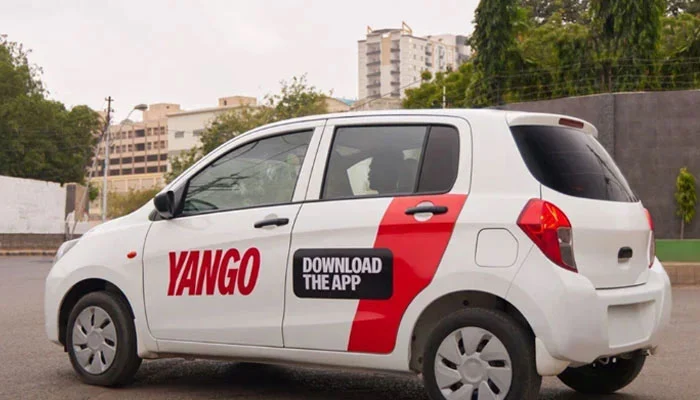
KARACHI – March 26, 2026: Yango Pakistan, part of a global technology company Yango Group, today announced the launch of its Transport service in Lahore, Karachi, Islamabad, and Rawalpindi. Integrated into the Yango Superapp, the new service gives users access to public transport routes and schedules in one place, empowering residents and visitors to navigate the cities efficiently. The service already includes up-to-date schedules for more than 60 public transport routes, covering over 1,000 kilometers across the four cities, and expands Yango’s growing ecosystem in Pakistan. Read More: https://theboardroompk.com/national-savings-achieves-rs1-02-trillion-inflows-nears-annual-target/ With the new Transport service, users can build routes by public transport directly in the app and compare available options based on travel time, route details, and transfer points. The service covers several types of public transport, including regular buses, Metrobus (BRT), and Metro, making trip planning more convenient, especially for daily commutes. By bringing this information together in a single interface, Yango Superapp helps reduce the need to switch between different sources when planning a trip. Miral Sharif, Country Manager of Yango Pakistan: “Public transport is an essential part of urban mobility for millions of people in Pakistan, and with the launch of Transport service, we want to make trip planning clearer and more accessible. By integrating route and schedule information into the Yango Superapp, we are giving users a practical tool to move around major urban centers across the country with greater ease and confidence.” Looking ahead, Yango Pakistan sees further potential to expand Transport in the country through partnerships with local mobility and infrastructure players, as well as public sector organizations. As the service evolves, this may include broader route coverage, closer integration with transport operators and ticketing platforms, and the development of additional features that support more connected and convenient public transport journeys. The launch of Transport service expands Yango’s growing ecosystem in Pakistan and reflects the company’s broader commitment to developing urban digital services that respond to everyday needs. By bringing together useful mobility tools in one app, Yango Pakistan continues to support more connected and convenient city living.

Islamabad: Pakistan’s exports of sports goods have shown impressive growth, reaching $272.6 million during the first nine months of the current fiscal year 2025-26. Significant Percentage Increase According to official data, the exports registered a healthy increase of 13.26 percent compared to the same period last year. This surge reflects the resilience and growing competitiveness of Pakistan’s sports goods manufacturing sector on the international stage. The positive trend is particularly encouraging for one of the country’s key export-oriented industries. Major Markets and Performance The United States remained the top destination for Pakistani sports goods, absorbing a substantial share of the exports. Other important markets included Germany, the United Kingdom, Spain, and the Netherlands, highlighting strong demand from major Western economies. Industry stakeholders believe that improved quality standards, timely production, and competitive pricing have contributed to this upward trajectory. Broader Economic Impact The rise in sports goods exports is expected to support employment in manufacturing clusters, especially in Sialkot, which is renowned as Pakistan’s sports goods hub. The sector provides livelihoods to thousands of skilled workers and artisans. Officials noted that sustained growth in this niche could further strengthen Pakistan’s foreign exchange reserves and contribute to overall economic recovery efforts. With three months still remaining in the fiscal year, industry experts are optimistic that the momentum will continue. Enhanced focus on diversification, innovation, and compliance with international standards may help Pakistan capture a larger share of the global sports goods market in the coming years.
Pakistan

Pakistan’s Sports Goods Exports Rise 13.26% to $272.6M in Nine Months

Islamabad: Pakistan’s exports of sports goods have shown impressive growth, reaching $272.6 million during the first nine months of the current fiscal year 2025-26. Read More: https://theboardroompk.com/national-savings-achieves-rs1-02-trillion-inflows-nears-annual-target/ Significant Percentage Increase According to official data, the exports registered a healthy increase of 13.26 percent compared to the same period last year. This surge reflects the resilience and growing competitiveness of Pakistan’s sports goods manufacturing sector on the international stage. The positive trend is particularly encouraging for one of the country’s key export-oriented industries. Major Markets and Performance The United States remained the top destination for Pakistani sports goods, absorbing a substantial share of the exports. Other important markets included Germany, the United Kingdom, Spain, and the Netherlands, highlighting strong demand from major Western economies. Industry stakeholders believe that improved quality standards, timely production, and competitive pricing have contributed to this upward trajectory. Broader Economic Impact The rise in sports goods exports is expected to support employment in manufacturing clusters, especially in Sialkot, which is renowned as Pakistan’s sports goods hub. The sector provides livelihoods to thousands of skilled workers and artisans. Officials noted that sustained growth in this niche could further strengthen Pakistan’s foreign exchange reserves and contribute to overall economic recovery efforts. With three months still remaining in the fiscal year, industry experts are optimistic that the momentum will continue. Enhanced focus on diversification, innovation, and compliance with international standards may help Pakistan capture a larger share of the global sports goods market in the coming years.

Scroll to Top