
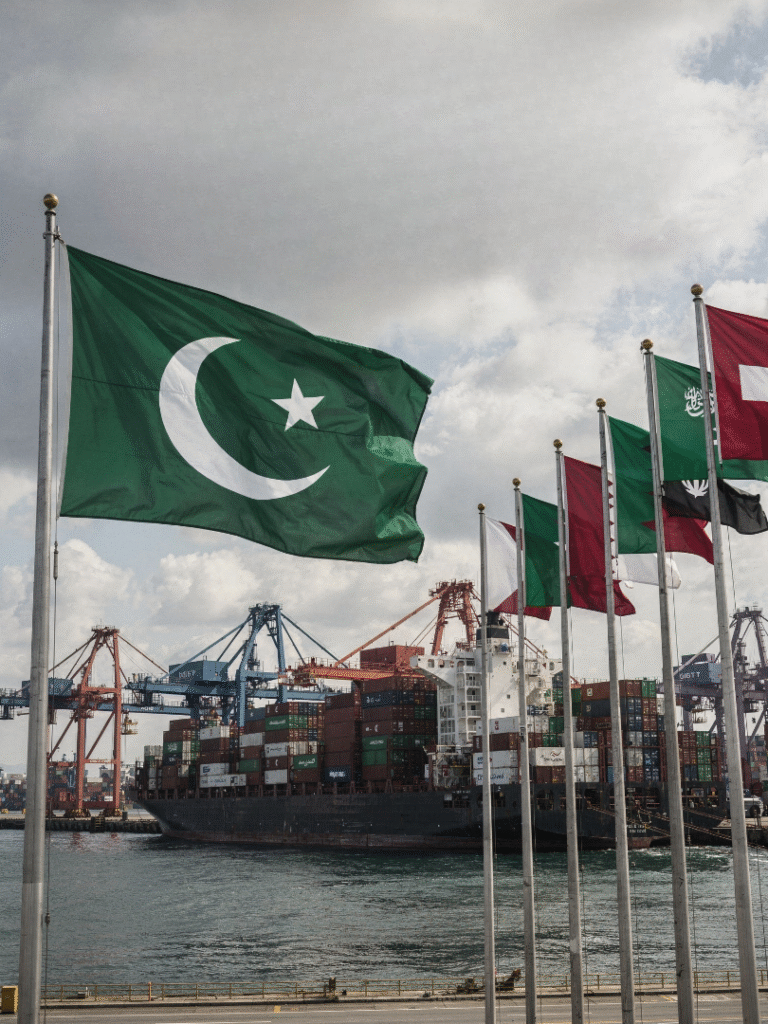
The ongoing Middle East conflict between the US, Israel, and Iran has evolved into a major economic threat for Pakistan.
Trade routes critical to the country’s external sector face severe disruption, particularly through the Strait of Hormuz.
Trade Losses Mount
Direct exports to GCC countries could drop by USD 1.5 to 2 billion. Imports, mainly energy, may decline by around USD 3 billion.
Higher global energy prices are expected to inflate Pakistan’s import bill by USD 4.5 billion.
This double pressure risks widening the current account deficit and increasing external debt.
Impact on Local Economy
Disrupted supply chains threaten local production and global exports from Pakistan.
Remittance inflows may also fall, putting fresh pressure on foreign reserves.
Border trade with Iran is already strained and could shrink further.
The conflict risks reversing recent gains in controlling inflation, potentially pushing it back to double digits.
Suggested Mitigation Steps
Experts recommend rerouting oil imports via Yanbu port on the Red Sea.
Diversifying energy sources and fully leveraging CPEC 2.0 could help build resilience against external shocks.
The crisis highlights the need for greater competitiveness, innovation, and efficiency in Pakistani industries rather than reliance on external support.
Prolonged instability could compound challenges for developing economies like Pakistan.