Author name: Web Desk

Colgate Faces Lawsuits Over Misleading Kids Mouth Rinse Packaging
World

Colgate Faces Lawsuits Over Misleading Kids Mouth Rinse Packaging

CHICAGO, March 28 (APP): A US federal judge ruled on Friday that Colgate-Palmolive Co. must defend against two proposed class action lawsuits claiming its mouth rinse products for children have deceptive packaging that misleads parents about safety for kids under six. Read More: https://theboardroompk.com/pakistan-to-host-saudi-turkish-and-egyptian-fms-amid-iran-war-diplomacy/ U.S. District Judge Andrea Wood in Chicago allowed the cases to proceed while dismissing a similar lawsuit concerning Colgate’s fluoride toothpaste. Allegations of Misleading Marketing The lawsuits allege that Colgate’s brightly colored mouth rinses, featuring flavors like Bubble Fruit and Silly Strawberry, prominently display words such as “kids” or “children’s” on the packaging. They also include imagery that suggests the products are suitable for very young children. Plaintiffs argue this confuses parents, despite US health authorities warning that children under six should not use fluoride mouth rinses because swallowing fluoride can be harmful. The suits claim the packaging downplays risks and fails to clearly highlight safety limitations. Judge’s Reasoning Judge Wood noted that reasonable consumers might not realize the restrictions on fluoride rinses, especially given the prominent front-of-pack claims. She was not convinced by Colgate’s argument that buyers would check the back labels containing FDA warnings for young children. The judge distinguished the mouth rinse cases from the toothpaste lawsuit, pointing out that toothpaste packaging includes clearer instructions for children aged two to six to use only a pea-sized amount. Plaintiffs’ lawyer Michael Connett said the rulings should serve as a wake-up call to manufacturers to stop promoting unsafe use of fluoride products for young children. Colgate-Palmolive, based in New York, did not immediately respond to requests for comment on the ruling. This decision comes amid growing scrutiny over marketing of children’s oral care products containing fluoride.

Pakistan to Host Saudi, Turkish and Egyptian FMs Amid Iran War Diplomacy
Pakistan

Pakistan to Host Saudi, Turkish and Egyptian FMs Amid Iran War Diplomacy

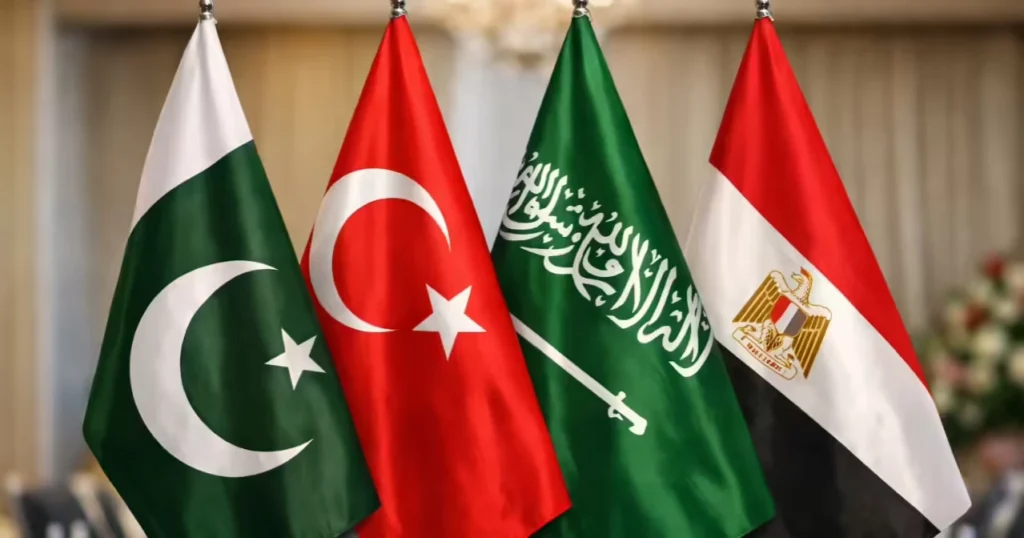
ISLAMABAD: Pakistan will host the foreign ministers of Saudi Arabia, Turkiye and Egypt in Islamabad starting Sunday for two days of talks on the ongoing war involving Iran. Read More:https://theboardroompk.com/pakistan-transshipment-hub-record-cargo-surge-positions-country-as-regional-trade-gateway/ The high-level meeting comes as Islamabad positions itself as a potential venue for direct negotiations between the United States and Iran. Focus on De-escalation Efforts The four countries’ foreign ministers will hold in-depth discussions on a range of issues, including efforts to de-escalate tensions in the region. Pakistan’s Foreign Ministry stated that the talks aim to address the month-old conflict launched by the US and Israel on February 28. Turkish Foreign Minister Hakan Fidan said the meeting would seek to establish a mechanism for de-escalation. He added that the four nations would assess the situation and determine actionable steps to end the war before further destruction and global economic harm. Pakistan’s Mediating Role Pakistan has been actively shuttling messages between Washington and Tehran. It has conveyed a US proposal to Iran and offered to host talks. Iranian officials have indicated that negotiations could take place in Pakistan or Turkiye. The visiting ministers are Prince Faisal bin Farhan Al Saud of Saudi Arabia, Hakan Fidan of Turkiye, and Dr. Badr Abdelatty of Egypt. They were invited by Deputy Prime Minister and Foreign Minister Senator Mohammad Ishaq Dar. The conflict has raised serious concerns over threats to energy supplies and vital trade routes, affecting all four countries. The talks reflect a joint diplomatic push by these nations to promote stability in the Middle East. This initiative underscores Pakistan’s growing role as a bridge in regional diplomacy during a critical time.

Pakistan Transshipment Hub: Record Cargo Surge Positions Country as Regional Trade Gateway
Pakistan

Pakistan Transshipment Hub: Record Cargo Surge Positions Country as Regional Trade Gateway

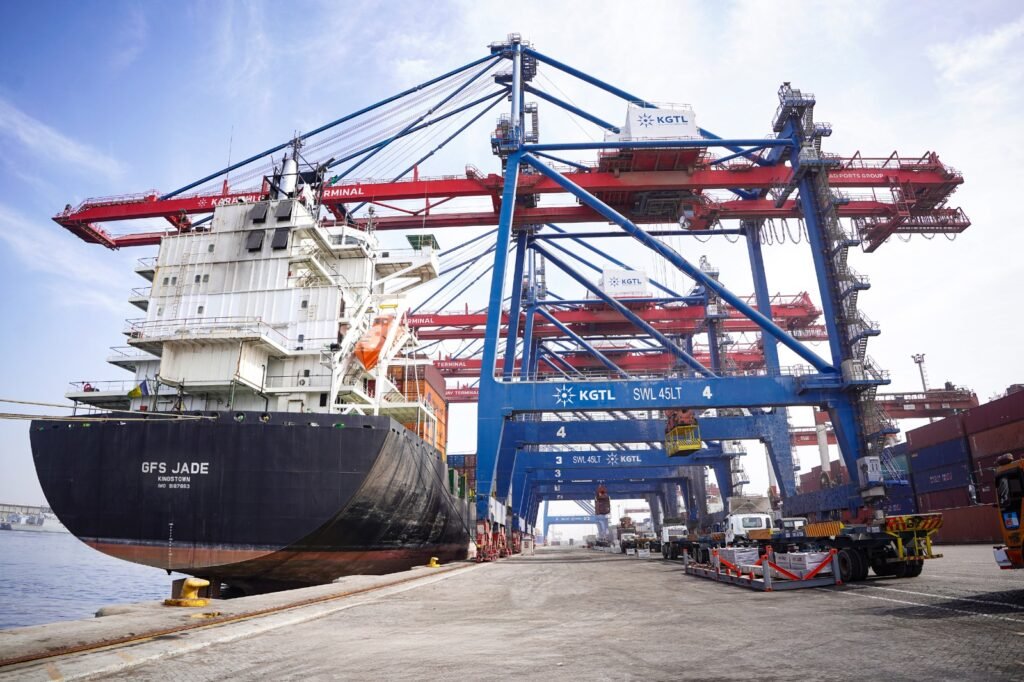
Pakistan Transshipment Hub is rapidly becoming a reality as record-breaking cargo volumes at key ports highlight a major shift in the country’s economic trajectory. A surge in transshipment activities at Karachi Port, Port Qasim, and Gwadar Port indicates that Pakistan is increasingly positioning itself as a strategic gateway for regional and global trade. Read More: https://theboardroompk.com/pakistan-secures-1-21bn-after-reaching-staff-level-agreement-with-imf/ Within just 24 days, Karachi Port handled an unprecedented volume of transshipment cargo, nearly matching the entire volume recorded during the previous year. This remarkable milestone reflects both shifting global supply chains and proactive policy measures designed to attract international shipping lines. Why Pakistan Transshipment Hub Is Gaining Global Attention Economic experts Nasir Hussain Shah Bukhari and Abid Qayyum Suleri attribute this surge to a combination of policy flexibility and geopolitical advantages. They noted that easing international transshipment regulations and allowing cargo blending at sea and air ports have significantly improved Pakistan’s attractiveness for global logistics operators. Pakistan’s geographic position is emerging as its strongest competitive edge. Located between the Gulf region, China, and Central Asia, the country serves as a natural corridor for shipping routes. As global trade patterns evolve, shipping companies are increasingly using Pakistani ports to optimize transit times and reduce operational costs. Policy Reforms Strengthening Pakistan Transshipment Hub Government initiatives have played a pivotal role in supporting this growth. Relaxed cargo handling rules, improved port efficiency, and streamlined operational procedures are helping Pakistan compete with established transshipment centers in the region. Experts emphasize that continued momentum will depend on addressing structural challenges. Rail freight connectivity remains limited, which increases logistics costs and slows inland cargo movement. Enhancing rail infrastructure would significantly improve supply chain efficiency and strengthen Pakistan’s position as a regional logistics hub. Additionally, accelerating digital customs processes can reduce clearance times and enhance transparency. Modern regulatory frameworks and automation systems are critical for sustaining long-term growth in transshipment activities. Infrastructure Development Key to Long-Term Growth The Pakistan Transshipment Hub strategy also relies on broader logistics infrastructure development. Special Economic Zones (SEZs), modern warehousing facilities, and cold chain networks are becoming increasingly important for handling diverse cargo types. Improved storage and distribution systems would allow Pakistan not only to handle transshipment cargo but also to become a value-added logistics center. This transition could generate employment, boost exports, and attract foreign direct investment. Karachi Today, Gwadar Tomorrow While Karachi currently serves as the backbone of Pakistan’s maritime trade, Gwadar is widely viewed as the future cornerstone of the country’s logistics strategy. Integration of Gwadar into the transshipment network could unlock new shipping routes and enhance connectivity with regional markets. Experts believe Gwadar’s development will contribute to foreign exchange earnings and improve economic stability. As port infrastructure expands, Pakistan’s role in international trade corridors is expected to deepen further. Pakistan’s Rising Global Trade Image The increase in port activity is also reshaping global perceptions. Growing cargo volumes signal improved security, better infrastructure, and stronger regulatory frameworks. This positive image enhances investor confidence and encourages multinational companies to explore Pakistan as a logistics base. With shipping routes evolving and regional trade demand increasing, Pakistan appears well-positioned to transform its geographic advantage into a strategic economic asset. The shift from geography as destiny to geography as strategy is becoming visible through the country’s expanding transshipment footprint.

Pakistan Secures $1.21bn After Reaching Staff-Level Agreement with IMF
Pakistan

Pakistan Secures $1.21bn After Reaching Staff-Level Agreement with IMF

Pakistan and the International Monetary Fund (IMF) have reached a staff-level agreement on the third review under the Extended Fund Facility (EFF) and the second review under the Resilience and Sustainability Facility (RSF). Read More: https://theboardroompk.com/mcb-bank-deposits-hit-rs2-3-trillion-in-2025-current-accounts-surge-29/ This development paves the way for the release of approximately $1.21 billion in much-needed funding for Pakistan, subject to final approval by the IMF Executive Board. Economic Relief on the Horizon The agreement marks a significant step in Pakistan’s ongoing efforts to stabilize its economy amid various challenges. Once approved, the disbursement will include about $1 billion under the EFF and $210 million under the RSF. This fresh inflow is expected to bolster the country’s foreign exchange reserves and support macroeconomic stability. Key Reforms and Commitments Pakistani authorities have demonstrated strong commitment to structural reforms. These include fiscal discipline, improving tax collection, and implementing measures for sustainable growth. The IMF team praised the progress made in these areas during recent discussions. Impact on Reserves and Markets Pakistan’s foreign exchange reserves have shown improvement in recent weeks. The new funds will further strengthen the reserve position, providing a buffer against external shocks.Analysts believe this could also help stabilize the Pakistani rupee in the forex market. Broader Economic Context Pakistan has been navigating a tough economic period with high inflation and debt pressures. The EFF, a 37-month program, aims to address these issues through comprehensive policy adjustments. The RSF focuses on building resilience against climate-related risks and promoting long-term sustainability. Market Reactions and Investor Sentiment News of the staff-level agreement has been positively received in financial circles. It is likely to boost investor confidence and encourage further inflows from other multilateral lenders. Stock markets and currency traders are expected to respond favorably in the coming sessions. Challenges Ahead While the agreement is a positive development, challenges remain. Sustained implementation of reforms will be crucial for long-term success.The government must continue efforts to broaden the tax base and control expenditures. Path to Approval The staff-level agreement now awaits review by the IMF Executive Board. Approval is anticipated in the coming weeks, unlocking the tranche. Pakistani officials are optimistic about a smooth process based on prior engagements. Future Outlook This disbursement brings total releases under the two facilities to around $4.5 billion. It reinforces Pakistan’s partnership with the IMF in pursuing economic recovery. Experts view it as a vote of confidence in the country’s reform trajectory.

PICT Shareholding Transfer: Foreign Holding Restructuring Explained for Investors
Pakistan

PICT Shareholding Transfer: Foreign Holding Restructuring Explained for Investors

The PICT shareholding transfer has drawn attention among investors after Pakistan International Container Terminal disclosed that its indirect ownership structure has changed at the foreign holding level. The notification, submitted to the Pakistan Stock Exchange, clarified that the transaction occurred between offshore entities and does not directly involve the terminal operator itself. Read More: https://theboardroompk.com/mcb-bank-deposits-hit-rs2-3-trillion-in-2025-current-accounts-surge-29/ According to the disclosure, ICTSI Ltd. (Bermuda) transferred its shareholding in InnoVest Mauritius Limited to Sea Link Group Ltd (Seychelles). InnoVest Mauritius Limited holds a significant stake in PICT, making the development relevant for shareholders monitoring ownership dynamics. What the PICT Shareholding Transfer Means The PICT shareholding transfer is essentially a restructuring at the level of foreign holding companies. This means the ultimate investor behind the stake has changed, but the operational structure and day-to-day management of PICT remain unaffected. In simpler terms, investors should understand that: • The transfer happened between offshore holding entities• PICT itself was not a direct party to the transaction• No operational changes have been announced• The company’s business activities remain unchanged This clarification is important because ownership adjustments at holding levels can sometimes raise concerns about management shifts or strategic direction. In this case, the company emphasized continuity. Why Investors Are Watching the PICT Shareholding Transfer Ownership changes, even indirect ones, often attract investor attention for several reasons. The PICT shareholding transfer could signal a strategic realignment among international investors or portfolio restructuring by the parent entities. Such developments are typically monitored for: • Potential future investment or expansion plans• Changes in governance or board composition• Strategic partnerships• Long-term ownership stability However, PICT has not indicated any immediate operational or governance changes following the transfer. PICT Confirms No Direct Impact on Operations In its notification, PICT clearly stated that the transaction took place at the level of foreign holding companies and does not involve PICT directly. This distinction reassures stakeholders that: • Terminal operations will continue as usual• No change in concession agreements• No immediate financial impact expected• No alteration in management structure announced The company also confirmed it will keep the exchange informed of any material developments related to the PICT shareholding transfer. Understanding the Structure Behind the PICT Shareholding Transfer To better understand the development, it helps to look at the ownership chain in plain terms. InnoVest Mauritius Limited holds a substantial stake in PICT. ICTSI previously held shares in InnoVest Mauritius, and these shares have now been transferred to Sea Link Group. This means the indirect ownership of PICT has shifted from one foreign entity to another, without altering the company’s operational control within Pakistan. Market Implications of the PICT Shareholding Transfer Historically, such offshore restructuring transactions do not automatically affect stock performance unless accompanied by strategic changes. Investors generally assess: • Whether new owners plan additional investment• Possibility of consolidation within the logistics sector• Long-term infrastructure expansion potential Since no such announcements accompanied the PICT shareholding transfer, analysts may treat this as a neutral corporate development for now. Company Commitment to Transparency PICT emphasized that it will continue to inform the exchange of any material developments. This commitment to disclosure aligns with regulatory requirements and helps maintain investor confidence. Transparency in ownership changes is particularly important in infrastructure companies like PICT, where long-term concession agreements and capital investments are closely monitored. Conclusion: PICT Shareholding Transfer Signals Structural Adjustment The PICT shareholding transfer represents a restructuring at the foreign holding level rather than a change in operational control. For investors in Pakistan, the key takeaway is that the business fundamentals of PICT remain intact. While ownership adjustments often spark speculation, the absence of operational changes suggests continuity in strategy and performance expectations. Investors will likely continue monitoring whether the new holding entity introduces any strategic initiatives in the future.

Kharif Crop Production Pakistan: Government Sets 25% Growth Target
Pakistan

Kharif Crop Production Pakistan: Government Sets 25% Growth Target

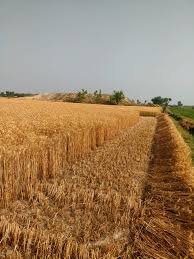
Kharif Crop Production Pakistan is now at the center of a major agricultural reform push, as the government sets an ambitious goal to increase production by 25 percent. The move aims to transform the agriculture sector, enhance food security, and reduce dependency on costly imports. The initiative focuses on adopting modern farming technologies, improving seed quality, promoting mechanization, and aligning crop planning with market demand. Officials believe these steps will help farmers increase productivity while stabilizing food supply across the country. High-Level Meeting Charts Roadmap for Agricultural Growth The direction for boosting Kharif Crop Production Pakistan was outlined during a high-level meeting chaired by Rana Tanveer Hussain, Federal Minister for National Food Security and Research. Punjab’s Agriculture Minister Syed Muhammad Ashiq Hussain Shah Kirmani, along with senior officials, agriculture experts, and scientists, also attended. Participants reviewed current agricultural challenges and discussed coordinated strategies between federal and provincial governments. The emphasis remained on improving crop yields, strengthening supply chains, and implementing policy reforms. Wheat Yield Increase and Cotton Revival in Focus Beyond Kharif Crop Production Pakistan, the government also plans to boost wheat yields by up to 40 percent. Officials believe improved seed varieties, better irrigation practices, and scientific crop planning can help achieve this target. The meeting also highlighted the urgent need to revive the cotton sector. Cotton production has declined in recent years, impacting textile exports and forcing imports. Revitalizing cotton farming through modern biotechnology and better seed programs is seen as essential for economic stability. In addition, expanding domestic oilseed production is another priority. Increasing local production of oilseeds could significantly reduce Pakistan’s edible oil import bill and improve the agricultural trade balance. Agriculture Supports 60% of Population but Faces Challenges Agriculture remains a backbone of Pakistan’s economy, supporting nearly 60 percent of the population. However, productivity has remained stagnant compared to regional countries. Key challenges identified during the meeting include fertilizer shortages, climate-related risks, weak marketing systems, and limited export routes. These issues have hindered farmers’ ability to maximize yields and earn competitive returns. Officials stressed that addressing these structural challenges is crucial for achieving the Kharif Crop Production Pakistan growth target. National Programs Proposed to Boost Productivity To support Kharif Crop Production Pakistan, several national-level initiatives were discussed. These include a National Wheat Productivity Plan and a National Cotton Seed Program incorporating modern biotechnology. The government also emphasized promoting high-value crops such as oilseeds and olives. These crops not only offer better income potential for farmers but also help reduce import dependency. Scientific crop zoning was another key recommendation. This approach involves growing crops best suited to specific regions based on soil, climate, and water availability. Improved supply chains and market access were also highlighted as essential components of the reform strategy. Federal Support for Provinces to Implement Reforms Ministers stressed the importance of aligning farmers’ incentives with national priorities. Provinces have been directed to submit actionable recommendations to improve agricultural productivity. The federal government has pledged full financial and technical support to ensure the success of these initiatives. Officials believe coordinated efforts between federal and provincial governments will help achieve sustainable agricultural growth and strengthen food security. Outlook: Transforming Agriculture Through Kharif Crop Production Pakistan The Kharif Crop Production Pakistan target represents a significant step toward modernizing the agriculture sector. With improved seeds, mechanization, and scientific planning, the government aims to increase yields, stabilize food supply, and reduce imports. If implemented effectively, these reforms could boost farmer incomes, strengthen exports, and support long-term economic growth.

Pakistan Austerity Fund 2026: Government Redirects Rs 100 Billion to Ease Oil Price Pressure
Pakistan

Pakistan Austerity Fund 2026: Government Redirects Rs 100 Billion to Ease Oil Price Pressure

Pakistan Austerity Fund 2026 has emerged as a key fiscal strategy as the government reallocates Rs 100 billion from the national development budget to shield consumers from rising global oil prices. The move reflects a shift in priorities, placing immediate economic stability ahead of long-term development spending. The decision was taken during a meeting of the Economic Coordination Committee chaired by Finance Minister Senator Muhammad Aurangzeb. The government approved the transfer through a Technical Supplementary Grant, moving funds into the Prime Minister’s Austerity Fund 2026 to absorb petroleum price shocks. Pakistan Austerity Fund 2026 to Address Rising Oil Prices The Pakistan Austerity Fund 2026 aims to reduce the impact of international oil price volatility on domestic consumers. With geopolitical tensions in the Gulf region pushing crude prices upward, authorities opted for a proactive approach to avoid immediate fuel price hikes. To create fiscal space, the Planning, Development and Special Initiatives Division coordinated a rationalization exercise across ministries. Various departments surrendered portions of their Public Sector Development Programme allocations, allowing the government to redirect funds without expanding the federal deficit. Officials indicated that well-performing projects would face minimal disruption. However, the reallocation inevitably reduces investment in infrastructure and development schemes. The government believes this trade-off is necessary to maintain price stability in the short term. Impact of Pakistan Austerity Fund 2026 on Development Spending The Pakistan Austerity Fund 2026 represents a shift from development-focused spending toward consumer relief. Instead of allocating funds to roads, energy projects, and public infrastructure, resources are being used to meet price differential requirements on petroleum products. This approach helps cushion households and businesses from sudden fuel price increases. At the same time, economists note that prolonged diversion of development funds could slow economic growth if infrastructure investment declines. The government has emphasized that the move is temporary and designed to manage immediate global market volatility. Authorities also highlighted that fiscal discipline remains a priority, with the fund structured to avoid widening the budget deficit. Wheat Procurement Policy Approved Alongside Pakistan Austerity Fund 2026 Alongside the Pakistan Austerity Fund 2026, the committee approved procurement of up to 1.0 million metric tons of wheat for federal strategic reserves under the Interim National Wheat Policy 2025-26. This decision aims to strengthen food security while maintaining market stability. Unlike traditional procurement methods, the government plans to involve the private sector through a transparent and competitive process. This marks a shift toward market-based mechanisms designed to improve efficiency and reduce administrative burdens. Authorities cited improving crop conditions but acknowledged ongoing weather uncertainties. The flexible procurement strategy allows adjustments based on updated crop assessments, helping prevent unnecessary fiscal or storage pressures. Balancing Fiscal Discipline and Economic Stability The dual policy decisions highlight the government’s attempt to balance inflation control, food security, and fiscal discipline. By combining the Pakistan Austerity Fund 2026 with strategic wheat reserves, policymakers aim to stabilize both energy and food markets. The meeting included participation from ministers overseeing commerce, investment, and national food security, reflecting a coordinated economic management approach. Officials emphasized that procurement levels and spending allocations will remain adaptable to changing economic conditions. What Pakistan Austerity Fund 2026 Means for Consumers For consumers, the Pakistan Austerity Fund 2026 could delay immediate increases in fuel prices. Lower volatility in petroleum costs may also help stabilize transportation expenses and inflationary pressures across sectors. However, the long-term impact depends on global oil trends and domestic fiscal management. If international prices remain elevated, additional policy adjustments may be required. The government’s decision underscores a broader strategy to prioritize economic stability during uncertain global conditions. By redirecting resources toward immediate relief, authorities aim to protect consumers while maintaining disciplined fiscal management.

Pakistan SPI Inflation Rises 0.97% as Food and Energy Prices Climb
Business

Pakistan SPI Inflation Rises 0.97% as Food and Energy Prices Climb

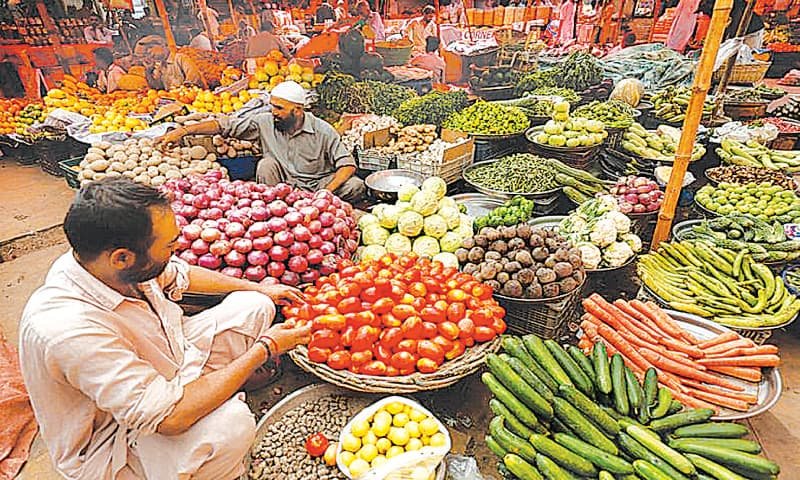
Pakistan SPI Inflation recorded a weekly increase of 0.97% for the week ended March 26, 2026, reflecting rising costs of essential commodities across the country. According to data released by the Pakistan Bureau of Statistics, the surge was primarily driven by sharp increases in food items and household energy costs, impacting consumers already coping with tight budgets. The Sensitive Price Indicator (SPI), a weekly gauge of short-term inflation in Pakistan, tracks price movements of 51 essential commodities across major cities. The latest figures indicate continued volatility in essential goods, particularly vegetables, poultry, and fuel-related items. Pakistan SPI Inflation Driven by Food Price Surge The weekly rise in Pakistan SPI Inflation was largely fueled by a notable increase in vegetable and protein prices. Onion prices jumped by 18.10%, followed by tomatoes which increased by 11.38%. Similarly, poultry and staple food items also recorded upward movements. Chicken prices rose by 8.70%, potatoes increased by 8.11%, while eggs went up by 3.54%. Meat prices also edged higher, with mutton increasing by 2.55% and beef by 1.52%. These increases directly affect household spending, especially for middle- and lower-income families. Energy-related costs also contributed to inflationary pressure. LPG prices surged by 10.05%, and electricity charges for the first quarter increased by 6.11%. Firewood and clothing items such as georgette recorded modest increases as well. Limited Relief as Some Items Decline Despite the overall rise in Pakistan SPI Inflation, a few essential items recorded price declines during the week. Bananas fell by 4.50%, while wheat flour dropped by 1.00%. Sugar prices decreased slightly by 0.29%, and marginal declines were seen in gur, pulse moong, and IRRI rice varieties. However, these decreases were not enough to offset the broader upward trend, as the majority of essential goods continued to show price pressures. Nearly Half of Essential Items Show Price Increase Out of 51 tracked commodities, prices of 23 items increased, representing 45.10% of the basket. Only six items recorded declines, while 22 items remained unchanged. This distribution highlights the widespread nature of inflationary pressure across different categories. The weekly data underscores that Pakistan SPI Inflation is not limited to a single sector but reflects broad-based increases affecting food, energy, and basic household items. Year-on-Year Pakistan SPI Inflation at 8.24% On an annual basis, Pakistan SPI Inflation rose by 8.24% compared to the same period last year. Major increases were recorded in LPG, diesel, and gas charges, each rising by nearly 30% or more. Petrol prices increased by 25.75%, while wheat flour rose by 25.76%. Food inflation also remained elevated. Onion prices increased by 25.07%, chilies powder by 15.20%, and beef and mutton rose by double digits. Powdered milk, basmati rice, and gur also recorded notable increases. However, some items saw substantial year-on-year declines. Potatoes dropped by 45.71%, pulse gram by 17.54%, and eggs by 13.63%. Garlic, salt powder, chicken, pulse masoor, and sugar also recorded decreases, providing limited relief to consumers. Fertilizer and Cement Prices Continue to Edge Higher The data also highlighted changes in input costs relevant to agriculture and construction. The average price of Sona urea reached Rs 4,485 per 50 kg bag, showing a 0.78% weekly increase, though it remained slightly lower compared to last year. Meanwhile, cement prices averaged Rs 1,483 per 50 kg bag, rising 0.68% week-on-week and 7.32% on an annual basis. The increase in construction material costs could impact housing and infrastructure development expenses. What Pakistan SPI Inflation Means for Consumers Pakistan SPI Inflation serves as a real-time indicator of price changes in essential commodities. Since it is calculated weekly, policymakers use it to monitor short-term inflation trends and evaluate market conditions. The latest increase suggests persistent pressure on household budgets, particularly due to food and energy costs. With nearly half of essential items showing price increases, consumers may continue to face higher living expenses in the coming weeks.

FBR Tax Refunds Karachi: Business Community Gets Relief as Refund Delays Addressed
Pakistan

FBR Tax Refunds Karachi: Business Community Gets Relief as Refund Delays Addressed

FBR Tax Refunds Karachi issues have finally gained attention as the Federal Board of Revenue directed its Karachi offices to expedite the resolution of delayed tax refunds and procedural bottlenecks. The move is expected to ease financial pressure on businesses operating in Pakistan’s largest commercial hub and improve overall business confidence. Read More: https://theboardroompk.com/ogdc-gas-discovery-in-tal-block-strengthens-pakistans-energy-security/ The decision followed a detailed consultation between FBR officials and representatives of the Karachi Chamber of Commerce and Industry. During the meeting, business leaders highlighted the serious operational challenges caused by delays in refunds, complications related to super tax installments, and administrative hurdles that disrupt routine commercial activities. Businesses Highlight Cash Flow Challenges Members of the Karachi business community emphasized that refund delays directly affect liquidity. When funds remain tied up in pending tax claims, companies struggle to manage working capital, pay suppliers, and maintain smooth operations. These delays also impact planning for imports, exports, and expansion decisions. Business representatives explained that delayed refunds increase financing costs. Companies often resort to short-term borrowing to bridge cash flow gaps, which ultimately reduces profitability. In sectors dependent on rapid cash cycles such as manufacturing, exports, and wholesale trade, even minor delays can cause significant disruptions. FBR Chairman Orders Immediate Review During the meeting, FBR Chairman Rashid Mahmood Langrial instructed Inland Revenue Service and Customs officials to conduct a thorough review of all pending matters. Senior officials, including representatives from Customs Operations and the Large Taxpayer Office Karachi, were also present. The chairman stressed that legitimate refund claims should be processed promptly after completing required compliance checks. He emphasized that the objective is to improve liquidity for businesses while ensuring adherence to tax regulations. He further clarified that the FBR remains committed to facilitating taxpayers but compliance with tax laws remains mandatory. The emphasis was placed on balancing ease of doing business with regulatory discipline. Zero-Tolerance Policy on Corruption Another important aspect of the discussion focused on governance and transparency. The FBR reiterated its zero-tolerance policy against corruption. Officials were clearly instructed not to create unnecessary hurdles or demand undue favors from taxpayers. Businesses were encouraged to report any misconduct supported by credible evidence. The FBR assured that strict disciplinary action would be taken against any official found violating rules. This step aims to build trust between taxpayers and tax authorities. Impact on Karachi’s Economic Activity Karachi plays a central role in Pakistan’s economy, contributing a major share of national tax revenue and trade activity. Resolving FBR Tax Refunds Karachi issues could significantly improve investor confidence. Faster refunds mean businesses can reinvest funds into production, imports, exports, and hiring. Improved refund processing is also expected to enhance trade facilitation. Exporters, in particular, depend heavily on timely tax refunds to maintain competitiveness in international markets. Any improvement in processing time can help exporters manage costs and secure new orders. Business Community Welcomes the Move The Karachi business community has cautiously welcomed the development. Industry leaders believe that consistent implementation of these directives is essential. They also highlighted the need for digitalization, transparent tracking systems, and defined timelines for refund processing. If implemented effectively, the initiative could reduce bureaucratic delays, improve ease of doing business, and strengthen compliance. A cooperative relationship between taxpayers and authorities can ultimately boost revenue collection as well. The FBR’s directive to address FBR Tax Refunds Karachi concerns signals a shift toward a more business-friendly environment. Timely resolution of refunds and removal of procedural bottlenecks can support smoother operations for enterprises across sectors. As Karachi continues to serve as Pakistan’s economic engine, improving tax administration in the city may have wider positive implications for trade, investment, and overall economic growth. The coming months will determine how effectively these directives translate into practical relief for the business community.

PSX KSE-100 Index Falls 1,200 Points Amid Security Concerns and Global Uncertainty
Business

PSX KSE-100 Index Falls 1,200 Points Amid Security Concerns and Global Uncertainty

The Pakistan Stock Exchange witnessed another volatile trading session, with the KSE-100 Index extending its losses amid cautious investor sentiment. Security concerns surrounding major investment projects and geopolitical uncertainty kept traders on the sidelines, resulting in sharp intraday swings. The PSX KSE-100 Index closed at 151,707.51, down by 1,200.45 points, representing a decline of 0.79 percent. During the session, the market moved within a wide band of 2,202.94 points, highlighting significant volatility. The index touched an intraday high of 153,660.88 before slipping to a low of 151,457.94. Trading activity within the benchmark index remained moderate, with total volume recorded at 244.73 million shares. Market breadth stayed negative, as most stocks ended in the red, reflecting cautious investor behavior. Major Losers and Gainers Shape PSX KSE-100 Index Performance Several heavyweight stocks pulled the PSX KSE-100 Index lower. Companies from the automobile, energy, and banking sectors dominated the losing side. Notable decliners included HCAR, SSGC, GAL, PIOC, and NBP, all posting losses between 3 percent and 5 percent. On the positive side, select stocks managed to gain ground. PGLC led the advancers with over 8 percent growth, followed by PKGP, LOTCHEM, GADT, and SYS. However, gains remained limited and insufficient to offset broader market weakness. The main contributors to the index decline were energy and banking giants, including OGDC, PPL, NBP, UBL, and MARI. These stocks collectively dragged the benchmark lower. Meanwhile, technology and select banking stocks such as SYS, MEBL, FATIMA, BAFL, and SRVI provided modest support. Sector-Wise Pressure on PSX KSE-100 Index Sector analysis shows that oil and gas exploration companies exerted the largest downward pressure on the PSX KSE-100 Index. Commercial banks followed closely, reflecting concerns about macroeconomic stability. Cement, oil marketing companies, and pharmaceuticals also contributed to the decline. Only the technology and communication sector offered slight relief, though the positive contribution was limited compared to losses in major sectors. Broader Market Activity Weakens The broader market also mirrored the negative sentiment. The All-Share Index settled at 90,950.94, down by 834.89 points. Overall trading activity declined compared to the previous session. Total market volume dropped to 435.51 million shares, while traded value fell to Rs23.99 billion. Out of 478 companies traded, 287 closed lower, 126 gained, and 65 remained unchanged. The imbalance highlights widespread selling pressure across sectors. Security Concerns Around Reko Diq Impact PSX KSE-100 Index Investor sentiment weakened significantly following developments related to the Reko Diq project. Barrick Mining decided to slow down development activities due to worsening security conditions in Balochistan. The company extended its internal review period by 12 months starting July, citing rising separatist violence and regional instability. With approximately 849 million dollars already invested, any delay in this mega mining project is expected to impact investor confidence and long-term economic outlook. Global Tensions Add to Market Uncertainty Beyond domestic issues, global geopolitical tensions also weighed on the PSX KSE-100 Index. Concerns surrounding oil supply routes in the Middle East contributed to volatility. However, sentiment improved slightly after former US President Donald Trump indicated that Iran allowed oil tankers to pass through the Strait of Hormuz, easing immediate supply fears. Despite lower oil prices offering limited support, the combined impact of domestic security concerns and global uncertainty kept investors cautious. Top Volume Leaders in the Session Market activity concentrated in a few stocks. KEL led the volume chart with nearly 57 million shares traded, followed by FNEL and TPLRF1. Other actively traded stocks included WTL, UNITY, BOP, ITTEFAQ, CNERGY, PPL, and PIBTL. Most of these stocks ended either flat or lower, reflecting subdued investor appetite. PSX KSE-100 Index Performance in Fiscal Year Despite the recent volatility, the PSX KSE-100 Index has gained 26,080 points or 20.76 percent during the current fiscal year. However, on a calendar-year basis, the index has declined by 22,347 points, or 12.84 percent, highlighting ongoing market uncertainty. Outlook for Investors The PSX KSE-100 Index is expected to remain sensitive to developments in security conditions, major investment projects, and global geopolitical trends. Analysts believe that clarity regarding the Reko Diq project and easing geopolitical tensions could help restore investor confidence. Until then, cautious trading and selective buying are likely to dominate market behavior in the near term.

Scroll to Top