Author name: Web Desk

National Savings Achieves Rs1.02 Trillion Inflows, Nears Annual Target
Business

National Savings Achieves Rs1.02 Trillion Inflows, Nears Annual Target

The Central Directorate of National Savings (CDNS) has recorded impressive savings inflows of Rs1.02 trillion from July 1 to March 25 in the ongoing fiscal year 2025-26. Read More: https://theboardroompk.com/psl-2026-kicks-off-in-karachi-amid-strict-austerity-measures/ Progress Towards Annual Target This achievement represents 76.92% of the directorate’s annual target of Rs1.3 trillion. Officials described the performance as a clear indicator of growing public confidence in national savings schemes. The strong inflows over the first nine months reflect rising participation by citizens in government-backed saving instruments. Focus on Islamic Savings CDNS has earmarked Rs50 billion specifically for investments in Islamic savings instruments during FY2025-26. This initiative aims to promote Shariah-compliant products and support the expansion of the Islamic economy in Pakistan. A senior official highlighted ongoing institutional reforms, new policy measures, and innovations designed to enhance operational efficiency and widen outreach across the country. Impressive Historical Performance In the previous fiscal year 2024-25, CDNS had set a higher target of Rs1.65 trillion, including Rs170 billion for Islamic finance. Earlier, in FY2023-24, the directorate surpassed its Rs1.7 trillion target by mobilizing Rs1.742 trillion in fresh bonds. It also successfully met the Rs1.6 trillion target in FY2022-23. In FY2021-22, the initial target of Rs1.3 trillion was revised upward to Rs1.4 trillion due to favorable market response. These consistent results demonstrate sustained trust in national savings schemes. With only a few months remaining in the current fiscal year, CDNS appears well-positioned to meet or exceed its Rs1.3 trillion goal, further strengthening the country’s savings culture.

PSL 2026 Kicks Off in Karachi Amid Strict Austerity Measures
Pakistan

PSL 2026 Kicks Off in Karachi Amid Strict Austerity Measures

Karachi is set to host a significant portion of the Pakistan Super League (PSL) 2026, with the tournament commencing on March 26 under tight government guidelines. Read More: https://theboardroompk.com/ccp-authorizes-acquisition-of-pakistan-general-insurance-company-limited/ Security and Austerity Focus A high-level meeting chaired by Commissioner Karachi Syed Hassan Naqvi reviewed all arrangements for the upcoming matches. Officials emphasized strict adherence to the national austerity policy, resulting in a key decision: no spectators will be permitted inside the stadium. Print and electronic media, however, will have full access for comprehensive coverage of the event. Foolproof Security Arrangements DIG Security Dr. Maqsood Ahmed provided a detailed briefing on security protocols designed to ensure the safety of players and officials. Arrangements include the deployment of emergency services, with fire brigade and health units on standby to handle any unforeseen situations. DIG Traffic Syed Pir Mohammad Shah outlined comprehensive traffic management and parking plans to minimize disruption in the city during match days. Deputy Commissioner East Nasrullah Abbasi confirmed that all facilitation measures are being coordinated closely with the National Stadium administration and relevant departments. Match Schedule in Karachi PCB representative and General Manager of National Stadium Arshad Khan informed that Karachi will host 21 matches in total. These include both daytime and night fixtures. Day matches are scheduled to begin at 2:30 pm, while night encounters will start at 7:00 pm. The arrangements reflect a coordinated effort to deliver a smooth and secure PSL experience despite the restrictions. Cricket enthusiasts across the country are expected to follow the action through live media broadcasts as the league unfolds in Karachi.

CCP Authorizes Acquisition of Pakistan General Insurance Company Limited
Pakistan

CCP Authorizes Acquisition of Pakistan General Insurance Company Limited

ISLAMABAD: The Competition Commission of Pakistan (CCP) has authorized the acquisition of shareholding in M/s Pakistan General Insurance Company Limited by Mr. Muhammad Shahzad Habib and his family members, following a Phase-I review conducted under the Competition Act, 2010. Read More: https://theboardroompk.com/pakistan-gsp-status-kati-warns-lobbying-against-trade-facility-threatens-economy-and-jobs/ The transaction was brought before the Commission as an ex-post facto application, as the acquisition had been consummated prior to obtaining the mandatory approval required under Section 11 of the Act. The Commission took notice of this procedural lapse and emphasized that pre-merger approval is a statutory requirement that must be obtained before giving effect to any notifiable transaction. During the proceedings, the Acquirers submitted that the transaction would not result in any adverse impact on competition in the relevant market. The Commission conducted a detailed assessment of the transaction, including its structure, the profile of the acquiring parties, and the competitive dynamics of the general insurance sector in Pakistan. The relevant market was identified as “general insurance” within Pakistan. The Commission noted that the target company has only recently resumed its operations and currently holds negligible market share. Furthermore, the general insurance sector in Pakistan comprises multiple players operating across different scales, indicating a competitive and regulated market environment. Based on its analysis, the Commission concluded that the transaction does not pose any horizontal or vertical concerns, nor does it create or strengthen a dominant position in the relevant market. Accordingly, the transaction has been authorized under the Competition Act, 2010. However, the Commission directed the Acquirers to submit a written undertaking ensuring strict compliance with the law in future and to refrain from executing any notifiable transaction without prior approval of the Commission. The CCP reiterates that compliance with merger control provisions is essential to ensure transparency, maintain fair competition, and protect consumer welfare in Pakistan’s markets.

Pakistan GSP+ Status: KATI Warns Lobbying Against Trade Facility Threatens Economy and Jobs
Pakistan

Pakistan GSP+ Status: KATI Warns Lobbying Against Trade Facility Threatens Economy and Jobs

The debate around Pakistan GSP+ Status has intensified after strong remarks from the President of the Korangi Association of Trade and Industry, Muhammad Ikram Rajput, who warned that lobbying against the country’s preferential trade facility is equivalent to an attack on the national economy. Read More: https://theboardroompk.com/pakistan-finalises-app-based-fuel-quota-for-motorcycles-and-rickshaws/ Speaking in Karachi, Rajput criticized attempts to influence international stakeholders to revoke Pakistan’s trade benefits, calling such actions “irresponsible and harmful” at a time when the country is still recovering economically. He emphasized that the Pakistan GSP+ Status granted by the European Union is crucial for maintaining export momentum, industrial growth, and employment stability. Why Pakistan GSP+ Status Matters for Exports Rajput described the Pakistan GSP+ Status as the backbone of the country’s export sector. The facility allows Pakistan to export a wide range of goods to European markets at reduced or zero tariffs, making Pakistani products more competitive globally. He stressed that the textile sector the country’s largest export industry is particularly dependent on this trade advantage. Millions of workers in manufacturing, logistics, and related services rely on consistent export demand fueled by preferential access to European markets. According to Rajput, any disruption to the Pakistan GSP+ Status would weaken export performance, reduce foreign exchange earnings, and negatively impact industrial activity. Political Lobbying Could Risk Millions of Jobs The KATI president warned that using political motives to target Pakistan’s economic interests could endanger livelihoods across the country. He stated that millions of jobs are directly and indirectly tied to export industries benefiting from the Pakistan GSP+ Status. He added that encouraging external actors to impose economic pressure or withdraw trade concessions undermines Pakistan’s credibility internationally and sends negative signals to investors. “Political differences should never translate into economic harm,” Rajput said, stressing that the business community considers such lobbying efforts as economic sabotage. Business Community Calls for Protection of Pakistan GSP+ Status Rajput made it clear that exporters and industrialists across Pakistan would strongly resist any move that threatens the Pakistan GSP+ Status. He described the trade facility as an economic lifeline and urged stakeholders to avoid actions that could damage national interests. He further emphasized that internationalizing domestic disputes at the cost of economic stability is a dangerous trend. According to him, Pakistan’s industrial base and workforce depend heavily on continued access to European markets. The KATI leadership also called on policymakers to take proactive steps to safeguard the country’s trade advantages and maintain investor confidence. Government Urged to Defend Trade Interests Highlighting the urgency of the situation, Rajput urged the government to actively defend the Pakistan GSP+ Status at all diplomatic and economic forums. He warned that any move to revoke the facility would have long-term consequences for Pakistan’s exports, employment, and industrial growth. He termed such lobbying attempts as crossing a “red line,” stating that the business community will not tolerate actions that jeopardize Pakistan’s economic future. Economic Stability Linked to Pakistan GSP+ Status With global economic uncertainty and geopolitical tensions already affecting trade flows, Rajput stressed that Pakistan cannot afford additional challenges. He reiterated that maintaining the Pakistan GSP+ Status is essential for sustaining export growth, strengthening foreign exchange reserves, and supporting economic recovery. The message from the business community is clear: safeguarding trade concessions is not just about exports it is about protecting jobs, industries, and Pakistan’s overall economic stability.

PSX KSE-100 Index Plunges Over 5,400 Points as Geopolitical Tensions Shake Investor Confidence
Business

PSX KSE-100 Index Plunges Over 5,400 Points as Geopolitical Tensions Shake Investor Confidence

The PSX KSE-100 Index witnessed heavy selling pressure on Thursday as investors reacted to rising geopolitical tensions and increasing global oil prices. The benchmark index at the Pakistan Stock Exchange closed at 152,907.96, marking a steep fall of 5,405.48 points or 3.41%. Market volatility remained high throughout the session, with the index moving within a wide band of nearly 5,000 points. This sharp movement reflected investor nervousness and cautious trading behavior across major sectors. Total traded volume for index constituents stood at 313.13 million shares, highlighting significant activity despite the bearish trend. Broad-Based Selling Across the Market The decline in the PSX KSE-100 Index was broad-based, with the majority of listed companies ending in the red. Out of 100 companies in the index, 94 closed lower, only five advanced, and one remained unchanged. Major decliners included IBFL, KEL, GHNI, AGP, and UBL, all posting losses between 7% and nearly 10%. On the positive side, only a handful of stocks such as BNWM, PKGS, PABC, NESTLE, and INIL managed to register modest gains, offering limited support to the overall market. This imbalance clearly showed that selling pressure dominated across both large-cap and mid-cap stocks, signaling cautious investor sentiment. Heavyweight Stocks Drag PSX KSE-100 Index Down The PSX KSE-100 Index faced the biggest drag from major blue-chip stocks. United Bank Limited alone wiped out nearly 800 points from the index. Fertilizer giant FFC, conglomerate ENGROH, cement leader LUCK, and HUBC also contributed significantly to the decline. While a few stocks like PKGS and NESTLE added minor positive points, their contribution was not enough to offset the heavy losses from large-cap sectors. Banking, Cement, and Energy Sectors Lead Decline Sector-wise performance showed widespread weakness. The banking sector led the decline, followed by cement, oil and gas exploration, fertilizer, and investment banking companies. These sectors collectively dragged the PSX KSE-100 Index lower due to their heavy weightage in the benchmark. Only the paper, board, and packaging sector provided limited support, indicating that defensive stocks attracted some buying interest. Overall Market Activity Weakens The broader market also reflected bearish sentiment. The All-Share Index declined by 2,879.94 points to settle at 91,785.83. Total market volume dropped to 521.63 million shares compared to 612.36 million in the previous session, while traded value fell to Rs27.14 billion. A total of 484 companies participated in trading, with only 71 advancing and 356 declining. This wide negative breadth confirmed the depth of the selling pressure. Among the most actively traded stocks were K-Electric, First National Equities, Unity Foods, WorldCall Telecom, and Bank of Punjab, all witnessing high volumes but mostly ending in negative territory. Geopolitical Tensions and Oil Prices Trigger Sell-Off The primary reason behind the PSX KSE-100 Index decline was renewed geopolitical tension in the Middle East. Investor confidence weakened after Iran signaled reluctance to engage in direct negotiations with the United States. This development pushed global oil prices higher, raising concerns for Pakistan’s inflation outlook and external account stability. Since Pakistan is a net oil importer, higher crude prices typically increase import bills and pressure the rupee, prompting investors to reduce exposure to equities. Fiscal Year Gains Still Intact Despite Recent Decline Despite the sharp drop, the PSX KSE-100 Index remains up by 27,281 points or 21.72% during the fiscal year. However, on a calendar-year basis, the index has declined by 21,146 points or 12.15%, reflecting ongoing volatility in Pakistan’s equity market. Market Outlook: Caution Likely to Continue Analysts expect the PSX KSE-100 Index to remain volatile in the near term. Investor focus will stay on global oil prices, geopolitical developments, inflation trends, and domestic economic indicators. If oil prices continue rising, selling pressure may persist, particularly in banking, cement, and energy stocks. However, any positive geopolitical developments or stability in crude prices could help restore investor confidence. For now, cautious trading and selective buying in defensive sectors may dominate market behavior.

Thar Foundation CSR Awards: National Recognition for Transforming Communities
Pakistan

Thar Foundation CSR Awards: National Recognition for Transforming Communities

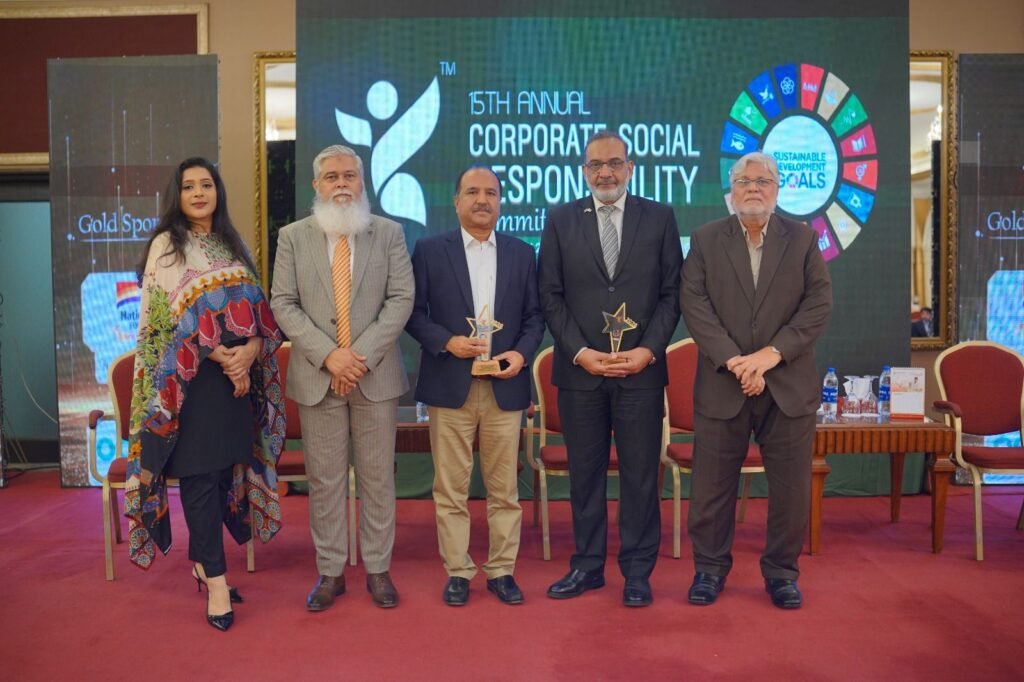
The Thar Foundation CSR Awards have brought national attention to the remarkable social development initiatives in Thar. Thar Foundation has been honored with three prestigious awards at the 15th Annual Corporate Social Responsibility Summit and Awards 2026. The recognition came in the categories of Community Impact, Social Impact, and Women Empowerment reflecting the foundation’s multi-dimensional approach to development. These awards underline how strategic corporate social responsibility programs can transform underserved regions while supporting sustainable economic growth. A Sustainable Development Model Behind Thar Foundation CSR Awards Speaking at the ceremony, General Manager Farhan Ansari credited the recognition to a comprehensive business model aligned with the United Nations Sustainable Development Goals (SDGs). Since its inception, Thar Foundation, along with Sindh Engro Coal Mining Company, has worked to ensure that the benefits of the Thar energy project directly uplift local communities. Their initiatives span education, healthcare, clean water, skills development, women empowerment, and environmental sustainability. Education Initiatives Driving the Thar Foundation CSR Awards Success Education has been a cornerstone of the foundation’s efforts. The organization has established 33 school units, providing quality education and digital literacy to more than 4,500 students. Nearly 40% of these students are girls, highlighting a strong commitment to gender equality. The schools achieved a remarkable 100% pass rate in Federal Board matriculation examinations last year. Beyond schooling, more than 2,000 youth have received technical training in fields such as welding, solar installation, IT, stitching, and dressmaking skills aligned with industry needs. The Government Polytechnic Institute in Mithi currently hosts over 300 students, including female students enrolled for the first time. Diploma programs in mining, electrical, mechanical, and civil engineering are helping create a skilled workforce. Additionally, around 100 students were sent to China for specialized training in power plant operations and maintenance. Healthcare Services Expanding Under Thar Foundation CSR Awards Recognition Healthcare improvements played a major role in the Thar Foundation CSR Awards recognition. Seven medical facilities have provided free healthcare services to over 450,000 people. Services include consultations, ultrasound, laboratory testing, maternal and child care, and free medicines. To address critical maternal health challenges, the Islamkot facility is being expanded into a 50-bed hospital, which will significantly enhance healthcare access in the region. Clean Water and Solar Energy Strengthen Community Development Access to safe drinking water has been improved through 33 Reverse Osmosis plants supplying over 12 million liters of clean water monthly to approximately 34,000 people. Notably, 15 of these plants are operated by local women, promoting both sustainability and empowerment. Under the Village Electrification Project, more than 3,750 homes now have uninterrupted solar power. The initiative also installed 235 solar street lights and around 500 pit latrines, improving sanitation and quality of life across the region. Women Empowerment at the Heart of Thar Foundation CSR Awards Women empowerment initiatives were central to the Thar Foundation CSR Awards recognition. The Women Dumper Truck Driver Program trained and employed 64 women, breaking cultural barriers and creating economic independence. Additionally: • 320 women trained as Lady Health Workers and midwives• 274 women serving as teachers and school principals• Around 110 grants provided to women-led businesses and low-income families These programs are helping reshape social norms while strengthening local economies. Why Thar Foundation CSR Awards Matter for Pakistan The Thar Foundation CSR Awards highlight how responsible corporate investments can drive inclusive growth in Pakistan’s remote areas. By combining education, healthcare, clean energy, and gender equality, the foundation has created a development model that can be replicated nationwide. Such initiatives demonstrate that industrial projects, when aligned with community welfare, can deliver long-term social and economic benefits.

Pakistan Housing Investment Strategy: Government Moves to Boost Affordable Homes and Jobs
Pakistan

Pakistan Housing Investment Strategy: Government Moves to Boost Affordable Homes and Jobs

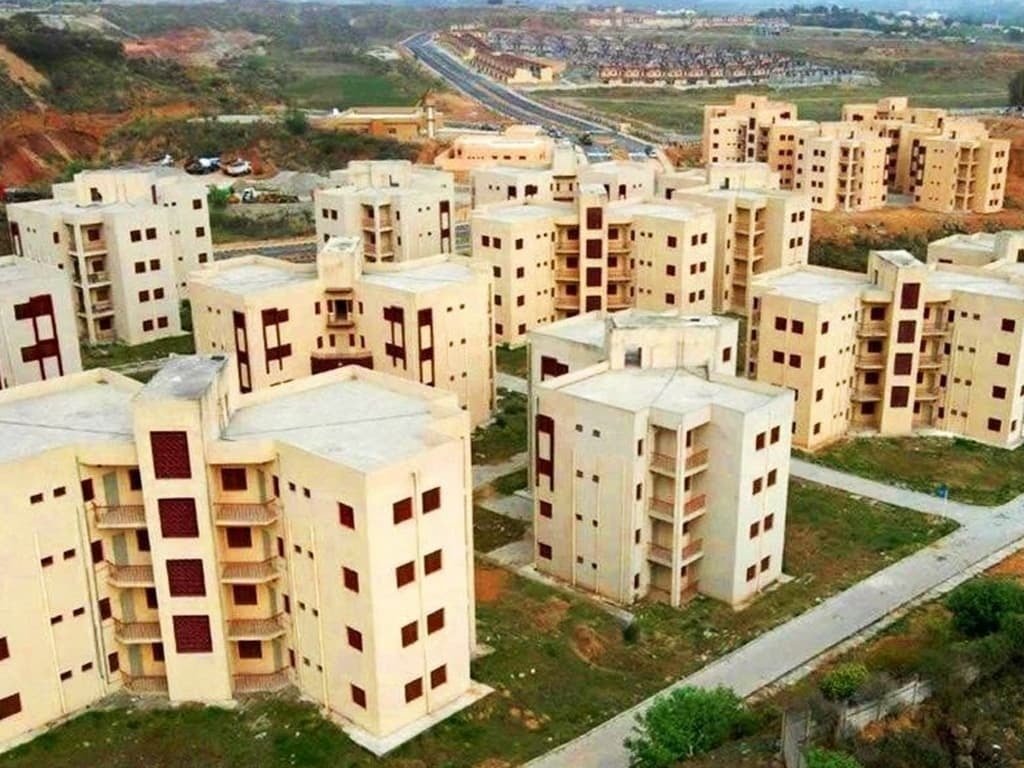
The Pakistan Housing Investment Strategy has taken center stage as the government pushes for practical steps to expand affordable housing and generate employment nationwide. The initiative aims to unlock investment potential in the construction sector widely regarded as one of the strongest drivers of economic growth. Read More: https://theboardroompk.com/pakistan-finalises-app-based-fuel-quota-for-motorcycles-and-rickshaws/ Chaired by Prime Minister Shehbaz Sharif, the high-level meeting brought together key policymakers, financial leaders, and private sector experts to design a roadmap for accelerating investment and improving access to housing. The leadership emphasized that home ownership is not just a dream but a fundamental right. The government is therefore prioritizing policies that make houses more affordable for middle- and lower-income families while stimulating construction activity. Easy-Term Loans Under Pakistan Housing Investment Strategy A central pillar of the Pakistan Housing Investment Strategy is expanding access to affordable financing. The government reaffirmed its commitment to introducing easy-term housing loans, making it simpler for citizens to purchase or build homes. Officials highlighted that banks will likely be assigned specific lending targets to ensure that financing reaches the intended segments. This move is expected to boost mortgage financing and create a more structured housing finance ecosystem. With lower-cost loans, more families could enter the housing market, while developers would gain confidence to launch new projects creating a positive cycle for economic growth. Stakeholder Consultation Across Provinces The Pakistan Housing Investment Strategy is being designed as a collaborative effort. Prime Minister Shehbaz Sharif directed authorities to consult all stakeholders, including provincial governments, Azad Kashmir, and Gilgit-Baltistan. This inclusive approach aims to ensure that housing policies reflect regional needs and infrastructure realities. By aligning federal and provincial efforts, the government hopes to remove bureaucratic bottlenecks and accelerate project approvals. Overseas Pakistanis and Foreign Investors in Focus Another key component of the Pakistan Housing Investment Strategy is attracting overseas Pakistanis and foreign investors. Authorities are working on measures to ensure: • Protection of investor funds• Transparent regulatory frameworks• Streamlined property registration processes• Investor-friendly housing schemes These steps are expected to channel foreign remittances into productive real estate investments, strengthening Pakistan’s construction sector and improving housing availability. Legal Reforms and Mortgage Ecosystem Development Officials briefed the meeting on progress made by task forces working on legal and financial reforms. These include: • Strengthening mortgage financing systems• Simplifying property laws• Introducing low-cost loan schemes• Encouraging public-private partnerships The goal is to build a modern mortgage ecosystem similar to successful housing finance models in other emerging economies. State Bank Governor Jameel Ahmad also participated in discussions, highlighting the financial sector’s role in supporting sustainable housing growth. Job Creation Through Construction Boom The Pakistan Housing Investment Strategy is expected to significantly boost employment. The construction sector has strong linkages with more than 40 industries, including: • Cement• Steel• Paint• Electrical goods• Transportation An increase in housing projects could therefore create thousands of jobs from skilled engineers to daily wage laborers while stimulating broader economic activity. Government’s Final Directive Concluding the meeting, Prime Minister Shehbaz Sharif instructed authorities to finalize a comprehensive implementation plan. The directive emphasized swift action to accelerate growth in the housing and construction sector. The Pakistan Housing Investment Strategy is expected to: • Increase affordable housing supply• Attract domestic and foreign investment• Expand mortgage financing• Generate employment• Stimulate economic growth If implemented effectively, the initiative could transform Pakistan’s housing landscape and support long-term economic stability.

Gold Price in Pakistan Drops by Rs11,000 per tola after Short Rally
Pakistan

Gold Price in Pakistan Drops by Rs11,000 per tola after Short Rally

The gold price in Pakistan witnessed a notable drop on Thursday, bringing some relief to buyers while raising questions for investors. The price of 24-karat gold per tola fell by Rs11,000, settling at Rs468,262. The downward trend reflects both domestic market adjustments and movements in international bullion prices. According to rates shared by the All-Pakistan Gems and Jewelers Sarafa Association, the 24-karat gold price per 10 grams also declined significantly by Rs9,430 to Rs401,459. Meanwhile, 22-karat gold followed the same trend and was quoted at Rs368,017 per 10 grams. This drop comes amid fluctuations in the global market and geopolitical uncertainty influencing investor sentiment. Latest Gold and Silver Rates in Pakistan The gold price in Pakistan was not the only metal affected. Silver prices also declined in the domestic market, reflecting the broader downward trend in precious metals. • 24-karat gold per tola: Rs468,262 (down Rs11,000)• 24-karat gold per 10 grams: Rs401,459 (down Rs9,430)• 22-karat gold per 10 grams: Rs368,017• 24-karat silver per tola: Rs7,484 (down Rs340)• 24-karat silver per 10 grams: Rs6,416 (down Rs291) The consistent decline across both metals suggests weakening short-term demand and external market pressure. Gold Price in Pakistan: Monthly and Yearly Trend The gold price in Pakistan has shown mixed performance over different time frames. Despite the daily drop, the broader trend still indicates gains compared to earlier in the fiscal year. Gold prices: • Day-on-day change: -Rs11,000• One-month change: -Rs72,300• Fiscal year-to-date: +Rs118,062• Calendar year-to-date: +Rs11,300 Silver prices: • Day-on-day change: -Rs340• One-month change: -Rs1,990• Fiscal year-to-date: +Rs3,702• Calendar year-to-date: -Rs234 These figures highlight how volatile precious metals remain, especially in uncertain economic conditions. Global Market Pressure Behind Gold Price in Pakistan Internationally, spot gold traded around $4,444 per ounce, marking a decline of $53.6 (1.19%) from the previous session. Analysts attribute the drop to uncertainty linked to tensions surrounding the Iran–United States conflict and broader risk sentiment in financial markets. When global prices decline, the gold price in Pakistan often follows suit, especially when combined with currency fluctuations and local demand changes. What This Means for Buyers and Investors For consumers, the drop in the gold price in Pakistan offers an opportunity, particularly for wedding season buyers and jewelry purchases. Lower rates may encourage short-term buying activity in local markets. For investors, however, the situation is more complex: • Short-term volatility may continue• Global geopolitical risks remain high• Currency fluctuations could reverse the trend• Long-term demand for gold as a safe haven still exists Experts often advise investors to monitor global cues before making large purchases. Market Outlook: Will Gold Price in Pakistan Fall Further? The future direction of the gold price in Pakistan depends on several factors: • Global economic uncertainty• US interest rate expectations• Regional geopolitical tensions• Pakistani rupee movement• Local demand in jewelry markets If international prices remain under pressure, domestic rates may continue to fluctuate in the short term. However, gold historically retains its appeal as a hedge against inflation and economic instability. The gold price in Pakistan has dropped sharply, providing temporary relief for buyers while signaling caution for investors. With both gold and silver trending downward, market participants are closely watching global developments and currency movements. Whether this dip is short-lived or the beginning of a longer correction remains to be seen, but volatility is likely to continue in the coming days.

Pakistan China CPEC Phase 2: New Momentum for Agriculture, Industry and Infrastructure
World

Pakistan China CPEC Phase 2: New Momentum for Agriculture, Industry and Infrastructure

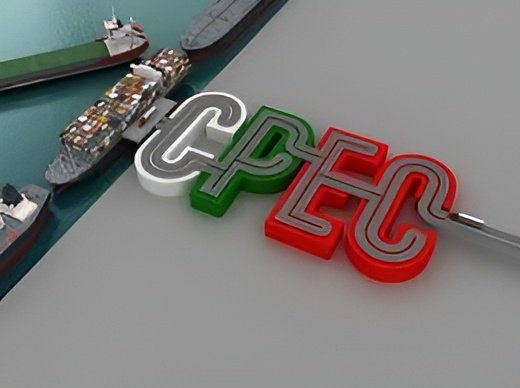
Pakistan China CPEC Phase 2 is back in the spotlight as both countries reaffirmed their commitment to deepen economic cooperation, particularly in agriculture, industrial collaboration, and priority infrastructure projects. The renewed focus highlights the evolving nature of the China-Pakistan partnership, moving beyond roads and energy to long-term economic growth and productivity. Read More: https://theboardroompk.com/pakistan-finalises-app-based-fuel-quota-for-motorcycles-and-rickshaws/ The development came during a meeting between Prime Minister Shehbaz Sharif and Chinese Ambassador Jiang Zaidong in Islamabad, where both sides emphasized stronger collaboration and continued economic engagement. Pakistan China CPEC Phase 2 aims to transform the corridor into a broader economic platform, focusing on job creation, industrialization, and food security areas that directly affect the everyday lives of Pakistanis. Pakistan China CPEC Phase 2 aims to transform the corridor into a broader economic platform, focusing on job creation, industrialization, and food security areas that directly affect the everyday lives of Pakistanis. Agriculture Takes Center Stage in Pakistan China CPEC Phase 2 One of the most important shifts in Pakistan China CPEC Phase 2 is the emphasis on agricultural cooperation. This includes: • Technology transfer for modern farming• Improving irrigation efficiency• Enhancing crop productivity• Expanding agro-based industries• Developing agricultural supply chains This focus is crucial for Pakistan, where agriculture remains a backbone of the economy. Improved agricultural productivity can boost exports, stabilize food prices, and support rural employment. Prime Minister Shehbaz Sharif appreciated China’s consistent economic support and reiterated Pakistan’s commitment to strengthening the all-weather strategic cooperative partnership. Industrial Cooperation to Drive Economic Growth Pakistan China CPEC Phase 2 also highlights industrial cooperation as a priority. Both countries are working to expand: • Special Economic Zones (SEZs)• Manufacturing partnerships• Technology-driven industries• Export-oriented production This move is expected to attract Chinese investment into Pakistan’s manufacturing sector, helping diversify exports and reduce reliance on imports. It also aligns with Pakistan’s broader goal of sustainable industrial development. Ambassador Jiang Zaidong praised Pakistan’s economic resilience and reform efforts, reaffirming China’s continued support in trade and investment. Infrastructure Projects Still a Priority While Pakistan China CPEC Phase 2 expands into new sectors, infrastructure development remains a key pillar. Priority projects are expected to focus on: • Transport connectivity• Logistics improvements• Energy transmission networks• Urban development initiatives These projects aim to enhance connectivity across Pakistan, reduce business costs, and support industrial growth. Strengthening Diplomatic and Strategic Relations During the meeting, Prime Minister Shehbaz Sharif also emphasized Pakistan’s constructive role in promoting regional stability and the importance of close coordination on matters of mutual interest. He congratulated Chinese leadership, including Xi Jinping, Li Qiang, and Wang Yi, on the successful conclusion of the “Two Sessions” and thanked them for their Pakistan Day greetings. Both sides expressed satisfaction over ongoing exchanges and agreed to enhance high-level engagements, particularly as Pakistan and China prepare to celebrate the 75th anniversary of diplomatic relations. What Pakistan China CPEC Phase 2 Means for the Public Pakistan China CPEC Phase 2 is not just a diplomatic development it directly impacts:Pakistan China CPEC Phase 2 is not just a diplomatic development it directly impacts: • Employment opportunities• Agricultural modernization• Industrial expansion• Export growthRegional connectivively, the second phase could help Pakistan transition from infrastructure-led growth to production-led economic development. Pakistan China CPEC Phase 2 signals a new chapter in bilateral relations, focusing on agriculture, industry, and sustainable economic development. With both countries reaffirming their commitment, the next phase of CPEC has the potential to reshape Pakistan’s economic landscape and unlock long-term growth opportunities.

Pakistan Finalises App-Based Fuel Quota for Motorcycles and Rickshaws
Pakistan

Pakistan Finalises App-Based Fuel Quota for Motorcycles and Rickshaws

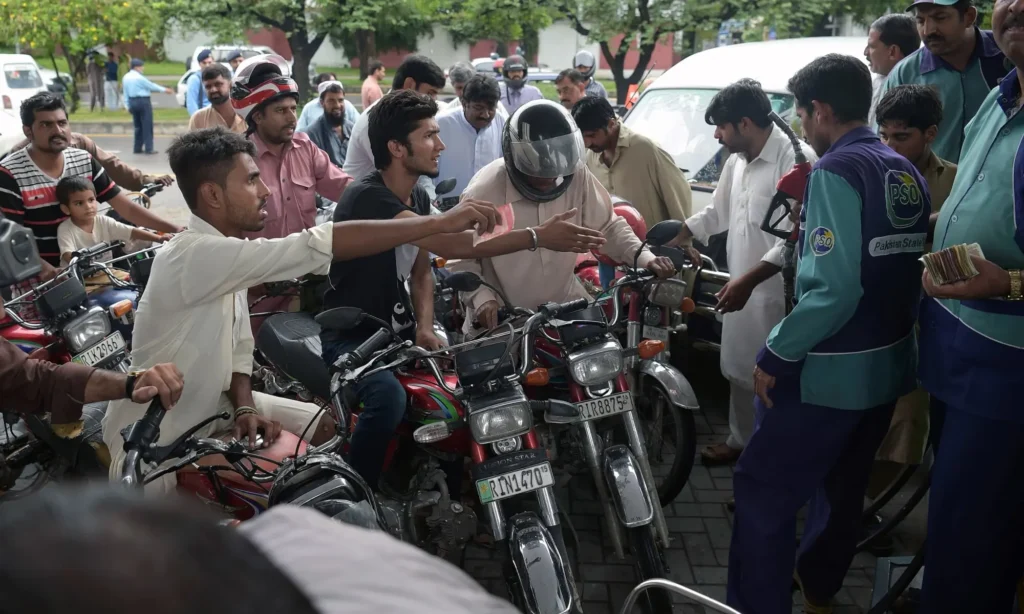
Pakistan’s government has finalised a mobile app-based fuel quota system for motorcycles, rickshaws, and possibly small cars up to 800cc. Read More: https://theboardroompk.com/pakistan-stock-exchange-rally-kse-100-surges-over-4300-points-as-investor-confidence-returns/ This initiative aims to deliver targeted subsidies to low-income drivers amid rising oil prices while promoting fuel conservation. Targeted Relief for Common Commuters The system will link fuel quotas directly to vehicle registration numbers and CNIC details. Users can generate digital vouchers through a consumer app for subsidised petrol at dedicated dispensers. How the App Works Retailers will use specialised phones provided at subsidised rates to scan or enter vouchers. The automated system validates the quota in real time and dispenses only the allowed amount. Petrol stations must maintain separate nozzles for these vehicles to ensure smooth implementation. Implementation Details The Ministry of Information Technology is coordinating with phone manufacturers for devices costing around Rs36,000 initially. Oil marketing companies will appoint focal persons at every retail outlet for 24/7 monitoring and complaint resolution. Quotas, such as an example of 20 litres for motorcycles, will be finalised by the cabinet committee soon. This mechanism draws inspiration from the successful Ramazan Package model for efficient subsidy delivery. Benefits and Challenges Low-income riders will receive direct relief from high fuel costs without broad subsidies straining the budget. Higher prices for non-quota users are expected to encourage overall fuel savings across the country. Past subsidy attempts faced hurdles, but this digital approach promises better targeting and transparency. The government hopes the app will prevent misuse and protect retailers from pricing crises seen in previous years.

Scroll to Top