Author name: Web Desk

Strait of Hormuz Scam Alert, Fake Messages Target Ships as Blockade Disrupts Global Trade
Editor pick, World

Strait of Hormuz Scam Alert, Fake Messages Target Ships as Blockade Disrupts Global Trade

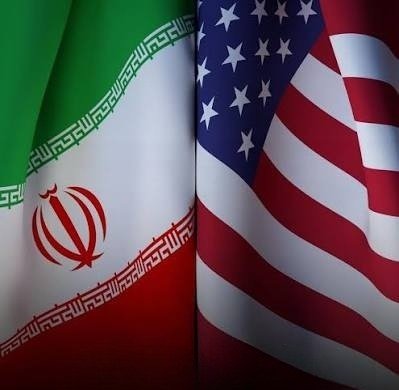
A serious Strait of Hormuz scam alert has emerged as fraudulent actors exploit rising tensions between the United States and Iran. Greek maritime risk management firm MARISKS has warned shipping companies about fake messages promising safe passage through the strategic waterway in exchange for cryptocurrency payments. Read More: https://theboardroompk.com/two-week-ceasefire-ends-us-and-iran-trade-threats-as-tensions-escalate/ Fake Messages Target Stranded Ships According to MARISKS, several shipping companies received suspicious messages while their vessels remained stranded west of the Strait of Hormuz. These messages claimed to offer secure transit through the blocked route but demanded payment in digital currencies such as Bitcoin and Tether. The firm clarified that these communications are fraudulent and have no connection to Iranian authorities. The scam attempts to take advantage of the ongoing crisis and the desperation of shipping operators facing delays and financial losses. How the Scam Operates The fraudulent messages follow a calculated pattern. They claim to represent Iranian security services and promise to assess a vessel’s eligibility for safe passage. Once approved, the sender demands a fee in cryptocurrency before granting clearance. One such message cited by MARISKS stated that after submitting documents and verification, a payment in Bitcoin or USDT would ensure uninterrupted transit at a pre-arranged time. However, experts have confirmed that this is a classic scam designed to exploit uncertainty in the region. Renewed Blockade Intensifies Crisis The Strait of Hormuz scam alert comes as Iran has once again imposed a blockade on the waterway. This move followed Washington’s decision not to lift restrictions on Iranian ports. The renewed standoff has escalated tensions and disrupted one of the world’s most critical maritime routes. The Strait of Hormuz carries nearly 20 percent of global oil and energy supplies. Any disruption in this narrow passage has immediate consequences for global trade and energy markets. Hundreds of Ships Stranded The ongoing blockade has left hundreds of vessels stranded in the Gulf. Reports suggest that nearly 20,000 seafarers are currently affected by the disruption. Shipping companies are facing mounting operational challenges, including delays, rising costs, and uncertainty over safe navigation routes. This situation has created an environment where fraudsters can easily target vulnerable operators. The promise of guaranteed transit has become a powerful lure, especially for companies under pressure to deliver cargo on time. No Official Response from Iran So far, Iranian authorities have not issued any official statement regarding the scam warning. However, MARISKS has emphasized that these messages are not linked to any legitimate government agency. Security experts advise shipping firms to ignore such communications and verify all transit-related instructions through official maritime channels. They also recommend heightened vigilance as cyber threats and financial scams often increase during geopolitical crises. Talks Expected in Pakistan Amid rising tensions, diplomatic efforts continue to prevent further escalation. Officials from the United States and Iran are expected to resume high-level talks in Pakistan. These discussions aim to find a path toward de-escalation and potentially ease restrictions affecting maritime trade. The outcome of these talks could play a critical role in determining the future of the blockade and the safety of global shipping routes. Global Impact and Growing Concerns The Strait of Hormuz scam alert highlights the broader risks associated with geopolitical instability. As tensions rise, not only do physical threats increase, but digital and financial risks also expand. Experts warn that if the blockade continues, global oil prices could surge further, while supply chains may face prolonged disruptions. At the same time, cybercriminals and rogue actors are likely to intensify their activities, targeting industries already under strain.

Two-Week Ceasefire Ends, US and Iran Trade Threats as Tensions Escalate
Editor pick, Politics

Two-Week Ceasefire Ends, US and Iran Trade Threats as Tensions Escalate

The fragile truce between the United States and Iran is nearing a critical deadline as the two-week ceasefire ends, raising fears of renewed conflict in the Middle East. Both sides have intensified rhetoric, exchanged threats, and signaled readiness for escalation if negotiations fail to produce a breakthrough. Read More: https://theboardroompk.com/zong-paa-redefine-travel-connectivity-with-pakistans-first-5g-facilitation-sales-kiosk-at-islamabad-international-airport/ Rising Tensions Ahead of Deadline The ceasefire, which began earlier this month after weeks of intense conflict, was meant to create space for diplomacy. However, as the two-week ceasefire ends, the situation appears more volatile than ever. Leaders from both countries have issued strong warnings, reflecting deep mistrust and unresolved disputes. Iranian officials have warned that they are prepared to take decisive action if the ceasefire collapses. At the same time, US leadership has threatened severe consequences if Tehran refuses to negotiate on key issues, including its nuclear program and regional influence. Breakdown of Diplomatic Efforts Efforts to extend the truce or initiate meaningful dialogue have faced serious obstacles. Planned talks in Islamabad remain uncertain, with Iran signaling reluctance to participate. Tehran has accused Washington of violating the ceasefire through military actions and naval operations in strategic waterways. One major flashpoint emerged after US forces seized an Iranian-flagged vessel near the Strait of Hormuz. Iran condemned the move as a breach of the truce and international law. This incident has further strained already fragile diplomatic channels and cast doubt on the future of negotiations. Military Posturing and Strategic Signals As the two-week ceasefire ends, both sides have increased military readiness. Iran has hinted at unveiling new strategies on the battlefield, while the US has maintained a strong military presence in the region. The situation reflects a dangerous balance where diplomacy continues alongside preparations for conflict. Analysts note that neither side has shown willingness to compromise on core demands. These include sanctions relief, control over regional waterways, and security guarantees. The lack of progress has reinforced fears that the ceasefire may collapse without a replacement agreement. Global Economic Concerns Grow The rising tensions have already affected global markets. Oil prices have fluctuated sharply as investors react to uncertainty in the Middle East. The Strait of Hormuz remains a critical chokepoint, with disruptions threatening global energy supplies. Recent developments, including restricted shipping routes and increased military activity, have amplified concerns about a potential energy crisis. Analysts warn that prolonged instability could push oil prices significantly higher and disrupt international trade flows. Uncertain Path Forward With only hours left before the two-week ceasefire ends, the path forward remains unclear. Diplomatic efforts continue behind the scenes, but public statements from both sides suggest limited optimism. The possibility of renewed hostilities looms large, especially if negotiations fail to resume. Experts emphasize that the current ceasefire is not a permanent solution but a temporary pause in a deeper conflict. Without a comprehensive agreement, the region risks sliding back into violence, with far-reaching consequences for global stability.

Zong & PAA Redefine Travel Connectivity with Pakistan’s First 5G Facilitation & Sales Kiosk at Islamabad International Airport
Business

Zong & PAA Redefine Travel Connectivity with Pakistan’s First 5G Facilitation & Sales Kiosk at Islamabad International Airport

ISLAMABAD, April 21, 2026 – Zong, Pakistan’s leading technology service enterprise, has set a new industry benchmark by launching the country’s first dedicated 5G Customer Facilitation & Sales Kiosk at Islamabad International Airport. This milestone has been achieved through the collaborative efforts of Zong and the Pakistan Airports Authority (PAA) and forms part of a key initiative to modernize indoor airport facilities and introduce 5G-ready solutions for passengers. Read More: https://theboardroompk.com/same-platform-different-price-what-explains-the-rs1-million-gap-for-suv-buyers-in-pakistan/ As mobility and digital reliance converge, airports have become high-intensity connectivity zones where instant access to digital services is no longer optional; it is essential. This initiative underscores Zong’s leadership in next-generation connectivity and marks a strategic step in embedding 5G into Pakistan’s most critical transit ecosystems. Zong is addressing a critical moment in the travel journey: the transition from arrival to real-world connectivity. By enabling immediate access to high-speed services upon arrival, it ensures passengers can seamlessly connect to essential digital tools, including real-time communication for instant connectivity upon landing, navigation and logistics through high-speed data for ride-hailing and digital maps, digital payments with seamless integration into Pakistan’s digital ecosystem and operational flow support for timely decision-making and smooth passenger movement through the terminal; expectations Zong fulfills through its on-ground facilitation model, delivering speed, reliability, and convenience exactly when it matters most. Commenting on the initiative, Faheem Durrani, Head of Sales and Distribution, Zong, said, “Airports are critical digital touchpoints where immediate and reliable connectivity is essential. This initiative enables travelers to seamlessly integrate into Pakistan’s digital ecosystem from the moment they arrive. By strengthening our presence at key transit hubs, we are delivering connectivity where demand is most immediate and impactful.” The Director General of Pakistan Airports Authority (DGPAA) stated, “This development reflects our broader strategy to modernize airport infrastructure across Pakistan and integrate advanced digital capabilities into the aviation ecosystem. Initiatives like this 5G deployment at Islamabad International Airport are an important step toward building smarter, more connected airports that align with global aviation standards and future demand.” The realization of this 5G-ready ecosystem is a testament to the seamless collaboration between the Zong and the Pakistan Airports Authority, especially Director General PAA, Deputy Director General PAA (Airports) HQPAA, and Director Commercial & Estate HQPAA for their institutional support, along with the Airport Manager – COO and Senior Joint Director Commercial of Islamabad International Airport for their critical on-ground facilitation Zong’s 5G strategy is anchored in delivering ultimate customer experience, a diversified products & services portfolio, and AI Enablement. Building on the successful deployment in Islamabad, Zong, in collaboration with the Pakistan Airports Authority (PAA), plans to scale this initiative to other major aviation hubs, including Lahore and Karachi, further accelerating Pakistan’s digital transformation and reinforcing its position as a connected, future-ready nation.

Pakistani freelancers Earn Over $850 million in Jul-Mar
Business

Pakistani freelancers Earn Over $850 million in Jul-Mar

KARACHI: Pakistani freelancers is enhancing their contribution in global freelancing market, bringing in over $850 million foreign exchange reserves in the country by the end of third quarter of the current financial year despite multiple challenges and issues of internet disruption and electricity loadshedding. Read More: https://theboardroompk.com/same-platform-different-price-what-explains-the-rs1-million-gap-for-suv-buyers-in-pakistan/ According to State Bank of Pakistan (SBP), freelancers of computer and IT services fetched $856 million by the end of third quarter of the current financial year 2025-26 as compared to $567 million reported in a similar period of the last financial year, showing a handsome 50% growth or $289 million record upsurge. Pakistan Freelancers Association (PAFLA) Ibrahim Amin said that hundreds of thousands of individuals trained by public sector initiatives and non-governmental organizations are entering the freelancing market each month, boosting the country’s foreign exchange earnings. In this regard, the role of institutions is crucial in development of freelancing ecosystem in the country, including Ministry of IT and Telecommunication, Pakistan Software Export Board, and the Special Investment Facilitation Council in developing a supportive ecosystem for freelancers. He urged the government and internet service providers to ensure uninterrupted and high-speed internet services across Pakistan to support the digitally-connected economy, including freelancers and gig economy workers nationwide. According to the Asian Development Bank, Pakistan is home to over 2.37 million freelancers, ranking among the top countries globally in terms of freelance workforce size. To address these issues, he suggested that the government introduce satellite-based internet solutions as an alternative, ensuring reliable connectivity and minimizing disruptions caused by submarine cable faults. The PAFLA chairman expressed optimism that the rollout of 5G technology will significantly improve internet speeds in near future, enhancing the productivity of freelancers, content creators, and other online professionals across the country. Dr Noman Said, a freelancers coach, said the freelancers’ contribution to the economy is visible despite multiple challenges and issues of infrastructure. The freelancing community could play a pivotal role to aid in economic stability and reducing unemployment in the country. Our freelancers should upskill themselves with emerging technologies and in-demand fields, including AI and cybersecurity to remain competitive and valuable at global level, he further stated. He mentioned that Pakistan’s over 60 percent population is consisting of youth, whom will be the country’s assets if the government and the private sector will invest in their capacity building based on a concrete plan or a roadmap. The government should further facilitate freelancers to reduce their payment and regulatory issues and encourage them to form small or medium sized firms through business-friendly policies, which will help them progress in a growing direction, he further said.

Cattle Influx Surpasses 5,500 at Northern Bypass 'Awam Dost' Mandi
Pakistan

Cattle Influx Surpasses 5,500 at Northern Bypass ‘Awam Dost’ Mandi

KARACHI (PR 20 APRIL 2026) The influx of sacrificial animals at the 1,100-acre ‘Awam Dost’ Cattle Market on Northern Bypass has crossed the 5,500 mark as the market entered its 16th day of operations. Majestic and high-breed cattle from Sindh, Punjab, and Balochistan have become the center of attraction at what is being positioned as Asia’s largest livestock marketplace. Read More: https://theboardroompk.com/same-platform-different-price-what-explains-the-rs1-million-gap-for-suv-buyers-in-pakistan/ Comprehensive Facilities for Traders According to Administrator Tariq Tanoli, the market—which became functional on April 5—is fully equipped to facilitate both traders and buyers. Under the supervision of Water Contractor Sarfaraz, the administration is providing free water daily, allocating 8 liters for small animals and 30 liters for larger ones. In a move to reduce the financial burden on traders, the administration has also allowed them to bring their own fodder. To ensure a seamless experience, the market features temporary mosques, restrooms, and on-site banking facilities to handle high-volume cash transactions safely. Innovative Services and Attractions Beyond traditional livestock trading, the market features unique attractions. Faisal, a trader from Nawabshah, has gained attention by setting up a dedicated “Service Station” for cattle. “Our animals thrive and stay active in this heat after a refreshing wash,” Faisal remarked, highlighting the measures taken to combat the rising temperatures. Food Street and Public Amenities A sprawling Food Street is being finalized in front of the Administration and VVIP blocks. Renowned food chains, including Butt Karahi, Bilal Broast, and Chaudhary Mohsin Foods, are setting up stalls to provide quality dining options for visitors. Digital Parking and Logistics Parking Contractor Adnan announced that the market is embracing digitalization to avoid congestion. Citizens can now acquire online parking passes valid until the last day of Eid-ul-Adha. The seasonal pass for cars is priced at Rs. 4,000, while motorcycle passes are available for Rs. 1,500. For those opting for daily parking, the rates are as follows:Motorcycles: Rs. 50Cars: Rs. 100Rickshaws: Rs. 200Suzuki Pickups/Loaders: Rs. 500Shahzore Trucks: Rs. 600Mazda Trucks: Rs. 800 Visitors also have the option to park in a dedicated 200-acre zone and explore the vast market on foot to witness the variety of livestock, including heavy bulls and exquisitely decorated camels from Tharparkar.

Same Platform, Different Price: What Explains the Rs1 Million Gap for SUV buyers in Pakistan?
Auto

Same Platform, Different Price: What Explains the Rs1 Million Gap for SUV buyers in Pakistan?

Karachi : Pakistan’s fast-evolving SUV market is beginning to see a new layer of competition — not just between brands, but within the same global automotive groups. Read More: https://theboardroompk.com/the-magnum-ice-cream-company-appoints-mert-turgut-as-general-manager-pakistan/ A case in point is the comparison emerging between the Chery Tiggo 7 PHEV and the Jaecoo J7 two different brands under the umbrella of Chery, a Chinese automobile giant. At first glance, the two vehicles appear to target similar buyers — modern SUV customers looking for electrification, performance, and technology. But a closer look reveals a more nuanced reality as both vehicles are built on closely related platforms, share core engineering, and deliver near-identical hybrid performance — yet are priced differently in the Pakistani market, almost 1 million rupees difference. The Tiggo 7 PHEV enters as a C-segment plug-in hybrid built on Chery’s latest Super Hybrid architecture. It combines a 1.5TGDI engine with an 18.3 kWh battery and a dedicated hybrid transmission, producing strong power output and delivering up to 90 km of pure electric range and a combined range of around 1,200 km. These are numbers that place it firmly among the most capable electrified SUVs currently available locally. The Jaecoo J7, meanwhile, is part of Chery’s newer sub-brand strategy aimed at more design-led and lifestyle-oriented positioning. While it introduces a distinct exterior identity — more rugged, upright, and off-road inspired — its underlying engineering DNA remains closely aligned with Chery’s existing hybrid platforms. This is not unusual in the global auto industry. Shared platforms across different brands — often referred to as “badge engineering” — are common practice. In Pakistan, however, where price sensitivity remains a key factor, such comparisons are beginning to influence buying decisions more directly. With an estimated price gap of close to Rs 1 million between the two, the Tiggo 7 PHEV positions itself as a high-value proposition — offering comparable hybrid technology, performance output, and core features at a more accessible entry point. For many buyers, especially those transitioning from conventional petrol SUVs, this difference is not marginal — it materially impacts affordability and ownership economics. Beyond pricing, the Tiggo7 also aligns closely with current market realities. With fuel prices remaining elevated and unpredictable, plug-in hybrid vehicles offer a practical middle ground — enabling daily commutes on electric power while retaining the flexibility of a combustion engine for longer journeys. Industry observers note that as more global brands introduce sub-brands and overlapping product lines, consumer awareness around platforms, powertrains, and real-world value is increasing. Buyers are no longer evaluating vehicles purely on exterior styling or badge perception, but increasingly on underlying engineering and cost efficiency. In that context, the Tiggo 7 PHEV’s positioning becomes clearer. It is not merely competing on features or design — it is competing on value for technology. As Pakistan’s hybrid segment expands, such intra-group comparisons are likely to become more common. And, for consumers, the key question may no longer be which vehicle looks different — but which one delivers more for what they pay.

Pakistan Halts $1.5bn Sudan Arms Deal After Saudi Pressure
Politics

Pakistan Halts $1.5bn Sudan Arms Deal After Saudi Pressure

Pakistan has placed a $1.5 billion weapons deal with Sudan on hold after Saudi Arabia objected to the agreement and withdrew financial backing, according to sources. The deal, which included jets and military equipment, had been nearing completion but is now uncertain amid geopolitical pressure and shifting regional priorities. Read More: https://theboardroompk.com/ceasefire-at-risk-after-us-seizes-iranian-cargo-ship/ Saudi Role in Deal Collapse Saudi Arabia, a key ally and financial supporter of Pakistan, reportedly asked Islamabad to terminate the deal and refused to finance the purchase. The agreement had earlier been brokered with Riyadh’s involvement, but a recent policy shift led to the withdrawal of support. The decision followed concerns raised by Western countries urging Saudi Arabia to avoid involvement in conflicts across Africa. A meeting between Sudanese military officials and Saudi authorities in Riyadh played a critical role in reversing the financing plan. Pakistan and Saudi Arabia share deep defence and economic ties, including financial assistance and a mutual defence pact. This close relationship likely influenced Islamabad’s decision to pause the deal rather than proceed independently. Impact on Sudan Conflict The suspension comes amid Sudan’s ongoing civil war between the army and the paramilitary Rapid Support Forces, widely regarded as one of the world’s worst humanitarian crises. The deal could have significantly boosted Sudan’s military capabilities. The halt also highlights how global and regional powers are influencing the conflict, with competing interests shaping outcomes. Saudi Arabia and the UAE have previously supported opposing sides in regional disputes, adding complexity to the situation. Additionally, the move raises questions about Pakistan’s growing defence export ambitions, as similar deals—including a reported $4 billion agreement with Libya—may now face scrutiny. The development signals a broader recalibration of Saudi Arabia’s defence strategy, potentially affecting future arms agreements and regional alignments.

Ceasefire at Risk After US Seizes Iranian Cargo Ship
World

Ceasefire at Risk After US Seizes Iranian Cargo Ship

The fragile ceasefire in the Middle East is under serious threat after the United States seized an Iranian cargo ship accused of violating a naval blockade, escalating tensions across the region. Iran has strongly condemned the move as “armed piracy” and signaled it may withdraw from ongoing peace efforts, raising fears of renewed conflict. Read More: https://theboardroompk.com/pakistan-stock-exchange-falls-as-global-tensions-trigger-market-shock/ Rising Tensions in Gulf Waters The incident occurred near the Strait of Hormuz, a critical global oil route, where US forces intercepted and boarded the vessel after a prolonged standoff. Washington claims the ship was attempting to bypass sanctions and blockade restrictions, while Tehran insists it was on a legitimate commercial journey. Iran has warned of retaliation, with officials stating their armed forces would respond to what they describe as a violation of international law. The confrontation comes at a delicate moment, as both nations were preparing for another round of negotiations aimed at extending a temporary ceasefire. Peace Talks in Doubt The seizure has cast uncertainty over planned peace talks, expected to take place in Islamabad, where Pakistan has been mediating between the two sides. Iran has indicated it may refuse to participate unless the US lifts its naval blockade and reduces pressure on its military programs. Global markets have already reacted, with oil prices rising sharply amid fears of disruption to shipments through the Strait of Hormuz, which handles a significant portion of the world’s oil supply. Analysts warn that continued escalation could destabilize energy markets and prolong the conflict. With the ceasefire nearing its expiration, the situation remains volatile. Diplomatic efforts are ongoing, but growing mistrust between Washington and Tehran threatens to derail negotiations entirely and push the region closer to a broader confrontation.

Pakistan Stock Exchange Falls as Global Tensions Trigger Market Shock
Pakistan

Pakistan Stock Exchange Falls as Global Tensions Trigger Market Shock

The Pakistan Stock Exchange witnessed a turbulent Monday session as investors reacted sharply to rising geopolitical tensions and volatile oil prices. The benchmark KSE-100 Index closed in the red, although late-session buying helped reduce earlier heavy losses. Read More: https://theboardroompk.com/illegal-construction-karachi-crisis-deepens-as-sbca-fails-to-stop-portion-mafia/ The index settled at 172,196.70, declining by 1,742.31 points or 1 percent. Despite the negative close, the session was marked by extreme volatility, with investors scrambling to adjust positions amid uncertainty. Pakistan Stock Exchange Sees Wild Intraday Swings The Pakistan Stock Exchange experienced dramatic swings throughout the day. The KSE-100 Index traded within a wide range of more than 5,297 points. It touched an intraday high of 174,523.76 before plunging to a low of 169,226.56, reflecting panic selling followed by cautious bargain hunting. Trading activity remained strong, with nearly 598 million shares changing hands in the benchmark index. However, market breadth remained decisively negative as 77 companies declined compared to just 22 advancing, signaling persistent selling pressure. Major Stocks Drag Pakistan Stock Exchange Lower Heavyweight stocks played a crucial role in pulling the Pakistan Stock Exchange downward. Fertilizer, cement, and power generation sectors led the decline. Large-cap companies including FFC, HBL, HUBC, LUCK, and ENGROH collectively shaved hundreds of points off the index. On the other hand, selective buying in banking stocks provided partial support. UBL emerged as the biggest positive contributor, followed by BAFL and NBP. These gains prevented a deeper slide in the market. Sector-wise, fertilizer companies exerted the strongest negative pressure, followed by cement and power distribution firms. Some support came from property-related stocks, refinery shares, and engineering companies, where investors hunted for bargains at lower valuations. Geopolitical Tensions Shake Investor Confidence Investor sentiment at the Pakistan Stock Exchange remained cautious due to escalating tensions between the United States and Iran. Reports that the United States seized an Iranian-flagged cargo ship in the Strait of Hormuz triggered fears of supply disruptions. The situation worsened after Iran signaled no immediate plans for further negotiations. Earlier diplomatic expectations linked to comments by Donald Trump about sending a delegation to Islamabad had offered some hope. However, the latest developments dampened optimism. Oil markets reacted sharply, with prices rebounding amid fears of another potential closure of the Strait of Hormuz. Rising oil prices typically increase Pakistan’s import bill, weakening macroeconomic outlook and pressuring equities. This uncertainty weighed heavily on investor confidence throughout the session. Late Buying Helps Pakistan Stock Exchange Recover Despite the panic selling earlier in the day, the Pakistan Stock Exchange saw some late-session recovery. Investors stepped in to purchase fundamentally strong stocks at discounted prices, trimming steep losses. The broader market reflected similar sentiment. The All-Share Index closed at 102,788.51, down 0.98 percent. Overall market participation remained high with more than 1.29 billion shares traded, valued at Rs65.27 billion. Out of 488 companies traded, 319 declined while only 138 advanced, showing that selling pressure dominated even as the market recovered partially. High Volume Stocks Highlight Market Activity The most actively traded stocks included Bank of Punjab, Unity Foods, K-Electric, WorldCall Telecom, and Pak Elektron. These stocks accounted for a significant portion of total market turnover, reflecting strong retail participation despite cautious sentiment. Pakistan Stock Exchange Performance Outlook Although Monday’s session ended negatively, the Pakistan Stock Exchange still shows strong performance over the fiscal year. The KSE-100 Index has gained more than 46,000 points, representing growth of over 37 percent. However, the index remains slightly down for the current calendar year, reflecting ongoing volatility. Market experts believe future direction will largely depend on geopolitical developments, oil price trends, and foreign investor participation. Stability in global energy markets could help restore confidence, while further escalation may keep the Pakistan Stock Exchange under pressure.

Illegal Construction Karachi Crisis Deepens as SBCA Fails to Stop Portion Mafia
Pakistan

Illegal Construction Karachi Crisis Deepens as SBCA Fails to Stop Portion Mafia

Illegal Construction Karachi has once again sparked outrage among residents after previously demolished structures began reappearing across multiple neighborhoods, raising serious questions about enforcement by the Sindh Building Control Authority. Despite claims of tighter regulations following the tragic collapse at Gul Plaza, illegal construction activities continue to flourish, particularly in North Nazimabad and other densely populated areas. Residents say the situation is worsening as unauthorized floors are being added to residential plots, placing immense pressure on already strained infrastructure and posing significant safety risks. Illegal Construction Karachi Driven by Organized Portion Mafia The Illegal Construction Karachi problem is increasingly linked to organized groups commonly referred to as the portion mafia. These developers purchase residential plots intended for single-family homes and construct multi-storey buildings in violation of approved plans. In many cases, plots designed for one or two floors are converted into four or five-storey buildings. Such developments are being reported not only in North Nazimabad but also in areas like Federal B Area, Liaquatabad, PECHS, and Nazimabad. Residents warn that these illegal additions are overwhelming water supply, sewerage systems, parking space, and road capacity. Residents Face Threats for Opposing Illegal Construction Karachi The Illegal Construction Karachi crisis has also created fear among citizens who attempt to resist unlawful development. In one case, local resident reported that a multi-storey structure was illegally built next to his house on a 200 square yard plot. After filing complaints, authorities demolished the under-construction building. However, construction resumed shortly afterward. When objections were raised again, he alleged that he received threats and was pressured not to pursue the matter further. Such incidents highlight the growing influence of illegal builders and the lack of sustained enforcement. Town Authorities Say They Are Powerless Town Municipal Corporation officials acknowledge that Illegal Construction Karachi is damaging infrastructure but claim they lack authority to intervene. Local administrators say plots originally designed for 10 to 12 residents are now housing up to 70 people, placing severe strain on civic services. Officials argue that while the burden falls on municipal bodies, enforcement powers remain limited, creating a governance gap that allows illegal structures to proliferate. SBCA Enforcement Actions Fail to Stop Illegal Construction Karachi According to official data, the SBCA claims it conducted 396 enforcement actions between January and April. These actions included demolitions, sealing of premises, and stoppage of construction across different districts of Karachi. However, residents argue that many demolitions are temporary and builders resume work soon after. The continued rebuilding of demolished structures has intensified criticism that enforcement measures lack consistency and deterrence. Anti Corruption Probe Adds to Illegal Construction Karachi Controversy The controversy surrounding Illegal Construction Karachi has deepened after the Sindh Anti-Corruption Establishment launched multiple inquiries into SBCA officials. These investigations include allegations related to illegal construction approvals and irregular appointments within the department. Officials ranging from mid-level officers to senior directors are reportedly under scrutiny. Authorities have requested records of building approvals and sanctioned plans, while another inquiry is examining recruitment of officials allegedly lacking required qualifications. Infrastructure at Risk as Illegal Construction Karachi Expands Urban planners warn that unchecked Illegal Construction Karachi could lead to severe consequences. Overcrowded buildings increase the risk of structural failures, fire hazards, and emergency access issues. Additionally, excessive population density in residential areas contributes to water shortages, sewer overflow, and traffic congestion. Residents fear that without decisive action, the city may face more tragedies similar to past building collapses. Conclusion: Illegal Construction Karachi Demands Urgent Action Illegal Construction Karachi has evolved into a major urban governance crisis. Weak enforcement, organized illegal developers, threats to complainants, and ongoing corruption probes collectively highlight systemic failures. Experts emphasize that sustained monitoring, transparent approvals, and strict penalties are necessary to curb illegal construction and restore public confidence.

Scroll to Top