
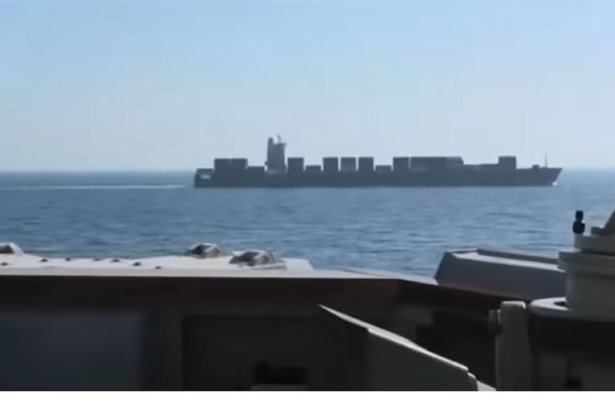
The fragile ceasefire in the Middle East is under serious threat after the United States seized an Iranian cargo ship accused of violating a naval blockade, escalating tensions across the region. Iran has strongly condemned the move as “armed piracy” and signaled it may withdraw from ongoing peace efforts, raising fears of renewed conflict.
Read More: https://theboardroompk.com/pakistan-stock-exchange-falls-as-global-tensions-trigger-market-shock/
Rising Tensions in Gulf Waters
The incident occurred near the Strait of Hormuz, a critical global oil route, where US forces intercepted and boarded the vessel after a prolonged standoff. Washington claims the ship was attempting to bypass sanctions and blockade restrictions, while Tehran insists it was on a legitimate commercial journey.
Iran has warned of retaliation, with officials stating their armed forces would respond to what they describe as a violation of international law. The confrontation comes at a delicate moment, as both nations were preparing for another round of negotiations aimed at extending a temporary ceasefire.
Peace Talks in Doubt
The seizure has cast uncertainty over planned peace talks, expected to take place in Islamabad, where Pakistan has been mediating between the two sides. Iran has indicated it may refuse to participate unless the US lifts its naval blockade and reduces pressure on its military programs.
Global markets have already reacted, with oil prices rising sharply amid fears of disruption to shipments through the Strait of Hormuz, which handles a significant portion of the world’s oil supply. Analysts warn that continued escalation could destabilize energy markets and prolong the conflict.
With the ceasefire nearing its expiration, the situation remains volatile. Diplomatic efforts are ongoing, but growing mistrust between Washington and Tehran threatens to derail negotiations entirely and push the region closer to a broader confrontation.