Author name: Web Desk

Bank Alfalah Share Split 2026: Doubles Shares for Investors
Business

Bank Alfalah Share Split 2026: Doubles Shares for Investors

Bank Alfalah Share Split is making headlines across Pakistan’s financial markets, as the Board of Directors of Bank Alfalah Limited (PSX: BAFL) proposes a 2-for-1 stock split that could reshape investor sentiment in 2026. The move, subject to shareholder approval, will reduce the face value of each share from Rs10 to Rs5. In simple terms, shareholders will receive two shares for every one share currently held. While the total investment value remains unchanged initially, the increased number of shares often improves liquidity and market accessibility. But why now? And what does this signal about the bank’s strategy? Why the Bank Alfalah Share Split Matters The proposed Bank Alfalah Share Split is more than just a technical adjustment. Stock splits are often used by companies aiming to: • Improve share affordability for retail investors• Increase market liquidity• Signal confidence in long-term growth• Enhance trading activity on the Pakistan Stock Exchange By halving the face value, Bank Alfalah may be positioning itself to attract a broader base of investors, particularly smaller retail participants who may perceive lower nominal share prices as more accessible. The bank will also amend the relevant clauses in its Memorandum and Articles of Association to reflect the structural change—another indication that this is a strategic corporate move rather than a routine adjustment. Financial Performance: Profit Decline Raises Questions While the Bank Alfalah Share Split has generated excitement, the bank’s latest financial results tell a more complex story. For the year ended December 31, 2025, Bank Alfalah reported a profit after tax (PAT) of Rs27.80 billion, representing a 30.3% decline compared to Rs39.86 billion in the previous year (CY24). Earnings per share (EPS) also dropped from Rs25.27 to Rs17.62. This decline reflects the broader macroeconomic pressures facing Pakistan’s banking sector, including: • Interest rate volatility• Regulatory adjustments• Slower credit growth• Margin compression Despite the drop in profitability, the bank maintained a relatively strong dividend policy. Dividend Strategy: A Confidence Booster? Alongside the Bank Alfalah Share Split, the board announced a final cash dividend of Rs3 per share (30%). This comes in addition to three interim cash dividends of 25% each already paid during the year. In total, shareholders received substantial cash returns despite the earnings decline suggesting management’s confidence in the bank’s capital strength and liquidity position. This balanced approach combining a stock split with sustained dividend payouts may signal a long-term strategy focused on investor retention and market positioning. What Investors Should Watch Next The proposed Bank Alfalah Share Split is still subject to shareholder approval. If passed, investors should monitor: Historically, stock splits can generate positive sentiment, but they do not alter a company’s fundamental value. The real driver of long-term performance will remain profitability, asset quality, and strategic expansion. The Bigger Picture In a year marked by profit contraction, Bank Alfalah’s decision to proceed with a Bank Alfalah Share Split suggests a forward-looking outlook. It could be interpreted as a move to refresh market momentum, improve accessibility, and prepare for a potential earnings rebound. For retail investors, this development may present an opportunity to reassess portfolio positioning. For institutional investors, the key question remains: can earnings growth recover in 2026? One thing is certain the Bank Alfalah Share Split has sparked fresh conversation in Pakistan’s banking sector, and the coming months will reveal whether this bold step translates into renewed investor confidence.
IPAK Group sustains strong momentum with consolidated net profit rising to PKR 1.47 billion
Pakistan

IPAK Group sustains strong momentum with consolidated net profit rising to PKR 1.47 billion

International Packaging Films (IPAK) Posts 290% Profit Surge to RS1.47B in First Half of FY-2026 Karachi: IPAK Group has delivered another strong performance for the half year ended 31 December 2025, resulting in a consolidated net profit to PKR 1.47 billion compared to PKR 377 million in the corresponding period last year, translating into an earnings per share (EPS) of PKR 2.19, highlighting the Group’s strengthening operational leverage and financial resilience. Read More: https://theboardroompk.com/surplus-lng-pakistan-faces-tough-choice-of-cutting-rlng-or-risk-breaking-qatar-deal/ The robust financial result reflects continued operational discipline, higher capacity utilization across subsidiaries, and sustained growth in export markets. Group’s consolidated sales increased by 19.8% to PKR 19.46 billion, supported by improving demand dynamics and the Group’s integrated manufacturing platform spanning BoPP, CPP, and BoPET film technologies. Group’s gross profit rose significantly to PKR 3.61 billion, up 63.3% year-on-year, while operating profit reached PKR 2.90 billion, reflecting improved margins and disciplined cost management. Finance costs declined by 13.8% despite the higher scale of operations, supported by improved working capital management and stronger internal cash flow generation. Exports continued to remain a key growth driver, with consolidated export sales rising to PKR 4.67 billion, supported by a focused export strategy, improved execution, and increasing demand for value-added specialty films across international markets. On a standalone basis, IPAK delivered stable sales of PKR 6.07 billion, while improved product mix and operational efficiencies resulted in significant margin expansion. Standalone net profit increased to PKR 423 million, reflecting the Company’s continued focus on disciplined operations and value enhancement. “Our integrated manufacturing platform and customer-driven innovation strategy continue to translate into sustainable earnings growth,” said Naveed Godil the Group Chief Executive. “By combining scale, efficiency, and export expansion, IPAK is strengthening its position as a regional leader in specialized flexible packaging films, he added.” Building on its integrated multi-film ecosystem, IPAK continues to focus on specialty films, customer-driven innovation, and disciplined expansion, strengthening its global footprint through value-added exports and operational excellence. Leveraging its diversified BOPP, BOPET, and CPP portfolio, management remains confident in enhancing exports, improving efficiencies, and driving innovation to sustain long-term growth and shareholder value.

Surplus LNG: Pakistan Faces Tough Choice of Cutting RLNG or Risk Breaking Qatar Deal
Pakistan

Surplus LNG: Pakistan Faces Tough Choice of Cutting RLNG or Risk Breaking Qatar Deal

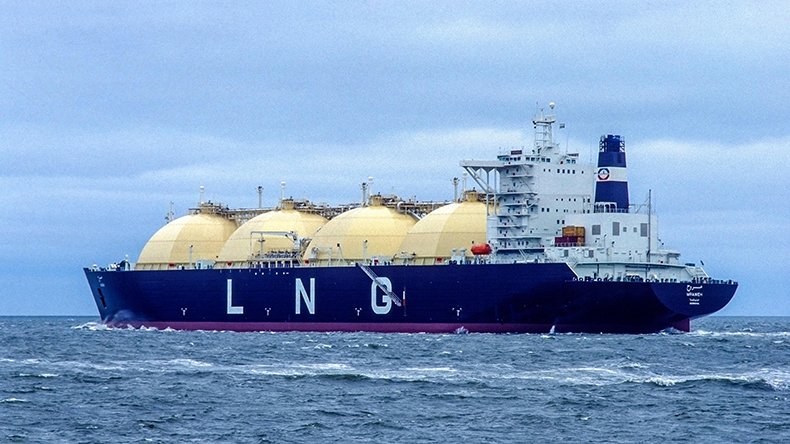
This request is seen as conflicting with the Integrated Generation Capacity Expansion Plan (IGCEP), which sets RLNG demand benchmarks for the power sector. Read More: https://theboardroompk.com/pakistan-advances-2bn-adb-loan-talks-for-karachi-rohri-rail-upgrade/ RLNG volumes for 2026 were finalized in line with IGCEP during joint ministerial meetings, incorporated into studies, and agreed upon with QatarEnergy by late November 2025. The downward revision creates a divergence, potentially leading to surplus cargoes and operational disruptions. Operational and Financial Challenges Post-finalization demand changes have already caused high line pack pressures in the gas system, forcing curtailment of about 200 MMCFD of indigenous gas to preserve system integrity. This risks damage to gas fields, revenue shortfalls for exploration companies, and lower non-tax government income. The Petroleum Division has urged the Power Division to stick to IGCEP volumes, allowing only 5–10% tolerance for fluctuations. Surplus LNG Management Strategies Declining gas demand, mainly from the power sector, has led to surplus cargoes under Qatar LNG agreements. The Federal Cabinet approved diverting 24–29 Qatar cargoes for 2026 under the Net Proceed Differential (NPD) mechanism. In 2025, 11 surplus cargoes were sold via NPD, with five deferred. Projections indicate around 177 additional surplus cargoes from mid-2025 to end-2031 (roughly 24 per year). QatarEnergy agreed to place 24 cargoes (two monthly) under NPD for 2026. Ministerial Stance and Path Forward Petroleum Minister Ali Pervaiz Malik emphasized avoiding breaches of bilateral contracts due to planning shortcomings. Options presented to the Economic Coordination Committee included mutual reductions, deferred recoveries, full NPD application, or contract amendments for re-exports. Initial NPD use is underway for 2026, with future steps based on its performance.

Pakistan Advances $2bn ADB Loan Talks for Karachi-Rohri Rail Upgrade
Uncategorized

Pakistan Advances $2bn ADB Loan Talks for Karachi-Rohri Rail Upgrade

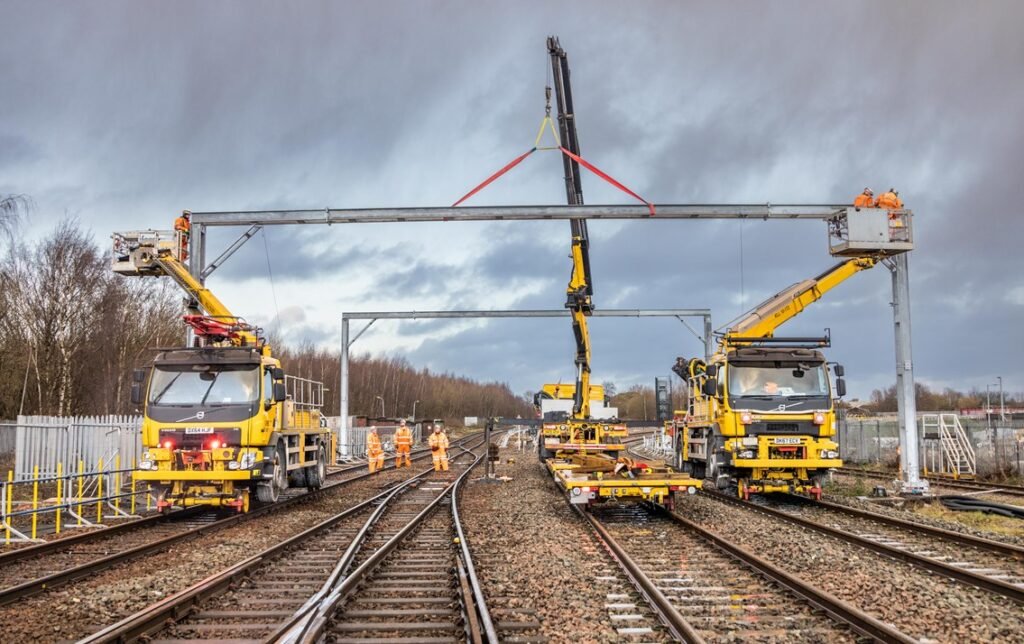
The Karachi-Rohri segment, spanning around 480-500 km, has an estimated total cost of $2 billion. ADB is poised to provide about $1.2 billion, while discussions continue with partners like the Asian Infrastructure Investment Bank (AIIB) and the European Investment Bank (EIB) to cover the remaining funds. Read More: https://theboardroompk.com/marine-bunkering-services-redefined-at-karachi-port/ This multilateral approach aims to diversify financing beyond traditional sources. Project Context and Strategic Importance The talks were highlighted in a recent CPEC progress meeting chaired by Minister for Planning Ahsan Iqbal. Officials noted that Pakistan’s Embassy in China has sought details on the ML-1 financing plan, including third-party involvement, to share with Chinese authorities for broader coordination. The Karachi-Rohri upgrade is prioritized as a starting phase for the overall ML-1 revitalization, which seeks to modernize Pakistan’s aging railway network for faster, safer train operations. This development reflects efforts to accelerate the project amid past delays in full Chinese funding for ML-1. Successful financing could boost connectivity, support freight transport (including from mining projects like Reko Diq), and enhance economic growth in southern Pakistan.

Pakistan

Petroleum Product Prices in Pakistan Rise Again from February 16, 2026

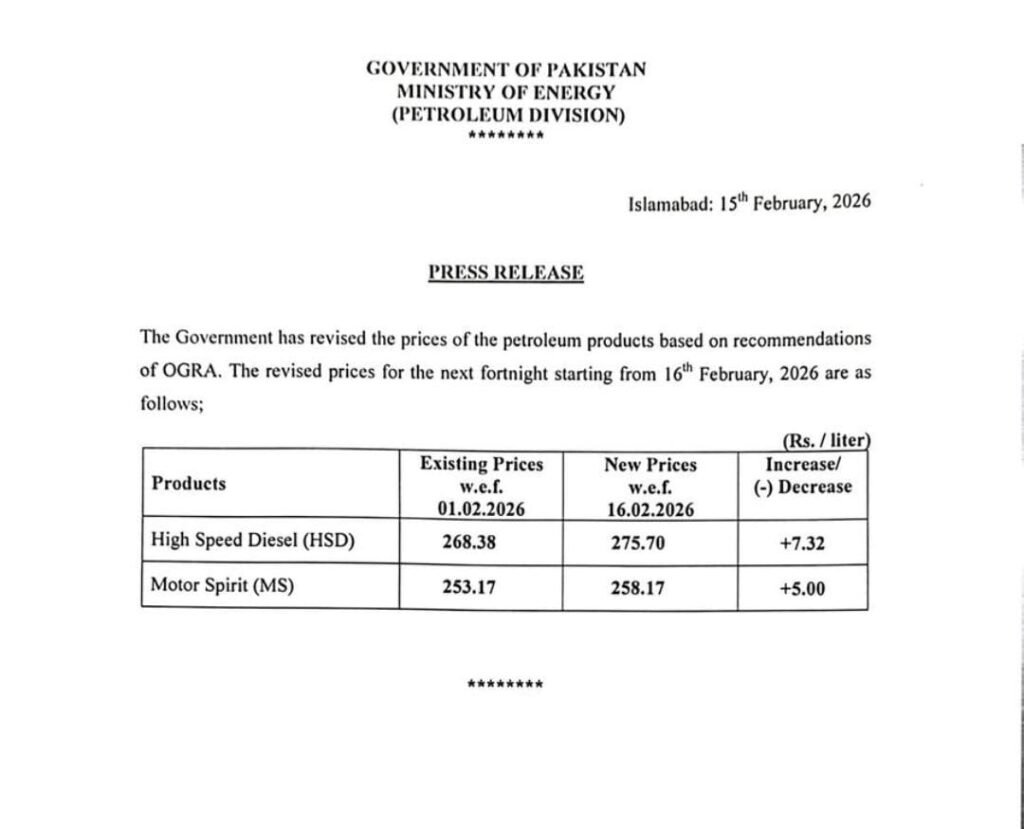
Petroleum Product Prices in Pakistan have once again taken an upward turn, signaling fresh economic ripples across the country. Effective February 16, 2026, the federal government has revised fuel rates for the upcoming fortnight, increasing both petrol and high-speed diesel (HSD) prices.The move comes after recommendations by the Oil and Gas Regulatory Authority (OGRA) and reflects fluctuations in international oil markets during the previous two weeks. While such revisions are routine, the latest hike is expected to have far-reaching consequences for businesses and households alike. What Has Changed in Petroleum Product Prices in Pakistan? Under the new pricing structure:• High-Speed Diesel (HSD) has increased by Rs7.32 per litre, bringing the ex-depot price to Rs275.70 per litre.• Petrol (Motor Spirit) has risen by Rs5 per litre, with the new price set at Rs258.17 per litre.In simple terms, transporters, farmers, logistics operators, and daily commuters will all feel the impact of these revised petroleum product prices in Pakistan. Why Diesel Prices Matter More Than You Think When discussing petroleum product prices in Pakistan, diesel often carries more economic weight than petrol. High-speed diesel is the backbone of the country’s:• Transportation network• Agricultural machinery operations• Industrial supply chainsAn increase of Rs7.32 per litre may seem modest at first glance. However, for transport fleets and cargo operators consuming thousands of litres daily, this translates into significantly higher operating costs.Historically, higher diesel prices lead to increased freight charges. Freight hikes then push up the prices of essential goods from vegetables and flour to construction materials. In effect, diesel price adjustments ripple through every layer of the economy. Urban Commuters Feel the Pinch The rise in petrol prices, now at Rs258.17 per litre, is likely to strain urban households. Motorcyclists, ride-hailing drivers, and small car owners form a large segment of daily petrol consumers.For many middle-income families, fuel expenses represent a major portion of monthly budgets. The latest revision slightly reverses the relief witnessed in recent fortnights and may reduce disposable income, affecting retail and service sectors. Global Oil Trends Behind Petroleum Product Prices in Pakistan? The upward revision aligns with international oil market trends. Over the past fortnight, global crude oil prices have shown volatility due to supply constraints and geopolitical developments.As a net oil-importing country, Pakistan remains highly sensitive to global price swings. Any increase in international crude prices directly impacts local petroleum product prices in Pakistan after regulatory adjustments. Economic Implications: Inflationary Pressures Ahead? With diesel impacting transport and agriculture, economists warn that inflationary pressures could intensify in the coming weeks.Key areas likely to experience upward pressure include:• Food prices• Public transport fares• Logistics and courier services• Construction and manufacturing inputsBusinesses may attempt to pass on increased fuel costs to consumers, potentially affecting purchasing power and market demand. What Should Businesses and Consumers Expect? While fuel price revisions occur every fortnight, sustained increases can reshape business planning and household budgeting strategies.Companies dependent on fuel-intensive operations may:• Reevaluate pricing strategies• Optimize logistics routes• Adjust supply chain contractsConsumers, on the other hand, may seek fuel-efficient alternatives or reduce discretionary travel to manage costs. The Bigger Picture The latest adjustment in petroleum product prices in Pakistan underscores the country’s vulnerability to external energy shocks. Until structural reforms or alternative energy diversification gain stronger momentum, such fortnightly revisions will continue to influence economic stability.For now, businesses and households alike must brace for the broader effects of rising fuel costs because when petroleum prices move, the entire economy shifts with them.

Pakistan Stock Exchange (PSX) Weekly Review: KSE-100 Slips Below 180,000 in Sharp 2.46% Decline
Pakistan

Pakistan Stock Exchange (PSX) Weekly Review: KSE-100 Slips Below 180,000 in Sharp 2.46% Decline

The Pakistan Stock Exchange (PSX) delivered a week that investors would rather forget. In a dramatic shift of momentum, the benchmark KSE-100 Index plunged 4,525.85 points a 2.46% week-on-week decline to close at 179,603.73 on February 13, 2026. More importantly, the index slipped below the crucial 180,000 psychological barrier for the first time since early January a level it had defended for over a month. For technical analysts and long-term investors alike, this breach signals more than just numbers on a screen it reflects mounting uncertainty. Why Did the Pakistan Stock Exchange (PSX) Fall This Week? Several pressure points converged at once: Reports that the government is considering imposing a windfall profit cess on fertilizer companies to support farmers triggered sector-wide anxiety. Investors fear that such a move could compress margins and impact future earnings visibility. The decline wasn’t isolated it was broad-based and aggressive. Commercial Banks alone shaved over 1,900 points from the index, making them the biggest drag. Oil & Gas Exploration Companies followed closely, pulling down nearly 1,300 points. Technology & Communication, Fertilizer, Power, Cement, and Oil Marketing companies also added to the downward spiral. Despite minor positive contributions from investment companies and pharmaceuticals, the gains were simply too small to offset the avalanche of selling. Market Capitalization: Over Rs134 Billion Wiped Out The Pakistan Stock Exchange (PSX) saw significant value erosion this week: • Total market capitalization declined from Rs5.43 trillion to Rs5.30 trillion.• This reflects a contraction of Rs134.26 billion in just five trading sessions.• In dollar terms, market cap fell from $19.43 billion to $18.95 billion a loss of nearly $474 million. Foreign-adjusted equity returns worsened sharply to -2.42%, highlighting deteriorating investor sentiment. Foreign Investors Exit, Locals Step In Investor flow data reveals a striking contrast: Foreign investors remained aggressive sellers, with net outflows of $25.89 million. Foreign corporates led the exodus. However, local investors absorbed the pressure almost entirely. Mutual funds injected nearly $29.6 million, while individuals and companies also added liquidity. Yet despite strong domestic support, heavy selling in index heavyweights proved decisive. Macroeconomic Signals: Mixed but Watchful While the Pakistan Stock Exchange (PSX) struggled, macro indicators painted a mixed picture: • Weekly inflation eased 0.59% week-on-week but remained 4.26% higher year-on-year.• National Savings Scheme inflows plunged 80.8% month-on-month, signaling weaker household investment appetite.• Central government debt rose 9.6% year-on-year to Rs78.53 trillion.• Workers’ remittances reached $3.46 billion in January — down monthly but up 15.4% annually.• The auto sector started 2026 strongly, with car sales surging 35.5% year-on-year.• The Pakistani rupee remained largely stable, appreciating slightly to Rs279.62 per USD. The contrast is striking: strong remittances and auto demand on one hand, rising debt and weak savings mobilization on the other. Index Movers: The Heavyweights That Hurt The largest negative contributors included energy giants and major banks, with Oil & Gas and financial institutions leading the retreat. Fertilizer and power companies also experienced sustained pressure. On the positive side, select investment companies and pharmaceutical stocks offered some relief, but their impact was limited. What’s Next for the Pakistan Stock Exchange (PSX)? Breaking below 180,000 is not just symbolic it may trigger further technical selling if confidence isn’t restored quickly. Key triggers to watch: • Clarity on fertilizer windfall taxation.• Foreign investor activity trends.• Debt management strategy.• Inflation trajectory and monetary policy signals. If macro stability strengthens and policy clarity emerges, the current correction could present accumulation opportunities. However, sustained foreign selling and fiscal uncertainty may prolong volatility. For now, the Pakistan Stock Exchange (PSX) stands at a crossroads between temporary correction and deeper consolidation.

Marine Bunkering Services Redefined at Karachi Port
Pakistan

Marine Bunkering Services Redefined at Karachi Port

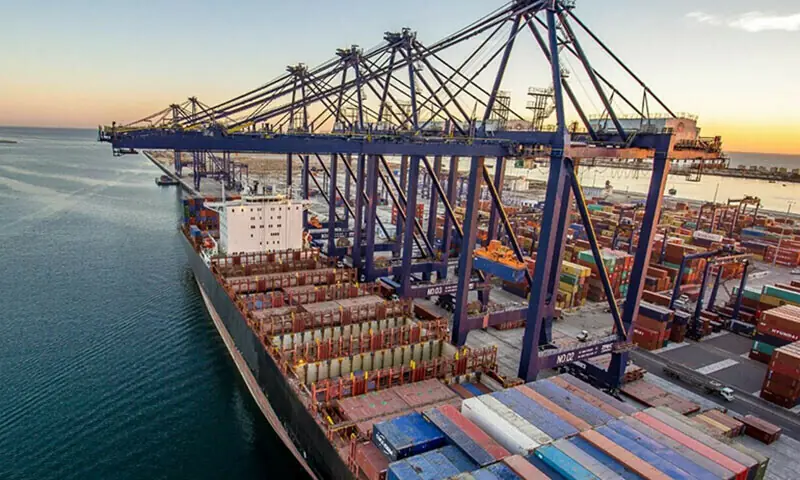
Marine Bunkering Services in Pakistan have entered a transformative phase as global energy giant Vitol launches international-standard operations through Karachi Port Trust. This historic milestone is more than just a new commercial venture it signals Pakistan’s arrival on the global maritime energy map. For decades, Pakistan’s bunkering potential remained largely untapped despite its strategic geographic location along major international shipping routes. Now, with Vitol’s entry, Karachi’s ports are stepping into a competitive global league. Marine Bunkering Services Achieve International Standards The launch of Marine Bunkering Services at Karachi Port introduces bunker barges fully compliant with global maritime assurance requirements. These vessels meet the highest international operational and safety standards, aligning Pakistan’s ports with world-class bunkering hubs. A major operational breakthrough is the ability to directly load bunker barges from Keamari Oil Terminals. Previously, fuel transport often depended on trucking logistics, limiting scale and efficiency. Direct barge loading eliminates that bottleneck, enabling faster, larger, and more reliable fuel deliveries to visiting vessels. Additionally, a transparent and structured bunker licensing regime has been introduced an essential reform that builds international market confidence and ensures regulatory clarity for global shipping lines. Global Market Confidence: Why Vitol’s Entry Matters Vitol, recognized as the world’s largest independent energy trader, brings unmatched credibility and operational expertise. Its annual supply target of 500,000 to 600,000 metric tons across Karachi Port, Port Qasim, and outer anchorage areas reflects strong confidence in Pakistan’s maritime potential. This volume positions Marine Bunkering Services as a high-impact economic activity rather than a niche port service. The move sends a powerful signal to international shipping companies: Pakistan is ready for large-scale, reliable bunkering operations under best global practices. Expanded Fuel Portfolio Strengthens Marine Bunkering Services Under this initiative, a full spectrum of marine fuels is now available to visiting vessels: • High Sulfur Fuel Oil (HSFO)• Very Low Sulfur Fuel Oil (VLSFO)• Low Sulfur Marine Gas Oil (LSMGO) This diversified fuel portfolio ensures compliance with international environmental regulations while catering to various vessel requirements. The availability of these fuel grades locally enhances Pakistan’s appeal as a cost-effective and convenient refueling destination. Economic and Operational Impact of Marine Bunkering Services The economic ripple effects of expanded Marine Bunkering Services are substantial. First, port efficiency is expected to improve significantly. Faster fuel supply reduces vessel turnaround time, making Karachi’s ports more attractive for global trade routes. Reduced waiting time directly enhances competitiveness in imports and exports. Second, domestic industrial growth stands to benefit. An estimated 40–50 percent of local refineries’ fuel oil output is projected to be utilized as bunker fuel. This shift creates a stable domestic demand channel, supporting refinery operations and strengthening the broader energy sector. In simple terms, bunkering transforms from a supporting service into a strategic economic driver. Marine Bunkering Services Expansion Plan for 2026 The momentum does not stop here. By 2026, infrastructure development will include dedicated berths and associated facilities capable of handling 70 to 100 bunker operations per month. This scale indicates a long-term strategic commitment rather than a short-term commercial experiment. Furthermore, Vitol plans to deploy an additional state-of-the-art vessel to introduce bio-bunker deliveries by the second quarter of 2026. This forward-looking move aligns Pakistan’s ports with global sustainability trends and positions Marine Bunkering Services within the evolving green shipping ecosystem. Strategic Significance: Fueling Pakistan’s Blue Economy Marine Bunkering Services are now emerging as a core maritime offering rather than a peripheral port activity. By strengthening energy security for vessels, improving trade competitiveness, and attracting international shipping lines, Pakistan is carving out its place in the regional Blue Economy. Karachi’s geographic advantage located near key global shipping lanes combined with internationally compliant bunkering infrastructure, provides a powerful growth platform. The question now is no longer whether Pakistan can compete in maritime fuel supply it’s how quickly it can scale. With Vitol’s global expertise and Karachi Port Trust’s infrastructure, Marine Bunkering Services are not just fueling ships they are fueling a new chapter in Pakistan’s maritime and economic future.

A380-Ready Runway 07L/25R Inauguration Marks New Era for Karachi Aviation
Pakistan

A380-Ready Runway 07L/25R Inauguration Marks New Era for Karachi Aviation

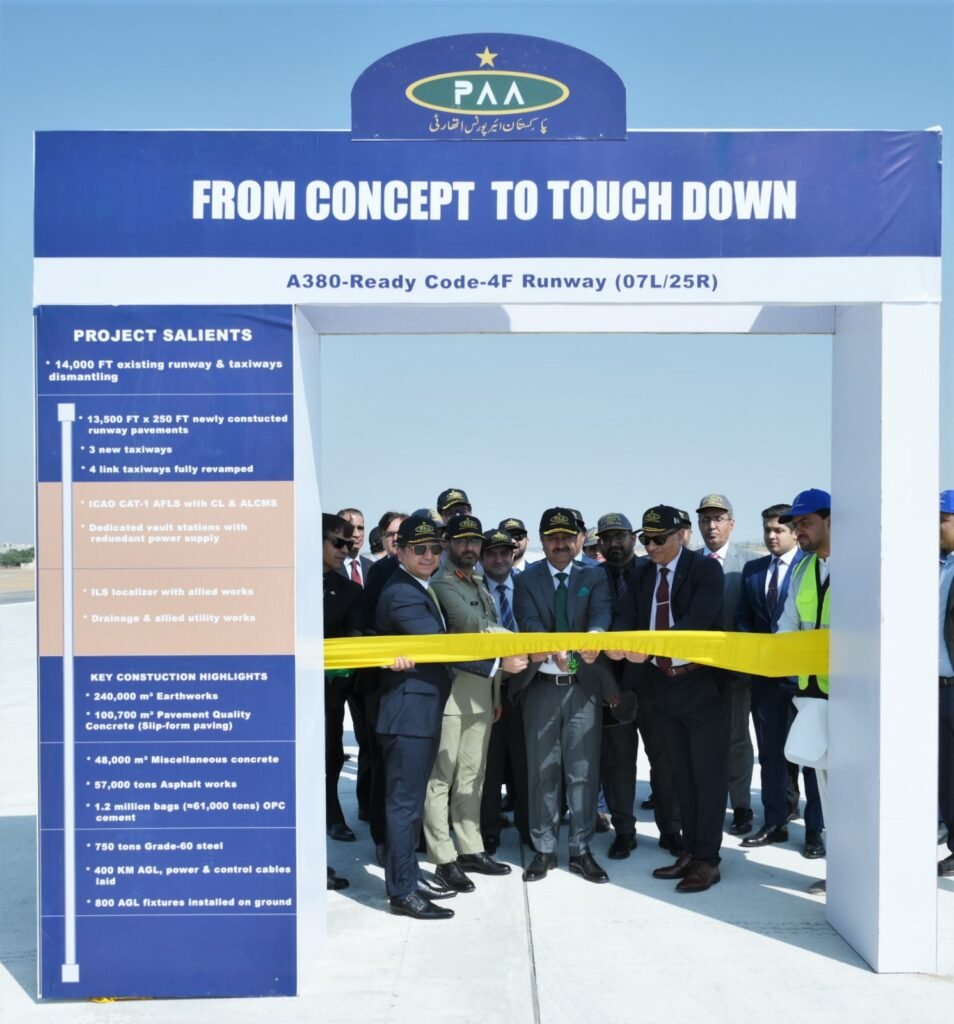
The A380-Ready Runway 07L/25R has officially taken flight at Jinnah International Airport a transformative development that signals Pakistan’s growing ambitions in global aviation. Read More: https://theboardroompk.com/pakistan-stock-exchange-psx-weekly-review-kse-100-slips-below-180000-in-sharp-2-46-decline/ In a landmark ceremony, Secretary Defence Muhammad Ali inaugurated the newly reconstructed runway, describing it as a milestone achievement in strengthening Pakistan’s aviation infrastructure and operational capacity. The event was attended by senior officials including leadership from the Pakistan Airports Authority and the Pakistan Civil Aviation Authority, reflecting the national importance of the project. But what makes this runway such a big deal? Why the A380-Ready Runway 07L/25R Matters The A380-Ready Runway 07L/25R is not just another strip of asphalt it is a Code-4F runway built to handle the world’s largest passenger aircraft, including the iconic Airbus A380. To put it simply: • It can accommodate ultra-large, long-haul aircraft.• It strengthens Karachi’s ability to serve as a regional transit hub.• It enhances Pakistan’s competitiveness in global aviation markets. The runway was completed in strict compliance with international aviation safety benchmarks under ICAO Annex 14 Standards and Recommended Practices. Even more impressive is the project’s execution timeline delivered within 18 months with zero delays, zero cost overruns, zero claims, and zero accidents. In a public-sector environment often criticized for inefficiencies, this achievement sets a new gold standard. A Benchmark in Public-Sector Execution The reconstruction of the A380-Ready Runway 07L/25R stands out not only for its engineering excellence but also for its flawless project management. Instead of focusing on technical specifications alone, officials emphasized three defining achievements: • Time Efficiency: Delivered within 18 months.• Financial Discipline: Completed without exceeding budget allocations.• Safety Record: Zero accidents throughout execution.•This rare combination of efficiency and accountability has positioned the project as a model for future infrastructure initiatives across Pakistan. Secretary Defence Lt. Gen. (R) Muhammad Ali commended engineers, consultants, contractors, and the broader workforce for delivering world-class aviation infrastructure aligned with national priorities. Honorary shields were presented to senior officials, recognizing their commitment and leadership in bringing the project to completion. Strengthening Karachi’s Strategic Position Karachi has long been Pakistan’s commercial heartbeat. With the completion of the A380-Ready Runway 07L/25R, the city’s role as a strategic aviation gateway is significantly reinforced. Here’s what this means in business terms: • Operational Resilience: Enhanced runway strength ensures uninterrupted operations even for heavy, long-haul aircraft.• International Connectivity: Airlines operating larger aircraft now have expanded opportunities.• Economic Multiplier Effect: Increased aviation capacity can stimulate tourism, trade, and foreign investment. As global aviation rebounds and competition among regional hubs intensifies, infrastructure readiness becomes a defining factor. The new runway positions Karachi to compete more aggressively with other regional aviation centers. The Bigger Aviation Picture Pakistan’s aviation sector has been undergoing gradual modernization, but the inauguration of the A380-Ready Runway 07L/25R signals a bold leap forward. It reflects a strategic vision preparing today for tomorrow’s air traffic demands. With aviation acting as a catalyst for economic growth, logistics expansion, and tourism development, infrastructure investments of this scale carry long-term national significance. Karachi’s enhanced heavy aircraft handling capability is expected to open new doors for international carriers and boost Pakistan’s global connectivity profile. Final Takeaway The A380-Ready Runway 07L/25R is more than an infrastructure upgrade it is a statement of intent. A declaration that Pakistan is ready to modernize, compete, and elevate its aviation standards to world-class levels. As aircraft roll onto the strengthened tarmac at Jinnah International Airport, one question naturally arises: Is this the beginning of a broader aviation transformation across Pakistan? Time and the next wave of global flights will tell.

Boycott Averted: India-Pakistan T20 World Cup Clash Confirmed in Colombo
World

Boycott Averted: India-Pakistan T20 World Cup Clash Confirmed in Colombo

A major crisis in international cricket has been resolved as Pakistan reversed its boycott threat, paving the way for the highly anticipated India vs Pakistan clash in the ICC Men’s T20 World Cup 2026. The match, a Group A blockbuster, is now confirmed for Sunday in Colombo, Sri Lanka, following intense behind-the-scenes negotiations by the International Cricket Council (ICC). Read More: https://theboardroompk.com/pakistan-vs-india-t20-world-cup-match-a-high-stakes-decision-that-goes-beyond-cricket/ Boycott Threat and Resolution Pakistan initially threatened to skip the February 15 encounter in solidarity with Bangladesh, which was replaced by Scotland in the 20-team tournament after refusing to tour India over safety concerns. This stance risked derailing one of cricket’s most lucrative fixtures, potentially costing broadcasters millions in revenue due to its massive global viewership. The ICC intervened with urgent discussions involving the Pakistan Cricket Board (PCB), Bangladesh Cricket Board (BCB), and other stakeholders. Pakistan’s government eventually directed the national team to participate, citing appeals from friendly nations and a commitment to the spirit of cricket. The reversal ensures the match proceeds without disruption. Tournament Context and Rivalry The T20 World Cup features both teams in strong form, each securing back-to-back wins in their opening matches. India, the defending champions, boast a dominant 7-1 record against Pakistan in T20 World Cup history. Key Indian players include opener Abhishek Sharma (recovering from illness), Suryakumar Yadav (in top form), Jasprit Bumrah, and Hardik Pandya. Pakistan counters with in-form opener Sahibzada Farhan, captain Salman Agha, and intriguing spinner Usman Tariq. Former India captain Rohit Sharma downplayed favoritism, saying: “It’s such a funny game… You just have to play good cricket on that particular day.” The fixture carries extra weight amid no bilateral series since 2012-13, with matches in multi-nation events held at neutral venues like Colombo under recent agreements between the BCCI and PCB. Fans worldwide, especially in the subcontinent, are relieved as the rivalry—blending sport, commerce, and geopolitics—remains intact.

IMF in Talks with Pakistan on Electricity Tariff Revisions, Stresses Protection for Low-Income Households
Pakistan

IMF in Talks with Pakistan on Electricity Tariff Revisions, Stresses Protection for Low-Income Households

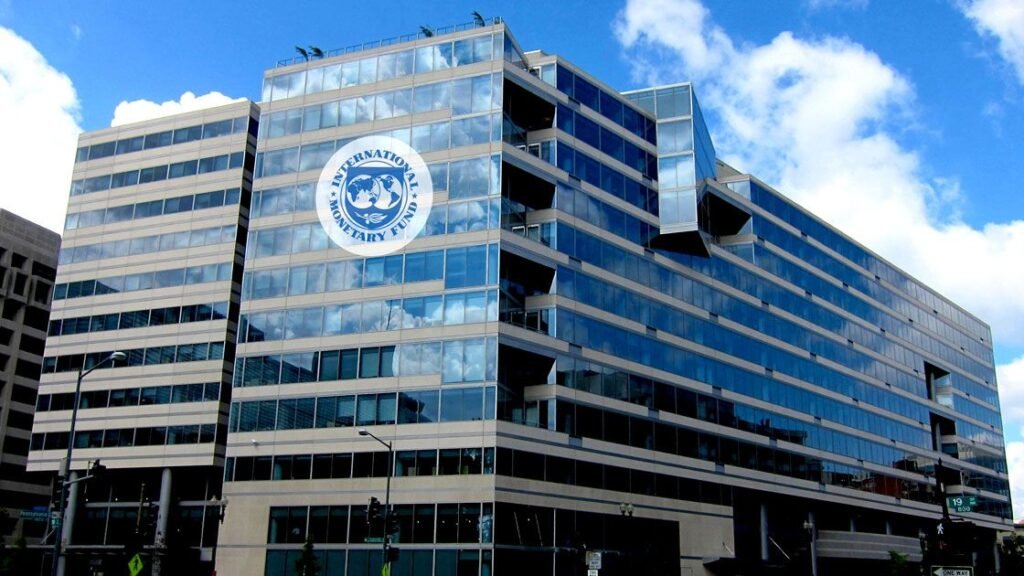
The International Monetary Fund (IMF) is currently in discussions with Pakistani authorities over proposed revisions to electricity tariffs, as confirmed in a statement released on February 13, 2026. The talks aim to ensure these changes align with Pakistan’s commitments under its $7 billion Extended Fund Facility (EFF) program, while carefully assessing impacts on macroeconomic stability, particularly inflation. Key Focus of Discussions The IMF emphasized that any tariff revisions must protect vulnerable groups, stating that the burden “should not fall on middle- or lower-income households.” Ongoing negotiations will evaluate consistency with EFF conditions and potential effects on broader economic indicators like inflation, which remains a sensitive issue despite declining from its near-40% peak in 2023. Proposed Tariff Overhaul Pakistan recently announced a major restructuring of electricity pricing, which analysts describe as likely to increase overall inflation while providing relief to the industrial sector. The plan seeks to meet IMF-mandated reforms in the power sector, including subsidy adjustments and efforts to address longstanding issues like circular debt from unpaid bills and inefficiencies across generation, distribution, and government entities. Broader Economic Context These discussions come ahead of the next review of Pakistan’s EFF program, a longer-term facility designed to tackle deep economic challenges and balance-of-payments issues. Electricity tariffs carry significant weight in the consumer price index, making adjustments politically and economically sensitive. The IMF noted positive progress in containing circular debt growth through better bill recoveries and loss reduction measures. The power sector has seen repeated tariff hikes since 2023 under IMF-backed reforms to support struggling state utilities and reduce fiscal pressures.

Scroll to Top