Author name: Web Desk

Nvidia CEO Jensen Huang Skips India AI Impact Summit Due to Unforeseen Circumstances
Tech

Nvidia CEO Jensen Huang Skips India AI Impact Summit Due to Unforeseen Circumstances

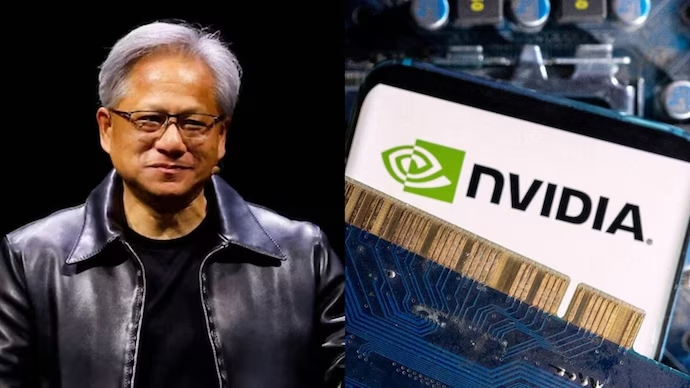
Nvidia CEO Jensen Huang will not attend the India AI Impact Summit next week, as announced by the company on February 14, 2026. The decision, attributed to “unforeseen circumstances,” comes just days before the high-profile event, where Huang was anticipated to be one of the major draws for attendees. Read More: https://theboardroompk.com/marine-bunkering-services-redefined-at-karachi-port/ Announcement and Reasons Nvidia’s media agency in India, MSL, confirmed via email that Huang would not travel to New Delhi. No specific details on the circumstances were provided. The company emphasized its continued commitment, stating: “NVIDIA remains deeply committed to the AI Impact Summit and to India’s rapidly advancing AI ecosystem.” A senior delegation, led by Executive Vice President Jay Puri, will represent Nvidia at the summit. Summit Details The India AI Impact Summit is set to be inaugurated by Prime Minister Narendra Modi on Thursday (February 19, 2026, based on the timeline from February 14). It will bring together global technology leaders, policymakers, and industry figures to discuss AI advancements, infrastructure, and opportunities in India. The event expects significant participation, including CEOs like Google’s Sundar Pichai and Qualcomm’s Cristiano Amon, with projections of over 50,000 attendees. Huang had been scheduled to address the media in New Delhi on Wednesday ahead of the inauguration, heightening expectations for his presence given Nvidia’s pivotal role in the global AI hardware landscape. Implications and Context The last-minute withdrawal has surprised many, as Huang was listed prominently among expected high-profile guests until recently. Nvidia’s strong delegation ensures the company’s voice remains prominent amid India’s push to build AI capabilities and partnerships. The summit aligns with broader efforts to position India as a key player in the AI ecosystem. This development follows Huang’s recent appearance at the World Economic Forum in Davos in January 2026.

Jailed Imran Khan Loses 85% Vision in Right Eye, Lawyer Tells Supreme Court
Politics

Jailed Imran Khan Loses 85% Vision in Right Eye, Lawyer Tells Supreme Court

Islamabad— Pakistan’s jailed former Prime Minister Imran Khan has lost 85% of his vision in his right eye, leaving him with only 15% remaining sight. Read More: https://theboardroompk.com/pakistan-pm-shehbaz-to-attend-trumps-board-of-peace-inaugural-meeting-in-washington-on-feb-19/ This revelation came from his lawyer Salman Safdar in a fact-finding report submitted to the Supreme Court following a court-ordered meeting with Khan. Complaints Ignored Since October 2025 Safdar quoted Khan as stating he began experiencing persistent blurred and hazy vision in October 2025. Despite repeated complaints, jail authorities took no action for months. Khan described a sudden and complete loss of vision in his right eye, later diagnosed as right central retinal vein occlusion—a blockage causing severe damage. He underwent a 20-minute eye treatment procedure at a hospital earlier this month, including an injection, but vision recovery remained limited to 15%. Supreme Court Orders Medical Review The Supreme Court, hearing the matter, directed authorities to allow Khan access to his personal physician and form a medical team for a comprehensive health examination. A report on his condition is due by February 16. Khan’s Pakistan Tehreek-e-Insaf (PTI) party demanded immediate specialist access and an end to alleged tactics risking his life in custody. Information Minister Attaullah Tarar earlier confirmed the brief hospital procedure. Khan, 73, has been imprisoned since August 2023 on a 14-year corruption sentence and faces dozens of other cases he claims are politically motivated to sideline him—a charge denied by the military and government. The development intensifies scrutiny over Khan’s jail conditions amid his ongoing legal battles and PTI’s allegations of neglect.

Pakistan PM Shehbaz to Attend Trump's Board of Peace Inaugural Meeting in Washington on Feb 19
Pakistan

Pakistan PM Shehbaz to Attend Trump’s Board of Peace Inaugural Meeting in Washington on Feb 19

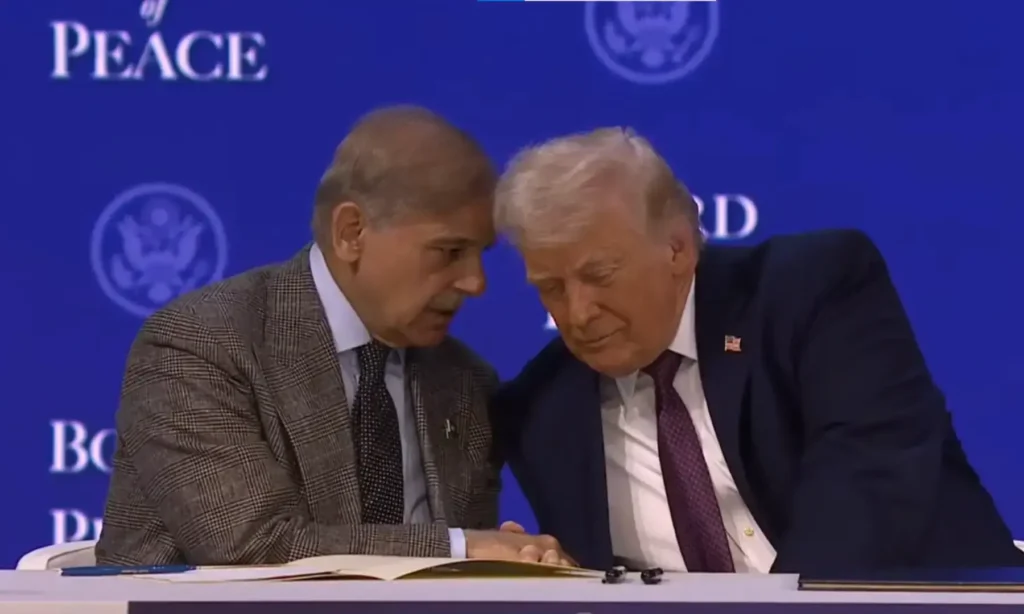
Islamabad — Pakistan’s Prime Minister Shehbaz Sharif will attend the first meeting of U.S. President Donald Trump’s Board of Peace (BoP) on February 19 in Washington. The Foreign Office confirmed this on Thursday, with Deputy Prime Minister and Foreign Minister Ishaq Dar accompanying the premier. Read More: https://theboardroompk.com/india-okeys-40b-defence-deal-114-more-rafale-jets-approved-amid-border-tensions/ Confirmation from Foreign Office Briefing Foreign Office spokesperson Tahir Andrabi announced during a weekly press briefing: “I can confirm that the prime minister will attend the upcoming BoP meeting.” He emphasized Pakistan’s participation occurs “in good faith” and as part of a collective voice with eight Islamic-Arab countries, rather than in isolation. This aligns with Islamabad’s earlier decision to join the board to support the Gaza plan within the U.N. Security Council framework. Board’s Evolution and Pakistan’s Role Launched in late January 2026 by President Trump, who chairs the initiative, the BoP initially focused on temporary governance and reconstruction in Gaza following Trump’s Gaza plan. It has since expanded to address global conflicts, with over 20 countries signing on. Pakistan, a founding participant since January, views involvement as advancing a permanent ceasefire, Palestinian rights, and a state based on pre-1967 borders with Al-Quds (Jerusalem) as capital. Some nations approached invitations cautiously, and experts have raised concerns the board might sideline the United Nations. The February 19 session at the U.S. Institute of Peace will formalize the mandate, discuss Gaza reconstruction funding, and outline broader conflict-resolution efforts. Pakistan’s engagement reflects ongoing diplomatic balancing to strengthen ties with the U.S. while upholding positions on regional peace issues.

India Okeys $40B Defence Deal: 114 More Rafale Jets Approved Amid Border Tensions
World

India Okeys $40B Defence Deal: 114 More Rafale Jets Approved Amid Border Tensions

New Delhi: India’s Defence Acquisition Council (DAC) on Thursday granted initial approval for defense procurements worth approximately 3.6 trillion rupees ($40 billion). Read More: https://theboardroompk.com/uae-grants-pakistan-2bn-rollover-until-april-at-6-5/ The package includes more Rafale fighter jets from France’s Dassault Aviation, Boeing P-8I reconnaissance aircraft, and various missiles, marking one of the country’s largest-ever military upgrades. Focus on Rafale Acquisition Local media reports, cited in the defense ministry statement, indicate the DAC cleared the purchase of 114 Rafale jets for the Indian Air Force at an estimated 3.25 trillion rupees. Of these, 18 would be delivered in fly-away condition from Dassault, while the remaining 96 are planned for domestic manufacturing. This aligns with India’s “Make in India” initiative, involving technology transfer and strategic partnership. Modernization Amid Regional Tensions The approvals address the Indian Air Force’s shrinking squadron strength, now at 29 against a sanctioned 42, due to retirements of aging MiG-21, MiG-29, Jaguar, and Mirage 2000 fleets. The move boosts air dominance, long-range strike capabilities, and deterrence amid heightened border tensions with neighbors. The package also covers anti-tank missiles for the army and P-8I aircraft for the navy. It follows India’s earlier April deal for 26 Rafale-Marine variants for carrier operations. The decision comes days before French President Emmanuel Macron’s visit to India, signaling strengthened defense ties with France. Commercial and technical negotiations are expected to advance soon, paving the way for a formal contract. This procurement underscores India’s push to modernize forces through a mix of imports and indigenous production while reducing reliance on single suppliers.

MINI Electric Pakistan Launch: Dewan Motors Introduces Premium Electric Mobility
Auto

MINI Electric Pakistan Launch: Dewan Motors Introduces Premium Electric Mobility

The MINI Electric Pakistan Launch has officially set the wheels in motion for a bold new chapter in Pakistan’s automotive landscape. Dewan Motors the official importer of BMW in Pakistan for over two decades unveiled the iconic British brand MINI with an exciting all-electric lineup. This strategic move not only expands Pakistan’s premium automotive segment but also signals a growing shift toward sustainable mobility. MINI Electric Pakistan Launch Introduces Three Distinct Electric Models The MINI Electric Pakistan Launch brings three cutting-edge electric vehicles (EVs) to local roads: The MINI Cooper Electric preserves the legendary three-door hatch design while embracing instant electric torque. Its agile handling and signature “go-kart” driving feel make it ideal for urban professionals navigating Pakistan’s bustling cities. This model combines: • Instant acceleration with zero tailpipe emissions• Compact design tailored for city driving• A tech-forward digital cockpit experience The all-new MINI Aceman Electric introduces a progressive crossover concept. It blends bold aesthetics with functional versatility, targeting a younger demographic seeking individuality and practicality. Its appeal lies in: • Elevated driving position• Contemporary interior design• Smart connectivity features The MINI Countryman Electric, the largest in the lineup, caters to families and long-distance drivers. It offers enhanced cabin space, advanced driver assistance systems, and premium comfort features, making it equally suitable for city commutes and intercity travel. Together, these three models demonstrate MINI’s evolution into a fully electric future while retaining its unmistakable personality. Why the MINI Electric Pakistan Launch Matters Pakistan’s EV market has been steadily gaining traction amid rising fuel costs and increased environmental awareness. The MINI Electric Pakistan Launch positions the brand as a premium alternative for customers who demand performance, style, and sustainability in one package. According to Zaeem Ul Haque, Director Operations at Dewan Motors, the introduction of MINI reflects the company’s commitment to innovation and environmental responsibility. Building on its long-standing relationship with BMW, Dewan Motors aims to deliver a seamless premium ownership experience through its established nationwide sales and aftersales network. This move also reinforces Karachi’s role as a hub for automotive innovation, as the city hosted this milestone event. Dewan Motors Strengthens Its Premium EV Portfolio For over 20 years, Dewan Motors has represented BMW in Pakistan, earning a reputation for quality, service excellence, and technical expertise. By adding MINI’s electric portfolio, the company is diversifying its premium offerings while aligning with global automotive trends. The transition to electric mobility is no longer a distant concept it’s becoming a reality on Pakistani roads. With MINI’s globally celebrated design philosophy and electric innovation, Dewan Motors is betting on a future driven by clean energy and intelligent engineering. The Future of Electric Mobility in Pakistan The MINI Electric Pakistan Launch is more than just a product introduction it’s a statement. It reflects growing consumer confidence in EV technology and signals that premium electric vehicles are no longer limited to international markets. As charging infrastructure gradually improves and policy support strengthens, MINI’s entry could accelerate EV adoption in Pakistan’s upper-tier automotive segment. Will this iconic brand redefine the perception of electric vehicles in Pakistan? If early excitement is any indication, the answer might just be electric.

Prime Minister’s Fan Replacement Program Sparks Energy Efficiency Revolution in Pakistan
Pakistan

Prime Minister’s Fan Replacement Program Sparks Energy Efficiency Revolution in Pakistan

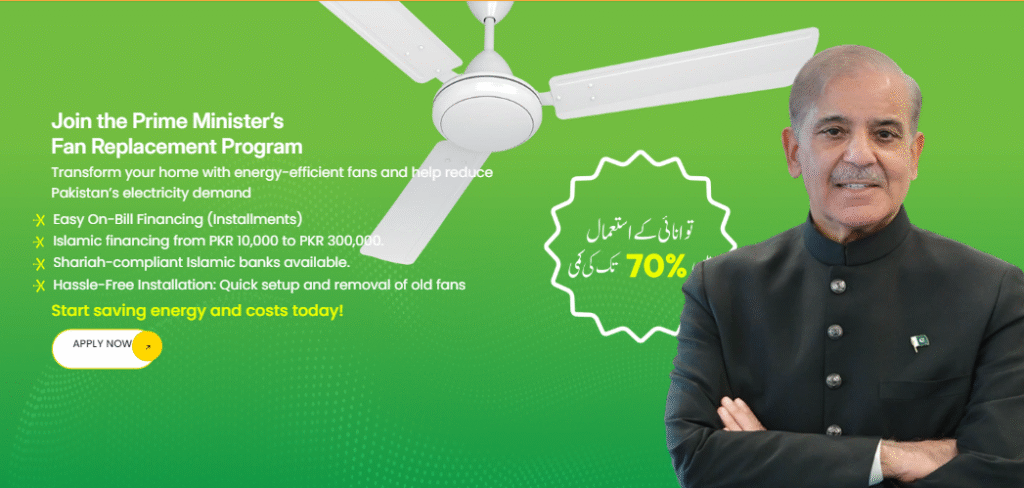
The Prime Minister’s Fan Replacement Program has officially taken off and it’s not just another policy announcement. It’s a bold, climate-focused initiative that could quietly transform millions of households while easing Pakistan’s power crisis. Backed by strong financial support from the Ministry of Finance, the program is designed to replace conventional electricity-hungry fans with modern, energy-efficient models. The real game changer? A Rs2 billion risk guarantee aimed at unlocking consumer financing and accelerating adoption nationwide. Why the Prime Minister’s Fan Replacement Program Matters Now Pakistan faces mounting pressure to reduce energy consumption, manage fiscal deficits, and meet climate commitments. The Prime Minister’s Fan Replacement Program addresses all three challenges at once. Traditional ceiling fans are among the most widely used electrical appliances in the country. Many older models consume significantly more electricity than newer inverter-based or brushless DC (BLDC) fans. Replacing them at scale could reduce national electricity demand, lower consumer bills, and cut carbon emissions all without disrupting daily life. Federal Minister for Finance and Revenue, Senator Muhammad Aurangzeb, reaffirmed the government’s commitment to the initiative, declaring it a high-priority reform aligned with fiscal sustainability and climate resilience goals. How the Rs2 Billion Risk Guarantee Works At the heart of the Prime Minister’s Fan Replacement Program is a smart financial innovation. The Ministry of Finance has allocated PKR 2 billion as a 10% first-loss risk guarantee. In practical terms, this means: • The government will absorb up to 10% of initial credit losses.• This reduces the lending risk for banks.• Banks are therefore more willing to offer affordable financing to consumers.• Households can replace old fans without heavy upfront costs. This approach transforms what could have been a subsidy-heavy program into a sustainable financing model leveraging private sector capital rather than relying solely on public funds. Early Success: Pilot Phase Proves the Model Even before its official launch, the Prime Minister’s Fan Replacement Program quietly tested its framework. In collaboration with the State Bank of Pakistan and 11 commercial banks, a pilot phase delivered promising results: • 186 energy-efficient fans installed• Rs1.35 million disbursed• 67 borrowers financed While modest in scale, the pilot successfully validated the digital enablement systems, financing channels, and disbursement processes. The operational backbone is now fully functional removing one of the biggest barriers to nationwide rollout. Leadership Driving the Initiative The Finance Minister credited Federal Minister for Power Awais Leghari for spearheading the initiative within the energy sector. The coordination between the Finance Ministry, the Power Division, the State Bank, and commercial banks signals a rare alignment across institutions. This collaboration is critical. Without synchronized execution, even well-funded reforms struggle. With it, the Prime Minister’s Fan Replacement Program could scale rapidly potentially reaching millions of households far sooner than the originally envisioned 10-year timeline. The Bigger Economic and Climate Impact The significance of the Prime Minister’s Fan Replacement Program extends beyond household savings. Energy-efficient fans can consume up to 50–60% less electricity compared to conventional models. At scale, this could: • Reduce national peak electricity demand• Lower circular debt pressure in the power sector• Decrease fuel imports• Support Pakistan’s climate action commitments• Improve fiscal sustainability For consumers, the benefits are immediate smaller electricity bills. For the government, the payoff is structural reform. For the environment, the impact is long-term emissions reduction. A Small Appliance, A Big Shift On the surface, replacing ceiling fans may not sound revolutionary. But in a country where fans run for long hours across millions of homes, the cumulative effect is enormous. The Prime Minister’s Fan Replacement Program is a reminder that sometimes the most powerful economic reforms begin not in boardrooms but in living rooms. If successfully scaled, this initiative could become a model for appliance replacement programs across South Asia, proving that climate action and fiscal discipline can move forward together.

Engineering-Led Industrial Transformation: Jam Kamal Khan’s Bold Vision at NUTECH
Pakistan

Engineering-Led Industrial Transformation: Jam Kamal Khan’s Bold Vision at NUTECH

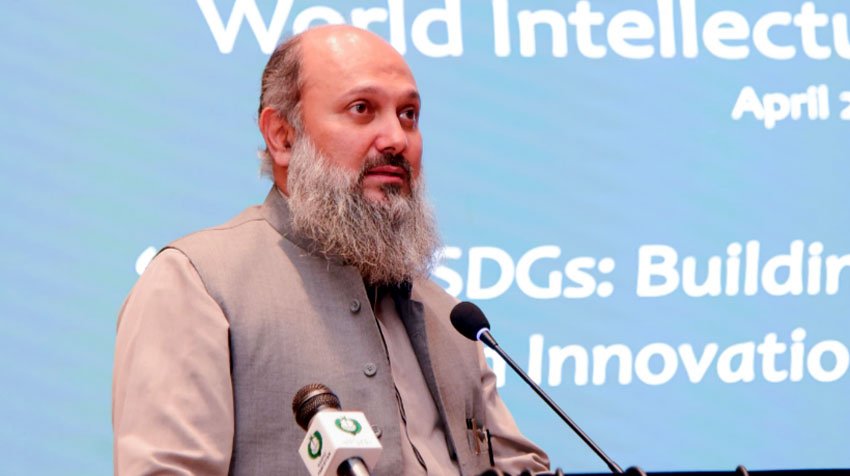
Engineering-Led Industrial Transformation is no longer a theoretical ambition it is fast becoming a national imperative. Speaking at the prestigious National University of Technology (NUTECH), Federal Minister for Commerce Jam Kamal Khan laid out a compelling roadmap for Pakistan’s technological and industrial future. Addressing students, faculty, policymakers, and industry leaders in Islamabad, the Minister warned that the world is entering an era where artificial intelligence, automation, and advanced engineering will determine global economic leadership. Pakistan, he stressed, cannot afford to remain on the sidelines. Why Engineering-Led Industrial Transformation Is Critical for Pakistan In his keynote, Jam Kamal Khan described the ongoing global shift as “unprecedented.” Artificial intelligence, data analytics, quantum computing, robotics, and digital platforms are redefining productivity and competitiveness. “Technology is no longer optional; it is foundational,” he stated. The Minister highlighted how a single smartphone today provides access to global knowledge and advanced AI tools transforming governance, business, and research. Countries investing aggressively in engineering talent and research are accelerating ahead in global trade, manufacturing, and digital services. For Pakistan, Engineering-Led Industrial Transformation means: • Aligning universities with industrial needs• Expanding advanced technical training• Investing in research and development• Modernizing manufacturing and agriculture• Upgrading digital infrastructure Without these reforms, Pakistan risks losing competitiveness in a rapidly evolving global market. Engineering-Led Industrial Transformation and Global Competition The Minister drew comparisons with nations that scaled technical education and engineering capacity to drive export-led growth. Technology-based manufacturing economies have surged ahead by prioritizing: • Semiconductor development• Energy-efficient industrial systems• Data centers and cloud infrastructure• High-skilled engineering workforces He pointed out that the global economy’s future will depend heavily on energy optimization, automation, and digital connectivity. Countries that invest early in these sectors gain long-term strategic advantages. Pakistan, he emphasized, must follow a similar path not by imitation, but by strategic adaptation. Untapped Potential: Minerals, Data, and Engineering Talent One of the most striking elements of the address was the focus on Pakistan’s mineral resources. Jam Kamal Khan referenced the country’s reserves of copper and rare earth elements essential components in electronics, renewable energy technologies, and semiconductors. However, resources alone are not enough. Engineering-Led Industrial Transformation requires: • Modern extraction technologies• Value-added processing facilities• Skilled engineers and geologists• Policy reforms to attract responsible investment If properly leveraged, Pakistan’s mineral wealth could play a pivotal role in its industrial modernization. Reform Cannot Wait: A Call for Policy Evolution The Commerce Minister compared delayed economic reform to postponing medical treatment the longer the delay, the higher the cost. He stressed that governance frameworks must evolve alongside technological progress. Industrial modernization, agricultural digitization, startup incubation, and AI-driven policymaking are no longer optional reforms; they are urgent necessities. Senator Nauman Wazir echoed this sentiment, emphasizing innovation-driven growth and policy consistency as key pillars of sustainable development. A Direct Message to Students: Prepare for Emerging Fields In one of the most engaging parts of the event, Jam Kamal Khan addressed students directly. He encouraged them to look beyond traditional career paths and explore emerging sectors such as: • Artificial Intelligence• Robotics• Industrial Automation• Data Science• E-commerce Technologies• Advanced Engineering Systems Universities, he urged, must prioritize practical training, startup incubation platforms, and research collaborations with industry. “If government, universities, industry, and youth move in one direction,” he said, “Pakistan can achieve technological and industrial advancement within a short span of time.” The Bigger Picture: Engineering-Led Industrial Transformation as National Strategy The event at NUTECH was more than a ceremonial gathering it reflected a broader policy narrative emerging in Pakistan. Engineering-Led Industrial Transformation is being positioned as a strategic pathway to economic resilience, export competitiveness, and technological sovereignty. The question now is not whether transformation is necessary. It is whether Pakistan can move fast enough to seize the opportunity. With AI reshaping global markets and industrial competitiveness increasingly defined by technical capacity, the future belongs to nations that build engineers, innovators, and reformers today. Pakistan’s next chapter may very well depend on it.

PSX Closing Bell: Bears Tighten Their Grip as KSE-100 Slides 908 Points
Pakistan

PSX Closing Bell: Bears Tighten Their Grip as KSE-100 Slides 908 Points

PSX Closing Bell on February 13, 2026, painted a cautious picture for investors as the benchmark KSE-100 Index closed sharply lower, signaling renewed selling pressure across key sectors. The index settled at 179,603.73, shedding 908.91 points or 0.50% by the end of Friday’s trading session at the Pakistan Stock Exchange. While the decline may appear moderate in percentage terms, the intraday volatility tells a far more dramatic story. PSX Closing Bell: A Volatile Trading Session Unfolds The market swung wildly within a 2,595-point range. The KSE-100 touched an intraday high of 180,832 before plunging to a low of 178,237 a staggering 2,275-point dip from its peak. Total traded volume for the KSE-100 stood at 379.8 million shares, reflecting aggressive positioning by both institutional and retail participants. Out of 100 index constituents, 56 stocks closed in the red, 43 managed gains, and one remained unchanged clearly indicating a bearish tilt. Heavyweights Drag the Market Lower The PSX Closing Bell revealed that large-cap stocks bore the brunt of the selling pressure. Companies that significantly dragged the index downward included: • Lucky Cement, which shaved off 179 points from the index.• United Bank Limited, contributing a 144-point decline.• Oil & Gas Development Company, pulling down 125 points.• Systems Limited and Engro Fertilizers, adding further negative momentum. The decline was not isolated it spread across critical sectors. Sectoral Pressure: Cement, Fertilizer & Banking Lead Losses The biggest damage came from the cement sector, which alone knocked over 206 points off the index. Fertilizer stocks followed with a 171-point impact, while oil & gas exploration companies erased 166 points. Commercial banks also struggled, wiping out nearly 139 points, highlighting concerns around financial sector stability and investor confidence. On the brighter side, selective strength emerged in cable & electrical goods, property, auto parts, tobacco, and automobile assembler sectors. However, these gains were insufficient to counter the broader market weakness. Top Gainers and Losers: A Tale of Two Extremes Despite the bearish close, certain stocks delivered eye-catching rallies. Hum Network surged by 10.01%, emerging as the day’s top performer. Sui Southern Gas Company followed closely with a 10% gain. Habib Metropolitan Bank, K-Electric, and Standard Chartered Bank Pakistan also posted solid advances. Conversely, Unity Foods led the losers with a 6.66% drop, followed by Pakgen Power, Fatima Fertilizer, Bank of Punjab, and Pioneer Cement. In terms of activity, K-Electric dominated volumes with over 131 million shares traded, underscoring strong speculative interest. PIBTL, WorldCall Telecom, and Bank of Punjab also featured prominently in turnover charts. Broader Market Performance The All-Share Index also mirrored the cautious sentiment, declining 379 points to close at 108,021. Overall market participation softened compared to the previous session. Total traded volume dropped to 708.97 million shares from 874 million a day earlier. Traded value also decreased by Rs2.88 billion to settle at Rs38.89 billion. A total of 480 companies participated in trading. Among them, 193 advanced, 231 declined, and 56 remained unchanged reinforcing the negative bias. Bigger Picture: Is the Bull Run Losing Steam? While Friday’s PSX Closing Bell reflected short-term pressure, the broader trend remains impressive. The KSE-100 has gained nearly 54,000 points up 42.97% during the fiscal year. On a calendar-year basis, the index is still up 3.19%. The question now gripping investors: Is this merely healthy consolidation after a historic rally, or the beginning of a deeper correction? Market watchers will be closely monitoring upcoming economic indicators, corporate earnings, and foreign inflows to gauge the next direction. For now, one thing is clear volatility has returned to the Pakistan Stock Exchange, and traders should brace for more action-packed sessions ahead.

Bitcoin Price Falls Below $66K as Markets Brace for U.S. Inflation Data
World

Bitcoin Price Falls Below $66K as Markets Brace for U.S. Inflation Data

On Friday, Bitcoin hovered near $66,464 in early trading hours after briefly dipping close to $65,000 in the previous session. The broader tone? Cautious, uncertain, and heavily influenced by macroeconomic headwinds. So what’s really driving the current Bitcoin Price weakness? Bitcoin Price Under Pressure Amid Tech Sell-Off The Bitcoin Price has struggled to regain upward momentum, largely due to a ripple effect from global financial markets. Wall Street’s technology stocks faced renewed selling pressure overnight, while Asian equities mirrored the cautious mood. Investor sentiment has been dampened by fears of artificial intelligence-driven disruption. As automation and advanced AI tools challenge traditional business models, investors have begun re-evaluating valuations in software and IT sectors. The result? A risk-off environment that is weighing heavily on speculative assets including cryptocurrencies. Bitcoin has historically shown sensitivity to tech-sector movements, and this correlation appears to be resurfacing. Bitcoin Price and U.S. Inflation Data: Why CPI Matters A major catalyst influencing the Bitcoin Price this week is the highly anticipated U.S. Consumer Price Index (CPI) report. Inflation data plays a crucial role in shaping expectations around Federal Reserve interest-rate policy. Earlier in the week, strong U.S. employment figures revealed robust payroll growth and a lower unemployment rate. While positive for the broader economy, the data dampened hopes of imminent rate cuts. Higher interest rates typically reduce appetite for risk assets, including crypto. If inflation remains sticky, markets may brace for prolonged tight monetary conditions a scenario that could keep Bitcoin trading in a subdued range. Crypto Regulation Gains Momentum in the U.S. In a move that could have long-term implications for the Bitcoin Price, the U.S. Commodity Futures Trading Commission has appointed prominent crypto leaders to its newly formed Innovation Advisory Committee. Notable members include: • Brian Armstrong, CEO of Coinbase• Brad Garlinghouse, CEO of Ripple• Vladimir Tenev, CEO of Robinhood• Hayden Adams, CEO of Uniswap Labs The committee will advise on emerging technologies such as blockchain and artificial intelligence, particularly in relation to derivatives and crypto markets. As U.S. regulators clarify oversight frameworks, institutional confidence in digital assets could improve potentially supporting Bitcoin’s long-term trajectory. Altcoins Follow Bitcoin Price Trend The broader crypto market mirrored Bitcoin’s weakness: • Ethereum, the second-largest cryptocurrency, declined modestly.• XRP posted mild losses.• Solana and Cardano edged lower.• Polygon bucked the trend with gains.• Dogecoin remained largely flat. This synchronized movement reflects how heavily altcoins depend on Bitcoin Price direction and overall risk sentiment. What’s Next for Bitcoin Price? Despite the recent lethargy, Bitcoin remains above key psychological support levels around $60,000. However, the absence of strong bullish catalysts and persistent macro uncertainty continue to limit upside momentum. Investors are now watching three critical factors: If inflation cools and rate-cut expectations revive, the Bitcoin Price could regain upward traction. Until then, volatility and sideways trading may define the short-term outlook. Conclusion: A Market at a Crossroads The Bitcoin Price is currently navigating a delicate balance between macroeconomic caution and long-term optimism. While short-term pressures persist, structural developments including regulatory engagement and institutional participation suggest that the crypto market remains far from losing relevance. For investors and market watchers alike, the coming weeks could prove decisive.

PIA IPO 2026: Pakistan International Airlines Set for PSX Debut After Privatization
Business

PIA IPO 2026: Pakistan International Airlines Set for PSX Debut After Privatization

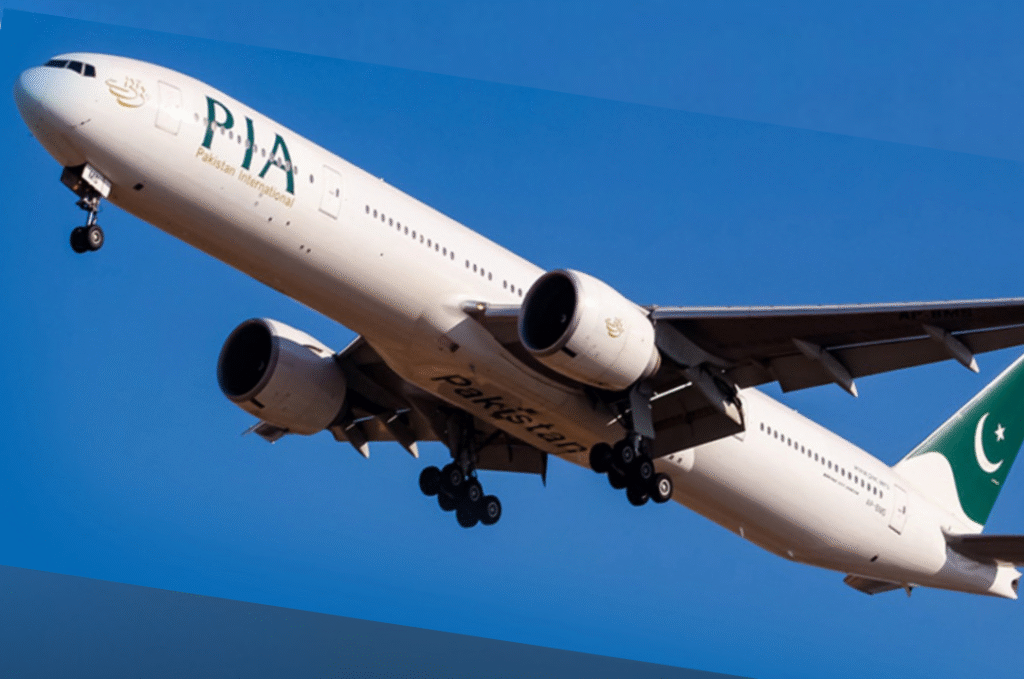
PIA IPO 2026 is poised to become one of the most talked-about capital market events in Pakistan’s recent history. After years of financial turbulence and operational setbacks, Pakistan International Airlines is preparing for a bold market debut on the Pakistan Stock Exchange (PSX) within a year of its new private owners taking operational control. The move signals more than just a listing it represents a strategic reset for a national carrier seeking commercial revival and investor confidence. PIA IPO 2026: What the Market Can Expect Under the proposed PIA IPO 2026, the new management plans to float between 5% and 10% of the airline’s shares through an Initial Public Offering (IPO). This would mark the first major milestone in PIA’s post-privatization roadmap. The privatization deal itself is significant. A consortium led by Arif Habib Corporation Limited (AHCL) emerged as the highest-ranked bidder for Pakistan International Airlines Corporation Limited (PIACL), offering Rs135 billion for a 75% equity stake. Among the notable investors is Aqeel Karim Dhedhi, Chairman of AKD Group, who holds a 16% stake in the consortium. In practical terms, the transaction means: • 75% ownership has shifted to private investors.• Rs135 billion valuation sets the financial benchmark.• 5–10% of shares may soon be available to public investors.• PSX could see one of its most high-profile listings in years. How PIA IPO 2026 Fits into the Turnaround Strategy The PIA IPO 2026 is not merely a fundraising tool it is a confidence-building exercise. The new owners have outlined an aggressive turnaround plan centered on restoring profitability and reclaiming lost market share. Over the years, Pakistani travelers have increasingly relied on transit hubs operated by airlines from: • Qatar• United Arab Emirates• Saudi Arabia• Turkey By reviving direct long-haul international routes, PIA aims to reduce passenger leakage to foreign carriers and bring outbound traffic back under its own wings. If successful, this route revival strategy could: • Improve revenue per available seat kilometer (RASK).• Strengthen foreign exchange earnings.• Enhance brand perception among overseas Pakistanis.• Increase investor appetite ahead of and after the IPO. PIA IPO 2026 and the Broader Privatization Push The timing of PIA IPO 2026 also aligns with Pakistan’s broader economic reform agenda. The government, through the Privatization Commission of Pakistan, is accelerating plans to offload stakes in state-owned enterprises. Parallel initiatives include exploring redevelopment partnerships for the Roosevelt Hotel in New York and advancing privatization of power distribution companies. This makes PIA a test case. If the IPO is well received, it could set a precedent for: • Increased foreign portfolio investment.• Stronger retail participation in privatized SOEs.• Improved corporate governance standards in former state entities. Will PIA IPO 2026 Attract Investor Confidence? Investor appetite will depend on three key factors: For PSX, the listing could inject fresh liquidity and re-energize aviation and transport sector stocks. For investors, PIA IPO 2026 offers a rare opportunity to buy into a legacy brand at the start of its restructuring cycle a high-risk, potentially high-reward proposition. Final Thoughts: A Market Milestone in the Making The story of PIA IPO 2026 is more than an IPO narrative it’s about whether Pakistan’s flagship airline can reclaim its altitude in both aviation and capital markets. If executed within the announced timeline, this IPO could become one of the defining financial events of the year, signaling that Pakistan’s privatization drive is not just policy rhetoric but an actionable economic shift. The runway is set. The market is watching. Now, the question remains will PIA truly take off this time?

Scroll to Top